Brazilian Mushroom Concentrate
Brazilian mushroom concentrate is a preparation of Agaricus subrufescens, the species long traded under the name Agaricus blazei Murill and known in Japan as himematsutake and in Brazil as cogumelo do sol. It is a cultivated basidiomycete of the Agaricaceae family, related to the common button mushroom, native to Brazil and grown commercially there, in Japan, China and Korea.
The ingredient is bought for its cell wall polysaccharides. The principal fraction is beta glucan, chiefly beta 1,3 and beta 1,6 linked glucose polymers, accompanied by protein bound polysaccharide complexes, mannans and a small amount of ergosterol, the fungal sterol that converts to vitamin D2 on ultraviolet exposure. Free amino acids and nucleotides give the concentrate a secondary savoury character that carries into any food it is used in.
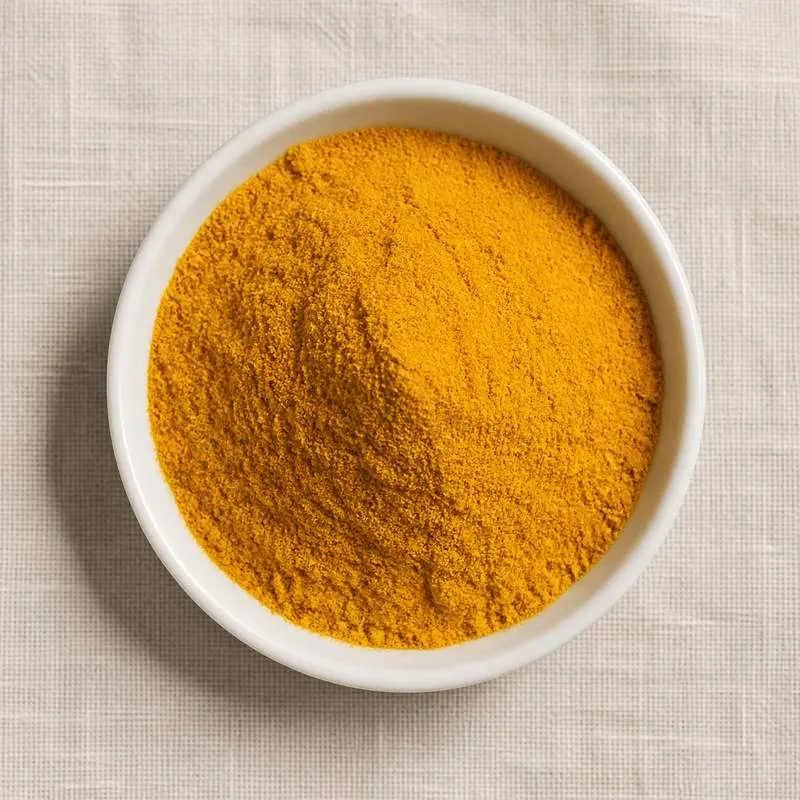
The commercial form is a light brown to brown powder with a distinct mushroom odour and a mildly savoury, slightly bitter taste. Hot water extracts dissolve largely completely, while high beta glucan grades disperse rather than dissolve because the glucan fraction is only partly water soluble. The material is hygroscopic, and its polysaccharides are stable to normal processing heat, which allows it to be added earlier in a process than an anthocyanin or a volatile flavour would tolerate.
We source bulk Brazilian Mushroom Concentrate from top China manufacturers for our partners. The manufacturer is in Shaanxi. A smaller requirement can ship in a combined container with other ingredients.
Please send the grade you need, the volume and your destination port, and we will come back with a solution and a price.
or call +86-21-6858 0751
- Function
- Plant extract
Specifications
| Item | Specification |
|---|---|
| Appearance | Light brown to brown fine powder |
| Source | Agaricus subrufescens fruiting body |
| Odour and Taste | Characteristic mushroom, mildly savoury |
| Identification | Chromatographic fingerprint conforming to authenticated reference |
| Polysaccharides | ≥ 30.0% (UV, phenol sulphuric acid) |
| Beta Glucan | ≥ 15.0% (enzymatic) |
| Starch | ≤ 5.0% |
| Particle Size | ≥ 95% through 80 mesh |
| Loss on Drying | ≤ 6.0% |
| Total Ash | ≤ 8.0% |
| pH (1% solution) | 5.0 to 7.0 |
| Residual Ethanol | ≤ 0.5% |
| Lead | ≤ 2.0 mg/kg |
| Cadmium | ≤ 1.0 mg/kg |
| Total Plate Count | ≤ 10,000 cfu/g |
| Yeast and Mould | ≤ 500 cfu/g |
| Escherichia coli | Negative in 1 g |
| Salmonella | Negative in 25 g |
Common Markets Grades
The trade quotes polysaccharides by the phenol sulphuric acid colourimetric method, commonly at 10, 20, 30 and 40 percent, and beta glucan by a specific enzymatic assay at 10, 20 and 30 percent. The two figures are not interchangeable, the colourimetric method returning the higher number because it responds to all sugars released on hydrolysis, and a specification quoting only polysaccharides says nothing definite about glucan content.
Beyond assay, the market divides on raw material. Fruiting body extract, made from the mushroom cap and stem, is the reference material and carries the higher glucan content. Mycelium grown on grain is cheaper but brings the grain substrate with it, which raises the starch figure and dilutes the glucan, so buyers ask for a starch limit as well as a glucan assay. Ratio extracts at 4:1 and 10:1 are traded where no marker is claimed, alongside plain dried fruiting body powder, which is not an extract at all. Powders mill to 80 mesh, carrier free or on maltodextrin, with organic certified material available from certified cultivation.
Applications
- Capsule and tablet supplements, the principal outlet, dosed on the declared beta glucan figure
- Immune support formulations, blended with other fungal extracts such as reishi, shiitake and maitake
- Mushroom blend powders and coffee style drink mixes, where the savoury note is worked into the flavour design
- Functional beverages and instant granules, using a water soluble hot water extract that does not sediment
- Nutrition bars and chews, where the polysaccharides tolerate the processing temperatures
- Savoury seasoning applications, using the free amino acid and nucleotide content for umami depth
- Traditional preparations in Brazil and Japan, where the dried mushroom is decocted directly
- Skin care formulations, added to the water phase for the polysaccharide film forming effect
- Pet and livestock supplements, applied as a fungal polysaccharide source in immune positioned products
China Manufacturers of Brazilian Mushroom Concentrate
Top Brazilian Mushroom Concentrate manufacturers in China.
Company names and logos are the property of the manufacturers themselves. They are listed here because our own directory records them as producing this ingredient. A listing is not an endorsement by them, and we do not represent them or speak on their behalf.
Regulatory Status
In the United States, Agaricus subrufescens and its extracts are used as dietary ingredients under the Dietary Supplement Health and Education Act, with finished products manufactured under 21 CFR Part 111. Edible mushrooms and their water extracts are also foods under the general provisions of the Federal Food, Drug and Cosmetic Act. Species identity is a practical control point, since the accepted botanical name differs from the trade name still used on most labels and material has historically been misidentified in commerce.
In the European Union Agaricus subrufescens preparations are food supplement ingredients rather than food additives, so no E number applies, and health claims for the species are unauthorised. The species does not have a long established history of consumption within the Union, so extracts and dried preparations are assessed against the novel food regulation, and the European Food Safety Authority has previously considered the agaritine content of Agaricus species, which is the compositional issue that attaches to this genus. Codex has no commodity standard for mushroom concentrate and JECFA has issued no additive specification for it.
Manufacturing Process
Fruiting bodies are grown on a composted substrate in controlled houses, harvested at maturity, cleaned, sliced and dried in warm air, or freeze dried where colour and aroma retention justify the cost. Dried mushroom is milled to a coarse powder and extracted with hot water in a counter current or multi stage batch system, held at a temperature high enough and for long enough to solubilise the beta glucans, which are more resistant than the simple sugars and amino acids released alongside them. Some producers add a hot alkali stage, which raises glucan recovery from the cell wall, followed by neutralisation.
The liquor is separated from the spent mushroom by pressing and decanting, screened and clarified by centrifugation and filtration. It is concentrated under vacuum, then treated with ethanol to a high final concentration, which precipitates the polysaccharide fraction while sugars, free amino acids and small molecules remain dissolved. The precipitate is separated by centrifugation, washed with ethanol, redissolved in water and filtered, and the combined ethanol streams are recovered by distillation. The purified solution is spray dried, alone or onto maltodextrin, and the powder is milled, sieved, assayed for beta glucan and starch, blended and packed in foil laminate bags inside fibre drums.