Brewed White Vinegar
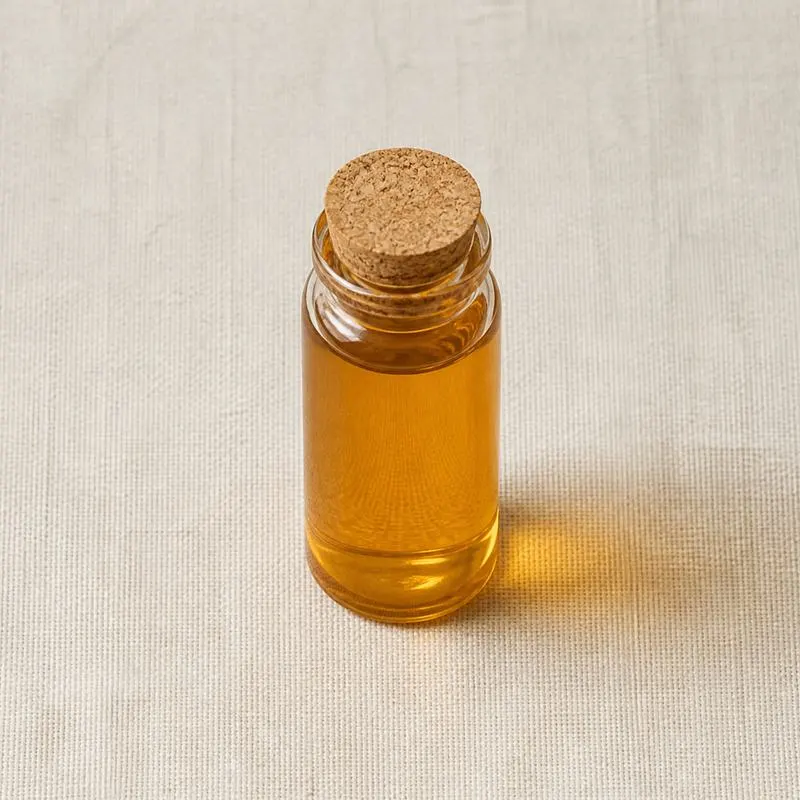
Brewing styling white vinegar is the trade description of a brewed type white vinegar, a colourless to pale acidic liquid produced entirely by fermentation rather than by diluting synthetic acetic acid. It is made by fermenting a neutral substrate such as distilled grain spirit, rice or cane sugar to alcohol, oxidising that alcohol to acetic acid with acetic acid bacteria, and then filtering the product so that little colour or non volatile matter remains.
Its function is to deliver acidity without contributing colour or a strong substrate flavour. Acetic acid at four to nine percent lowers pH, gives a clean sharp sourness and suppresses many spoilage organisms, while the low level of residual sugars, amino acids and fermentation esters keeps the aroma light. That neutrality is the reason it is chosen over dark grain vinegars in pale sauces, pickles and dressings where a brown vinegar would discolour the product.
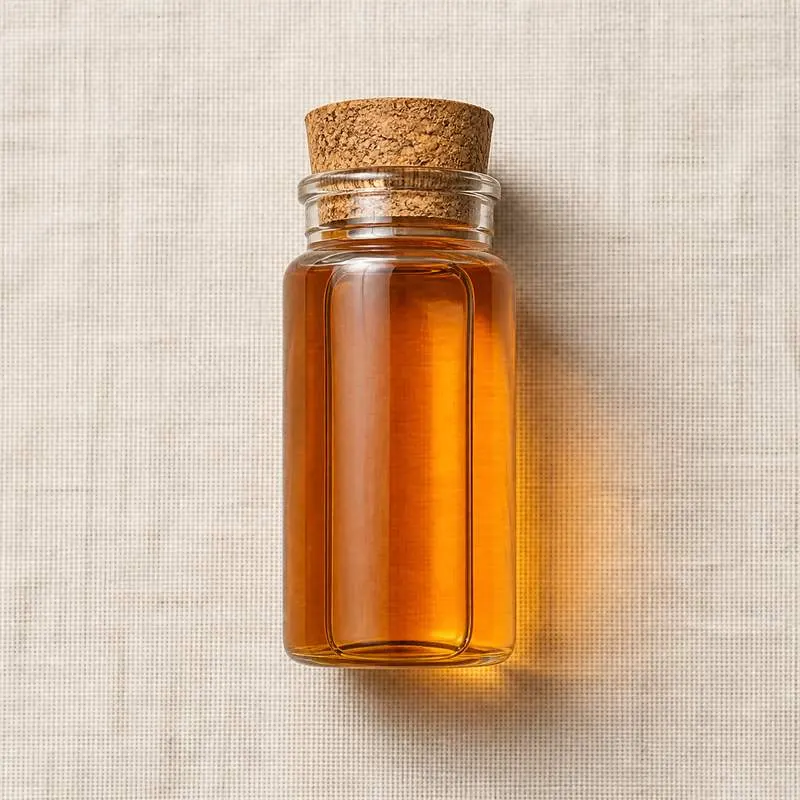
It is a clear liquid, colourless or very slightly straw coloured, fully miscible with water and stable at ambient temperature. Acetic acid is volatile, so open boiling loses both aroma and acid strength. The liquid attacks mild steel and concrete and is handled throughout in stainless steel, glass or lined plastic.
We source bulk Brewed White Vinegar from top China manufacturers for our partners. The manufacturer is in Zhejiang. A smaller requirement can ship in a combined container with other ingredients.
Please send the grade you need, the volume and your destination port, and we will come back with a solution and a price.
or call +86-21-6858 0751
- Function
- Flavours and Aromas
Specifications
| Item | Specification |
|---|---|
| Appearance | Clear colourless to very pale straw liquid, free from sediment |
| Odour and taste | Clean sharp acetic character, free from musty or solvent notes |
| Total acidity as acetic acid | To declared value, 4.0 g per 100 mL minimum |
| Colour as APHA | 50 maximum |
| Residual alcohol | 0.3 percent by volume maximum |
| pH | 2.4 to 3.2 |
| Non volatile solids | 1.0 g per 100 mL maximum |
| Sulphated ash | 0.5 percent maximum |
| Free mineral acid | Absent |
| Iron | 5 mg per kg maximum |
| Lead | 0.5 mg per kg maximum |
| Arsenic | 0.5 mg per kg maximum |
| Total plate count | 100 cfu per millilitre maximum after pasteurisation |
| Yeast and mould | 10 cfu per millilitre maximum |
Common Markets Grades
The grade is set first by total acidity, declared as grams of acetic acid per hundred millilitres, with table strength around four to five percent, industrial strength at six to nine percent and concentrated stock above that for dilution at the point of use. Colour and clarity form the second axis, since white vinegar is sold on how little colour it carries, and the paler grades have been carbon treated or produced from a spirit substrate rather than a cereal mash.
Substrate distinguishes the lines that trade under the same name. Spirit or distilled vinegar is made from neutral alcohol and is the most neutral in taste, rice white vinegar retains a faint sweetness from the grain, and cane vinegar sits between them. Beyond the liquid, the same base is sold as a spray dried powder on maltodextrin for dry blends and as a buffered concentrate for antimicrobial use in meat and bakery. Organic certified lines require a certified substrate, and preservative free grades rely on pasteurisation and their own pH rather than an added benzoate or sorbate.
Applications
- Pickling and preserved vegetable production, where the low colour keeps cucumbers, cauliflower and onion pale
- Mayonnaise and emulsified dressings, supplying acidity for taste and for stability of the emulsion
- Salad dressings and vinaigrettes that need acid without a brown tint
- Tomato ketchup and condiment sauces, balancing sweetness and holding pH in the safe range
- Sushi rice seasoning, blended with sugar and salt
- Marinades for fish and white meat, where acid firms the surface and improves seasoning uptake
- Bakery mould inhibition, dosed as buffered vinegar in place of a declared preservative
- Ready to eat meat and delicatessen products, used as a clean label antimicrobial
- Beverage acidification and drinking vinegar production
- Dry seasoning blends and snack coatings, using the powdered form for a sour note
China Manufacturers of Brewed White Vinegar
Top Brewed White Vinegar manufacturers in China.

Company names and logos are the property of the manufacturers themselves. They are listed here because our own directory records them as producing this ingredient. A listing is not an endorsement by them, and we do not represent them or speak on their behalf.
Regulatory Status
In the United States vinegar is a food rather than an additive, and a longstanding definition requires at least four grams of acetic acid per hundred millilitres. The label must identify the type, with distilled vinegar, spirit vinegar and grain vinegar all used for material of this kind, and vinegar made by dilution of synthetic acetic acid may not be sold as vinegar. Vinegar and acetic acid are recognised as generally recognised as safe for food use, and vinegar used as an antimicrobial in a processed food is treated as an ingredient rather than as a declared preservative.
In the European Union brewed vinegar is a food under general food law and carries no E number, whereas acetic acid used as an additive in its own right is listed as E 260. Labelling rules require the raw material to be named, so a spirit vinegar and a rice vinegar are not interchangeable on the label. Codex has adopted a regional standard for vinegar setting minimum acidity, defining fermented vinegar against synthetic acetic acid solutions and requiring identification of the substrate. Sulphites carried over from a wine derived alcohol source are declarable above the usual threshold.
Manufacturing Process
The substrate is prepared first. Neutral grain spirit or sugar cane alcohol is simply diluted with water and nutrients to the working alcohol strength, while a rice or cereal route requires cooking and enzymatic saccharification with amylase and glucoamylase followed by a yeast fermentation to ethanol. Either way the feed to acetification is an alcoholic liquor of roughly six to twelve percent alcohol, kept low in nitrogen and colour because anything carried in at this stage has to be removed later.
Acetification is carried out in a submerged acetator, where a culture of Acetobacter is held in the liquid and air is dispersed through it by a high speed aerator. The bacteria oxidise ethanol to acetic acid over one to two days, and the vessel is cooled continuously because the reaction is strongly exothermic. The raw vinegar is settled to drop bacterial cellulose and cell debris, decolourised over activated carbon, and polished through a plate or membrane filter to reach the clarity the grade requires. It is then standardised to the target acidity with softened water, pasteurised, and filled into bottles, drums or bulk tankers. Powder grades are diverted before filling, blended with a carrier and spray dried.