Calcium Bisglycinate
Calcium bisglycinate is an amino acid chelate in which one calcium ion is bound by two molecules of glycine, the simplest amino acid, giving the formula Ca(C2H4NO2)2. The bond is not a simple ionic pairing: each glycine coordinates through both its carboxyl oxygen and its amino nitrogen, closing two five membered rings around the metal and leaving the calcium largely enclosed within an organic shell.
That structure is the reason the material is used. In a mineral salt such as the carbonate or the phosphate, calcium is released as a free ion in the gut and is then vulnerable to precipitation by phytate, oxalate and dietary fibre. In the chelate the metal stays coordinated over a wider pH range, which reduces those interactions and also removes the chalky mouthfeel and the acid neutralising behaviour that make carbonate difficult to formulate into beverages and chewables.
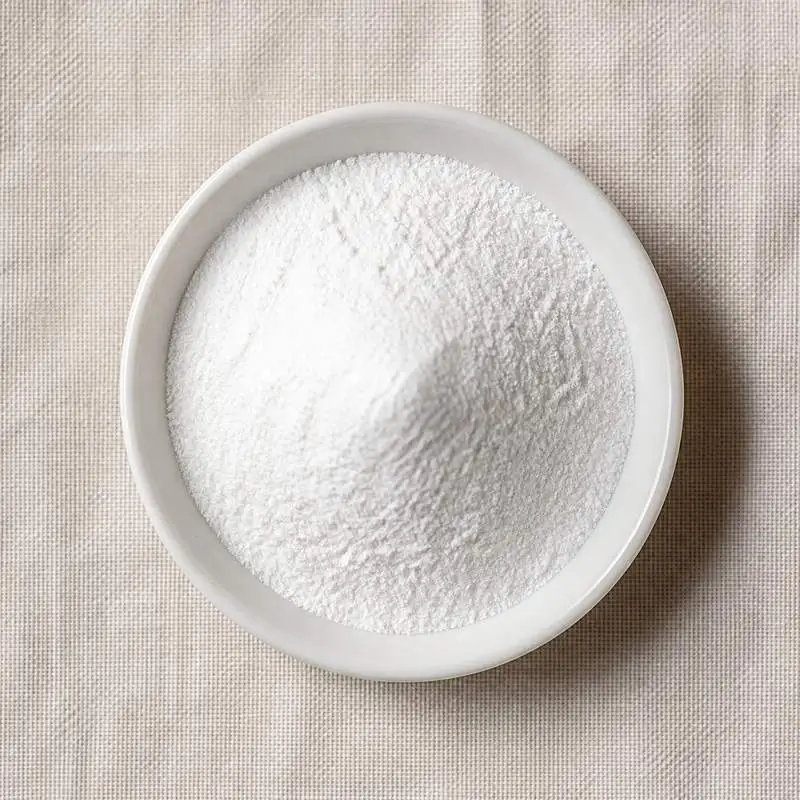
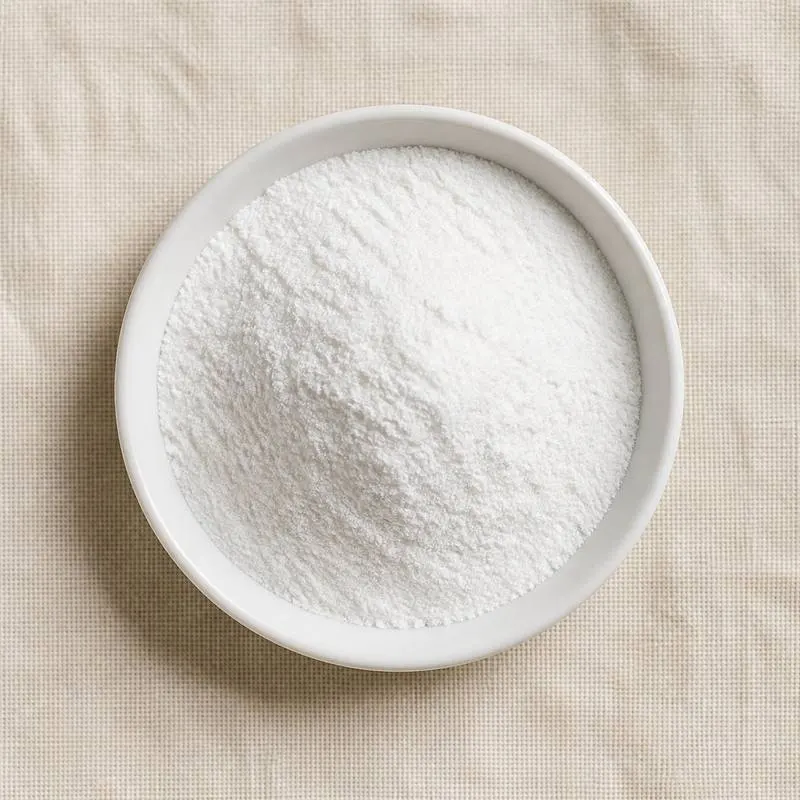
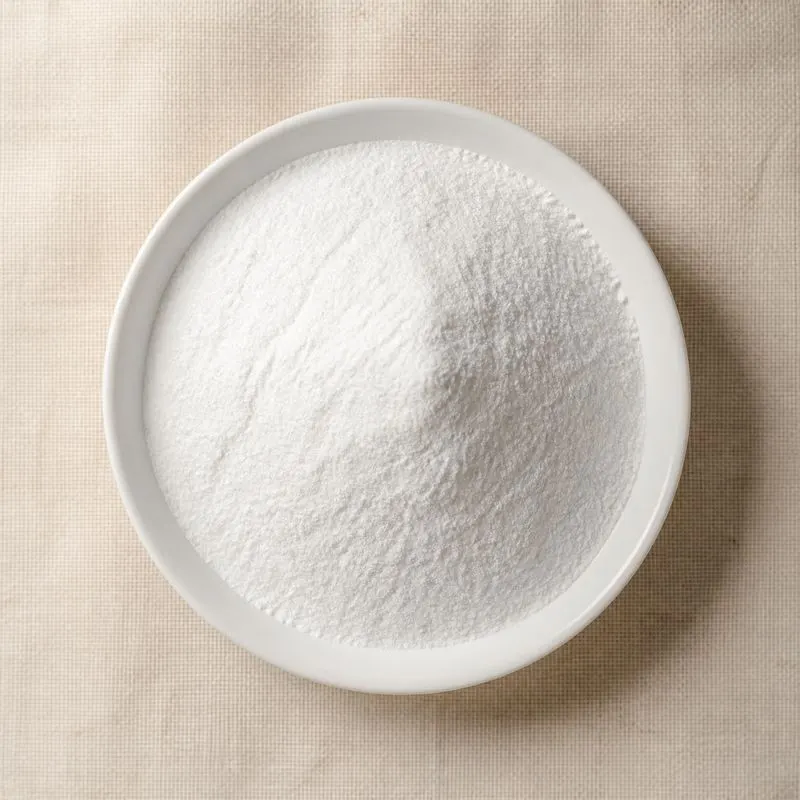
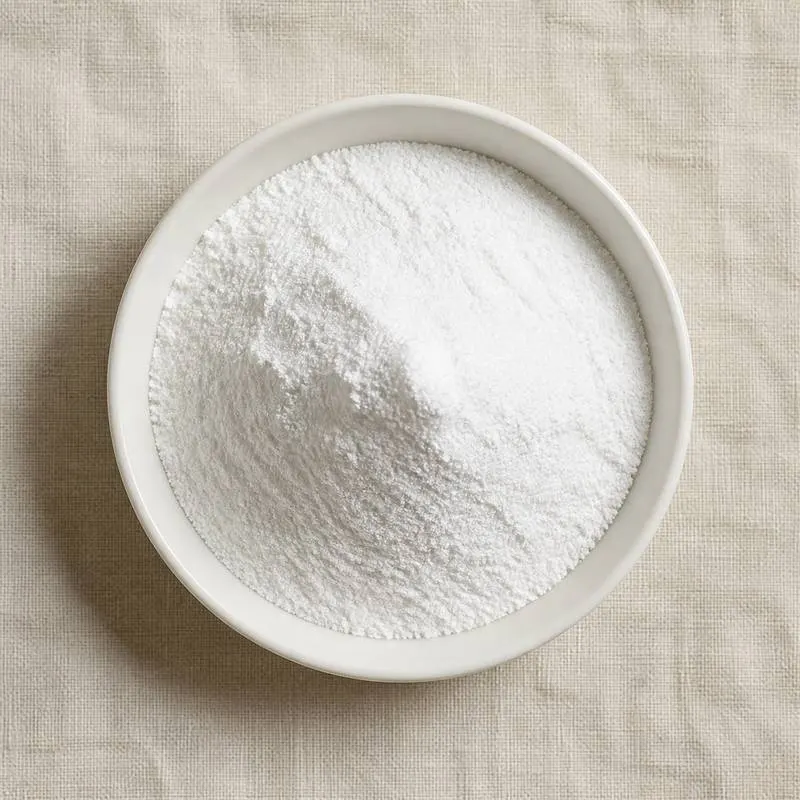
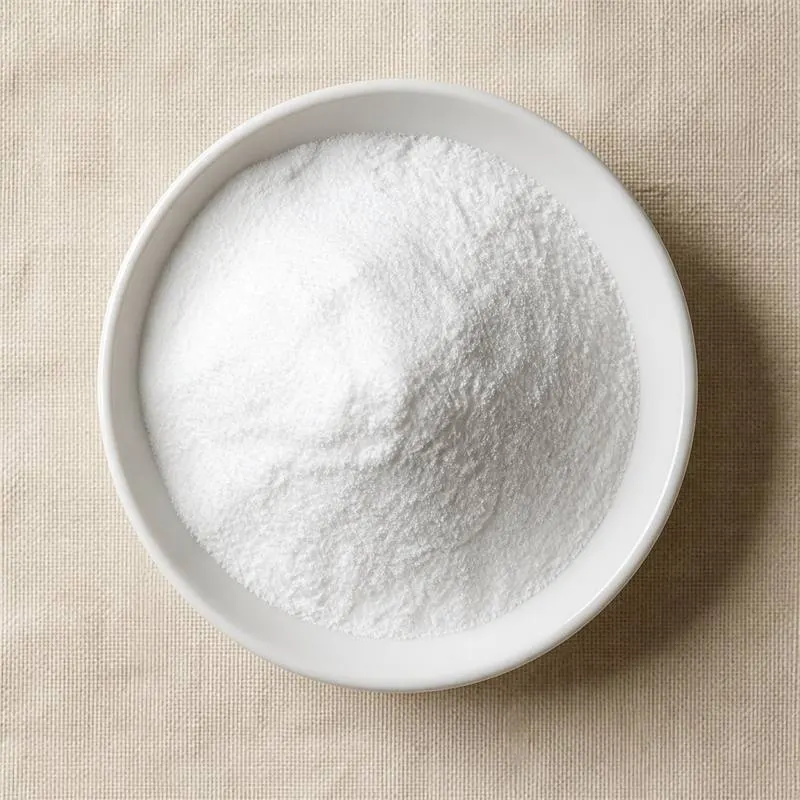
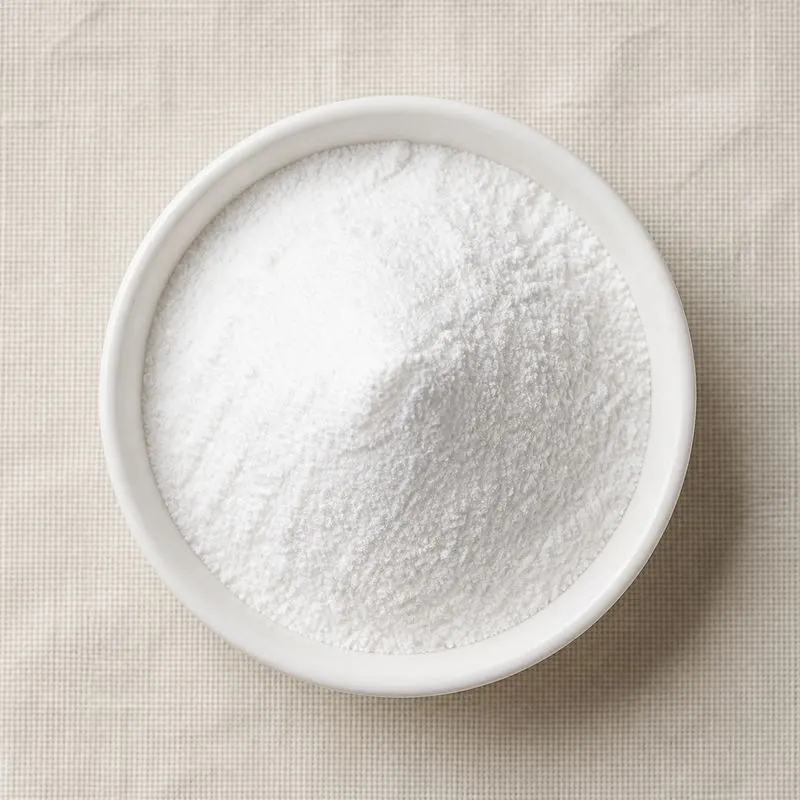
The commercial product is a white to off white free flowing powder, odourless and close to neutral in taste, with a calcium content of roughly 18 to 20 percent for the pure bisglycinate. It is sparingly to moderately soluble in water depending on the exact form and on pH, disperses readily, and is stable in dry storage. It does not react with dietary acids in the way carbonate does, so it will not gas off in an acidified drink.
We source bulk Calcium Bisglycinate from top China manufacturers for our partners. The manufacturer is in Hebei. A smaller requirement can ship in a combined container with other ingredients.
Please send the grade you need, the volume and your destination port, and we will come back with a solution and a price.
or call +86-21-6858 0751
- Function
- Amino acid
Specifications
| Item | Specification |
|---|---|
| Appearance | White to off white free flowing powder |
| Identification | Infrared spectrum confirms chelate structure; positive for calcium |
| Calcium content | 18.0 to 20.0% for the pure bisglycinate |
| Glycine content | 72.0 to 80.0% |
| Free glycine | Not more than 3.0% |
| Unreacted mineral, as calcium | Not more than 1.0% |
| Loss on drying | Not more than 5.0% |
| pH, 5% aqueous suspension | 6.5 to 8.0 |
| Lead, as Pb | Not more than 1 mg/kg |
| Arsenic, as As | Not more than 1 mg/kg |
| Cadmium, as Cd | Not more than 0.5 mg/kg |
| Mercury, as Hg | Not more than 0.1 mg/kg |
| Total plate count | Not more than 1,000 cfu/g |
| Salmonella | Absent in 25 g |
Common Markets Grades
The main distinction is between the pure bisglycinate chelate and buffered or blended grades. Pure chelate is specified on its calcium content, near 18 to 20 percent, and on the proportion of that calcium that is genuinely chelated rather than present as unreacted mineral, which is confirmed by infrared spectroscopy showing the shift in the carboxyl and amino bands. Buffered grades are made by reacting a lower ratio of glycine, or by blending the chelate with calcium carbonate or calcium oxide, and are sold at higher calcium content, commonly 24 to 28 percent, at lower cost and with correspondingly less of the chelate benefit.
Physical grades follow the dose form. Fine powder is used in stick packs, sachets and beverage powders where dispersion matters, while granulated and direct compression grades with improved flow and compressibility are used for tablets, where the bulk of a calcium dose makes tablet size the limiting design problem. Coated grades are used for chewables and for gummies. Certificates typically also state the free glycine content, since unreacted glycine dilutes the calcium and indicates an incomplete reaction.
Applications
- Calcium supplements in tablet and capsule form, where the chelate is chosen over carbonate for tolerability and for its lack of dependence on gastric acid
- Bone health formulations, combined with vitamin D3, vitamin K2 and magnesium
- Fortified beverages and beverage powders, where a mineral salt would sediment, cloud the drink or neutralise its acidity
- Chewable tablets and gummies, where the neutral taste avoids the chalky note of carbonate
- Prenatal and women's health supplements, where calcium requirement is elevated
- Meal replacement and clinical nutrition powders, where mineral fortification must not affect flavour or viscosity
- Plant based dairy alternatives, where calcium is added to match the level of cow milk without settling in the carton
- Sports and hydration products, where calcium is dosed alongside sodium, potassium and magnesium
- Senior and medical nutrition, where reduced gastric acid secretion limits the usefulness of carbonate
- Pet supplements, where the same absorption argument is applied to companion animal diets
Brands Using Calcium Bisglycinate
Widely-distributed consumer products that list Calcium Bisglycinate on the ingredient label.
- Carlson LabsCalcium Bisglycinate Capsules ↗A two-capsule serving provides 250 mg of elemental calcium supplied as calcium bisglycinate.Label verified 2026-08-31
- SolarayCalcium Bisglycinate with D-3 1000 mg ↗The supplement facts list calcium from calcium bisglycinate at 1,000 mg per four-capsule serving alongside vitamin D-3.Label verified 2026-08-31
Brand names, product names and logos are the property of their owners. They appear here as published evidence that the ingredient is used, taken from the brand's own label or website. Their appearance is not an endorsement, and it does not mean the brand buys from us or from any manufacturer listed on this site.
China Manufacturers of Calcium Bisglycinate
Top Calcium Bisglycinate manufacturers in China.

Company names and logos are the property of the manufacturers themselves. They are listed here because our own directory records them as producing this ingredient. A listing is not an endorsement by them, and we do not represent them or speak on their behalf.
Regulatory Status
In the United States calcium bisglycinate is used as a dietary ingredient in food supplements under the Dietary Supplement Health and Education Act, and glycine chelates of minerals have been the subject of generally recognised as safe determinations for use in conventional foods and beverages, with notices submitted to the Food and Drug Administration for mineral bisglycinates as fortification sources. Its use in fortified food therefore rests on generally recognised as safe status rather than on a food additive citation. Calcium fortification claims and label declarations follow the nutrient content rules, and the label declares the calcium contributed rather than the weight of the chelate.
In the European Union amino acid chelates are handled as nutrient sources rather than as additives, so the substance carries no E number. Annex II of Directive 2002/46/EC as amended includes calcium bisglycinate among the permitted calcium sources for food supplements, and the European Food Safety Authority has also evaluated mineral bisglycinates for use as sources of the respective minerals in foods and supplements. Use in foods for specific groups falls under Regulation (EU) No 609/2013 and the delegated acts made under it, where the permitted list of mineral sources is set separately for each product class. Codex addresses calcium sources through its advisory list of nutrient compounds for use in foods for special dietary uses.
Manufacturing Process
Manufacture is a controlled aqueous chelation reaction. Food grade glycine, itself made by fermentation or by chemical synthesis, is dissolved in purified water in a jacketed reactor, and a calcium source is added at a molar ratio of two glycine to one calcium. The calcium enters as calcium carbonate, calcium hydroxide or calcium oxide, and where carbonate is used the reaction releases carbon dioxide, which is vented as the batch warms. The mixture is held at moderate temperature with agitation while the coordination bonds form, and pH is monitored throughout, since chelation is only complete within a narrow band and either excess acidity or excess alkalinity leaves free mineral in the product.
The reaction is judged complete by testing the batch for unreacted mineral and by infrared confirmation of the chelate structure. The liquor is then polish filtered to remove insolubles and any unreacted calcium source, and dried. Spray drying gives a fine, uniform powder in one step and is the usual route, while vacuum or belt drying followed by milling is used where a denser particle is wanted. The dried powder is sieved to the target cut, granulated if a direct compression grade is required, passed through a metal detector and packed in lined bags. Buffered grades are produced by dry blending the finished chelate with additional calcium carbonate to a declared calcium content.