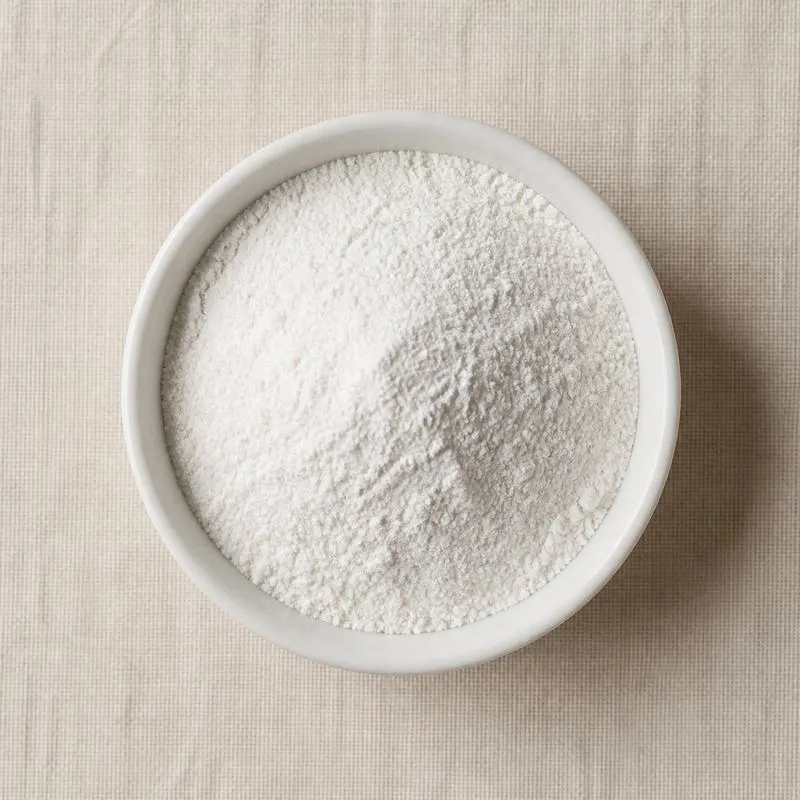
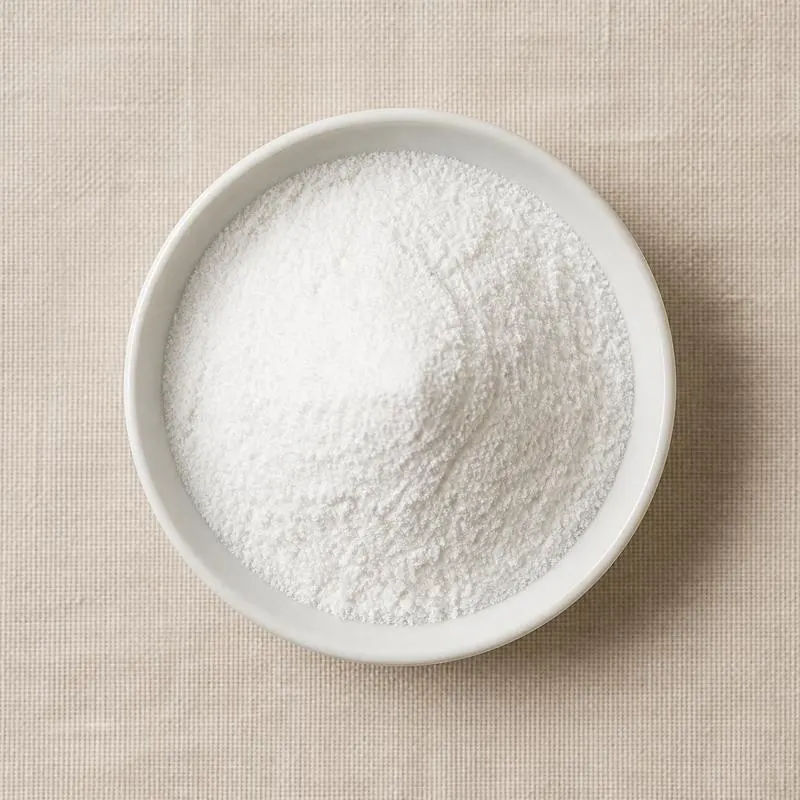
Calcium Stearate
Calcium Stearate is the calcium salt of stearic acid, with formula Ca(C₁₇H₃₅COO)₂ and CAS 1592-23-0.
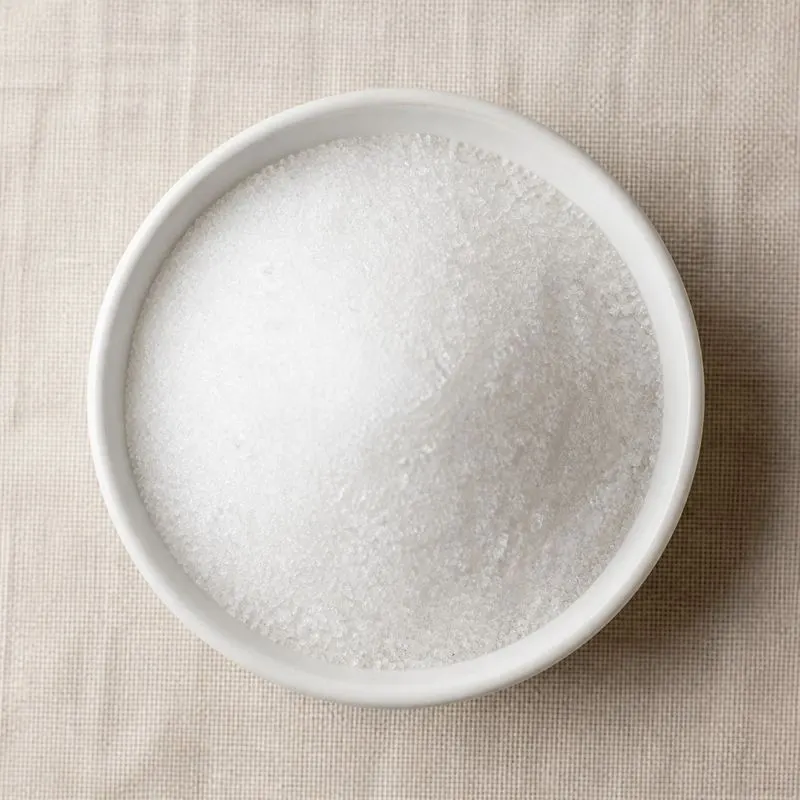
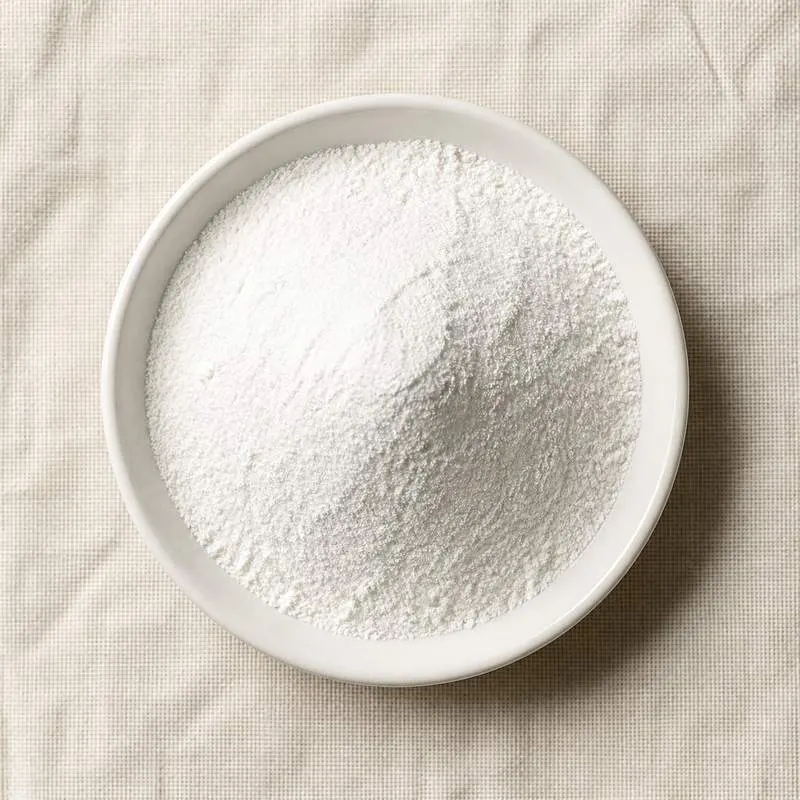
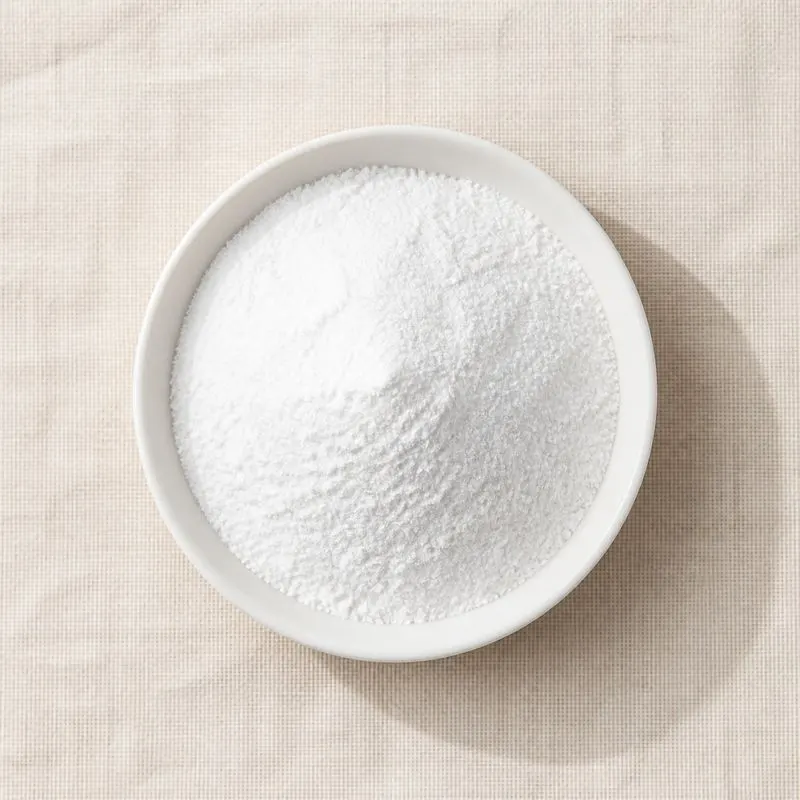
The compound is a white, waxy, hydrophobic powder with a faint fatty odour. It functions primarily as a lubricant, anticaking agent, and release aid across food, pharmaceutical, plastics, and cosmetic industries.
We source bulk Calcium Stearate from top China manufacturers for our partners. The manufacturer is in Zhejiang. A smaller requirement can ship in a combined container with other ingredients.
Please send the grade you need, the volume and your destination port, and we will come back with a solution and a price.
or call +86-21-6858 0751
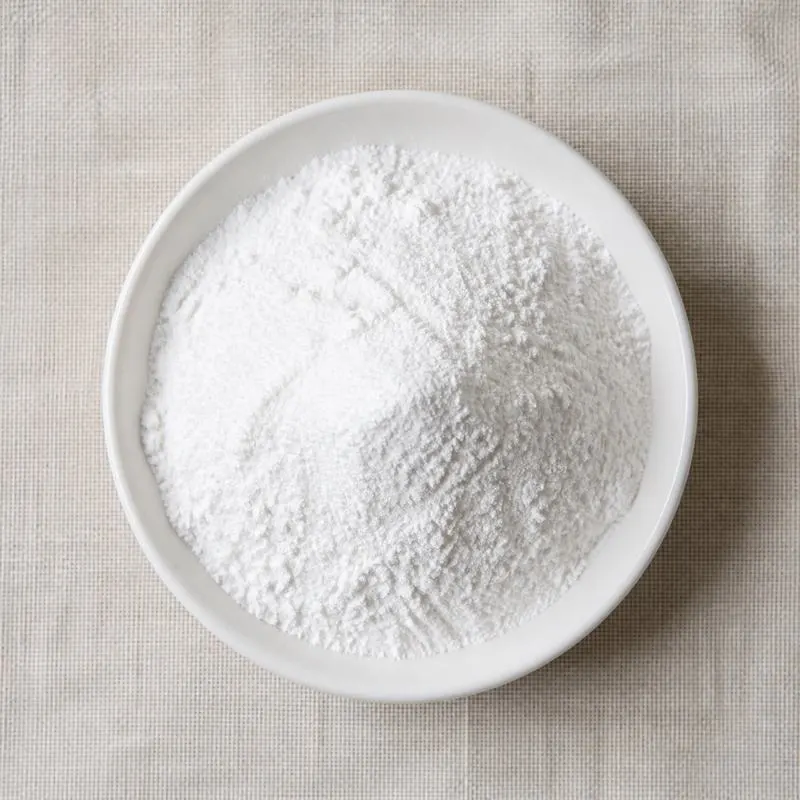
- Packaging
- 25 kg kraft paper bag with PE inner liner
- ISO 9001
- HACCP
- Halal
- Kosher
Specifications
| Item | Specification |
|---|---|
| Appearance | White fine powder |
| Assay (as Ca salt) | ≥99.0% |
| Calcium Content | 6.4–7.1% |
| Free Fatty Acid | ≤1.0% |
| Free Alkali (as NaOH) | ≤0.1% |
| Melting Point | 148–160 °C |
| Loss on Drying | ≤4.0% |
| Heavy Metals (as Pb) | ≤10 mg/kg |
| Arsenic | ≤3.0 mg/kg |
| Lead | ≤2.0 mg/kg |
| Particle Size | 100 mesh pass ≥99% |
Common Markets Grades
Calcium Stearate is one of the highest-volume metallic soaps and is graded in distinct tiers for each end-use family.
The food-grade powder meets FCC and JECFA specifications, with controlled limits on free fatty acid, lead, arsenic, and mercury. It is a fine, hydrophobic powder used as an anticaking and release agent in confectionery and dry-mix applications.
The pharmaceutical-grade powder meets USP, Ph. Eur., and JP monographs for use as a tablet lubricant. It competes with magnesium stearate, with calcium stearate sometimes selected when a different ionic compatibility is needed in the formulation.
The plastics-grade material is a higher-volume product used as an acid scavenger and internal lubricant in PVC, polyolefins, and polystyrene processing. Specifications focus on fatty acid composition and on free calcium oxide content.
Cosmetic-grade powder is produced for colour cosmetics, with particle shape controlled for spreadability and colour development.
Applications
- Tablet lubricant and glidant in pharmaceutical solid-dose manufacturing
- Anticaking agent in confectionery powders, baking ingredients, and powdered seasonings
- Release agent for hard candies, pressed tablets, and lozenges
- Flow aid in powdered nutritional and supplement premixes
- Mould-release and processing aid in chewing-gum manufacture
- Acid scavenger and internal lubricant in PVC compounding
- External lubricant for polyolefin and polystyrene extrusion and injection molding
- Waterproofing additive for textiles, paper, and construction materials
- Stabiliser in cosmetic pressed powders, foundations, and eyeshadows
- Antifoam aid in industrial process water treatment
- Lubricant in pencil leads and crayons
Brands Using Calcium Stearate
Widely-distributed consumer products that list Calcium Stearate on the ingredient label.
- Smarties Candy CompanySmarties Original Candy Rolls ↗Smarties official ingredient list (per smarties.com FAQs) includes calcium stearate, alongside dextrose, citric acid, natural and artificial flavours, and colours. Calcium stearate functions as a tablet-compression lubricant/anti-caking agent in the dry-pressed candy.Label verified 2026-05-24
- SweeTARTS (Ferrara Candy)SweeTARTS Original Tablet Candy ↗SweeTARTS Original ingredient panel lists 'Dextrose, Maltodextrin, DL-Malic Acid, Less than 2% of Calcium Stearate, Natural Flavors, Blue 1 Lake, Blue 2 Lake, Red 40 Lake.' Calcium stearate serves as the tablet lubricant.Label verified 2026-05-24
- Equal (Merisant)Equal Sweetener Tablets ↗Sweetener tablets listing lactose (from milk), aspartame, acesulfame potassium, microcrystalline cellulose, calcium stearate and croscarmellose sodium, with the calcium stearate acting as flow agent and lubricant.Label verified 2026-05-24
Brand names, product names and logos are the property of their owners. They appear here as published evidence that the ingredient is used, taken from the brand's own label or website. Their appearance is not an endorsement, and it does not mean the brand buys from us or from any manufacturer listed on this site.
China Manufacturers of Calcium Stearate
Top Calcium Stearate manufacturers in China.

Company names and logos are the property of the manufacturers themselves. They are listed here because our own directory records them as producing this ingredient. A listing is not an endorsement by them, and we do not represent them or speak on their behalf.
How We Help Source Calcium Stearate
Direct Factory Sourcing
We run the whole process: selecting the manufacturer from the top Chinese food ingredient producers, negotiating the price, verifying quality, and coordinating the logistics. You deal with us instead of with several factories at once.
Original Packaging and Documents from the Manufacturer
The manufacturer sends your Calcium Stearate out of its own factory in the original packing, through to your destination port. The COA, COO, MSDS, TDS and any certifications reach you from the manufacturer as well.
Free Samples and Lead Time
We send 100 to 500 g free for your own laboratory to test and you cover only the courier, usually within 2 to 3 working days. ETD is usually within 7 to 15 days once the order is confirmed, and we check that date against the factory's own manufacturing schedule before we give it to you.
Combined Shipment
We can load Calcium Stearate together with other ingredients such as Sodium Acetate, Calcium Citrate and Sodium Lactate into one 20' FCL. If your quantity is small, we can also ship LCL.
Regulatory Status
Calcium Stearate is approved for food and pharmaceutical use in essentially every regulated market.
The European Union lists it as E number E470(i), within the salts of fatty acids family, under Regulation (EC) 1333/2008. It is permitted as a carrier, anticaking, glazing, and release agent across many food categories at quantum satis levels in most uses.
The U.S. Food and Drug Administration affirms calcium stearate as GRAS under 21 CFR 184.1229 for use as an anticaking agent, flavouring adjuvant, lubricant, release agent, and stabiliser in food.
JECFA has evaluated the salts of fatty acids family and assigned them not-specified ADI status, recognising their long history of safe use.
Pharmacopoeial monographs appear in USP-NF, Ph. Eur., and JP. Halal and Kosher certifications exist for vegetable-source product; tallow-derived grades require species disclosure and are not eligible for halal certification.
Manufacturing Process
Calcium Stearate is produced by two principal industrial routes: precipitation and fusion.
The precipitation route is dominant for food and pharmaceutical grades. Sodium stearate solution is first prepared by saponification of stearic acid with sodium hydroxide. The sodium soap is then reacted with a soluble calcium salt, typically calcium chloride, in a double-decomposition step that precipitates calcium stearate as a fine solid. The precipitate is filtered, washed thoroughly to remove sodium chloride, and dried in a hot-air drier.
The fusion (or direct) route is used for plastics-grade material. Stearic acid is melted and reacted directly with calcium hydroxide or calcium oxide under controlled temperature. Water of reaction is driven off, and the molten calcium stearate is cooled and milled. This route gives a denser product than precipitation.
Particle size control is critical to lubricant performance, with most pharmaceutical grades milled to a median diameter in the 5 to 20 micrometer range.
Stearic acid feedstock is sourced from animal tallow or from vegetable oils, principally palm and palm kernel. Source declaration is part of the commercial specification, with vegetable-source product preferred for halal, kosher, and vegan applications.