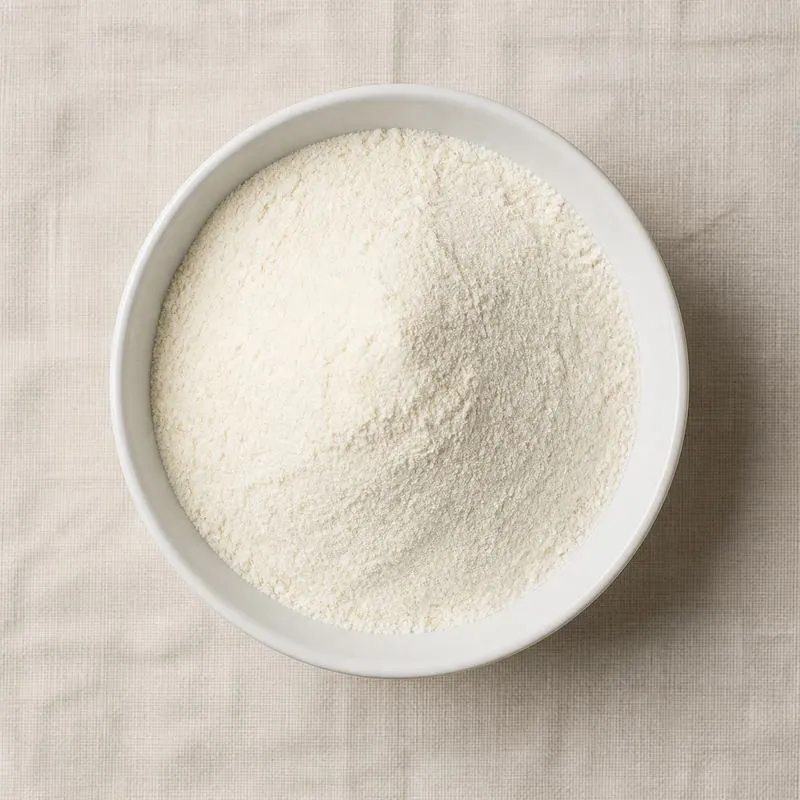
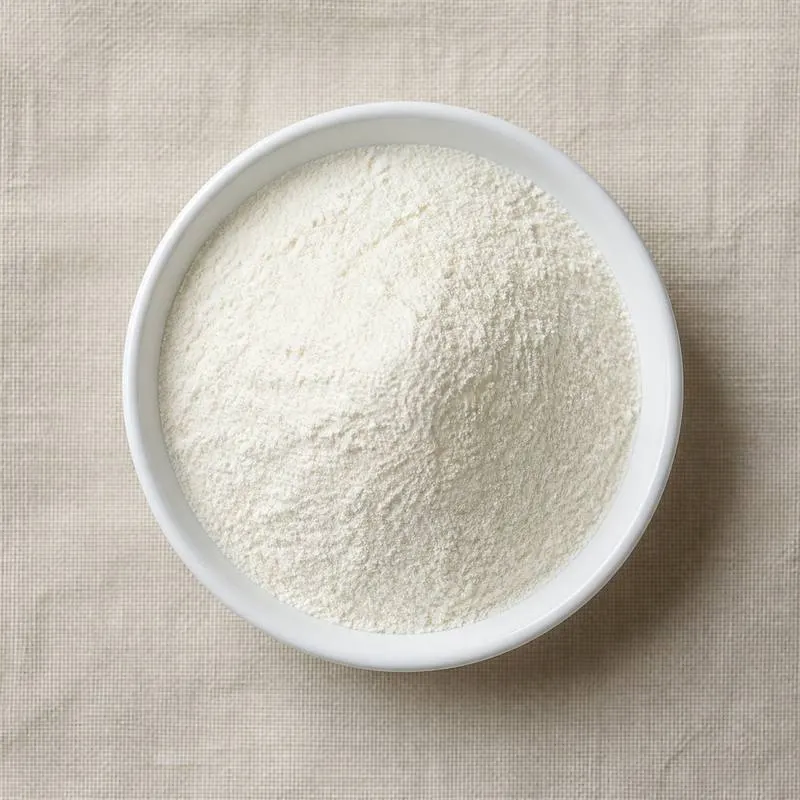
Chlorella Active Peptide
Chlorella Active Peptide is an enzymatic hydrolysate of the green microalga Chlorella, most commonly Chlorella vulgaris or Chlorella pyrenoidosa, processed to release low molecular weight peptides from the cellular protein.
The ingredient differs from conventional chlorella powder. The thick cellulose-rich cell wall is broken and the protein fraction is enzymatically cleaved, yielding a water-soluble product with very different solubility and sensory properties from whole-cell chlorella.
We source bulk Chlorella Active Peptide from top China manufacturers for our partners. The manufacturer is in Hainan. A smaller requirement can ship in a combined container with other ingredients.
Please send the grade you need, the volume and your destination port, and we will come back with a solution and a price.
or call +86-21-6858 0751
- Packaging
- 25 kg fibre drum with double PE liner
- ISO 9001
- HACCP
- Halal
- Kosher
Specifications
Grades / Types Available: Food Grade, Cosmetic Grade
| Item | Specification |
|---|---|
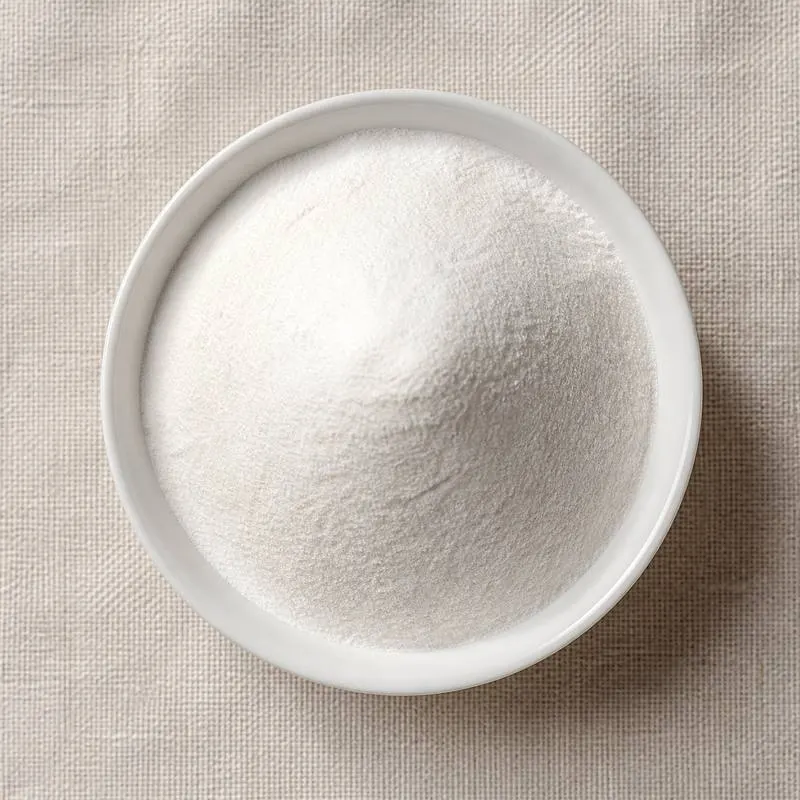
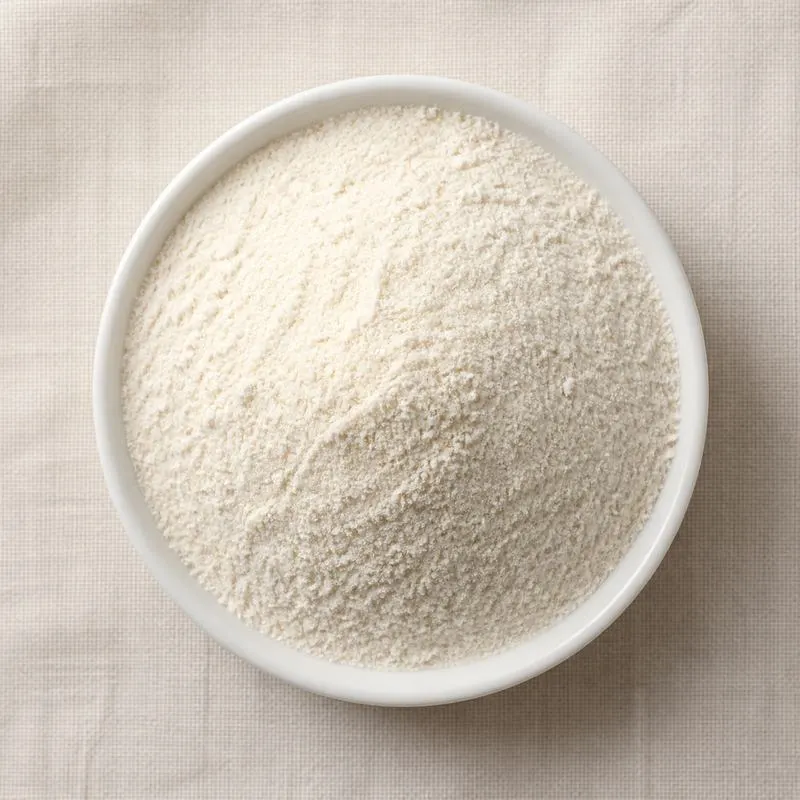
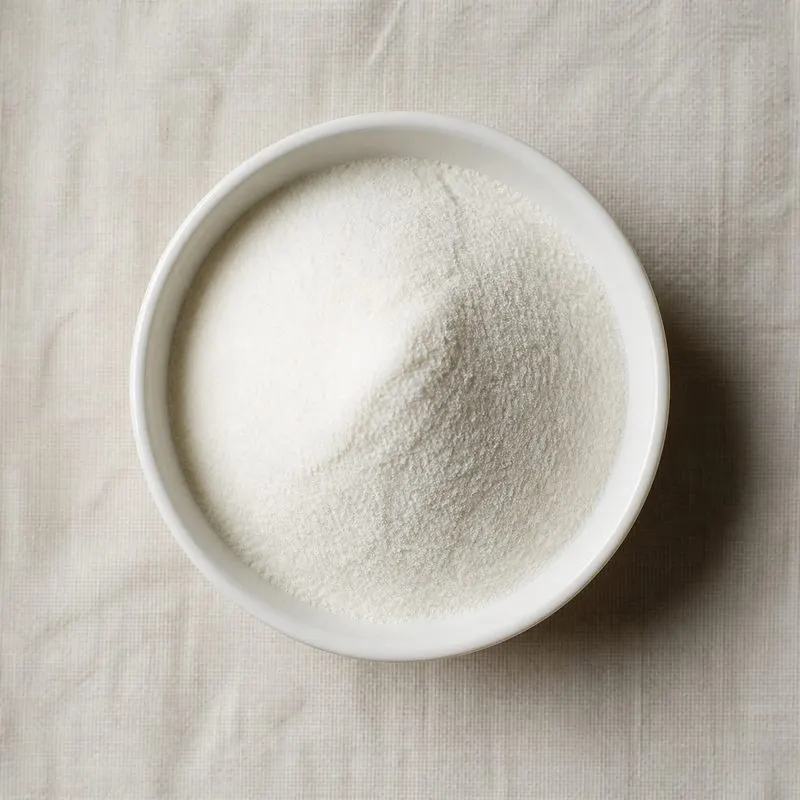
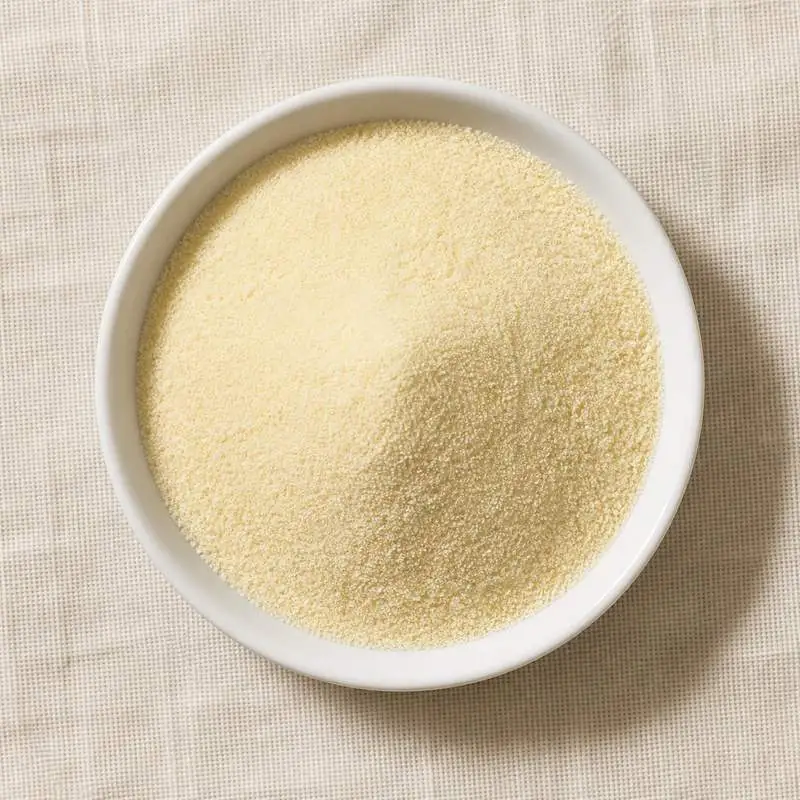
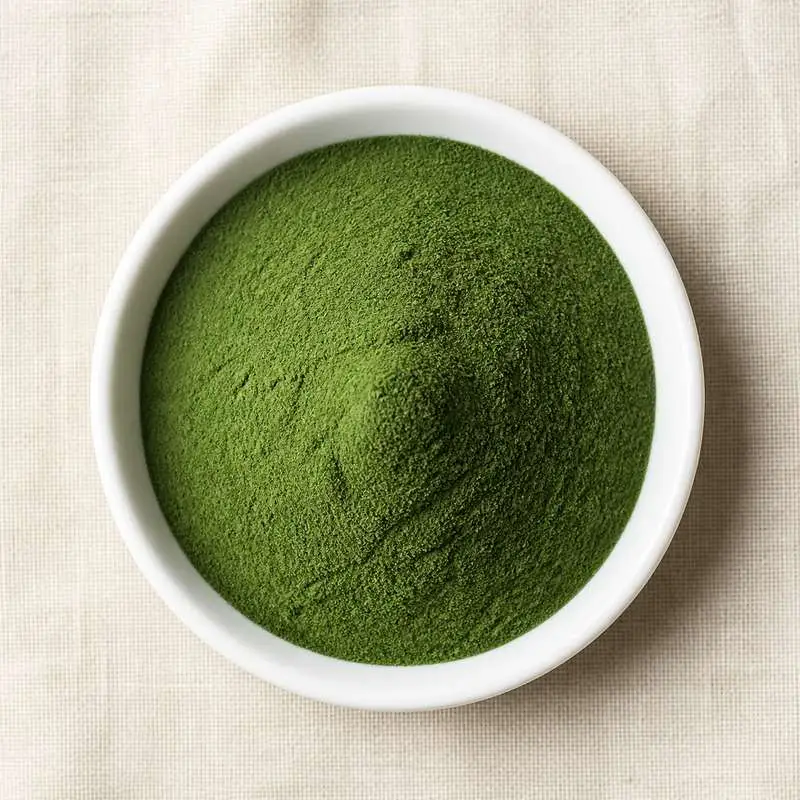
| Appearance | Green fine free-flowing powder |
| Protein (N×6.25, dry basis) | ≥ 75.0% |
| Peptide Content (< 2,000 Da) | ≥ 80.0% |
| Chlorophyll | ≥ 1.0% |
| Moisture | ≤ 7.0% |
| Ash | ≤ 7.0% |
| Fat | ≤ 3.0% |
| pH (1% solution) | 5.5–7.5 |
| Solubility | ≥ 90.0% |
| Heavy Metals (as Pb) | ≤ 2 mg/kg |
| Lead (as Pb) | ≤ 1 mg/kg |
| Arsenic (as As) | ≤ 1 mg/kg |
| Total Plate Count | ≤ 10,000 CFU/g |
| Yeast & Mold | ≤ 100 CFU/g |
| E. coli | Negative/g |
| Salmonella | Negative/25g |
| Purity (Food Grade) | ≥ 90% |
| Viscosity | < 50 mPa.s |
| Moisture/Loss on Drying | < 8% |
| Particle Size/Mesh | 80 mesh |
Common Markets Grades
Chlorella Active Peptide is graded by protein content, peptide molecular weight, and the residual chlorophyll level.
Standard food grade typically delivers 60 to 80 percent protein on a dry basis, with most peptides below 5000 Daltons and a deep green colour from retained chlorophyll. This grade is used in tablets, capsules, and savory applications where the colour is acceptable.
Decolorised grade is processed through activated carbon and additional filtration to deliver a lighter, beige to pale green powder suitable for beverages and clear capsules. Protein content rises to 80 to 90 percent after chlorophyll and lipid removal.
Oligopeptide grade targets average molecular weight below 1000 Daltons and is the preferred format for premium tonic drinks and clinical nutrition.
Applications
- Capsule and tablet supplements positioned around immune support and general wellness
- Functional shots and tonic beverages in the Japanese and Chinese health food channels
- Plant-based protein blends combined with pea, rice, or hemp protein
- Meal replacement powders and superfood smoothie mixes
- Sports nutrition recovery products marketed on plant-source claims
- Clinical and elderly nutrition where an easily absorbed plant protein is preferred
- Skincare essences and creams in the marine and algal biotech segment
- Functional jellies and gummies in the beauty-from-within category
- Pet supplements for general wellness in cats, dogs, and aquarium fish
- Aquaculture feed for shrimp larvae and ornamental fish where chlorella peptides act as both protein and attractant
Brands Using Chlorella Active Peptide
Widely-distributed consumer products that list Chlorella Active Peptide on the ingredient label.
- Sun ChlorellaSun Wakasa Gold Plus (CGF concentrate) ↗A liquid Chlorella Growth Factor concentrate from broken-cell-wall chlorella, supplying chlorella-derived active peptides, nucleic acids and amino acids.Label verified 2026-05-24
- Sun ChlorellaSun Wakasa CGF Liquid (Honey & Plum) ↗Standard CGF essence drink (15 ml serving = CGF from ~200 billion chlorella cells); the CGF concentrate is the primary commercial form of chlorella's bioactive peptide fraction.Label verified 2026-05-24
Brand names, product names and logos are the property of their owners. They appear here as published evidence that the ingredient is used, taken from the brand's own label or website. Their appearance is not an endorsement, and it does not mean the brand buys from us or from any manufacturer listed on this site.
China Manufacturers of Chlorella Active Peptide
Top Chlorella Active Peptide manufacturers in China.

Company names and logos are the property of the manufacturers themselves. They are listed here because our own directory records them as producing this ingredient. A listing is not an endorsement by them, and we do not represent them or speak on their behalf.
How We Help Source Chlorella Active Peptide
Direct Factory Sourcing
We run the whole process: selecting the manufacturer from the top Chinese food ingredient producers, negotiating the price, verifying quality, and coordinating the logistics. You deal with us instead of with several factories at once.
Original Packaging and Documents from the Manufacturer
The manufacturer sends your Chlorella Active Peptide out of its own factory in the original packing, through to your destination port. The COA, COO, MSDS, TDS and any certifications reach you from the manufacturer as well.
Free Samples and Lead Time
We send 100 to 500 g free for your own laboratory to test and you cover only the courier, usually within 2 to 3 working days. ETD is usually within 7 to 15 days once the order is confirmed, and we check that date against the factory's own manufacturing schedule before we give it to you.
Combined Shipment
We can load Chlorella Active Peptide together with other ingredients such as Collagen Peptide, Soy Protein Isolate and Fish Collagen Peptide into one 20' FCL. If your quantity is small, we can also ship LCL.
Regulatory Status
Chlorella as a whole-cell food has a long history of use in Japan, Korea, Taiwan, and mainland China, and is generally accepted as a conventional food in those markets.
In China, Chlorella pyrenoidosa is listed as a permitted food raw material, and several chlorella peptide products carry Blue Hat health-food registrations.
The United States treats chlorella biomass and its hydrolysates as food ingredients with self-affirmed GRAS, with several specific GRAS notices on file.
The European Union has accepted Chlorella vulgaris and Chlorella pyrenoidosa biomass on the basis of pre-1997 food use. Peptide hydrolysates from these species are generally treated as food, although operators may seek individual confirmation depending on the production process.
The ingredient is naturally suitable for vegetarian and vegan positioning, and is widely certified Halal and Kosher.
Manufacturing Process
Production starts with cultivated chlorella biomass, grown either in open raceway ponds or in closed photobioreactors. Major production regions include Taiwan, mainland China, Japan, and Germany.
The harvested cells are washed and concentrated. Cell wall disruption is the critical first step, since intact chlorella cell walls limit access to the internal protein and reduce the digestibility of the finished peptide. Bead milling, high-pressure homogenisation, and enzymatic cell wall digestion with cellulases are the standard methods.
The disrupted slurry is then hydrolysed with food-grade proteases. Alcalase, neutrase, papain, and bromelain are common, used singly or in combination to reach the target degree of hydrolysis.
After heat inactivation, the hydrolysate is centrifuged and filtered. Optional decolorisation with activated carbon removes most of the chlorophyll. The clarified peptide stream is concentrated under vacuum and spray-dried, yielding a powder ranging from deep green to pale beige depending on the level of decolorisation.