Cinnamon Bark Extract
Cinnamon Bark Extract is a standardised botanical concentrate prepared from the dried inner bark of Cinnamomum cassia Blume or Cinnamomum verum J. Presl, marketed for its non-volatile phenolic fraction rather than its aromatic oil.
The active profile is dominated by type A procyanidin oligomers, cinnamic acid derivatives, and the methylhydroxychalcone polymer (MHCP) family, which has attracted attention for its influence on postprandial glucose metabolism.
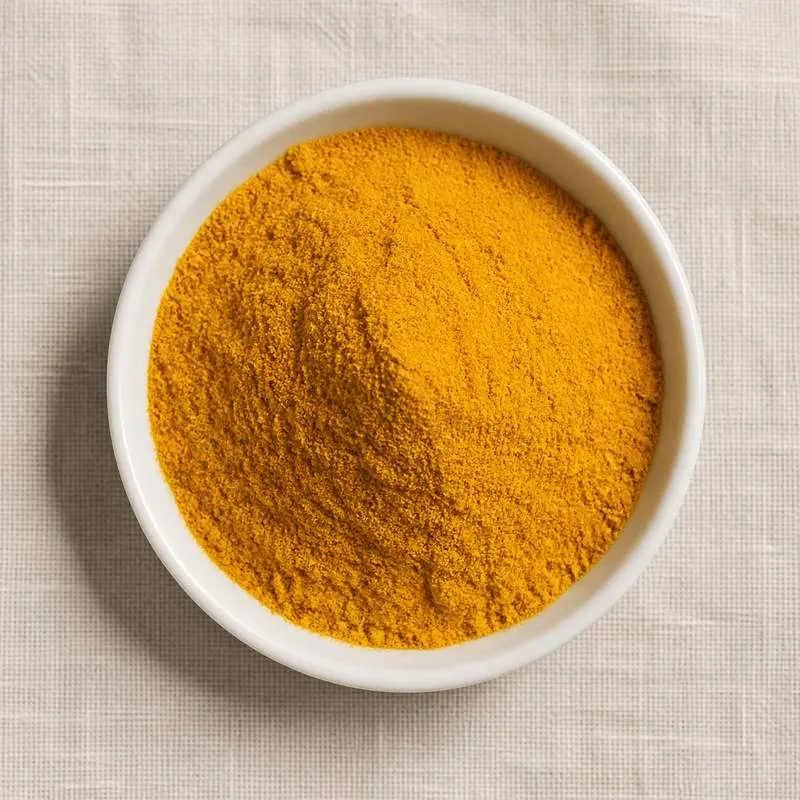
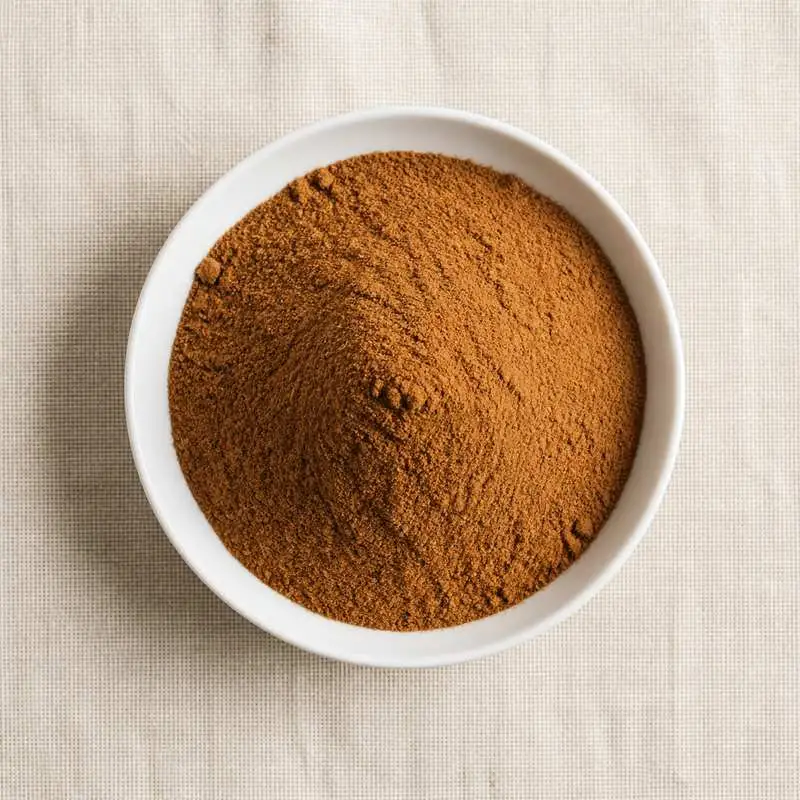
Powders are typically tan to reddish brown with the characteristic warm cinnamon aroma carried over from residual aromatics.
We source bulk Cinnamon Bark Extract from top China manufacturers for our partners. The manufacturer is in Shaanxi. A smaller requirement can ship in a combined container with other ingredients.
Please send the grade you need, the volume and your destination port, and we will come back with a solution and a price.
or call +86-21-6858 0751
- Packaging
- 25 kg fibre drum with double PE liner
- ISO 9001
- HACCP
- Halal
- Kosher
Specifications
Grades / Types Available: Food Grade, Pharmaceutical Grade
| Item | Specification |
|---|---|
| Appearance | Brown to dark brown fine powder |
| Polyphenols (UV) | 10–40% |
| Moisture | ≤5.0% |
| Ash | ≤5.0% |
| Extraction Solvent | Water / ethanol |
| Ratio | 10:1 to 20:1 |
| Coumarin | ≤100 mg/kg (grade-dependent) |
| Particle Size (80 mesh) | ≥95% |
| Heavy Metals (as Pb) | ≤2 mg/kg |
| Total Plate Count | ≤10,000 cfu/g |
| Salmonella | Absent in 25g |
| Purity (Cinnamon Polyphenols) | 10%-30% |
Common Markets Grades
Cinnamon Bark Extract runs to several standardisation tiers, each keyed to the analytical target.
The mass-market food grade is a 4:1 to 10:1 native ratio extract, water or hydroethanolic, with no marker assay beyond a loss-on-drying and polyphenol total by Folin-Ciocalteu.
Supplement grades are commonly standardised to 10 percent or 20 percent total polyphenols. Higher tiers reach 30 percent polyphenols with parallel control on type A procyanidins by HPLC.
The highest grades quantify type A polymers at 0.5 percent to 3 percent, sometimes branded as MHCP-enriched fractions, and report coumarin content separately for risk management on cassia-source material.
Carrier-loaded spray-dried versions on maltodextrin or gum arabic are produced for tablet and stick-pack formats. Solvent-free water extracts exist where ethanol residues are restricted.
Applications
- Glucose-management dietary supplements in capsule, tablet, and stick-pack formats
- Metabolic syndrome and weight-management combination products with chromium or berberine
- Functional beverages and shots positioned around post-meal balance
- Sports nutrition pre-workout and recovery blends targeting insulin sensitivity
- Herbal tea sachets and instant infusions with a warming sensory profile
- Functional baked goods, granola, and breakfast cereals at low inclusion rates
- Savory seasoning blends where a concentrated cinnamon backbone is needed without added oil
- Oral care lozenges and breath products using the antimicrobial polyphenol fraction
- Topical cosmetic serums targeting skin barrier and microcirculation claims
- Animal nutrition premixes for poultry and ruminant gut-health programs
- Traditional Chinese medicine and Ayurvedic finished-product manufacturing
- Natural antioxidant addition in lipid-rich foods
Brands Using Cinnamon Bark Extract
Widely-distributed consumer products that list Cinnamon Bark Extract on the ingredient label.
- NOW FoodsCinnamon Bark 600 mg Veg Capsules ↗NOW Foods' official Cinnamon Bark 600 mg veg capsule product page positions cinnamon bark extract for healthy glucose metabolism and supports blood sugar levels already in the normal range.Label verified 2026-05-24
- Nature's WayCinnamon Premium Extract Capsules (standardized to 8% flavonoids) ↗A cinnamon bark extract standardised to 8% flavonoids.Label verified 2026-05-24
- Gaia HerbsCinnamon Bark Liquid Phyto-Caps ↗The brand's Cinnamon Bark collection sells dual-extracted (CO2 plus water and alcohol) cinnamon bark extract in Liquid Phyto-Caps.Label verified 2026-05-24
- Sundown NaturalsCinnamon 1000 mg Capsules ↗Capsules supplying 1,000 mg cinnamon bark (Cinnamomum burmannii).Label verified 2026-05-24
Brand names, product names and logos are the property of their owners. They appear here as published evidence that the ingredient is used, taken from the brand's own label or website. Their appearance is not an endorsement, and it does not mean the brand buys from us or from any manufacturer listed on this site.
China Manufacturers of Cinnamon Bark Extract
Top Cinnamon Bark Extract manufacturers in China.

Company names and logos are the property of the manufacturers themselves. They are listed here because our own directory records them as producing this ingredient. A listing is not an endorsement by them, and we do not represent them or speak on their behalf.
How We Help Source Cinnamon Bark Extract
Direct Factory Sourcing
We run the whole process: selecting the manufacturer from the top Chinese food ingredient producers, negotiating the price, verifying quality, and coordinating the logistics. You deal with us instead of with several factories at once.
Original Packaging and Documents from the Manufacturer
The manufacturer sends your Cinnamon Bark Extract out of its own factory in the original packing, through to your destination port. The COA, COO, MSDS, TDS and any certifications reach you from the manufacturer as well.
Free Samples and Lead Time
We send 100 to 500 g free for your own laboratory to test and you cover only the courier, usually within 2 to 3 working days. ETD is usually within 7 to 15 days once the order is confirmed, and we check that date against the factory's own manufacturing schedule before we give it to you.
Combined Shipment
We can load Cinnamon Bark Extract together with other ingredients such as Astaxanthin, Dehydrated Garlic and Lutein into one 20' FCL. If your quantity is small, we can also ship LCL.
Regulatory Status
Cinnamon bark is recognised as a culinary spice and traditional botanical across major jurisdictions, and extracts inherit that long history of food use.
In the European Union, cinnamon extracts are notified as food ingredients and as flavouring preparations under Regulation (EC) No 1334/2008. Coumarin carries a specific maximum level in finished foods under Annex III of the same regulation, which limits how much cassia-source material can go into baked goods and breakfast cereals.
In the United States the bark and its extracts are generally recognized as safe for use as spice and flavouring under 21 CFR 182.10 and 182.20. Dietary-supplement use proceeds under DSHEA with standard cGMP requirements.
The European Pharmacopoeia carries monographs for Cinnamomi cortex and its essential oil. Ceylon cinnamon and cassia are separately monographed in several national pharmacopoeias.
Halal and Kosher certifications are routinely available, and organic-certified material is produced from contracted Sri Lankan and Vietnamese growers.
Manufacturing Process
Manufacture begins with selection of dried bark quills sorted by species and origin. Cassia bark from Guangxi, Guangdong, and Vietnam dominates supply by tonnage, while Ceylon bark from Sri Lanka serves the low-coumarin segment.
The bark is milled to a coarse meal and extracted in stirred tanks with water, ethanol-water mixtures, or in some cases acetone-water. Temperature is held in the 50 to 80 degree Celsius range to bring the polyphenols into solution while limiting volatile loss.
The crude extract is filtered, then often passed across macroporous resin to enrich the procyanidin fraction and strip sugars and minerals. Eluate is concentrated under vacuum.
Concentrates are blended with a carrier where required, then spray dried or vacuum-belt dried to a free-flowing powder. Final assay by HPLC against type A trimer markers and Folin total polyphenol determines grade.
Coumarin is monitored on every cassia batch by GC or HPLC to manage the regulatory ceiling that applies in several finished-product categories.