Cinnamon Extract
Cinnamon extract is a concentrate of the bark of Cinnamomum species, most commonly the cassia barks Cinnamomum cassia and Cinnamomum burmannii, prepared either for its aroma or for its polyphenol content, and the two purposes give very different products from the same raw material.
Flavour grades concentrate the volatile fraction, which is dominated by cinnamaldehyde with cinnamyl acetate, coumarin and, in Ceylon material, eugenol. These come as steam distilled essential oil or as solvent extracted oleoresin, oil soluble, intensely aromatic and dosed at fractions of a percent. Supplement grades concentrate the water soluble fraction instead, in which the markers are A type proanthocyanidins, doubly linked procyanidin polymers that are relatively unusual among food plants, together with cinnamic acid derivatives and a mucilage fraction.
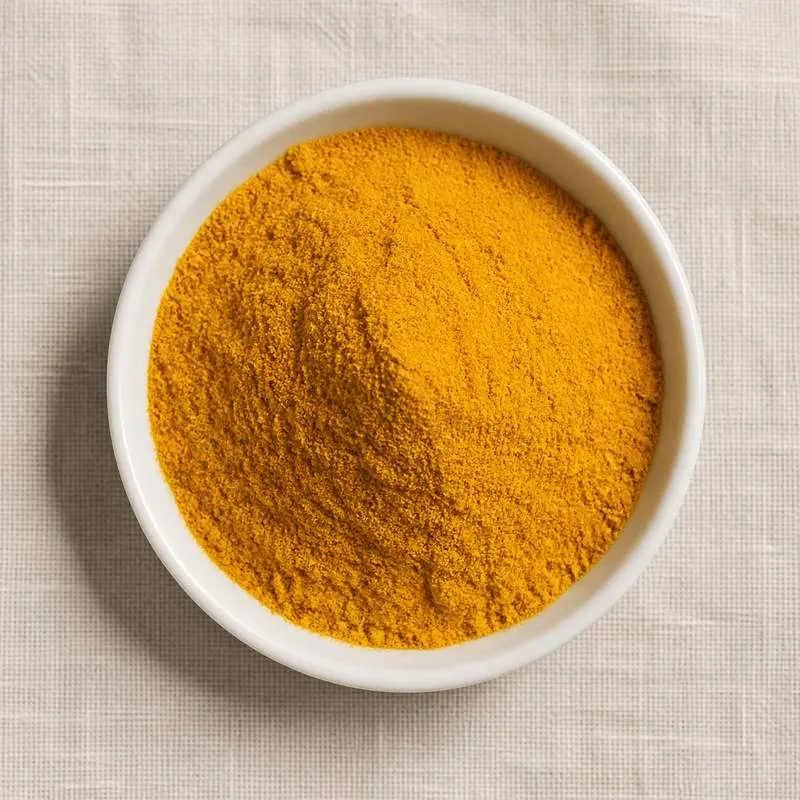
Powdered extract is a brown to reddish brown solid with a warm spicy odour and an astringent, slightly sweet taste. Water and hydroalcoholic extracts disperse or dissolve in water depending on the polymer chain length, while the oleoresin is oil soluble and needs emulsification for aqueous systems. Coumarin content follows the botanical source directly, so a cassia based extract carries appreciably more than a Ceylon based one and the specification states which was used.
We source bulk Cinnamon Extract from top China manufacturers for our partners. The manufacturer is in Henan. A smaller requirement can ship in a combined container with other ingredients.
Please send the grade you need, the volume and your destination port, and we will come back with a solution and a price.
or call +86-21-6858 0751
- Function
- Plant extract
Specifications
| Item | Specification |
|---|---|
| Appearance | Brown to reddish brown fine powder |
| Botanical Source | Cinnamomum cassia bark |
| Odour and Taste | Warm spicy odour, astringent and slightly sweet |
| Identification | HPLC profile conforming to cinnamon bark reference |
| Extract Ratio | 10:1 (dried bark to extract) |
| Total Polyphenols | ≥ 20.0% (UV, as gallic acid) |
| Type A Proanthocyanidins | ≥ 5.0% |
| Coumarin | ≤ 500 mg/kg |
| Particle Size | ≥ 95% through 80 mesh |
| Loss on Drying | ≤ 5.0% |
| Total Ash | ≤ 6.0% |
| Residual Ethanol | ≤ 0.5% |
| Lead | ≤ 1.0 mg/kg |
| Arsenic | ≤ 1.0 mg/kg |
| Total Plate Count | ≤ 10,000 cfu/g |
| Yeast and Mould | ≤ 500 cfu/g |
| Escherichia coli | Negative in 1 g |
| Salmonella | Negative in 25 g |
Common Markets Grades
Flavour grades are quoted on volatile oil per hundred grams and on cinnamaldehyde by gas chromatography, with bark oil running at 60 to 80 percent cinnamaldehyde and oleoresin typically at 20 to 50 millilitres of volatile oil per hundred grams. Leaf oil of the same genus is a separate item, eugenol dominant rather than cinnamaldehyde dominant, and is not interchangeable with bark oil.
Supplement grades are quoted as ratio extracts at 4:1, 10:1 and 20:1, on total polyphenols at 10, 20 or 30 percent by the colourimetric method, or on type A proanthocyanidins where that is the formulation basis. Water only extracts are traded separately from hydroalcoholic ones because the water route leaves most of the coumarin behind in the marc, which is the point of using it. Every specification for the category should state the coumarin figure and the species. Powders are sold carrier free or on maltodextrin at 80 mesh, with granulated versions for tabletting, and organic certified material is available in both flavour and supplement grades.
Applications
- Bakery goods, where the extract or oleoresin gives even cinnamon character without the specks and variability of ground bark
- Beverages including chai concentrates, flavoured coffee and mulled drink bases
- Confectionery and chewing gum, using the essential oil for a strong clean cinnamaldehyde note
- Dairy desserts, ice cream and yoghurt, dosed as an emulsified flavour
- Savoury spice systems and sauces in Middle Eastern, North African and Chinese cooking
- Blood sugar positioned supplements, dosed on the declared polyphenol or proanthocyanidin figure
- Functional beverages and shots, using a water dispersible extract with a low coumarin figure
- Oral care products, where cinnamaldehyde is a long established toothpaste and mouthwash flavour
- Natural preservation systems, which rest on the antimicrobial behaviour of cinnamaldehyde in surface treatments and packaging
Brands Using Cinnamon Extract
Widely-distributed consumer products that list Cinnamon Extract on the ingredient label.
Brand names, product names and logos are the property of their owners. They appear here as published evidence that the ingredient is used, taken from the brand's own label or website. Their appearance is not an endorsement, and it does not mean the brand buys from us or from any manufacturer listed on this site.
China Manufacturers of Cinnamon Extract
Top Cinnamon Extract manufacturers in China.
Company names and logos are the property of the manufacturers themselves. They are listed here because our own directory records them as producing this ingredient. A listing is not an endorsement by them, and we do not represent them or speak on their behalf.
Regulatory Status
In the United States, cinnamon is generally recognised as safe as a spice under 21 CFR 182.10, and the listing of essential oils, oleoresins and natural extractives of spices under 21 CFR 182.20 covers cinnamon bark oil and oleoresin. Cinnamon preparations are recognised flavouring materials of the Flavour and Extract Manufacturers Association. Cinnamon supplement extracts are dietary ingredients under the Dietary Supplement Health and Education Act with manufacture under 21 CFR Part 111, and the Food and Drug Administration has issued advisories on lead found in some cinnamon products, so heavy metal testing is expected on the category.
In the European Union cinnamon extracts are flavouring preparations under the flavourings regulation rather than food additives, so no E number applies. Coumarin may not be added to food as such, and the Union sets maximum levels for coumarin in specified cinnamon containing foods, which is the constraint that drives species choice and extraction route for this ingredient. Extraction solvents are governed by the Union directive on extraction solvents used in the production of foodstuffs. Codex addresses cinnamon through its spice commodity standard and the flavourings framework, and JECFA has evaluated cinnamaldehyde and coumarin within its flavouring and contaminant work rather than issuing an additive specification for the extract.
Manufacturing Process
Dried bark, in the form of quills, quillings, chips or featherings, is cleaned and milled. For essential oil the milled bark is steam distilled, the vapours condensed, and the oil separated from the aqueous distillate in a decanter. Because cinnamaldehyde is denser than water and partly soluble in it, the distillate is cohobated, that is returned to the still, or solvent extracted to recover the dissolved portion, and the combined oil is dried and filtered. For oleoresin the milled bark is extracted with ethanol or supercritical carbon dioxide, and the miscella is desolventised in a falling film evaporator followed by a thin film evaporator under high vacuum, at a temperature low enough to keep the volatile oil in the product.
Supplement grades take a different route. The milled bark is extracted with hot water, or with dilute ethanol where a broader phenolic profile is wanted, and the liquor is separated from the marc by pressing and decanting, clarified by centrifugation and filtration, and where a defined assay is needed passed over a macroporous adsorption resin. The purified liquor is concentrated under vacuum at low temperature and spray dried, alone or onto maltodextrin. Coumarin is monitored through the process, since the water route leaves most of it behind while an ethanolic route carries it forward.