Citicoline
Citicoline is the nucleotide cytidine 5 diphosphocholine, commonly abbreviated CDP choline, a naturally occurring intermediate in the Kennedy pathway by which cells build phosphatidylcholine for their membranes. The molecule joins a cytidine nucleoside through a pyrophosphate bridge to a choline head group, and it is traded both as the free base and as the sodium salt.
In supplements and medical nutrition it functions as a delivery form for choline and cytidine together. After oral dosing it is hydrolysed in the gut wall and liver to cytidine and choline, which circulate separately and are re assembled intracellularly, so the compound supplies substrate both for acetylcholine synthesis and for membrane phospholipid turnover. It has been used in Europe and Japan as a prescription agent in stroke and cognitive indications and is sold as a dietary supplement ingredient in the United States.
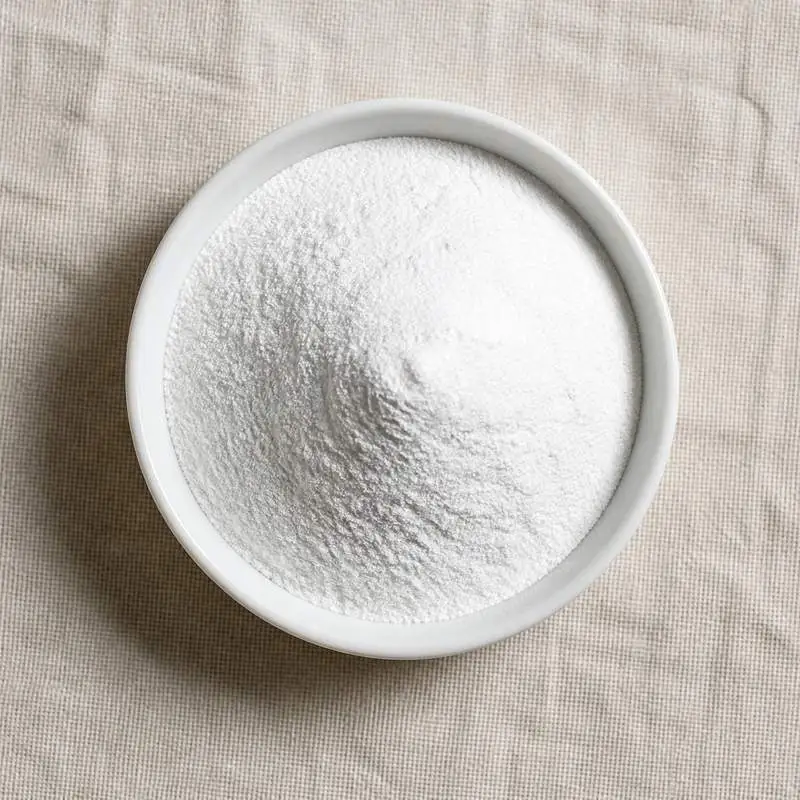
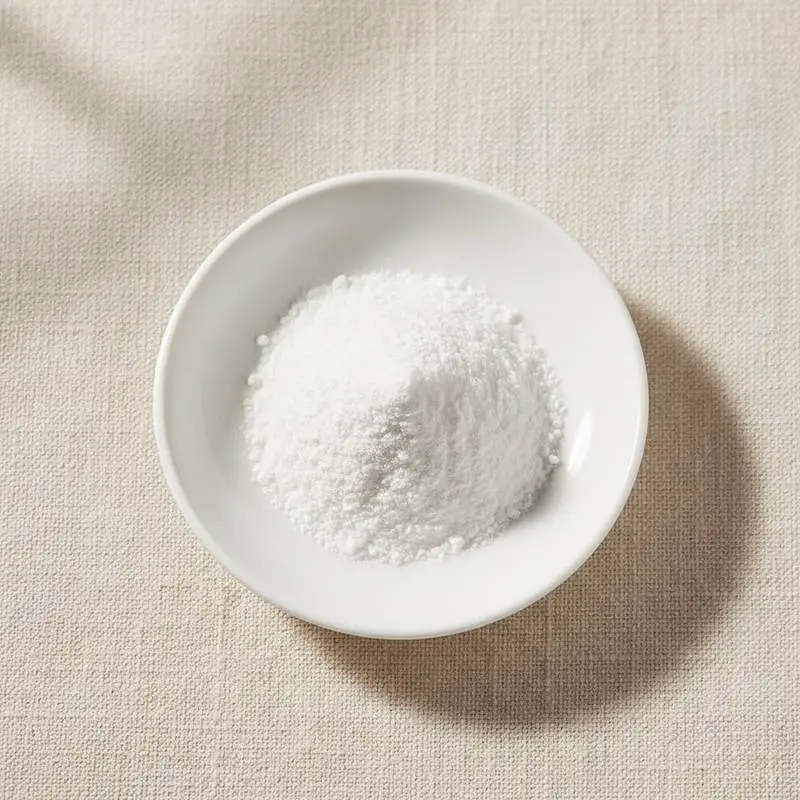
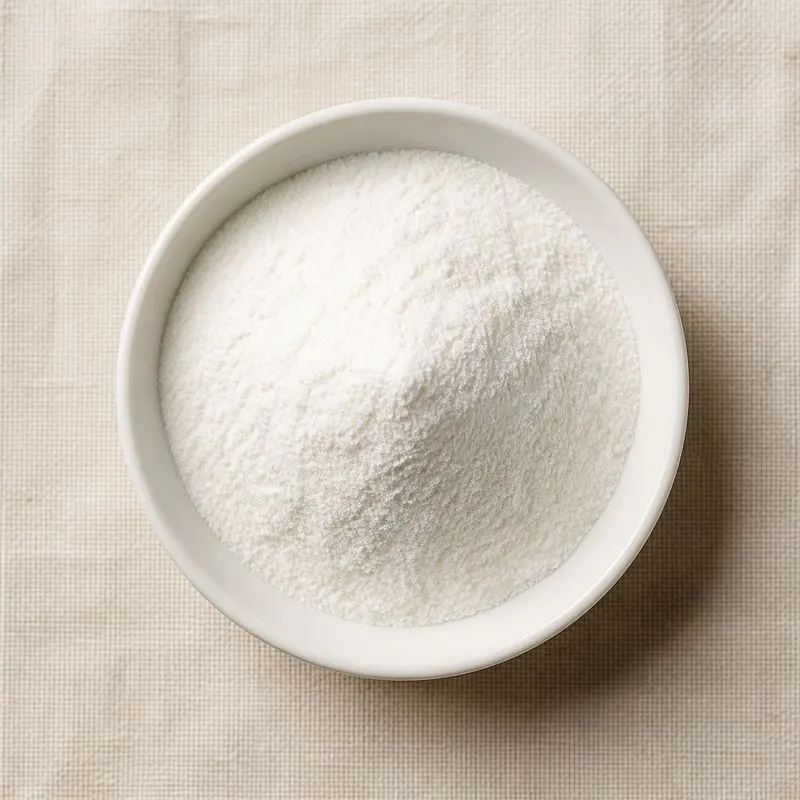
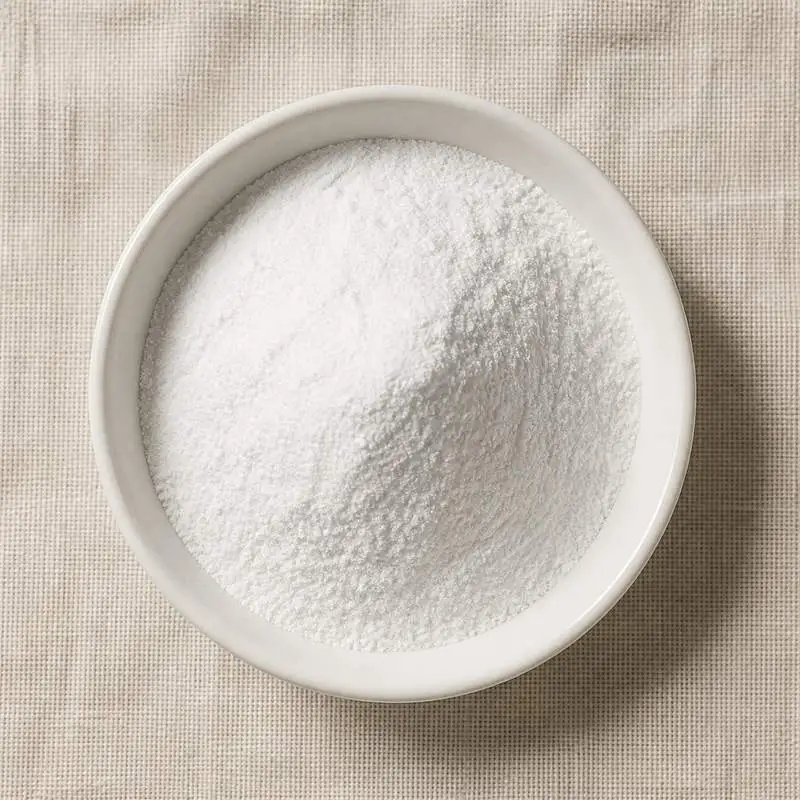
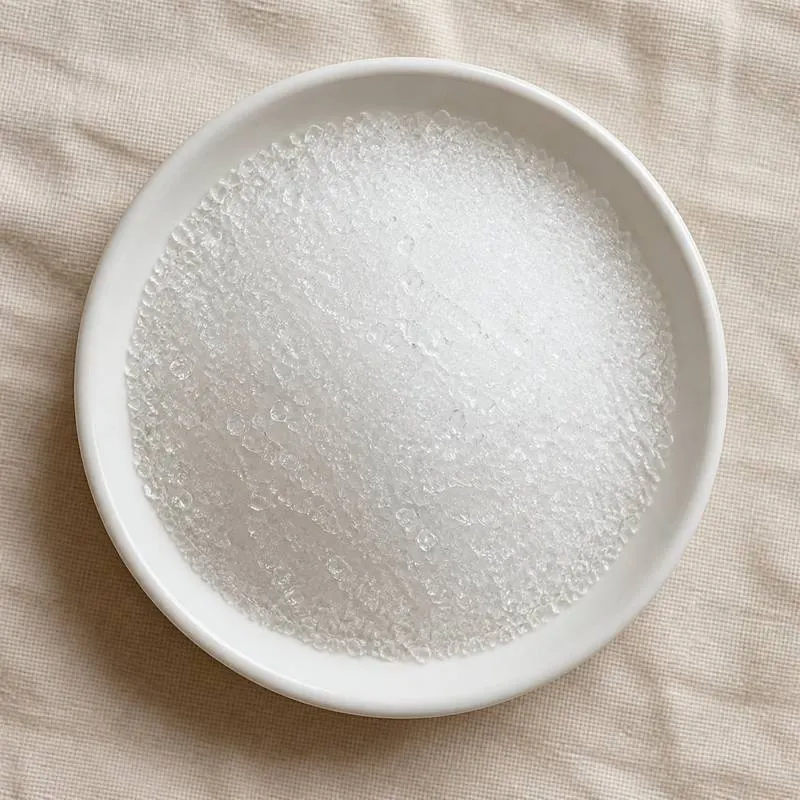
Commercial material is a white to off white crystalline powder or a granular solid, freely soluble in water and practically insoluble in ethanol and most organic solvents. It is markedly hygroscopic, taking up atmospheric moisture and caking readily, so it is packed in foil laminate bags with desiccant and handled in low humidity rooms. In aqueous solution it is stable near neutral pH but hydrolyses at the pyrophosphate bridge under strongly acidic or alkaline conditions.
We source bulk Citicoline from top China manufacturers for our partners, working with several of them. The manufacturers are in Anhui, Guangdong and Shaanxi. A smaller requirement can ship in a combined container with other ingredients.
Please send the grade you need, the volume and your destination port, and we will come back with a solution and a price.
or call +86-21-6858 0751
- Function
- Nutraceutical
Specifications
| Item | Specification |
|---|---|
| Appearance | White to off white crystalline powder |
| Assay (on anhydrous basis) | Not less than 98.0 percent |
| Identification | Infrared spectrum and HPLC retention conform to reference |
| Specific Optical Rotation | Plus 19.0 to plus 21.0 degrees |
| pH (1 percent solution) | 2.5 to 4.5 free base, 6.0 to 8.0 sodium salt |
| Loss on Drying | Not more than 5.0 percent |
| Residue on Ignition | Not more than 0.2 percent, free base |
| Related Substances | Any single impurity not more than 0.5 percent |
| Residual Ethanol | Not more than 5000 mg/kg |
| Lead | Not more than 1 mg/kg |
| Arsenic | Not more than 1 mg/kg |
| Heavy Metals (as Pb) | Not more than 10 mg/kg |
| Total Plate Count | Not more than 1000 cfu/g |
| Yeast and Mould | Not more than 100 cfu/g |
| E. coli | Absent in 1 g |
| Salmonella | Absent in 25 g |
Common Markets Grades
Two chemical forms dominate the trade. Citicoline sodium, assaying 98 percent or higher, is the older pharmaceutical form and is the material referenced in most clinical work. Citicoline free base, of equivalent assay, is preferred for dietary supplements because it carries no added sodium and gives a higher citicoline content per unit weight. Conversion between the two on a molar basis is a routine part of formulation, since a claim stated as citicoline must account for the sodium in the salt form.
Beyond the salt distinction, material is graded by manufacturing route and by monograph conformity. Enzymatic or fermentation derived product is the current commercial standard and is specified on residual solvent and nucleotide related substances. Pharmaceutical grade to a national pharmacopoeia monograph is traded separately from food supplement grade, with tighter limits on related substances and microbiological quality. Particle size options run from fine powder for capsule and sachet filling to granulated grades that resist caking and flow better on high speed tabletting lines. A microencapsulated form is offered where moisture pickup in a dry blend would otherwise be a problem.
Applications
- Cognitive support supplements in capsule and tablet form, dosed for attention and memory endpoints
- Nootropic stack formulations, where it is combined with caffeine, L theanine or racetam compounds
- Eye health supplements, where it has been studied in glaucoma and amblyopia protocols
- Sports and energy drinks positioned on focus rather than stimulation, using the freely soluble powder
- Medical foods and clinical nutrition for older adults with age related cognitive decline
- Prescription and over the counter neurological preparations in markets where it is registered as a drug
- Functional beverage powders and stick packs, where the granulated grade resists caking in the sachet
- Gummies and chewable formats, where the free base form avoids a sodium contribution to the nutrition panel
- Combination formulas with B vitamins and phospholipids aimed at membrane and neurotransmitter support
Brands Using Citicoline
Widely-distributed consumer products that list Citicoline on the ingredient label.
Brand names, product names and logos are the property of their owners. They appear here as published evidence that the ingredient is used, taken from the brand's own label or website. Their appearance is not an endorsement, and it does not mean the brand buys from us or from any manufacturer listed on this site.
China Manufacturers of Citicoline
Top Citicoline manufacturers in China.
 Anhui Gsh Bio-technology Co., Ltd.5 ingredients in the directory
 Hygieia17 ingredients in the directory
 Sanyuanlihua Bio-tech Co., Ltd.13 ingredients in the directory
Company names and logos are the property of the manufacturers themselves. They are listed here because our own directory records them as producing this ingredient. A listing is not an endorsement by them, and we do not represent them or speak on their behalf.
Regulatory Status
In the United States citicoline is marketed as a dietary ingredient. A commercially produced citicoline has been the subject of a new dietary ingredient notification to the Food and Drug Administration and of a self affirmed generally recognised as safe determination for use in conventional foods and beverages, and it is sold under the dietary supplement framework with structure function claims rather than disease claims. It is not approved as a drug in the United States.
In the European Union citicoline for food supplement use was authorised as a novel food following a European Food Safety Authority opinion, with conditions attached covering the target population and the maximum daily amount specified in the Union list of novel foods. It is not a food additive and holds no E number. In several European and Asian countries, including Spain, Italy and Japan, citicoline is registered as a medicinal product for cerebrovascular and cognitive indications, so the same substance is regulated as a drug in some markets and as a supplement ingredient in others. Codex and JECFA have not established specifications for it.
Manufacturing Process
Current industrial production is a biocatalytic route rather than a chemical synthesis. Two general approaches are used. In the enzymatic coupling route, cytidine 5 monophosphate and phosphocholine are joined by a cytidylyltransferase in the presence of an energy donor, with the reaction driven by coupled enzymes that regenerate the nucleotide triphosphate. In the whole cell route, a yeast such as Saccharomyces cerevisiae or an engineered bacterium is fed with cytidine monophosphate, choline chloride and a fermentable sugar, and the cell's own Kennedy pathway enzymes carry out phosphorylation and coupling inside the cell while the sugar regenerates the required triphosphate cofactor.
The reaction broth is heated to stop the conversion and then clarified by centrifugation and microfiltration to remove cells and cell debris. Citicoline is captured from the clarified liquor on an ion exchange resin, washed to strip residual nucleotides and choline, and eluted as a concentrated fraction. The eluate is desalted by nanofiltration or electrodialysis, decolourised on activated carbon, then concentrated under vacuum at low temperature. Crystallisation from an aqueous ethanol system gives the sodium salt or, after acid form conversion on a second resin, the free base. Crystals are separated by centrifuge, washed with cold ethanol, dried under vacuum at low temperature to protect the pyrophosphate bond, then milled or granulated and packed with desiccant under nitrogen.