Citicoline Sodium
Citicoline sodium is the monosodium salt of cytidine 5-diphosphocholine, a nucleotide conjugate of cytidine and choline joined through a pyrophosphate bridge, with CAS number 33818-15-4.
The parent compound is an intermediate the body makes itself in the Kennedy pathway, the route by which cells build phosphatidylcholine for their membranes, which is the basis for its use in cognitive and eye health supplements. Converting the free acid to the sodium salt improves crystallinity and handling and gives a material that can be dried to a stable powder.
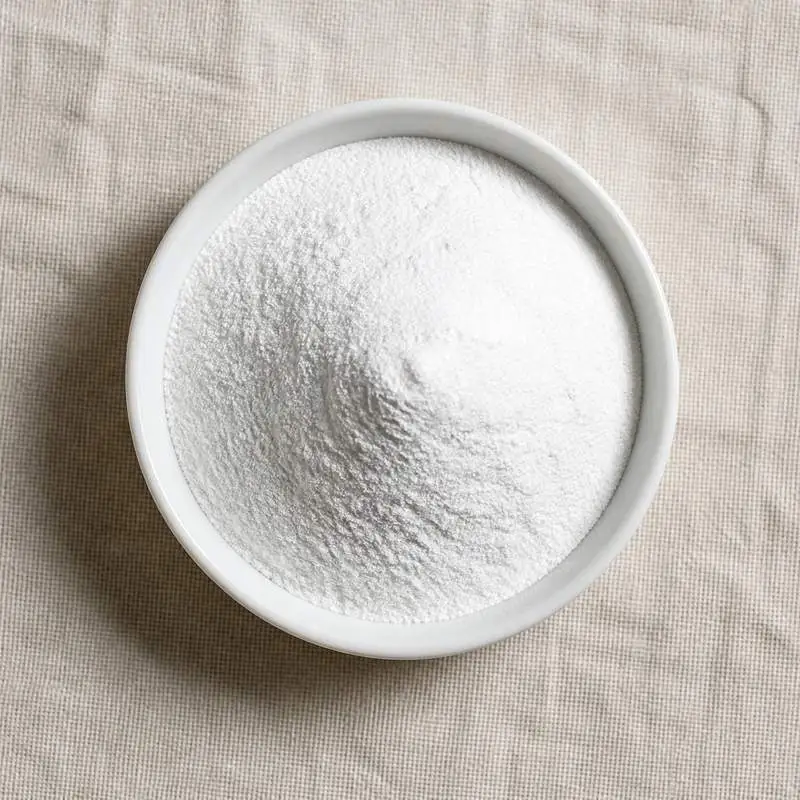
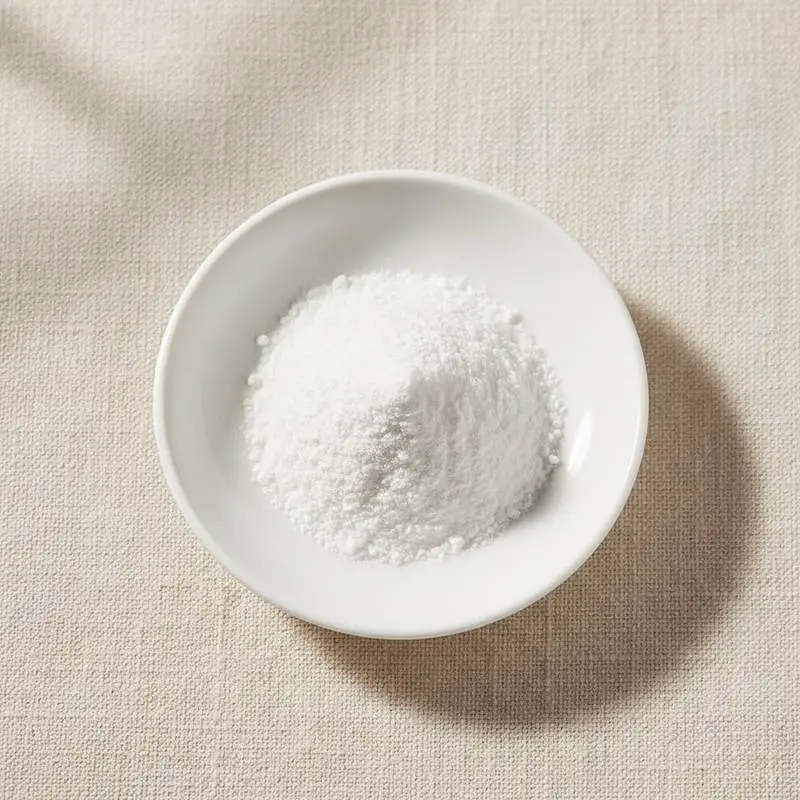
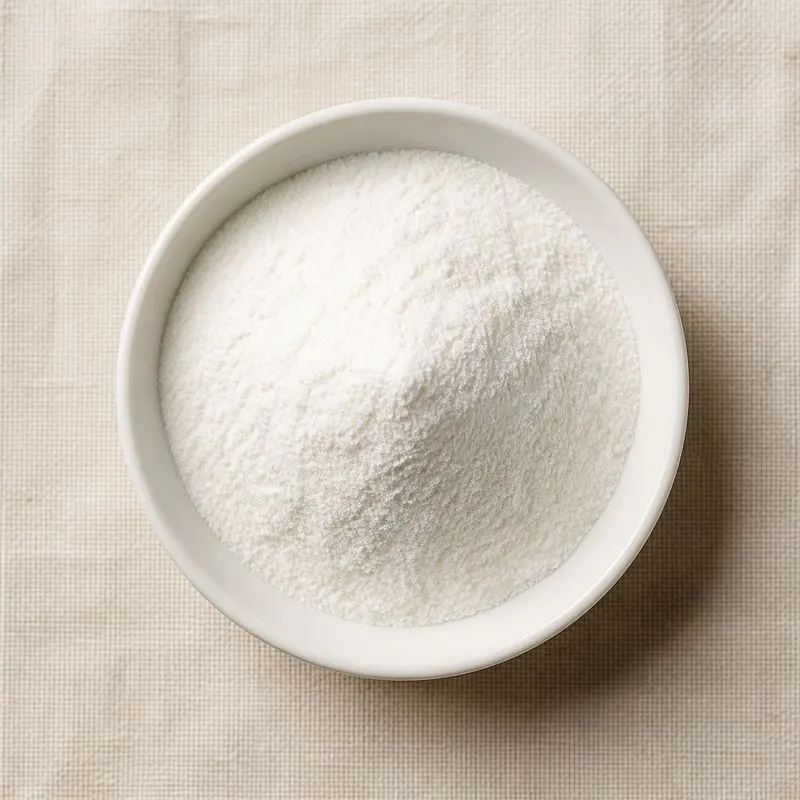
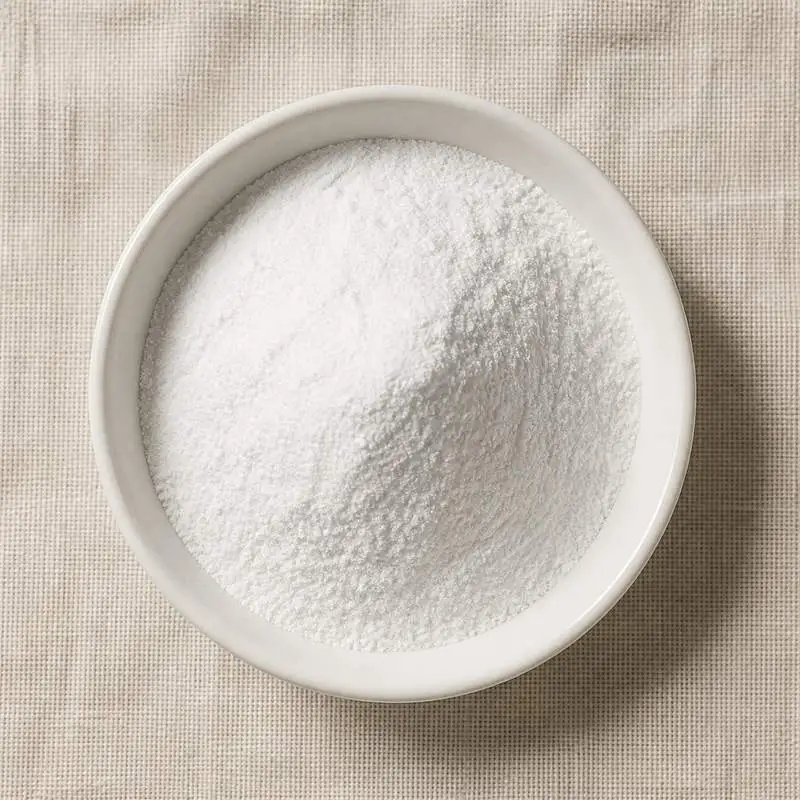
It is a white to off-white crystalline powder with a faintly bitter, saline taste. The salt is freely soluble in water, sparingly soluble in ethanol and practically insoluble in non-polar solvents, and aqueous solutions are close to neutral. Its defining handling problem is hygroscopicity: the powder picks up atmospheric moisture rapidly, cakes, and then hydrolyses at the pyrophosphate bridge, so it is dispensed under controlled humidity, packed in foil laminate with desiccant and formulated into capsules, tablets and dry sachets rather than into long shelf life liquids.
We source bulk Citicoline Sodium from top China manufacturers for our partners. The manufacturer is in Anhui. A smaller requirement can ship in a combined container with other ingredients.
Please send the grade you need, the volume and your destination port, and we will come back with a solution and a price.
or call +86-21-6858 0751
- Function
- Nutraceutical
Specifications
| Item | Specification |
|---|---|
| Appearance | White to off-white crystalline powder |
| Identification | Infrared and ultraviolet spectra conform to reference |
| Assay, anhydrous basis | Not less than 98.0% |
| Related Substances, total | Not more than 1.0% |
| Free Choline | Not more than 0.5% |
| Loss on Drying | Not more than 5.0% |
| pH, 1% solution | 6.5 to 8.5 |
| Residue on Ignition | Not more than 0.3% |
| Residual Ethanol | Not more than 0.5% |
| Lead | Not more than 1.0 mg/kg |
| Arsenic | Not more than 1.0 mg/kg |
| Total Plate Count | Not more than 1,000 CFU/g |
| E. coli | Absent in 1 g |
| Salmonella | Absent in 25 g |
Common Markets Grades
Two grades are traded. Pharmaceutical grade meeting the relevant pharmacopoeial monograph assays 98 percent or higher on the anhydrous basis, with tight limits on related substances such as free cytidine monophosphate and choline, on residual solvents and on heavy metals, and is used in registered oral and injectable preparations in the markets that license them. Supplement grade sits at a similar assay but with a less demanding impurity profile and is the volume product for nutraceutical use.
Physical form is the practical variable. A fine milled powder is used for capsule filling and dry blends, while a granulated grade with improved flow and reduced dust is preferred for direct compression tablets, since the fine powder handles poorly at scale. Coated and microencapsulated versions are used where the ingredient has to be protected from moisture in a mixed premix or where the bitter note needs masking, and low endotoxin material is specified for injectable use.
Applications
- Cognitive support and nootropic capsules, the largest supplement outlet for the ingredient
- Eye health formulations, where it is combined with lutein, zeaxanthin and omega-3
- Energy and focus drink sachets and stick packs, using the soluble powder in a dry mix
- Sports nutrition pre-workout blends positioned on attention and reaction time
- Healthy ageing and memory formulations for older consumers, blended with phosphatidylserine or B vitamins
- Medical nutrition and clinical products used in neurological recovery protocols where registered
- Direct compression tablets and chewables, using the granular grade for flow and compressibility
- Functional gummies, where a coated grade protects the salt against the moisture of the gel base
Brands Using Citicoline Sodium
Widely-distributed consumer products that list Citicoline Sodium on the ingredient label.
- Jarrow FormulasCiticoline (CDP Choline) 250 mg Capsules ↗Capsule whose supplement facts panel reads citicoline (from stabilised cytidine 5'-diphosphocholine) 250 mg, the salt form supplied as citicoline sodium.Label verified 2026-08-31
- Double Wood SupplementsCDP Choline (Citicoline) Capsules 300 mg ↗Capsule listing CDP choline (citicoline) at 300 mg per serving, with third-party assay results published on the page.Label verified 2026-08-31
Brand names, product names and logos are the property of their owners. They appear here as published evidence that the ingredient is used, taken from the brand's own label or website. Their appearance is not an endorsement, and it does not mean the brand buys from us or from any manufacturer listed on this site.
China Manufacturers of Citicoline Sodium
Top Citicoline Sodium manufacturers in China.

Company names and logos are the property of the manufacturers themselves. They are listed here because our own directory records them as producing this ingredient. A listing is not an endorsement by them, and we do not represent them or speak on their behalf.
Regulatory Status
In the United States, citicoline is marketed as a dietary ingredient under the Dietary Supplement Health and Education Act. New dietary ingredient notifications have been filed for it, and at least one commercial citicoline preparation carries a GRAS determination for defined uses in conventional foods and beverages, which is the basis on which it appears in functional drinks rather than only in supplements.
In the European Union, citicoline is an authorised novel food, permitted for use in food supplements and, under separate authorisations, in foods for special medical purposes, with the conditions of use and the specification set out on the Union list. Placing it on the market outside those authorised conditions is not permitted. In several other jurisdictions, including parts of Europe, Asia and Latin America, citicoline is additionally registered as a pharmaceutical for neurological indications, and that registration takes precedence over supplement use in those markets. It is not a food additive, so it carries no E number, and there is no JECFA specification; buyers work to the pharmacopoeial monograph and the manufacturer's dossier.
Manufacturing Process
The industrial route is biocatalytic rather than purely chemical. Whole cells of brewer's yeast, Saccharomyces cerevisiae, are used as the enzyme source because they carry both the kinases needed to phosphorylate choline and the cytidylyltransferase that joins the resulting phosphocholine to a cytidine nucleotide. The cells are grown, harvested and permeabilised, then charged into a reactor with choline chloride, cytidine monophosphate or an orotic acid derived cytidine precursor, a phosphate donor and magnesium ions, and the reaction is run under controlled temperature, pH and aeration until conversion levels off. A parallel chemical route couples cytidine monophosphate with phosphocholine using a condensing agent, and is used where the enzymatic feedstocks are not available.
Downstream purification is what determines the grade. The reaction broth is heated to stop the reaction and then clarified by centrifugation and membrane filtration to strip cells and cell debris. The filtrate is loaded onto ion exchange resin, which separates citicoline from unreacted choline, nucleotides and inorganic phosphate, and the eluate is decolourised on activated carbon and desalted by nanofiltration. The purified solution is adjusted with sodium hydroxide to form the salt, concentrated under vacuum at low temperature to limit hydrolysis, and crystallised by adding ethanol as an antisolvent. Crystals are centrifuged, washed with cold ethanol, dried under vacuum, then milled or granulated, blended and packed with desiccant under low humidity.