Citrulline Alpha-Ketoglutarate
Citrulline alpha-ketoglutarate is an ionic complex of the non protein amino acid L-citrulline with alpha-ketoglutaric acid, usually combined in a two to one molar ratio and traded under the short form CAKG. It is not a single covalent compound but a salt in which the basic amino acid is paired with the dicarboxylic keto acid, so it dissociates into the two components on dissolution.
Both halves have a metabolic rationale. L-citrulline is the intermediate that the kidney converts to L-arginine, and because it escapes the intestinal and hepatic breakdown that removes much of an oral arginine dose it raises plasma arginine more effectively than arginine itself, feeding the nitric oxide pathway. Alpha-ketoglutarate is a citric acid cycle intermediate and a nitrogen acceptor in transamination, and it is the carbon skeleton that accepts ammonia during glutamate formation.
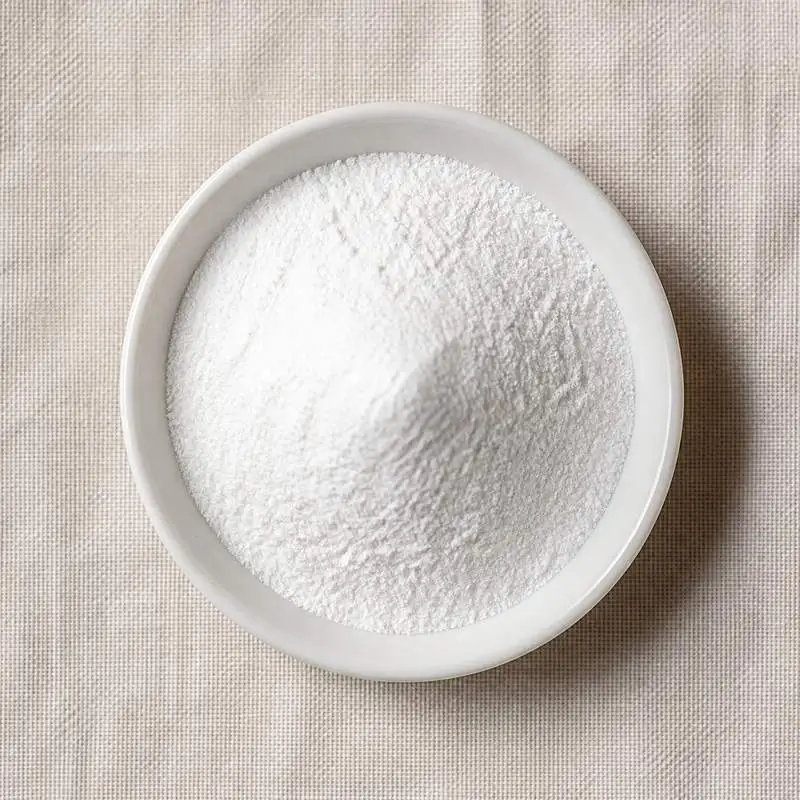
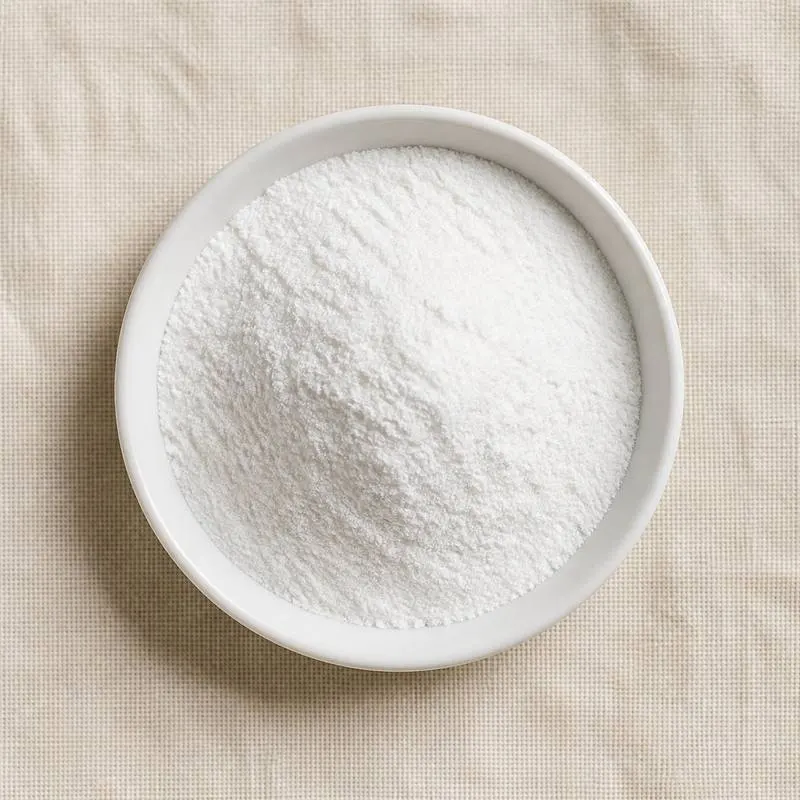
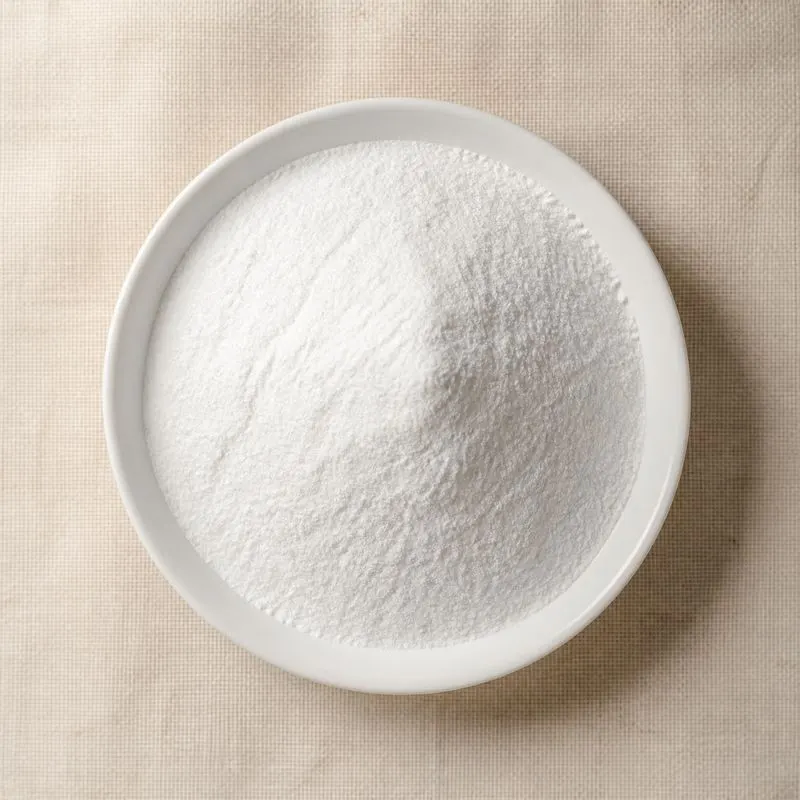
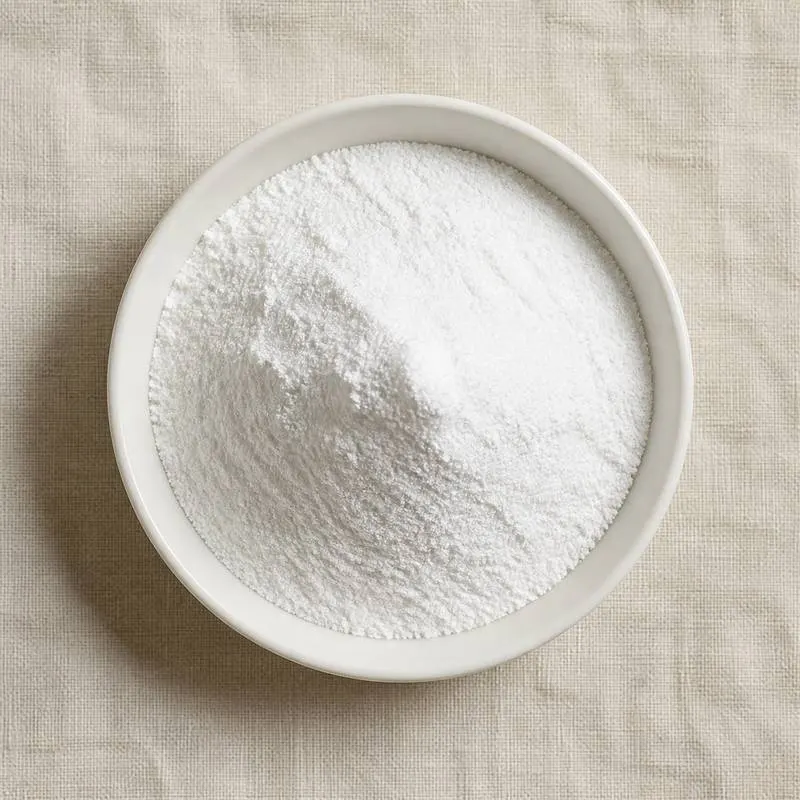
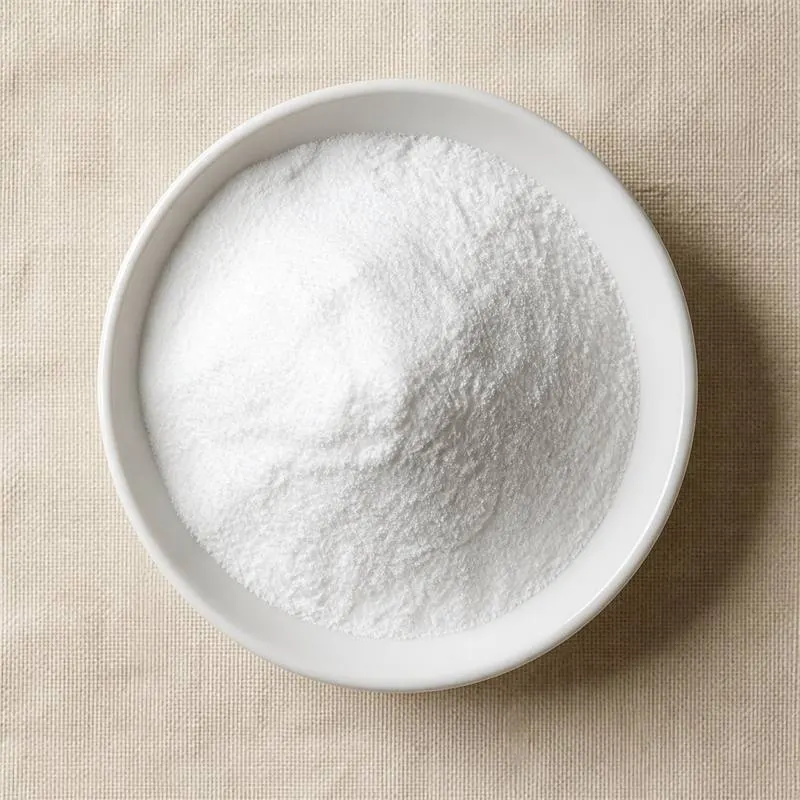
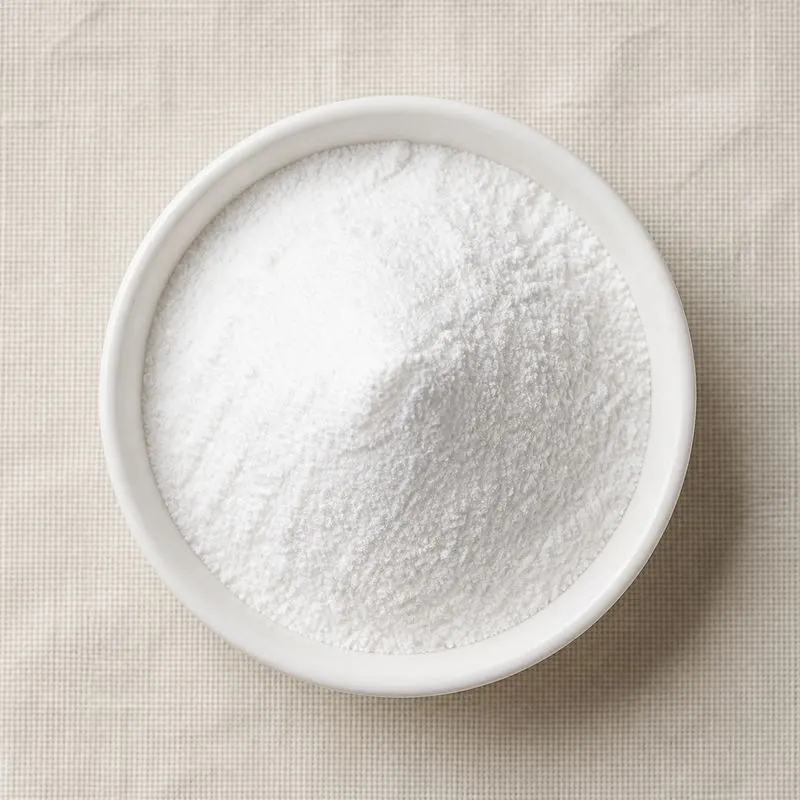
Crystalline or spray dried, the powder is white to off white, hygroscopic and markedly acidic, giving a solution near pH 3 to 4.5. It is freely soluble in water and only slightly soluble in ethanol. The acidity and the sharp, sour and mildly bitter taste are the two properties that decide how it is formulated, and the hygroscopicity means it is packed with a moisture barrier and is difficult to hold in an uncoated tablet without a moisture control step.
We source bulk Citrulline Alpha-Ketoglutarate from top China manufacturers for our partners. The manufacturer is in Hebei. A smaller requirement can ship in a combined container with other ingredients.
Please send the grade you need, the volume and your destination port, and we will come back with a solution and a price.
or call +86-21-6858 0751
- Function
- Amino acid
Specifications
| Item | Specification |
|---|---|
| Appearance | White to off white crystalline or spray dried powder |
| Identification | Chromatographic identity conforms for citrulline and alpha-ketoglutarate |
| Molar ratio | Two citrulline to one alpha-ketoglutarate |
| Total assay, dried basis | Not less than 98.0% |
| L-citrulline content | 68.0 to 73.0% |
| Alpha-ketoglutarate content | 27.0 to 32.0% |
| pH, 1% aqueous solution | 3.0 to 4.5 |
| Loss on drying | Not more than 2.0% |
| Residue on ignition | Not more than 0.5% |
| Lead, as Pb | Not more than 1 mg/kg |
| Arsenic, as As | Not more than 1 mg/kg |
| Cadmium, as Cd | Not more than 0.5 mg/kg |
| Total plate count | Not more than 1,000 cfu/g |
| Salmonella | Absent in 25 g |
Common Markets Grades
The market is defined chiefly by the molar ratio of the two components. The two to one form, two molecules of citrulline to one of alpha-ketoglutarate, is the common trade article and corresponds to roughly 70 percent citrulline and 30 percent keto acid by weight. A one to one form is also produced and carries proportionally less citrulline, so the ratio has to be confirmed on the certificate rather than assumed, since the two are not interchangeable at equal dose weight.
Physical grades are fine powder for stick packs and pre workout drink mixes, where fast dissolution is wanted, and granulated or agglomerated grades for tabletting and for reduced dusting on a filling line. Instantised versions treated to improve wetting are used for consumer powders. Related articles traded alongside it and often confused with it are citrulline malate, in which the same amino acid is paired with malic acid, and arginine alpha-ketoglutarate, which pairs the keto acid with arginine instead; both are separate products with different assay bases. Certificates state the citrulline content and the alpha-ketoglutarate content separately as well as the combined assay.
Applications
- Pre workout and pump formulations, where the citrulline fraction supports nitric oxide production and vasodilation during exercise
- Endurance and intra workout drink mixes, where the keto acid is included as a citric acid cycle intermediate
- Recovery powders, where the combination is used on the argument that both components participate in ammonia handling after heavy exertion
- Nitric oxide capsule and tablet supplements, using granulated grades that tolerate compression
- Combination amino acid blends with branched chain amino acids, beta-alanine and electrolytes
- Clinical and convalescent nutrition, where alpha-ketoglutarate salts have been used in formulations aimed at nitrogen balance
- Effervescent and ready to drink formats, where the inherent acidity is part of the flavour system rather than a problem to correct
- Men's health and circulation supplements built on the arginine and nitric oxide pathway
- Equine and canine performance supplements, where the same rationale is applied to animal athletes
China Manufacturers of Citrulline Alpha-Ketoglutarate
Top Citrulline Alpha-Ketoglutarate manufacturers in China.

Company names and logos are the property of the manufacturers themselves. They are listed here because our own directory records them as producing this ingredient. A listing is not an endorsement by them, and we do not represent them or speak on their behalf.
Regulatory Status
In the United States citrulline alpha-ketoglutarate is sold as a dietary ingredient in food supplements under the Dietary Supplement Health and Education Act. It has no food additive listing and no generally recognised as safe affirmation for conventional food, and L-citrulline is not among the amino acids permitted for nutritive addition to food under 21 CFR 172.320, so use outside the supplement category is not supported. Marketing claims are limited to structure and function statements, and the label declares the salt as supplied rather than the citrulline content alone.
In the European Union neither component is an authorised food additive and the substance carries no E number. Its status in food supplements is set at member state level under Directive 2002/46/EC and the national rules on other substances with a nutritional or physiological effect, and permissions for L-citrulline and for alpha-ketoglutarate salts are not uniform across member states. Ingredients without a documented history of significant consumption in the Union before the novel food cut off date fall under Regulation (EU) 2015/2283 and require authorisation before being placed on the market, so the origin and use history of the specific salt is part of the compliance file. Neither Codex nor JECFA has established specifications for the substance.
Manufacturing Process
The two components are manufactured separately and then combined. L-citrulline is produced by submerged aerobic fermentation, with glucose from hydrolysed maize or cassava starch fed to strains of Corynebacterium or Bacillus subtilis that have been selected to accumulate the urea cycle intermediate rather than carrying it through to arginine. An enzymatic route converting L-arginine with arginine deiminase is also used. In either case cells are removed by filtration, the amino acid is captured on ion exchange resin, eluted, decolourised over carbon, concentrated and crystallised.
Alpha-ketoglutaric acid is made either by chemical synthesis, classically through condensation of an oxalate ester with a succinate ester followed by hydrolysis and decarboxylation, or by fermentation with yeasts such as Yarrowia lipolytica grown on a carbon source under thiamine limitation, which causes the organism to excrete the keto acid. The acid is recovered by filtration, ion exchange and crystallisation. The two purified components are then dissolved together in purified water in a jacketed reactor at the target molar ratio, held with agitation while the salt forms and the pH stabilises, polish filtered, and dried. Spray drying gives the fine free flowing powder that is the usual presentation, and the dried product is sieved, granulated where a compression grade is required, checked by metal detection and packed under low humidity with a desiccant barrier.