Coconut Flavour
Coconut flavour is a compounded flavouring formulated to deliver the aroma of fresh or toasted coconut in products that contain little or no coconut, or to lift the character of those that do. It is built around lactones, and gamma-nonalactone is the material that most defines the profile, supported by delta-decalactone, gamma-octalactone, gamma-decalactone and massoia lactone.
Around that lactone core a formulator adds creamy and dairy notes from delta-lactones and butyric esters, a green or milky top from methyl ketones and aldehydes, vanillin or ethyl vanillin for sweetness, and, where a toasted coconut is wanted, pyrazines and furanones that come across as browning. Natural grades reach the same profile using coconut distillate, fermentation derived lactones and other natural aroma preparations, which changes the cost and the label but not the sensory target.
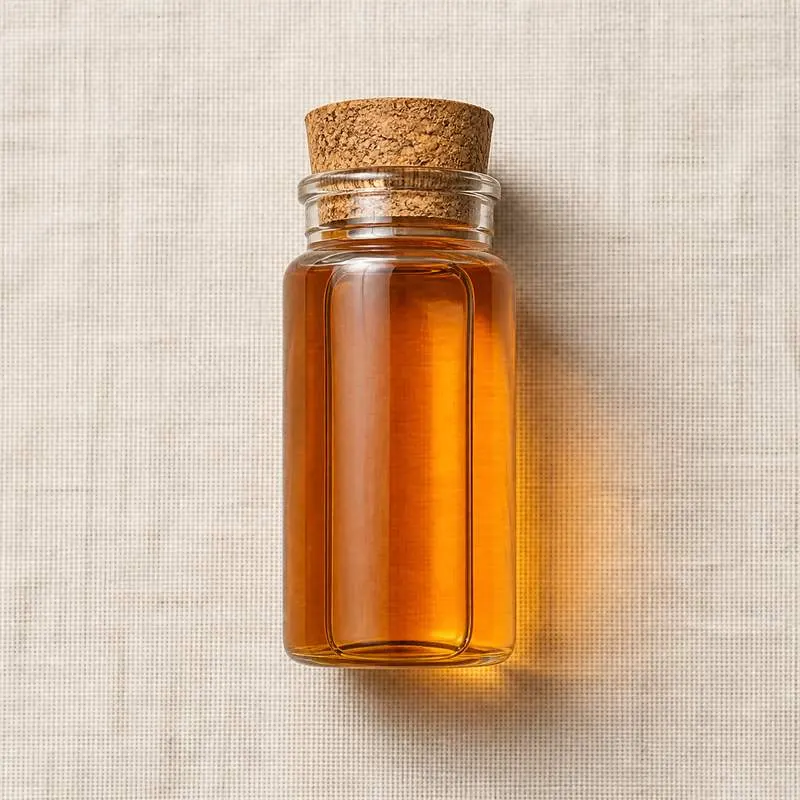
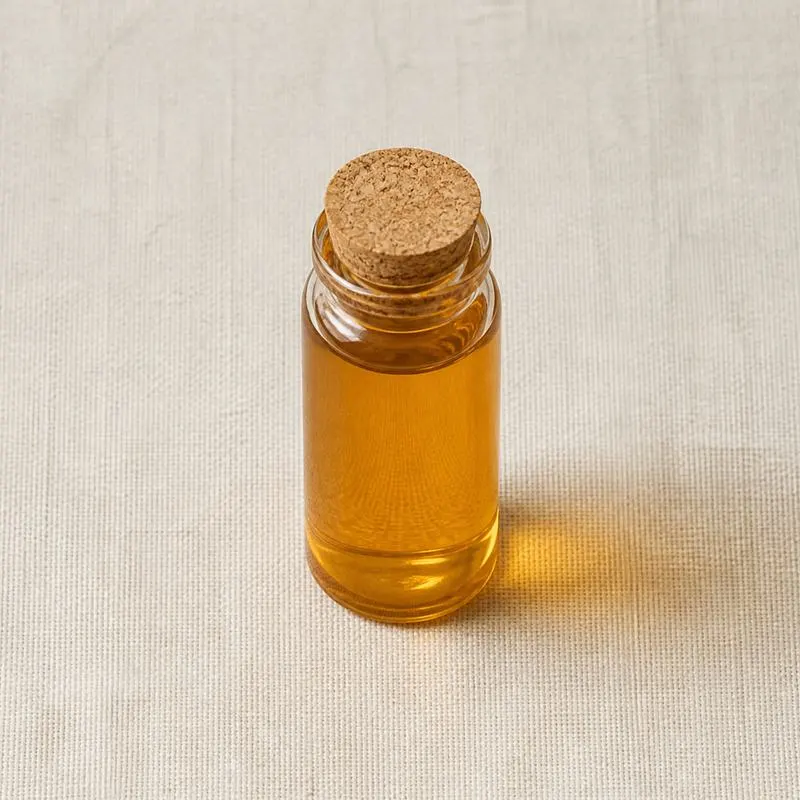
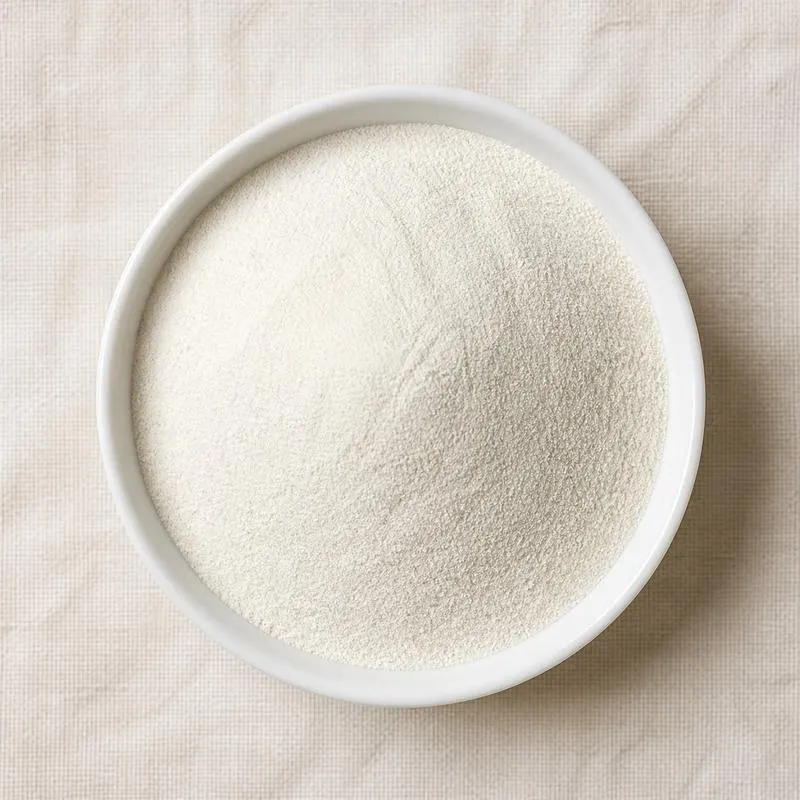
The flavour comes as an oil soluble liquid in a triglyceride or triacetin carrier, as a water soluble liquid in propylene glycol or ethanol, as an emulsion for cloudy drinks, and as a spray dried powder on maltodextrin or gum acacia. Lactones are relatively heat stable, which is why coconut flavour survives baking better than most fruit flavours, but they are also fat soluble, so dosage has to be raised in high fat systems where the flavour partitions into the fat phase.
We source bulk Coconut Flavour from top China manufacturers for our partners. The manufacturer is in Fujian. A smaller requirement can ship in a combined container with other ingredients.
Please send the grade you need, the volume and your destination port, and we will come back with a solution and a price.
or call +86-21-6858 0751
- Function
- Flavours and Aromas
Specifications
| Item | Specification |
|---|---|
| Appearance | Clear to slightly hazy pale yellow liquid, or free flowing off white powder |
| Odour and Flavour | Characteristic coconut, matching retained reference on panel |
| Relative Density (25°C) | 0.980 to 1.060 for propylene glycol grades |
| Refractive Index (20°C) | 1.430 to 1.460 |
| Solubility | Miscible with the declared carrier system |
| Gas Chromatography Profile | Conforms to retained reference chromatogram |
| Moisture, powder grade | Not more than 4.0 percent |
| Flavour Load, powder grade | Not less than 10.0 percent |
| Acid Value | Not more than 3.0 mg KOH/g |
| Lead | Not more than 2 mg/kg |
| Arsenic | Not more than 1 mg/kg |
| Total Plate Count | Not more than 1,000 cfu/g |
| Yeast and Mould | Not more than 100 cfu/g |
| Salmonella | Absent in 25 g |
Common Markets Grades
The first division is between natural, natural and artificial, and artificial grades, which turn on whether the lactones are sourced from fermentation and natural extractives or from synthesis. The second is solubility, with oil soluble grades for confectionery, bakery fats and coatings, water soluble and water dispersible grades for drinks and dairy, and emulsions where clouding is wanted.
Beyond that, grades separate by profile and by form. Fresh coconut, coconut milk, toasted coconut and coconut cream profiles are formulated as distinct products and are not interchangeable. Encapsulated powders are offered in standard spray dried form for general dry blending and in higher retention forms for chewing gum, instant beverages and seasoning where volatile loss during storage matters. Concentration is stated as a dosage rate rather than an assay, typically between a tenth and half a percent in a finished food, and heat stable versions are formulated for extrusion and retort where an ordinary grade would be stripped.
Applications
- Biscuits, cakes and cereal bars, where the lactones survive the oven
- Chocolate and compound coatings, using an oil soluble grade added to the fat phase
- Ice cream, frozen desserts and non-dairy frozen products
- Coconut flavoured milk drinks and drinking yoghurt
- Ready to drink coconut water blends and juice drinks, using an emulsion for cloud
- Boiled sweets, chews and toffee, where heat stability decides the grade chosen
- Plant based dairy alternatives, both to add character and to mask oat or soy notes
- Instant powders and dry beverage mixes, using spray dried grades
- Curry and Southeast Asian sauce bases, restoring aroma lost during retorting
- Alcoholic beverages such as coconut liqueurs and flavoured rum
China Manufacturers of Coconut Flavour
Top Coconut Flavour manufacturers in China.
Company names and logos are the property of the manufacturers themselves. They are listed here because our own directory records them as producing this ingredient. A listing is not an endorsement by them, and we do not represent them or speak on their behalf.
Regulatory Status
In the United States the individual flavouring substances used, including gamma-nonalactone, delta-decalactone and the other lactones, hold FEMA GRAS status, and flavours are regulated as such rather than as food additives. Labelling follows 21 CFR 101.22, which determines whether the declaration reads natural flavour, natural and artificial flavour or artificial flavour, and the carriers and emulsifiers used must themselves be permitted food ingredients.
In the European Union, Regulation (EC) No 1334/2008 and its Union list of authorised substances govern flavouring substances, and the lactones used in coconut flavour appear there with their FL numbers. Flavourings carry no E number, though any additive used as a carrier or preservative in the formulation does and must be declared. The distinction between a natural flavouring and a natural coconut flavouring is defined in that regulation and depends on the proportion of the flavouring component obtained from the named source. Codex addresses flavourings through its general guidelines for their use, which reference the JECFA evaluations of the individual substances.
Manufacturing Process
Production is a compounding operation carried out to a formula rather than a chemical conversion. Aroma chemicals and natural preparations are weighed individually against the master formula in a temperature controlled dispensary, with the lactone core, the dairy notes and the top notes usually pre-blended as sub-compounds so that very small inclusions are dosed accurately. The weighed materials are charged to a stainless steel mixing vessel with the chosen carrier, agitated until fully dissolved and held to let the blend come together, then polish filtered and sampled.
Where the individual lactones are made rather than bought, gamma-nonalactone and its homologues are produced either by chemical synthesis from the corresponding hydroxy acid or unsaturated acid followed by lactonisation, or, for natural grades, by biotransformation in which a yeast such as Yarrowia lipolytica beta-oxidises ricinoleic acid from castor oil to the hydroxy acid, which is then cyclised and recovered by distillation. Emulsion grades are made by homogenising the flavour oil into a gum acacia or modified starch solution, and powder grades by emulsifying into a carrier slurry and spray drying in a tower. Release is on sensory panel against a retained reference supported by gas chromatography.