Corn Gluten
Corn Gluten is the concentrated protein fraction separated from maize during wet milling, consisting mainly of the prolamin zein and the glutelin fraction of the endosperm. In trade the name covers two distinct commodities that should not be confused: corn gluten meal, a protein concentrate of about 60 percent protein, and corn gluten feed, a lower protein co-product built from bran and steep liquor.
Despite the name the material contains no gluten in the coeliac sense, since maize prolamins are not the gliadin and glutenin proteins of wheat. Functionally, corn gluten meal is valued as a dense protein source and as a natural pigment carrier, because it concentrates the lutein and zeaxanthin of the maize kernel and delivers the yellow colour used in poultry and egg yolk pigmentation.
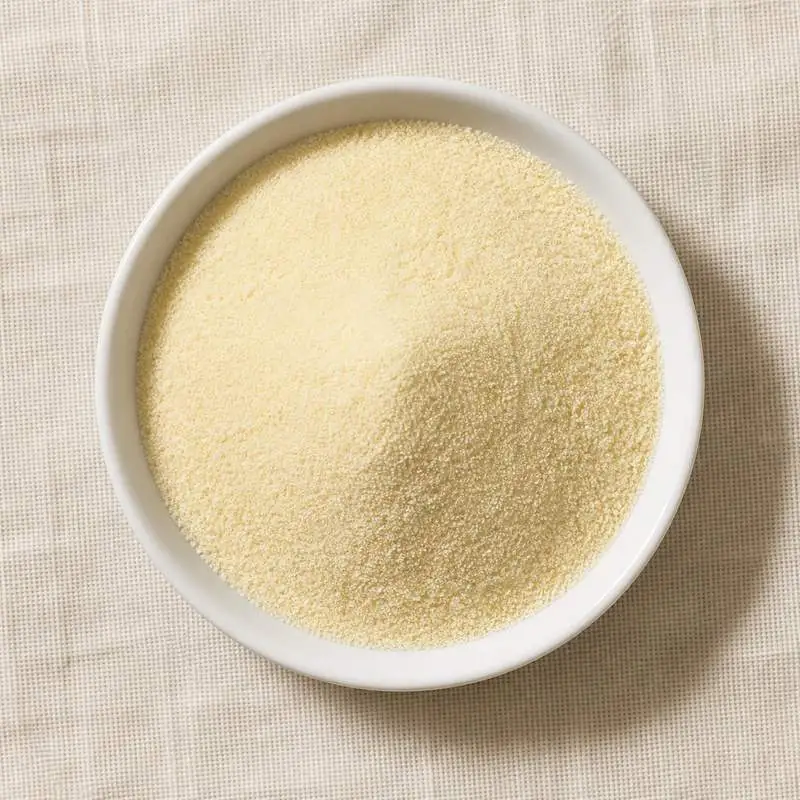
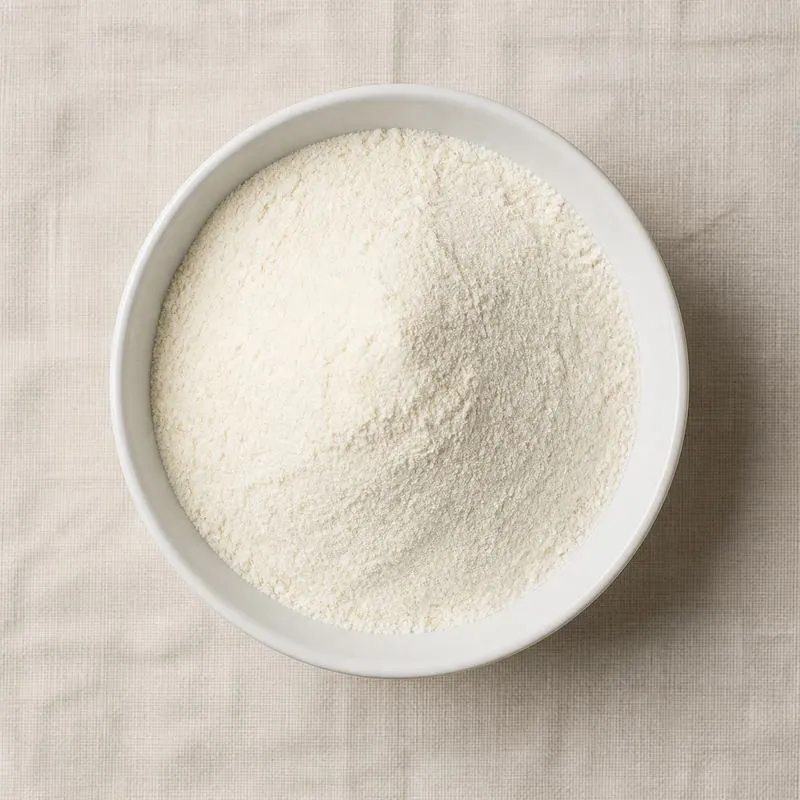
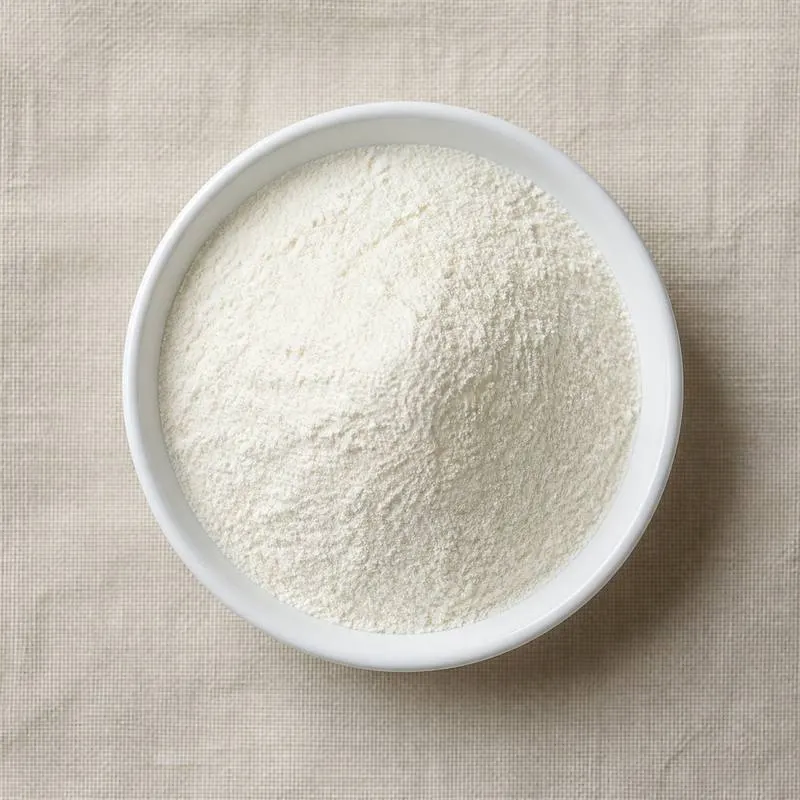
It comes as a bright yellow to golden fine powder or as pellets. Zein is insoluble in water and in absolute alcohol but dissolves in aqueous alcohol, which is the basis of zein extraction from the meal, so corn gluten meal itself disperses rather than dissolves and is handled as a suspended solid in wet applications. The powder is hygroscopic to a limited degree and stable in dry storage.
We source bulk Corn Gluten from top China manufacturers for our partners. The manufacturer is in Shandong. A smaller requirement can ship in a combined container with other ingredients.
Please send the grade you need, the volume and your destination port, and we will come back with a solution and a price.
or call +86-21-6858 0751
- Function
- Protein
Specifications
| Item | Specification |
|---|---|
| Appearance | Bright yellow to golden fine powder or pellets |
| Odour | Characteristic cereal, free from mould or sour odour |
| Identification | Conforms, microscopic examination characteristic of maize gluten |
| Crude protein, dry basis | Minimum 60.0 percent |
| Moisture | Maximum 10.0 percent |
| Crude fat | Maximum 5.0 percent |
| Crude fibre | Maximum 2.0 percent |
| Ash | Maximum 2.0 percent |
| Starch | Maximum 15.0 percent |
| Total xanthophyll | Minimum 200 mg per kg |
| Particle size | Minimum 95 percent through 60 mesh |
| Aflatoxin B1 | Maximum 5 microgram per kg |
| Lead | Maximum 2.0 mg per kg |
| Arsenic | Maximum 2.0 mg per kg |
| Total plate count | Maximum 50,000 CFU per gram |
| Yeast and mould | Maximum 1000 CFU per gram |
| Salmonella | Negative per 25 gram |
Common Markets Grades
The primary trading distinction is between corn gluten meal at a minimum 60 percent protein on a dry basis, the true protein concentrate, and corn gluten feed at roughly 18 to 24 percent protein, which is a blend of bran, germ meal and concentrated steep liquor. A 40 percent protein intermediate is produced in some plants. Buyers specify which stream is required, since the applications barely overlap.
Within corn gluten meal, grades differ by particle size and by pigment content. Standard meal is milled to pass 60 mesh, with finer grinds specified for feed premixes and for use as a zein extraction feedstock. Xanthophyll content is declared in milligrams per kilogram where the material is bought for pigmentation, and higher figures command a premium. Food grade meal, produced under food plant hygiene and with tighter mycotoxin control, is a small stream used in extruded products and as a zein source; the large majority of output is feed grade. Pellets are traded alongside powder for bulk handling and to reduce dust.
Applications
- Poultry feed, where it supplies concentrated protein and the xanthophyll pigment that colours skin and egg yolk
- Aquaculture feed, where its high protein density and low fibre suit carnivorous species diets
- Pet food, where it contributes protein and binds the kibble matrix during extrusion
- Ruminant and swine rations, where corn gluten feed is used as an energy and protein source
- Feedstock for zein extraction, the source of the film-forming protein used in confectionery glazes and coatings
- Extruded and puffed snack products, where the meal raises protein content and contributes yellow colour
- Bakery and pasta formulations aimed at protein enrichment in gluten-free ranges
- Organic pre-emergent weed control on turf, where the meal inhibits root formation in germinating seeds
- Biodegradable film and coating research, where zein rich meal is the starting material
China Manufacturers of Corn Gluten
Top Corn Gluten manufacturers in China.

Company names and logos are the property of the manufacturers themselves. They are listed here because our own directory records them as producing this ingredient. A listing is not an endorsement by them, and we do not represent them or speak on their behalf.
Regulatory Status
In the United States, corn gluten meal and corn gluten feed are recognised feed ingredients that the Association of American Feed Control Officials defines, and the Food and Drug Administration regulates them as animal food, including the preventive controls requirements for animal food. Material intended for human food is handled as a conventional food ingredient under general good manufacturing practice rather than under a specific food additive regulation. Zein derived from corn gluten meal is separately listed as a generally recognized as safe substance for use as a coating agent.
In the European Union, corn gluten meal and corn gluten feed appear in the catalogue of feed materials established under Regulation EU 68/2013 and are traded as feed materials rather than additives, so they carry no E number. Maize derived material must satisfy the maximum levels for aflatoxins, fumonisins, zearalenone and deoxynivalenol set for feed and food, which is the principal compliance issue for the commodity. Where the maize is genetically modified, traceability and labelling obligations under Regulation EC 1829/2003 and 1830/2003 apply. Codex maintains a code of practice for the prevention of mycotoxin contamination in cereals that applies to the raw material.
Manufacturing Process
Corn gluten meal is a wet milling co-product. Shelled maize is steeped for a day or more in warm water containing sulphur dioxide, which softens the kernel and loosens the protein matrix around the starch granules. The steeped kernels are coarsely ground and the germ is floated off in hydrocyclones for oil recovery. The remaining slurry is finely milled and screened to separate the fibrous bran, leaving a mill starch stream that carries both starch and gluten.
That stream is fed to centrifugal separators, where the density difference between the light gluten protein and the heavier starch granules allows the two to be split. The gluten fraction is concentrated further on a second separator, dewatered on a vacuum belt filter or filter press to around 60 percent moisture, and dried in a ring or flash dryer under controlled temperature so the protein is not scorched and the xanthophyll pigment is preserved. The dried meal is milled, cooled and either bagged as powder or pelletised. The bran and the concentrated steep liquor are combined and dried separately to give corn gluten feed.