Corn Gluten Meal
Corn gluten meal is the concentrated protein fraction recovered from corn wet milling, containing roughly 60 percent crude protein on the dry basis. Despite the name it contains no gluten in the wheat sense and is free of the gliadin and glutenin proteins that matter to coeliac disease; the term is a milling convention for the protein rich stream rather than a description of its chemistry.
The protein is dominated by zein, the alcohol soluble prolamin storage protein of the corn endosperm, together with glutelin. Zein is unusually hydrophobic and is largely insoluble in water, which makes the meal a poor functional protein in food systems but gives it a naturally slow rumen degradation profile that is valued in dairy nutrition. The amino acid profile is high in methionine and leucine and notably deficient in lysine and tryptophan, so it is a complementary rather than a complete protein.
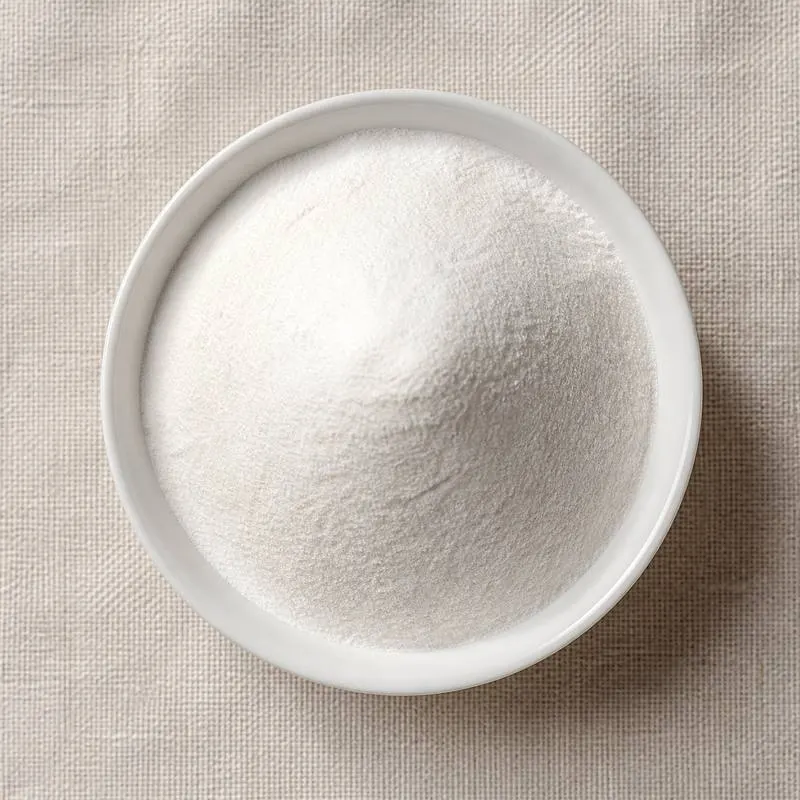
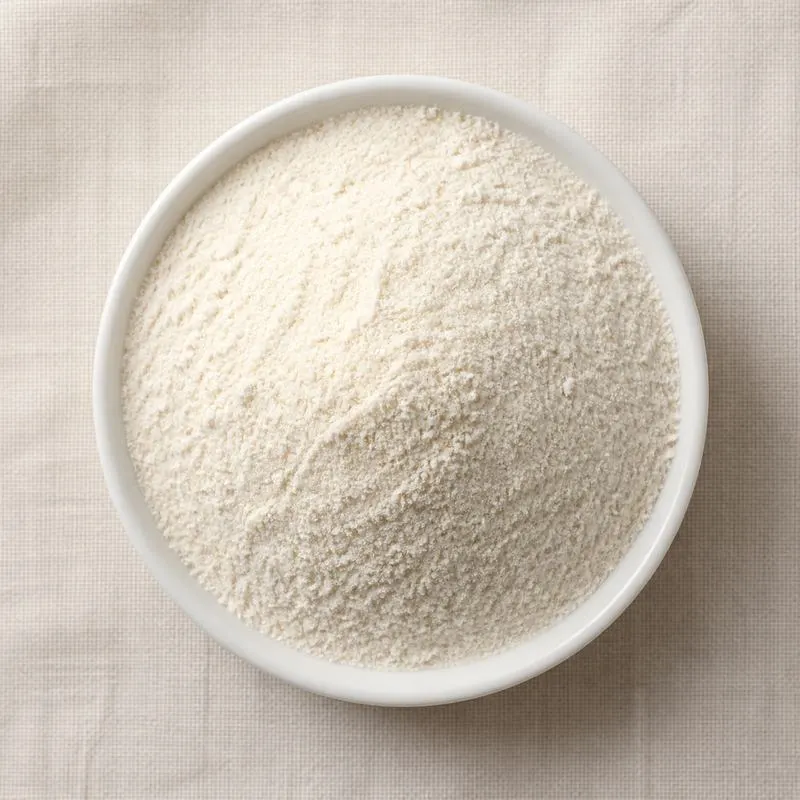
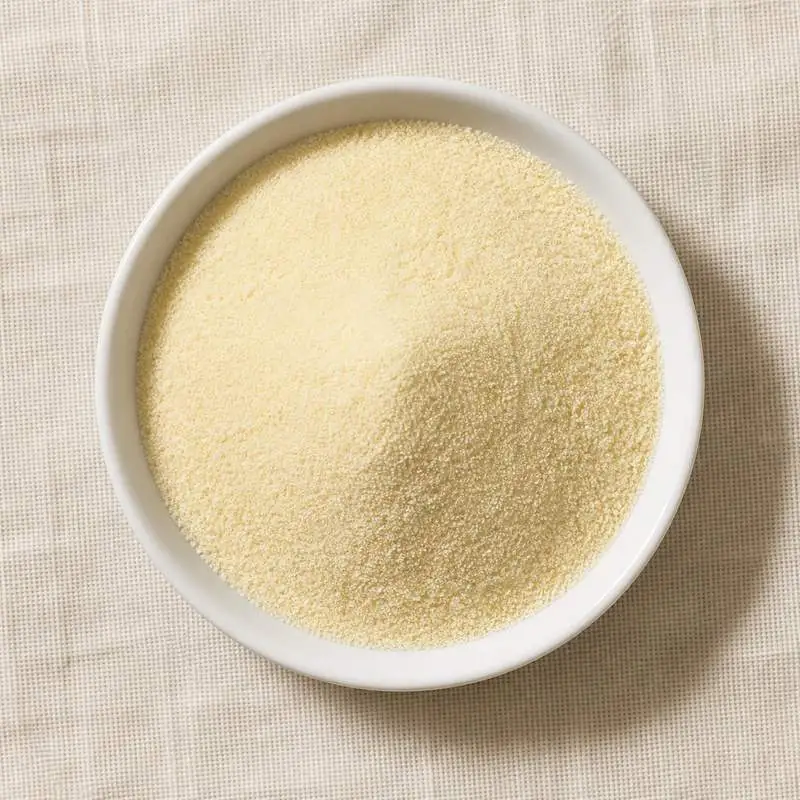
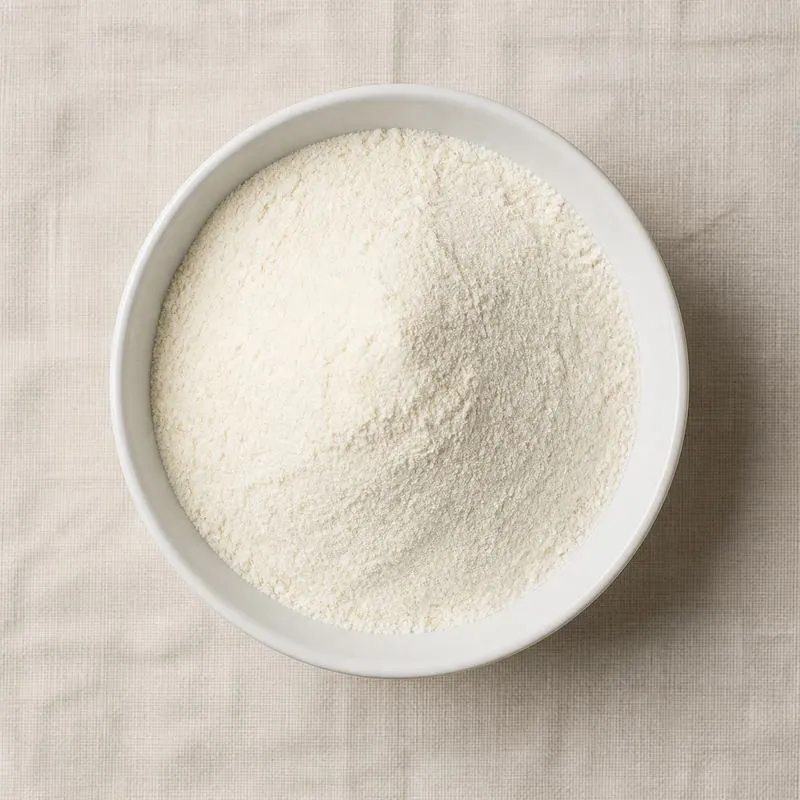
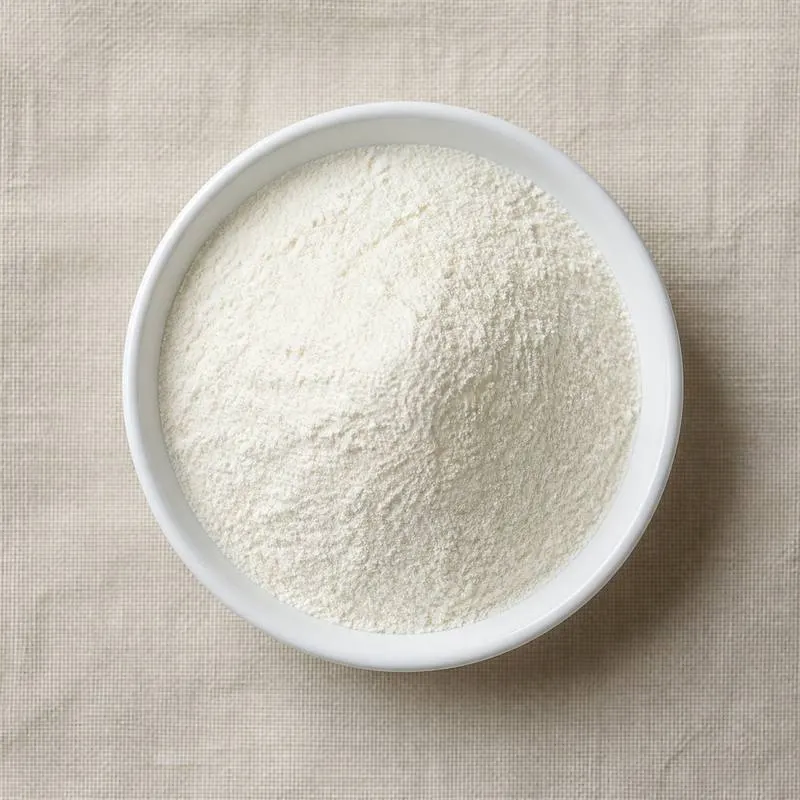
Two further constituents drive specific uses. The meal is rich in the xanthophyll pigments lutein and zeaxanthin, which transfer to skin, shank and egg yolk in poultry, and it contains a mixture of hydrophobic dipeptides that suppress root growth in germinating seeds. It is a golden yellow to deep yellow coarse powder or granule at 8 to 12 percent moisture, with a characteristic toasted cereal odour.
We source bulk Corn Gluten Meal from top China manufacturers for our partners, working with several of them. The manufacturers are in Heilongjiang, Hebei and Shandong. A smaller requirement can ship in a combined container with other ingredients.
Please send the grade you need, the volume and your destination port, and we will come back with a solution and a price.
or call +86-21-6858 0751
- Function
- Protein
Specifications
| Item | Specification |
|---|---|
| Appearance | Golden to deep yellow coarse powder or granule |
| Odour | Characteristic toasted cereal, free from mouldy or sour notes |
| Crude Protein, dry basis | ≥ 60.0% |
| Moisture | ≤ 12.0% |
| Crude Fat | ≤ 5.0% |
| Crude Fibre | ≤ 3.0% |
| Ash | ≤ 3.0% |
| Xanthophylls | ≥ 200 mg/kg where declared |
| Starch | ≤ 20.0% |
| Aflatoxin B1 | ≤ 5 µg/kg |
| Total Fumonisins | Complies with applicable feed limits |
| Lead | ≤ 5.0 mg/kg |
| Arsenic | ≤ 2.0 mg/kg |
| Total Plate Count | ≤ 100,000 CFU/g |
| Salmonella | Absent in 25 g |
Common Markets Grades
The material is graded principally on crude protein, with 60 percent the standard trade specification and 62 percent a higher grade, both declared on an as-is or dry basis that must be stated. Moisture and xanthophyll content are the other two figures that carry commercial weight, with xanthophyll declared in mg/kg where the meal is bought for poultry pigmentation.
Physical grades run from meal to pellets, the pelleted form traded where handling and transport of a dusty powder is a problem. A separate and much more refined product, zein, is extracted from corn gluten meal with aqueous alcohol and sold as a purified film forming protein for coatings and encapsulation, but that is a distinct ingredient rather than a grade of the meal. Corn gluten meal should not be confused with corn gluten feed, a lower protein blend of bran and steep liquor from the same mill.
Applications
- Poultry feed, the largest outlet, as both a protein source and the standard natural pigment for yolk and skin colour
- Layer rations specifically, where the lutein and zeaxanthin content sets egg yolk colour
- Dairy cattle feed, where the low rumen degradability makes it a bypass protein source
- Aquaculture feed for salmonids and shrimp, as a plant protein partially replacing fishmeal
- Pet food, as a protein concentrate and a source of sulphur amino acids
- Swine feed, blended with lysine rich proteins to correct its own lysine deficiency
- Organic and conventional pre-emergent herbicide, using the root inhibiting dipeptides on turf and in horticulture
- Raw material for zein extraction, used in coatings, chewing gum bases and encapsulation
- Fermentation media, as an inexpensive nitrogen source in industrial fermentation
Brands Using Corn Gluten Meal
Widely-distributed consumer products that list Corn Gluten Meal on the ingredient label.
- Espoma OrganicTurf-tone Weed Preventer Plus Lawn Food ↗This organic lawn product is made from 100 percent corn gluten meal, which supplies the nitrogen and the pre-emergent weed suppression.Label verified 2026-08-31
- Jonathan GreenCorn Gluten Weed Preventer Plus Lawn Food ↗Corn gluten meal is listed as the first active ingredient and as the source the nitrogen is derived from.Label verified 2026-08-31
Brand names, product names and logos are the property of their owners. They appear here as published evidence that the ingredient is used, taken from the brand's own label or website. Their appearance is not an endorsement, and it does not mean the brand buys from us or from any manufacturer listed on this site.
China Manufacturers of Corn Gluten Meal
Top Corn Gluten Meal manufacturers in China.
 Heilongjiang Jinxiang Biochemical Co., Ltd.9 ingredients in the directory
 Qinhuangdao Lihua Starch Co., Ltd.11 ingredients in the directory
- Yuanfa Biotechnology Co., Ltd.4 ingredients in the directory
Company names and logos are the property of the manufacturers themselves. They are listed here because our own directory records them as producing this ingredient. A listing is not an endorsement by them, and we do not represent them or speak on their behalf.
Regulatory Status
In the United States corn gluten meal is an animal feed ingredient with an Association of American Feed Control Officials definition specifying that it is the dried residue from corn after the removal of the larger part of the starch and germ, and it is regulated under the animal food provisions of the food safety framework. Its use as a natural pre-emergent herbicide falls under the pesticide registration rules of the Environmental Protection Agency, where corn gluten meal is a registered active substance. Where the material enters human food as a protein source or as the raw material for zein, the food ingredient framework applies, and zein itself is affirmed as generally recognised as safe as a food coating.
In the European Union corn gluten meal, described as maize gluten meal, is listed in the catalogue of feed materials with a defined description and the compulsory declarations that accompany it, and it is subject to the general feed hygiene regulation and to the maximum levels for undesirable substances in feed, with mycotoxins in particular the relevant risk for a corn co-product. It carries no E number, being a feed material and food ingredient rather than an additive. Codex addresses the mycotoxin risk through its maximum levels for fumonisins and aflatoxins in cereals and its code of practice for their prevention.
Manufacturing Process
Corn gluten meal is not manufactured on its own but is one of four co-products of the corn wet milling process. Cleaned corn is steeped for one to two days in warm water containing sulphur dioxide, which softens the kernel, loosens the protein matrix around the starch granules and allows the germ to be separated intact. The steepwater drawn off is concentrated and becomes part of corn gluten feed.
The softened kernels are coarsely milled and passed through hydrocyclones, where the low density germ floats and is removed for oil extraction. The remaining slurry is finely milled and screened to separate the fibrous bran, which also goes to corn gluten feed. What is left is a suspension of starch and protein, and these are separated in high speed centrifugal separators, which use the density difference between starch granules and the lighter gluten protein.
The light phase from that separation is the gluten stream. It is concentrated in further centrifuges or thickeners, dewatered on a vacuum belt filter or filter press to a cake of roughly 40 percent solids, and then dried in a ring or flash drier to around 10 percent moisture. Drying temperature is the main quality control, since overheating darkens the meal, destroys the xanthophyll pigments the poultry market pays for and reduces lysine availability further. The dried meal is milled, screened and either bagged, shipped in bulk or pelleted.