Corn Gluten Feed
Corn gluten feed is the fibrous co-product of corn wet milling, made by combining the bran and fibre left after starch separation with concentrated steepwater and, in most plants, the germ meal remaining after oil extraction. Despite the name it contains little of the gluten protein of the mill, which goes instead into the separate and much richer corn gluten meal, and it contains no gluten in the wheat sense at all.
Typical composition is 18 to 24 percent crude protein, 8 to 12 percent crude fibre and around 2 percent fat on the dry basis, so it is a medium protein, high digestible fibre feed rather than a protein concentrate. Its energy comes largely from digestible fibre, pectin and residual starch rather than from starch alone, and that is why it is valued in ruminant diets: the fibre ferments in the rumen without the acidosis risk that a high starch cereal presents.
The steepwater fraction, added back to the fibre before drying, is what raises the protein and supplies soluble nitrogen, free amino acids, lactic acid and B vitamins, and it is also what gives the product its characteristic sour, fermented odour. It moves in two forms: wet, at 40 to 60 percent moisture, for local delivery to feedlots, and dried and pelleted at 10 to 12 percent moisture for storage and long distance trade.
We source bulk Corn Gluten Feed from top China manufacturers for our partners. The manufacturers are in Heilongjiang and Hebei. A smaller requirement can ship in a combined container with other ingredients.
Please send the grade you need, the volume and your destination port, and we will come back with a solution and a price.
or call +86-21-6858 0751
- Function
- Protein
Specifications
| Item | Specification |
|---|---|
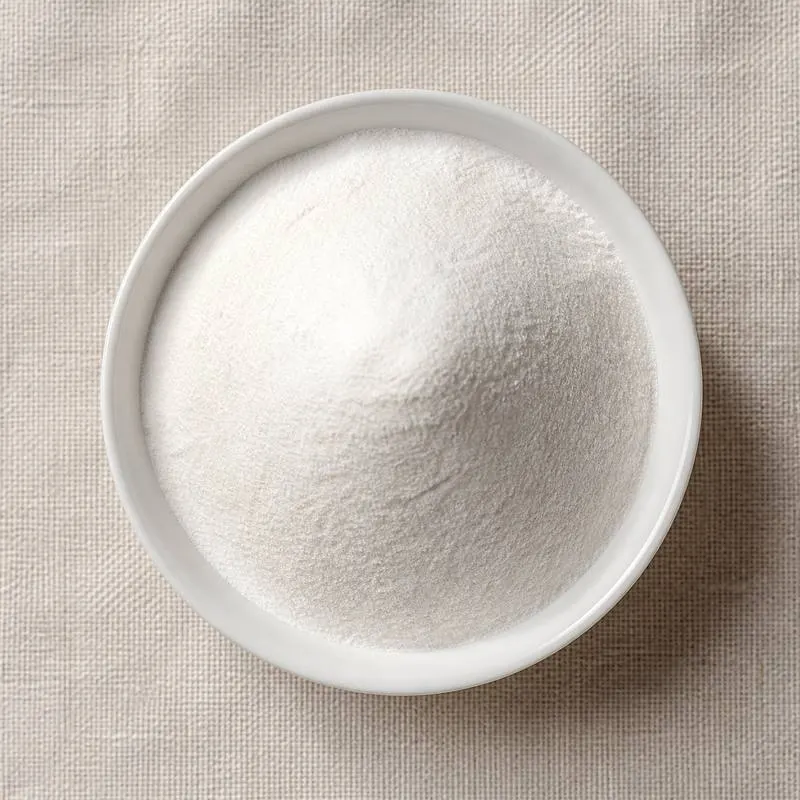
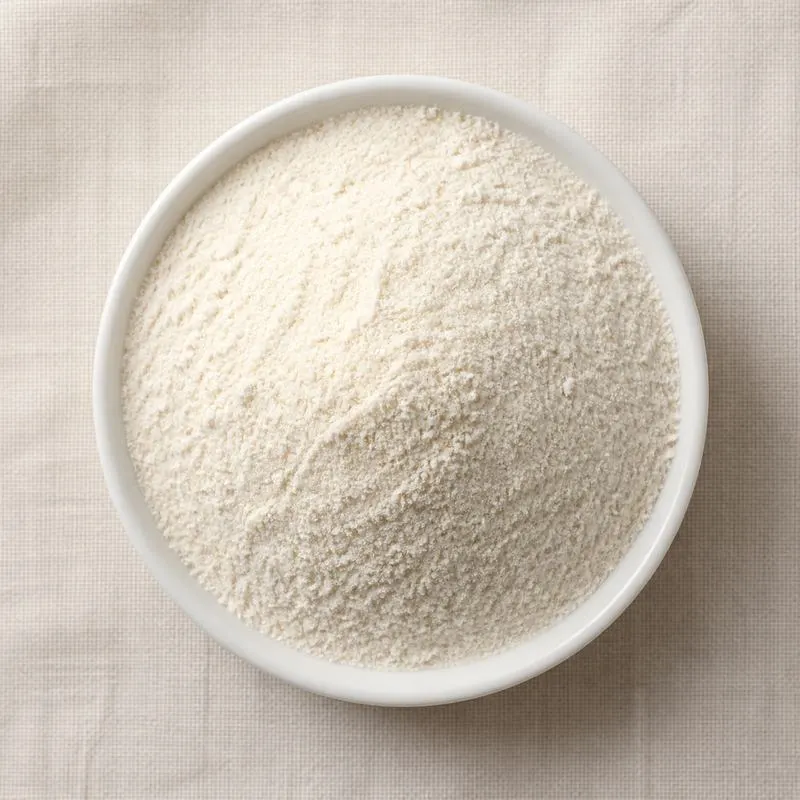
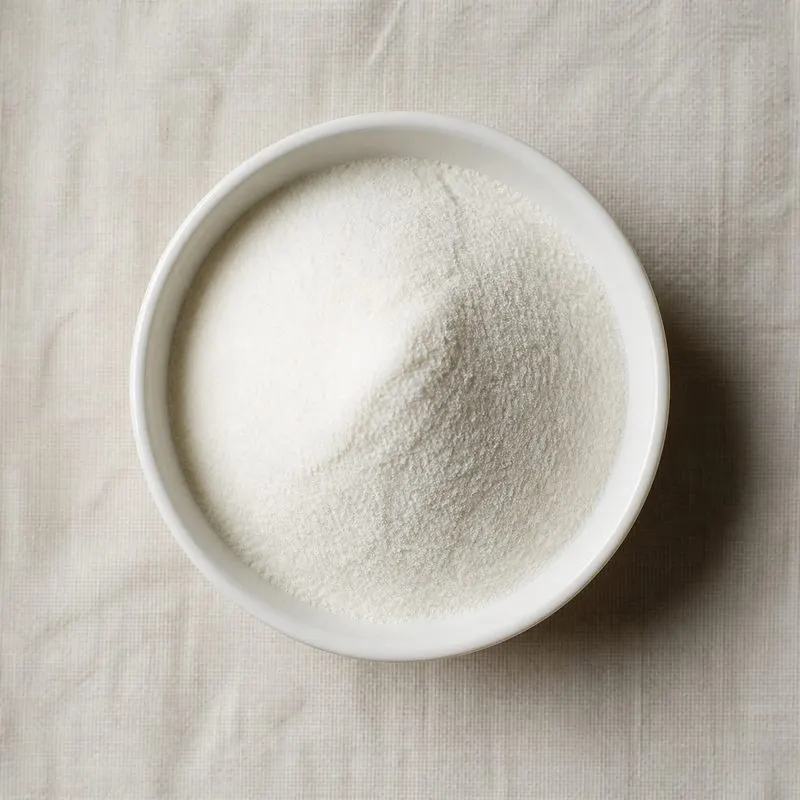
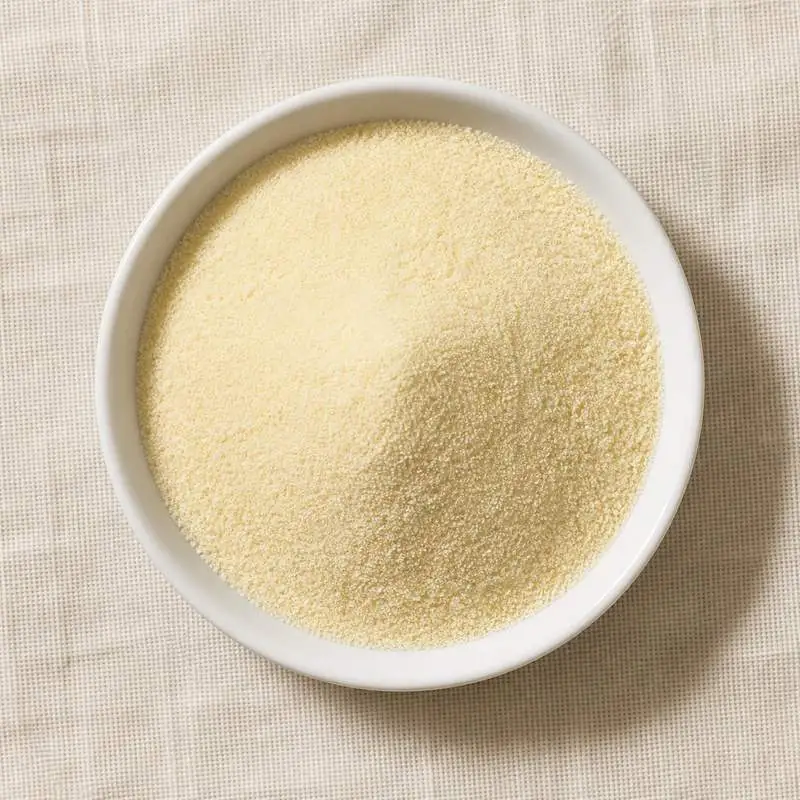
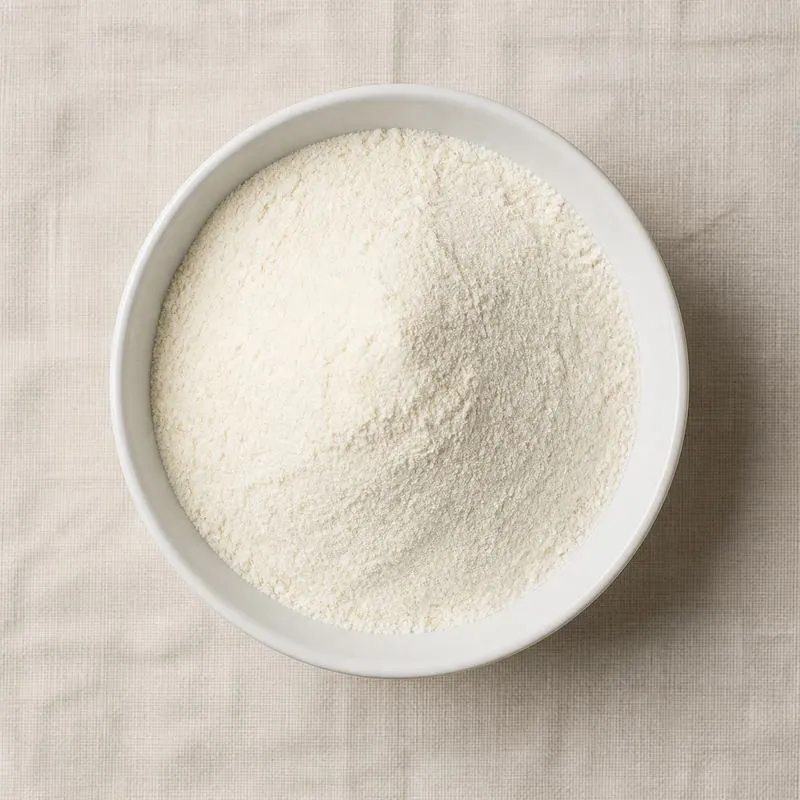
| Appearance | Light to medium brown meal or pellet |
| Odour | Characteristic sour fermented cereal, free from mouldy notes |
| Crude Protein, dry basis | ≥ 18.0% |
| Moisture, dry product | ≤ 12.0% |
| Crude Fibre | ≤ 12.0% |
| Crude Fat | 1.5% to 4.0% |
| Ash | ≤ 8.0% |
| Starch | ≤ 20.0% |
| Neutral Detergent Fibre | 33.0% to 45.0% |
| Sulphur | ≤ 0.5% |
| Aflatoxin B1 | ≤ 20 µg/kg |
| Total Fumonisins | Complies with applicable feed guidance |
| Lead | ≤ 5.0 mg/kg |
| Arsenic | ≤ 2.0 mg/kg |
| Salmonella | Absent in 25 g |
Common Markets Grades
The main commercial division is between wet and dry. Wet corn gluten feed is cheaper per unit of dry matter because no drying energy has been spent, but it will not keep for more than a few days and must be fed within economic hauling distance of the mill, so it is effectively a local product. Dry corn gluten feed, produced by drying the same blend in a rotary or ring drier, keeps for months and is what moves in international trade.
Within the dry material, physical grades are meal and pellet, the pellet preferred for handling, transport and mechanical feeding. Protein content is the traded specification, typically declared at a minimum of 18, 20 or 21 percent, and it is adjusted at the mill by how much steepwater is blended back into the fibre, so the figure is a formulation decision rather than a fixed property of the raw material. Moisture, fibre and fat are declared alongside it, and non-GMO identity preserved material is available where the mill segregates its corn supply.
Applications
- Dairy cattle rations, the largest outlet, where digestible fibre supplies energy without the acidosis risk of high starch cereal
- Beef feedlot diets, as a partial replacement for corn grain and protein supplement
- Growing and finishing cattle rations, where wet product is used within hauling distance of the mill
- Sheep and goat feed, for the same fibre and energy reasons as cattle
- Compound feed manufacture, as a bulk ingredient in pelleted rations
- Total mixed rations, where the wet form also improves palatability and reduces sorting
- Poultry and swine feed at limited inclusion, limited by how much fibre a monogastric diet can carry
- Aquaculture feed for herbivorous species, at modest inclusion levels
- Pet food, as a fibre and protein source in economy formulations
China Manufacturers of Corn Gluten Feed
Top Corn Gluten Feed manufacturers in China.
 Heilongjiang Jinxiang Biochemical Co., Ltd.9 ingredients in the directory
 Qinhuangdao Lihua Starch Co., Ltd.11 ingredients in the directory
Company names and logos are the property of the manufacturers themselves. They are listed here because our own directory records them as producing this ingredient. A listing is not an endorsement by them, and we do not represent them or speak on their behalf.
Regulatory Status
In the United States corn gluten feed is an animal feed ingredient with an Association of American Feed Control Officials definition describing it as the part of the commercial shelled corn that remains after the extraction of the larger portion of the starch, gluten and germ, and it is regulated under the animal food provisions of the food safety framework, which impose preventive controls on feed manufacturing. Mycotoxins are the principal contaminant concern for a corn co-product, and the Food and Drug Administration publishes advisory levels for aflatoxin, fumonisin and deoxynivalenol in feed by species.
In the European Union maize gluten feed is listed in the catalogue of feed materials with a defined description and the compulsory declarations that accompany it, and it is subject to the feed hygiene regulation and to the directive on undesirable substances in animal feed, which sets maximum levels for aflatoxin B1 and other contaminants, with recommended levels for fumonisins and deoxynivalenol. Genetically modified corn co-products are subject to the traceability and labelling requirements for genetically modified food and feed. It carries no E number, being a feed material rather than an additive. Codex addresses the mycotoxin risk through its maximum levels for cereals and its code of practice for their prevention and reduction.
Manufacturing Process
Corn gluten feed is not manufactured on its own but is assembled from two streams of the corn wet milling process. Cleaned corn is steeped for one to two days in warm water containing sulphur dioxide, which softens the kernel and loosens the protein matrix around the starch granules. The steepwater drawn off carries the soluble protein, amino acids, lactic acid and minerals leached out of the grain, and it is concentrated by evaporation to a thick liquor of around 50 percent solids known as condensed corn fermented extractives, or steep liquor.
The steeped kernels are coarsely milled and passed through hydrocyclones, which separate the low density germ for oil extraction. The remaining slurry is finely milled and screened over fibre washing screens, which recover the bran and fibre in counter current flow while washing the starch out of them. That washed fibre is the second stream.
The two are then brought together. Steep liquor, and in most plants the germ meal left after oil extraction, is blended into the dewatered fibre in a mixer, and the ratio of liquor to fibre is what sets the protein content of the finished feed. Wet product is loaded out at this point. Dry product goes on to a rotary or ring drier, is dried to around 10 to 12 percent moisture, cooled and either shipped as meal or pelleted. Drying temperature is controlled to avoid scorching, which would reduce lysine availability and darken the product.