Corn Oligopeptides
Corn Oligopeptides are short chain peptides produced by enzymatic hydrolysis of maize protein, normally the zein rich corn gluten meal recovered from wet milling. The hydrolysate is dominated by peptides of two to ten amino acid residues, with the bulk of the pool below 1000 daltons.
The amino acid profile follows the parent protein and is distinctive. Corn protein is exceptionally rich in leucine, alanine, proline and glutamine and poor in lysine and tryptophan, so corn oligopeptides are used as a functional peptide rather than as a balanced protein source. The high proportion of branched chain and hydrophobic residues underlies their use in sports and liver support formulations, and alanine and leucine rich sequences are the fraction usually cited in alcohol metabolism positioning.
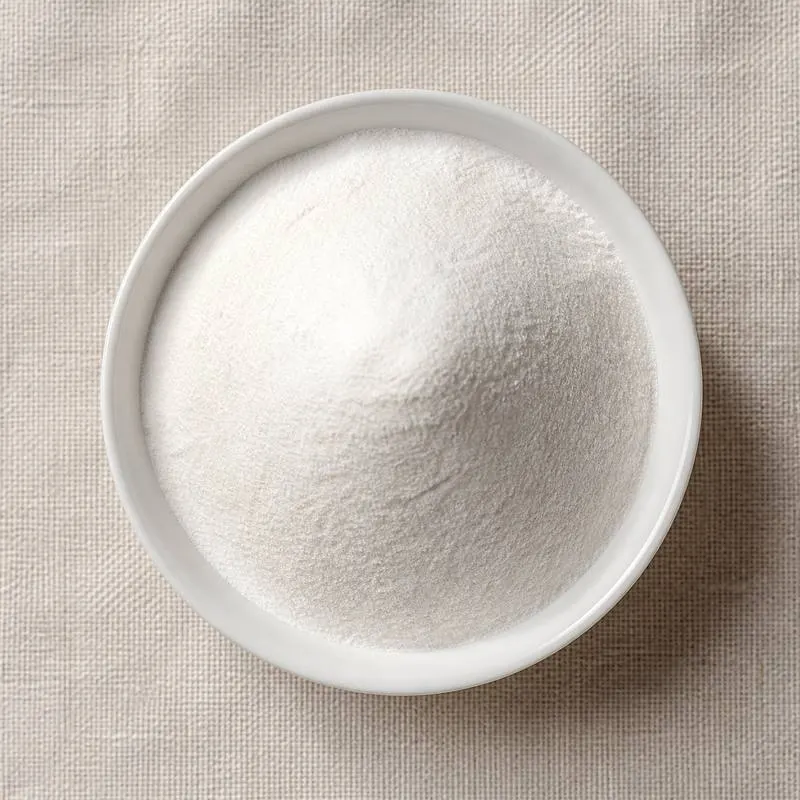
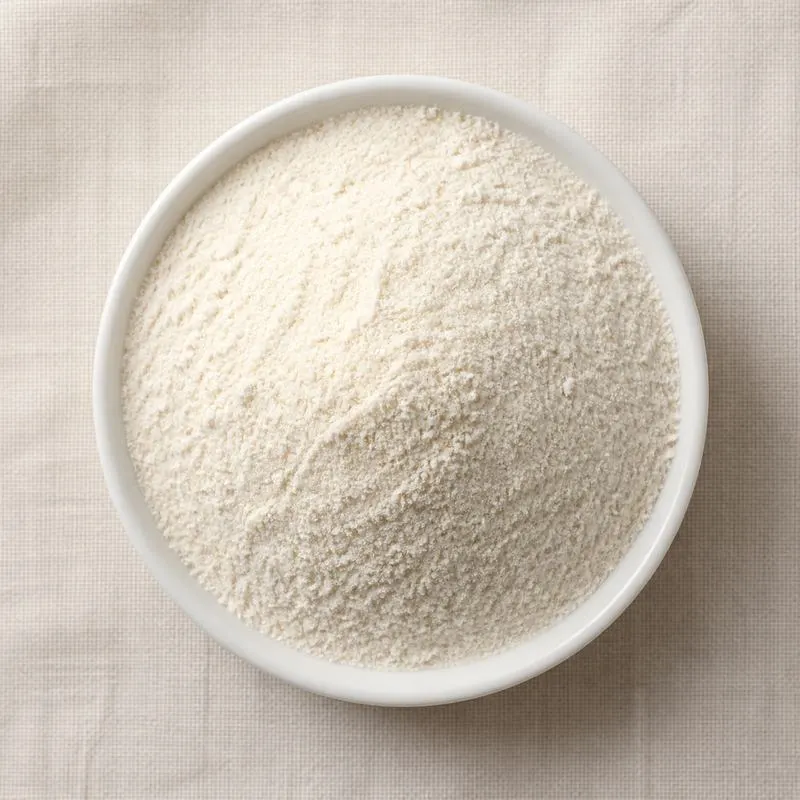
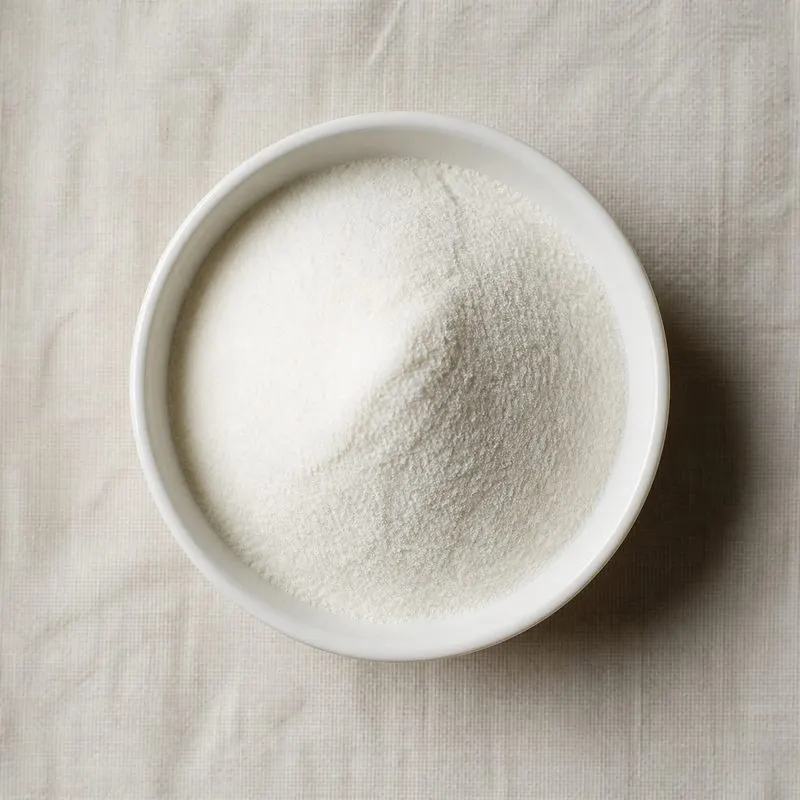
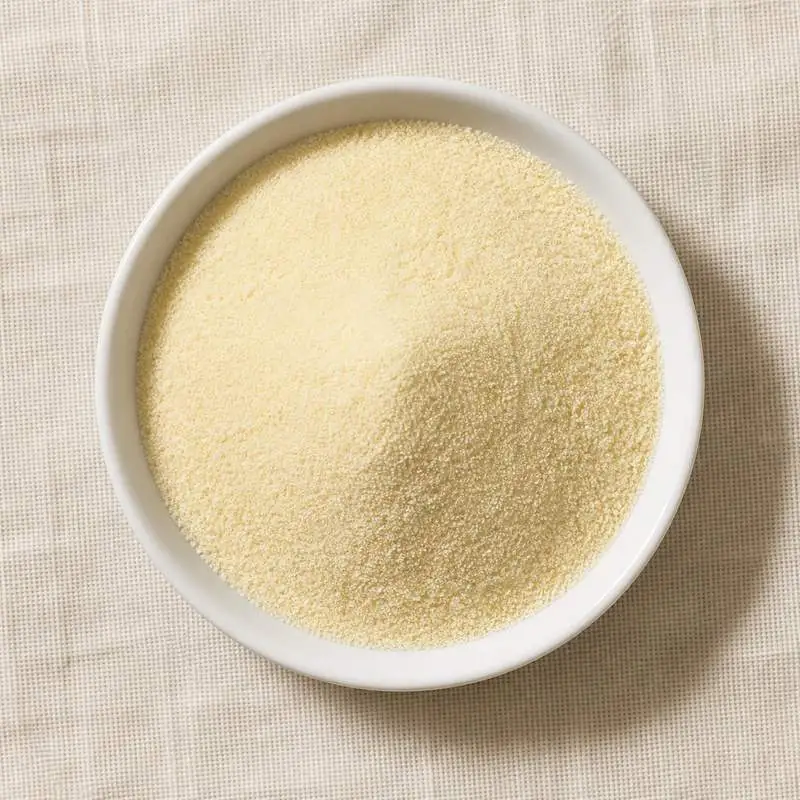
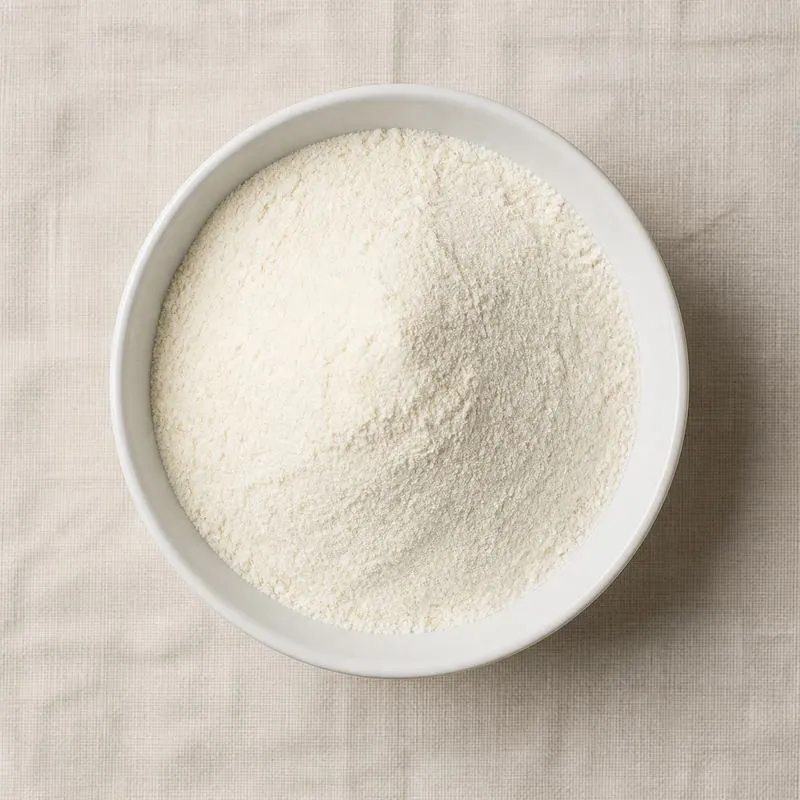
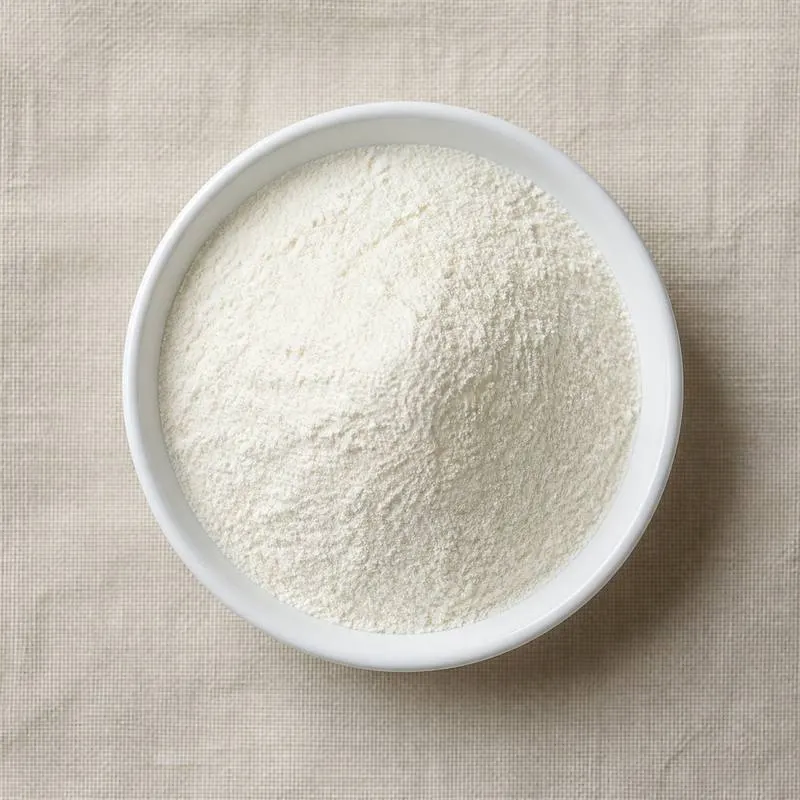
The material is a light yellow to pale brown spray-dried powder. Hydrolysis converts water-insoluble zein into fully soluble peptides, so the powder dissolves rapidly in cold water and gives a clear, low viscosity solution that does not gel or precipitate at low pH. It is heat stable through pasteurisation and retort. A residual bitterness from hydrophobic peptides is the main formulation constraint and is managed by exopeptidase treatment and by masking.
We source bulk Corn Oligopeptides from top China manufacturers for our partners. The manufacturer is in Shandong. A smaller requirement can ship in a combined container with other ingredients.
Please send the grade you need, the volume and your destination port, and we will come back with a solution and a price.
or call +86-21-6858 0751
- Function
- Protein
Specifications
| Item | Specification |
|---|---|
| Appearance | Light yellow to pale brown fine powder |
| Odour and taste | Slight characteristic cereal note, mild residual bitterness |
| Identification | Conforms, molecular weight profile by gel permeation chromatography |
| Peptide content, dry basis | Minimum 75.0 percent |
| Protein, N x 6.25, dry basis | Minimum 85.0 percent |
| Fraction below 1000 daltons | Minimum 80.0 percent |
| Loss on drying | Maximum 7.0 percent |
| Ash | Maximum 6.0 percent |
| Solubility in water | Minimum 98.0 percent |
| Transmittance, 1 percent solution | Minimum 90 percent |
| pH, 1 percent solution | 5.0 to 7.0 |
| Aflatoxin B1 | Maximum 5 microgram per kg |
| Lead | Maximum 0.5 mg per kg |
| Arsenic | Maximum 1.0 mg per kg |
| Total plate count | Maximum 10,000 CFU per gram |
| Yeast and mould | Maximum 100 CFU per gram |
| E. coli | Negative per gram |
| Salmonella | Negative per 25 gram |
Common Markets Grades
Grades are defined by peptide assay and by molecular weight distribution. Standard commercial material is specified at a minimum peptide content around 75 percent with at least 80 percent of the peptide pool below 1000 daltons. High assay grades reach 90 percent peptide after ultrafiltration and desalting and carry a correspondingly low ash figure. Very low molecular weight grades, with the majority of the pool below 500 daltons, are produced by extended exopeptidase treatment and are specified where clarity in a beverage is critical.
Debittered grades form a separate commercial tier. These are produced by additional exopeptidase action to clip terminal hydrophobic residues, followed by adsorption polishing, and are specified for ready to drink formats. Undebittered material remains cheaper and is used in capsules, tablets and mixed savoury systems where the bitterness is not exposed. Non genetically modified grades derived from identity preserved maize are traded at a premium in markets that require them, and both fine and agglomerated instant powders are available. Food grade dominates, with a feed grade stream sold at lower assay.
Applications
- Hangover and liver support shots, where alanine and leucine rich peptides are the basis of the positioning
- Sports nutrition drinks and powders, where the branched chain amino acid content is used for recovery claims
- Clear functional beverages, where full solubility and low viscosity avoid sediment and haze
- Capsules, tablets and sachets in general supplement ranges
- Clinical and enteral nutrition, where small peptides are absorbed more readily than intact protein
- Savoury seasoning bases and soup powders, where the hydrolysate contributes body and a mild savoury character
- Protein fortification of gluten-free baked goods, where the peptides do not interfere with dough structure
- Cosmetic formulations, where low molecular weight plant peptides act as humectants and film formers
- Feed and pet food, where corn peptides are used as palatants and as a readily digested nitrogen source
China Manufacturers of Corn Oligopeptides
Top Corn Oligopeptides manufacturers in China.
Company names and logos are the property of the manufacturers themselves. They are listed here because our own directory records them as producing this ingredient. A listing is not an endorsement by them, and we do not represent them or speak on their behalf.
Regulatory Status
In the United States, corn protein hydrolysate is handled as a conventional food ingredient produced from an edible cereal protein under good manufacturing practice, and as a dietary ingredient where it is sold in supplements. Hydrolysed corn protein has a long history of use in food, and no specific food additive regulation applies to the oligopeptide preparation. Material produced from genetically modified maize is subject to the bioengineered food disclosure standard where detectable modified genetic material remains.
In the European Union, corn protein hydrolysate is a food ingredient rather than a food additive and carries no E number. Where a specific oligopeptide preparation has no significant history of consumption in the Union before May 1997 it falls to be considered under the novel food framework of Regulation EU 2015/2283, although hydrolysed maize protein used as a food ingredient generally does not. Maize derived material must meet the maximum levels for fumonisins, aflatoxins, zearalenone and deoxynivalenol set out in the contaminants legislation, and material from genetically modified maize triggers the traceability and labelling obligations of Regulations EC 1829/2003 and 1830/2003. Codex has no specific standard for corn oligopeptides.
Manufacturing Process
The feedstock is corn gluten meal, the roughly 60 percent protein fraction separated by centrifuge during maize wet milling and flash dried. The meal is milled and slurried in water, and the suspension is adjusted for pH and temperature. Because zein is insoluble in water, the slurry is normally pretreated, either by alkaline solubilisation or by a short thermal step, to open the protein structure and make it accessible to enzymes.
Hydrolysis is carried out in stages. An endoprotease such as an alkaline bacterial protease cuts the protein chains into medium length peptides, and a subsequent exopeptidase or flavour-modifying protease trims terminal hydrophobic residues to reduce bitterness and drive the molecular weight distribution down. The enzymes are then inactivated by heating, and insoluble residue is removed by centrifugation and plate filtration. The clarified peptide liquor passes through ultrafiltration, which fixes the upper molecular weight boundary, and through activated carbon and ion exchange or nanofiltration for decolourisation and desalting. The polished concentrate is evaporated under vacuum and spray dried, then sieved and, for instant grades, fluid bed agglomerated.