Crab Roe Seasoning
Crab roe seasoning is a savoury flavouring formulated to reproduce the taste and aroma of the orange roe and hepatopancreas of the Chinese mitten crab and related species, a material prized in Chinese cooking for its rich, buttery, faintly sweet marine character. Commercial grades range from products built substantially on real crab material to fully compounded flavourings that contain none.
The profile has three parts that a formulator has to reproduce separately. The taste base is umami and sweet, supplied by free glutamate, glycine, alanine and arginine and by the ribonucleotides, which in genuine crab arise from the tissue itself and in a compounded product from added enzyme hydrolysates and nucleotide salts. The aroma is marine and slightly cooked, carried by bromophenols, which are the compounds most responsible for a recognisably sea like note, together with pyrazines and sulphur compounds generated during heating. The visual and fatty character comes from a carotenoid pigment fraction and from an oil phase, since astaxanthin and its esters give the orange colour and the roe itself is high in lipid.
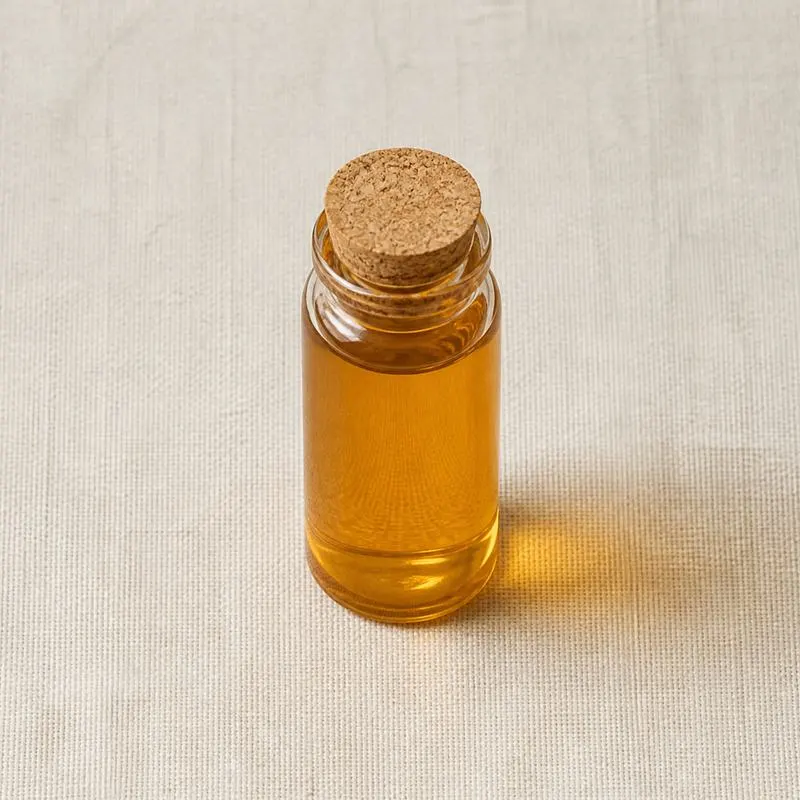
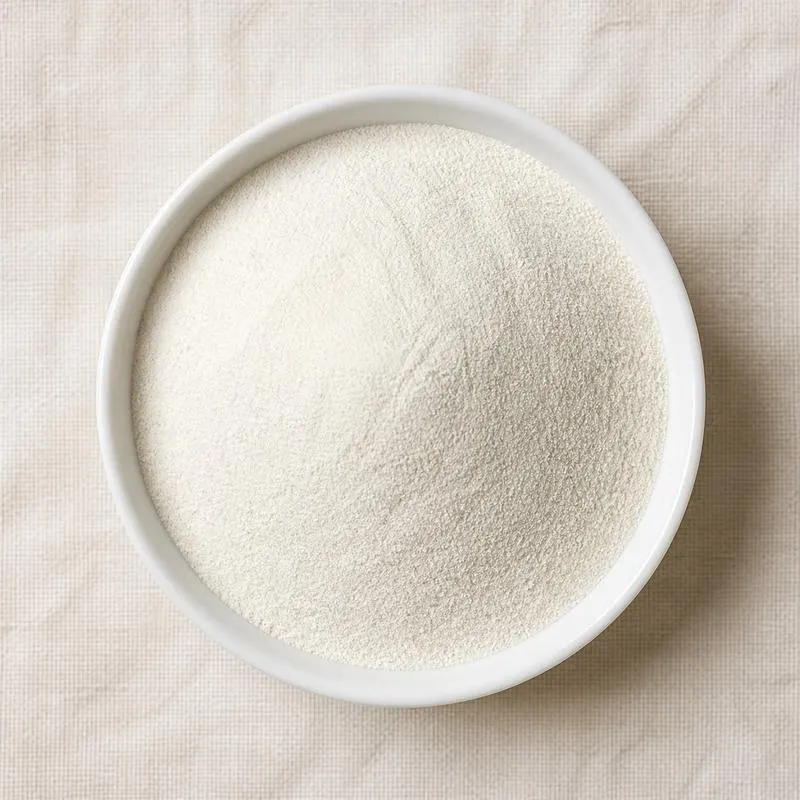
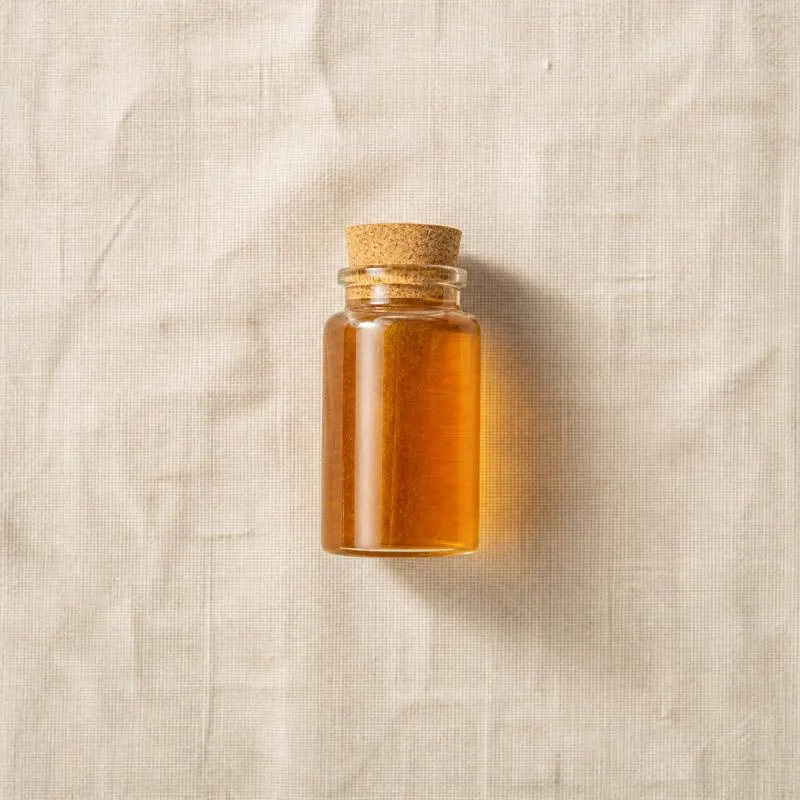
The seasoning reaches the market as an orange oil suspension or paste, as a powder, and as a bottled sauce for direct use. Oil based grades carry the fat soluble colour and the heavier aroma, while powders are easier to dose into dry blends.
We source bulk Crab Roe Seasoning from top China manufacturers for our partners. The manufacturer is in Guangdong. A smaller requirement can ship in a combined container with other ingredients.
Please send the grade you need, the volume and your destination port, and we will come back with a solution and a price.
or call +86-21-6858 0751
- Function
- Flavours and Aromas
Specifications
| Item | Specification |
|---|---|
| Appearance | Orange to reddish orange oil suspension, paste or powder |
| Odour and Flavour | Characteristic crab roe, sweet and marine, matching retained reference |
| Colour | Conforms to retained reference at declared dilution |
| Total Solids | Not less than 40.0 percent for paste grades |
| Total Nitrogen | Not less than 1.5 percent |
| Sodium Chloride | To formula, within 1.0 percent absolute of target |
| Fat | To formula for oil suspension grades |
| Moisture, powder grade | Not more than 5.0 percent |
| pH, 10 percent dispersion | 5.0 to 6.5 |
| Peroxide Value of Oil Phase | Not more than 5 meq/kg |
| Cadmium | Within the applicable limit for the destination market |
| Lead | Not more than 1 mg/kg |
| Total Plate Count | Not more than 10,000 cfu/g |
| E. coli | Absent in 1 g |
| Salmonella | Absent in 25 g |
Common Markets Grades
The main distinction is between grades containing genuine crab material, made from crab roe, hepatopancreas or crab meat that has been enzymatically digested and reacted, and analogue grades built from fish, shrimp or plant hydrolysates with added colour and compounded flavour. Genuine grades are specified on crab content and are subject to shellfish allergen declaration and to species and origin documentation. Analogue grades avoid that but do not reproduce the fatty depth of the real material.
Beyond composition, grades separate by form and by intended use. Oil suspensions carry a stated solids content in soybean, rapeseed or another refined oil and serve where colour and richness are wanted. Pastes carry more water and body. Spray dried powders are made for seasoning blends and instant products. A ready to use bottled crab roe sauce, carrying visible particulate and seasoned to be eaten directly, is a separate product from the flavouring concentrate. Colour intensity, measured against a reference, and the balance between sweet and marine notes are the attributes buyers specify most closely.
Applications
- Crab roe noodle and dumpling sauces in foodservice and retail
- Instant noodle seafood seasoning sachets and seasoning oils
- Xiaolongbao and dumpling fillings, where the roe character is a claimed feature
- Fried rice, stir fry and clay pot sauce bases
- Surimi products, crab sticks and seafood analogues
- Retorted and frozen ready meals with a seafood positioning
- Snack seasoning, applied through an oil slurry during tumbling
- Dipping sauces, hotpot condiments and mayonnaise style dressings
- Prepared soups, congee and steamed egg products
China Manufacturers of Crab Roe Seasoning
Top Crab Roe Seasoning manufacturers in China.

Company names and logos are the property of the manufacturers themselves. They are listed here because our own directory records them as producing this ingredient. A listing is not an endorsement by them, and we do not represent them or speak on their behalf.
Regulatory Status
In the United States products of this type are foods regulated by the Food and Drug Administration, and a facility handling crab is subject to the seafood hazard analysis and critical control point regulation at 21 CFR 123 as well as to the preventive controls rules. Crustacean shellfish is a major food allergen and must be declared. The FEMA GRAS programme covers compounded flavour components and 21 CFR 101.22 governs their labelling, monosodium glutamate is declared by name, and any colour added is subject to the colour additive regulations, with astaxanthin permitted for specific uses rather than generally.
In the European Union the enhancer components carry E numbers under Regulation (EC) No 1333/2008, principally monosodium glutamate as E621 and the ribonucleotide salts in the E627 to E635 range, and the same regulation authorises any colour used. Flavourings, including thermal process flavourings made under the defined conditions, fall under Regulation (EC) No 1334/2008 and carry no E number. Crustacean derived material requires an approved establishment under Regulation (EC) No 853/2004 and triggers mandatory allergen declaration, and cadmium in crustacean hepatopancreas is a recognised contaminant concern that is controlled at raw material selection. Codex is relevant through its standard and code of practice for fish and fishery products and its general standard for food additives.
Manufacturing Process
Where real crab material is used, roe, hepatopancreas and trim recovered from crab processing are received frozen, thawed under control and ground. The slurry is heated briefly to inactivate native enzymes, particularly the lipases and proteases of the hepatopancreas that would otherwise generate rancid and bitter notes, then cooled and digested with added proteases until the target degree of hydrolysis is reached. Enzymes are inactivated by a high temperature hold and the digest is centrifuged, with the pigmented oil fraction recovered separately since it carries the colour and much of the character.
The hydrolysate is concentrated under vacuum and then reacted with reducing sugars and small amounts of sulphur bearing precursors under mildly acid conditions at around ninety five to one hundred and ten degrees Celsius, which generates the cooked notes, and cooled quickly to fix the profile. The reaction liquor and the recovered oil are recombined and blended with salt, sugar, umami salts, thickener, a carotenoid colour where extra depth is wanted and topping flavours. Oil grades are milled and homogenised into refined oil to a stable suspension, paste grades are filled hot, and powder grades are emulsified with maltodextrin or modified starch and spray dried. Release covers solids, nitrogen, salt, colour against a reference and microbiology, together with a sensory panel.