Cultured Sugar
Cultured sugar is a dried fermentate produced by growing a food culture on a sugar substrate and drying the whole broth, so that the finished powder contains the organic acids, peptides and other metabolites the culture generated together with the residual sugar it was grown on. It is sold as a shelf life ingredient, and its commercial reason for existing is labelling: it is declared as cultured sugar or cultured dextrose in the ingredient list rather than as a named preservative.
What the powder actually does depends on the organism used. Fermentation with Propionibacterium freudenreichii yields propionic and acetic acid and is the version used against mould and rope in bakery, since propionic acid is the classical inhibitor for both. Fermentation with lactococci or lactobacilli yields lactic and acetic acid together with diacetyl and, in some processes, bacteriocins, and is the version used in dairy, meat and dressings. In both cases the antimicrobial activity comes from the undissociated form of the acid, so the ingredient works well in acid systems and needs an acidity regulator alongside it in a product at neutral pH, exactly as the corresponding purified additive would.
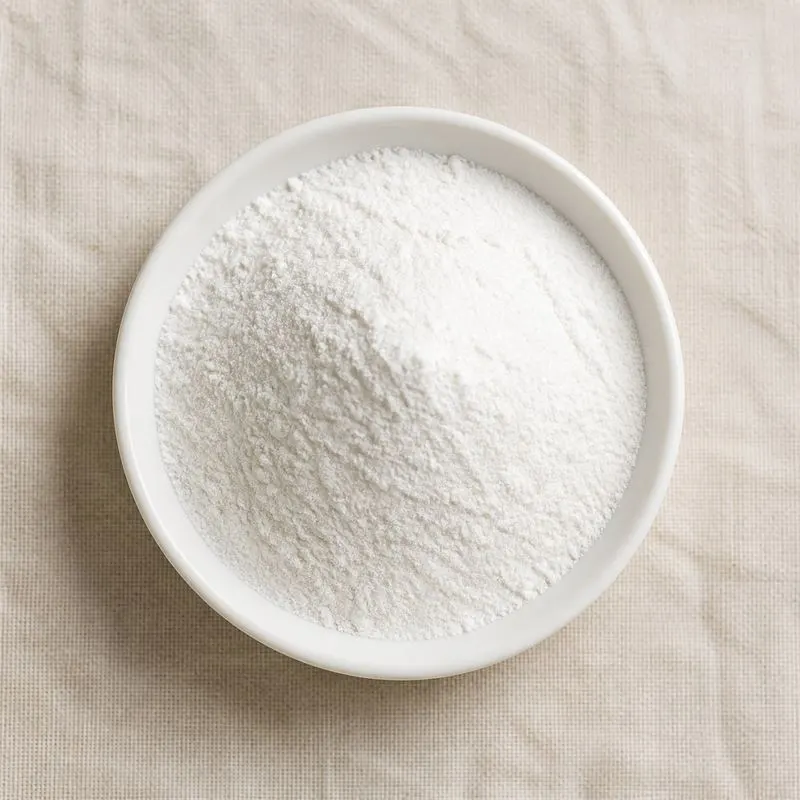
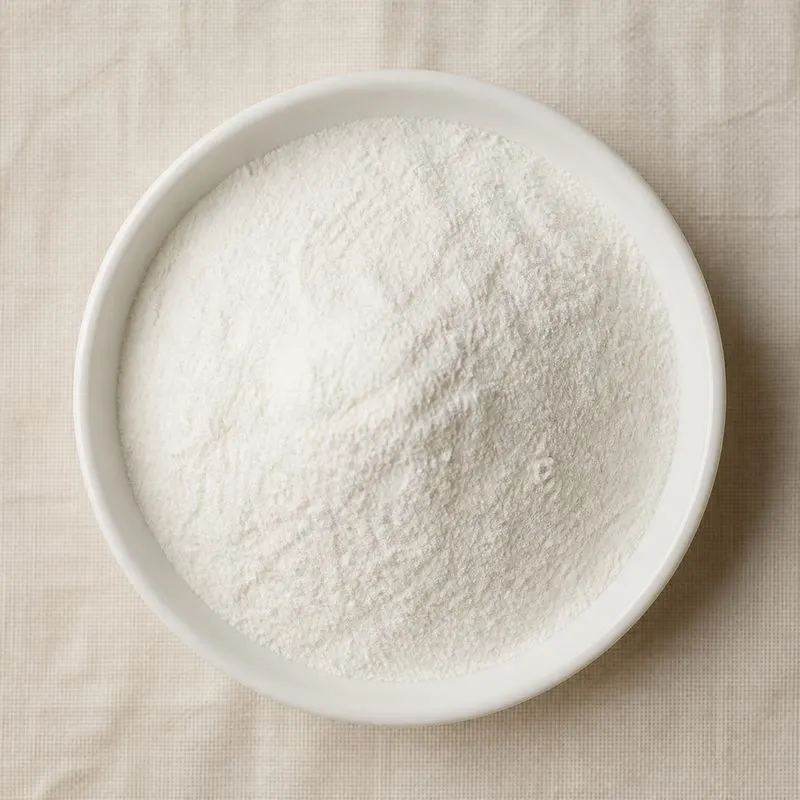
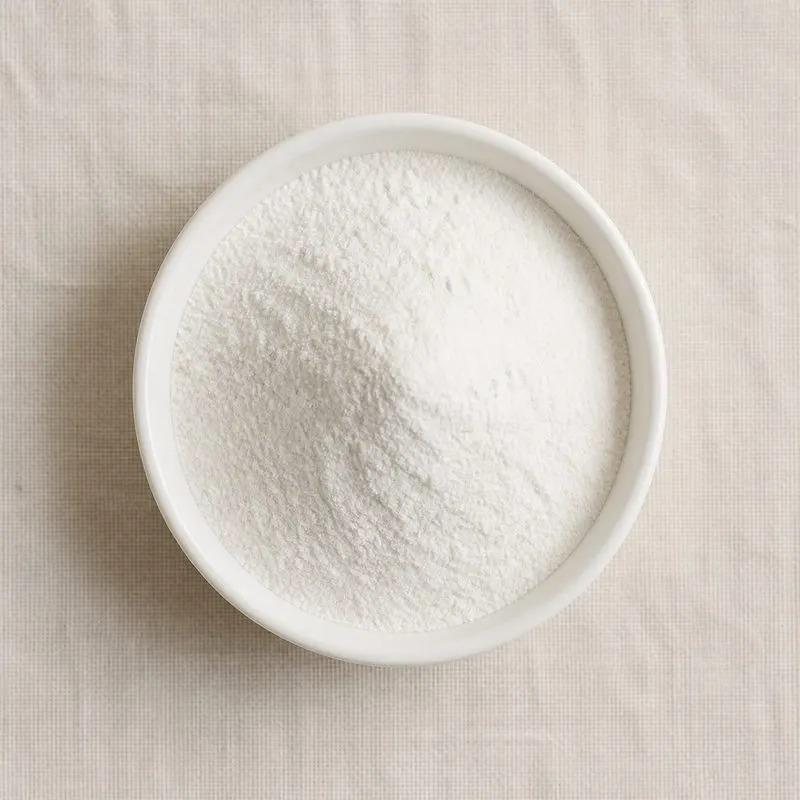
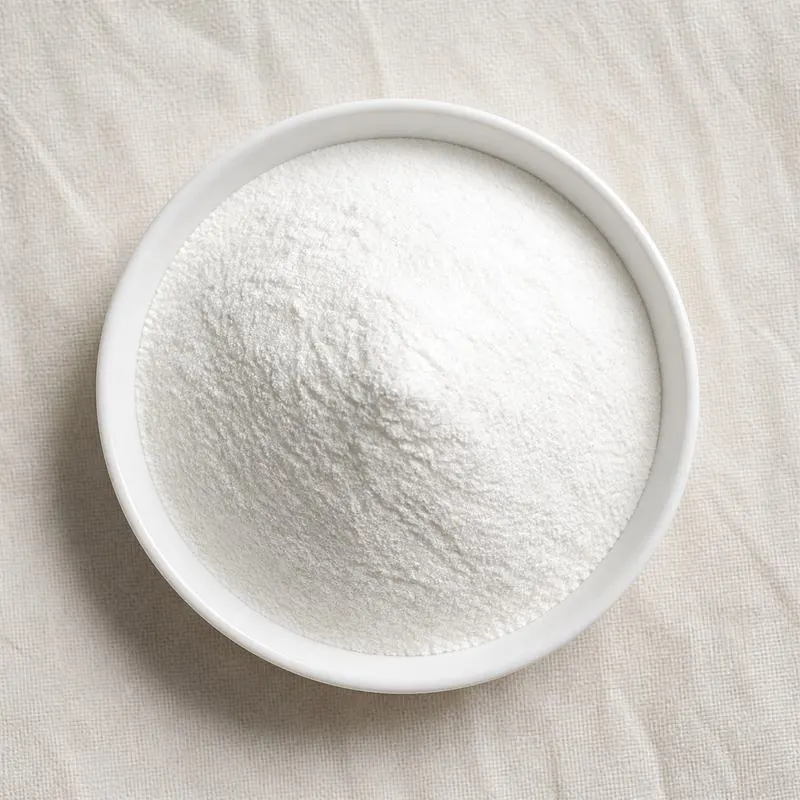
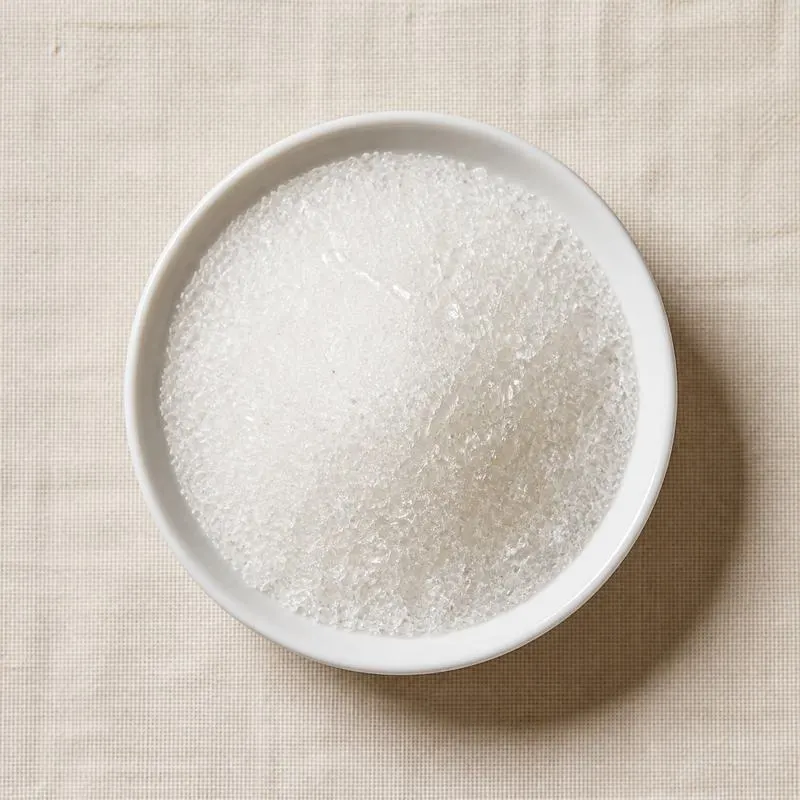
The material is a white to pale cream free flowing powder, soluble in water, with a mildly acidic and cheesy or vinegary aroma that becomes noticeable at high use levels and is the practical limit on how much can be added. It is hygroscopic and requires moisture barrier packing. Use levels are considerably higher than for the equivalent purified salt, because the active acid is a minor fraction of the powder.
We source bulk Cultured Sugar from top China manufacturers for our partners. The manufacturer is in Henan. A smaller requirement can ship in a combined container with other ingredients.
Please send the grade you need, the volume and your destination port, and we will come back with a solution and a price.
or call +86-21-6858 0751
- Function
- Probiotic
Specifications
| Item | Specification |
|---|---|
| Appearance | White to pale cream free flowing powder |
| Odour | Mildly acidic and cultured, free from foreign odour |
| Propionic Acid (propionate grades) | Not less than 10.0 percent |
| Total Organic Acids | Not less than 15.0 percent |
| Identification | Acid profile conforms to reference by chromatography |
| Loss on Drying | Not more than 6.0 percent |
| pH of 10 percent Solution | 3.5 to 5.5 |
| Particle Size | Not less than 95 percent through 60 mesh |
| Lead | Not more than 1 mg/kg |
| Arsenic | Not more than 1 mg/kg |
| Total Plate Count | Not more than 10000 cfu/g |
| Yeast and Mould | Not more than 100 cfu/g |
| Escherichia coli | Absent in 10 g |
| Salmonella | Absent in 25 g |
Common Markets Grades
The first distinction is the fermenting organism and therefore the acid profile. Propionate bearing grades are specified on propionic acid content and are directed at bakery. Lactic and acetic grades are specified on total organic acid and are directed at meat, dairy and prepared foods. Some grades add a buffered vinegar or a cultured dextrose fraction to raise the acetate contribution without lowering the pH of the finished food.
The second is concentration and carrier. Standard grades are the dried whole broth, in which the active acids are a modest percentage of the powder and the balance is residual carbohydrate and cell solids. Concentrated grades are produced by removing part of the sugar before drying or by fermenting a richer medium, and allow a lower addition rate for the same effect, which matters where flavour contribution is limiting. Grades are also distinguished by substrate, since cane or beet sugar, dextrose from maize and dextrose from wheat lead to different declarations and different allergen positions, and by whether the finished powder has been standardised against a microbiological challenge test rather than only on acid assay.
Applications
- Bread and bakery products, where the propionate fraction suppresses mould and rope without a declared preservative
- Tortillas and flatbreads, where mould limits ambient shelf life and label expectations rule out calcium propionate
- Cakes and fine bakery, where the high moisture crumb is the site of mould growth
- Ready to eat meat products, where the acetate and lactate fraction acts as a listeria growth inhibitor
- Fresh sausage and marinated meat, where it slows the lactic acid bacteria that limit chilled display life
- Dressings, sauces and dips, where yeasts and moulds are the spoilage flora
- Fresh pasta, wraps and prepared meal components, where the ingredient is added at the mixing stage
- Cheese and dairy products, where it controls mould on the surface and yeast in high moisture types
- Plant based dairy and meat analogues, where the label is expected to stay free of declared preservatives
- Prepared salads and deli items, where a short chilled life is being extended without a formulation change
China Manufacturers of Cultured Sugar
Top Cultured Sugar manufacturers in China.

Company names and logos are the property of the manufacturers themselves. They are listed here because our own directory records them as producing this ingredient. A listing is not an endorsement by them, and we do not represent them or speak on their behalf.
Regulatory Status
The regulatory position of this class of ingredient is more contested than its ingredient list appearance suggests. In the United States cultured sugar and cultured dextrose are treated as food ingredients and declared by those names, and the underlying acids are themselves substances generally recognised as safe. The complication is that the Food and Drug Administration requires a chemical preservative to be declared with a statement of its function, so an ingredient added for shelf life extension may be expected to carry that description, and the labelling of fermentates used for a preservative purpose has been the subject of continuing debate rather than a settled rule.
In the European Union the position is more restrictive. The food additives regulation defines an additive by function rather than by origin, so a preparation added to a food for the purpose of preservation falls within the definition regardless of whether it was produced by fermentation, and the Commission has taken the view that fermentates with a demonstrated technological function should be treated as additives requiring authorisation rather than as ingredients. That leaves such products lawful where they are genuinely added for flavour, and in a difficult position where the purpose is preservation, and the distinction has been the subject of guidance and of national enforcement. None of these preparations carries an E number. Codex likewise defines a food additive by function, and its general standard for food additives applies to the underlying acids rather than to the fermentate as such.
Manufacturing Process
Production is a fermentation in which the whole broth becomes the product, so the medium is designed to be edible rather than to be discarded. A refined sugar, sucrose or dextrose, is dissolved to the working concentration and supplemented with a nitrogen source, usually yeast extract or a protein hydrolysate, together with mineral salts. The medium is heat treated, cooled and inoculated with the selected culture, which is propionibacteria where a propionate profile is wanted and lactococci or lactobacilli where a lactic and acetic profile is wanted.
Fermentation is carried out anaerobically in stirred tanks with pH held by alkali addition, since the acids produced would otherwise stop the culture long before the target acid concentration is reached, and it is run for a defined period rather than to exhaustion, because the ratio of acids and the residual sugar are both part of the specification. When the target is reached the broth is pasteurised, which stops fermentation and kills the culture, and there is no separation step: cells, metabolites and residual medium all go forward. The broth is standardised for acid content, blended with a carrier where a fixed assay is required, and spray dried, with inlet and outlet temperatures controlled so that the volatile acids are not driven off. The powder is sieved, assayed for the marker acid and, in the better specifications, checked against a microbiological challenge in a model food system, then packed under moisture barrier.