Cumin Extract
Cumin extract is prepared from the dried fruit of Cuminum cyminum, an annual of the Apiaceae grown chiefly in India, Iran, Syria, Turkey and China. It is traded as essential oil, as oleoresin and as dispersible powder, and it exists because ground cumin loses aroma quickly and varies from lot to lot, whereas an extract can be standardised and dosed precisely.
The aroma comes from a small set of compounds. Cuminaldehyde, typically 20 to 40 percent of the essential oil, carries the characteristic heavy spicy note, and it is supported by the cumin alcohols and by gamma-terpinene, beta-pinene and para-cymene, which supply the fresh terpene lift. The distinctive sweaty, penetrating quality of cumin comes from the cumin aldehydes and their derived alcohols rather than from any sulphur compound. The non-volatile fraction recovered in oleoresin carries fixed oil, flavonoids and a small quantity of pigment.
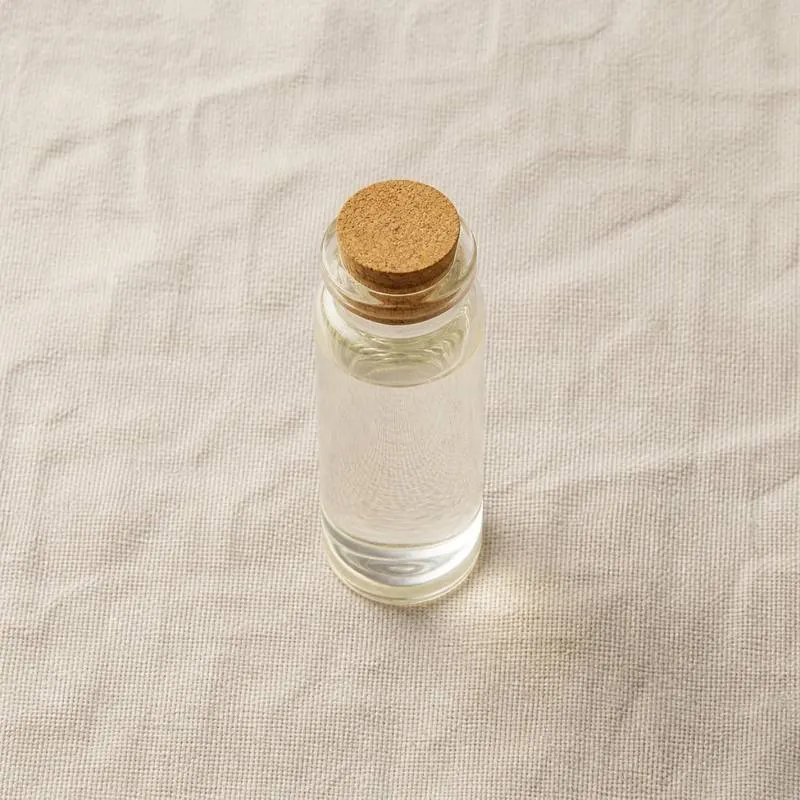
Essential oil is a pale yellow to brownish mobile liquid that darkens on storage; oleoresin is a viscous dark brown material. Both are oil soluble and effectively insoluble in water, so beverage and aqueous applications use emulsified or spray-dried carrier forms. Cuminaldehyde oxidises readily, so material is held cold under nitrogen.
We source bulk Cumin Extract from top China manufacturers for our partners. The manufacturers are in Chongqing and Henan. A smaller requirement can ship in a combined container with other ingredients.
Please send the grade you need, the volume and your destination port, and we will come back with a solution and a price.
or call +86-21-6858 0751
- Function
- Plant extract
Specifications
| Item | Specification |
|---|---|
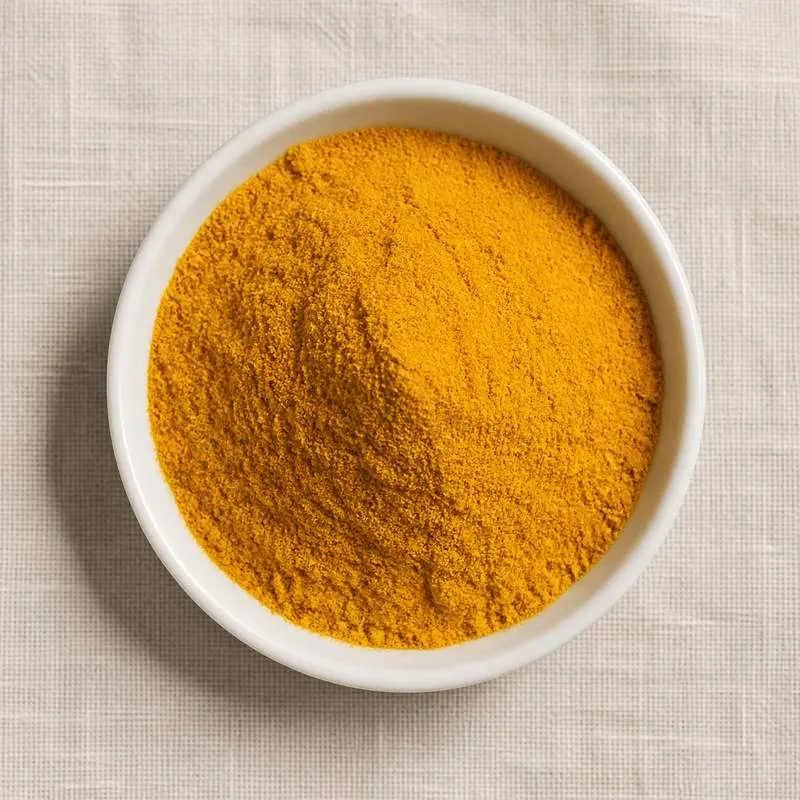
| Appearance | Viscous dark brown oleoresin or free-flowing dispersible powder |
| Odour and flavour | Characteristic warm spicy cumin profile |
| Volatile oil | 10.0 ml/100 g minimum for oleoresin |
| Cuminaldehyde (GC) | 20.0 percent minimum of volatile oil |
| Identification | GC profile conforms to Cuminum cyminum reference chromatogram |
| Refractive index at 20 degrees C | 1.501 to 1.511 for essential oil |
| Relative density at 20 degrees C | 0.905 to 0.925 for essential oil |
| Loss on drying (dispersible powder) | 5.0 percent maximum |
| Total ash (dispersible powder) | 8.0 percent maximum |
| Peanut and tree nut protein | Not detected by ELISA |
| Lead | 2.0 mg/kg maximum |
| Arsenic | 1.0 mg/kg maximum |
| Total plate count | 10000 cfu/g maximum |
| Salmonella | Absent in 25 g |
Common Markets Grades
The main division is between steam distilled essential oil, specified on cuminaldehyde content, and solvent extracted oleoresin, quoted on volatile oil content in millilitres per hundred grams alongside a total extract solids figure. Supercritical carbon dioxide extract is a third grade, closer to the aroma of the fresh spice because it avoids both heat and solvent, and it is bought where profile matters more than cost.
Dispersible and encapsulated forms make up much of the seasoning trade. Oleoresin is plated onto salt, dextrose, maltodextrin or silica to give a free-flowing powder at a stated equivalence to ground spice, and spray-dried emulsions on gum acacia or modified starch are used where the flavour must go into an aqueous system. Standardised cuminaldehyde-enriched fractions are produced by vacuum fractionation. Sterilised ground cumin, treated by steam or irradiation, is a separate article traded alongside the extracts, and organic certified material is available in all forms.
Applications
- Curry powders, garam masala and spice blends, where oleoresin gives batch-to-batch consistency that ground seed does not
- Processed meat seasonings for sausage, chorizo and marinated products
- Snack and extruded product seasonings applied as a dry topical dust
- Sauces, chutneys and condiment bases including chilli and taco preparations
- Instant soups, noodle sachets and bouillon
- Bakery applications in flatbreads, crackers and savoury biscuits
- Cheese and dairy products in which cumin is a traditional inclusion
- Pickles and vegetable preserves
- Alcoholic beverage botanicals in gin and bitters formulations
- Fragrance and personal care compounding where a warm spicy note is required
China Manufacturers of Cumin Extract
Top Cumin Extract manufacturers in China.
 Chongqing Huacui Bio-technology Co., Ltd.10 ingredients in the directory
- Nanyang Plant Essence Extraction Co., Ltd.18 ingredients in the directory
Company names and logos are the property of the manufacturers themselves. They are listed here because our own directory records them as producing this ingredient. A listing is not an endorsement by them, and we do not represent them or speak on their behalf.
Regulatory Status
In the United States, 21 CFR 182.10 and 182.20 list cumin, its oil and its oleoresin among the spices, essential oils and oleoresins generally recognised as safe for their intended use in food, and cumin oil carries a FEMA GRAS number as a flavouring substance. Use is therefore at levels consistent with good manufacturing practice. The compliance history that matters for this particular spice is adulteration: cumin has been the subject of import alerts and recalls arising from undeclared peanut and almond protein found in ground material, so allergen testing of incoming raw material is standard practice, and extracts are valued partly because the extraction step removes protein.
In the European Union cumin extracts are flavouring preparations obtained from a food source and are handled under the flavourings regulation without individual authorisation. There is no E number. Ground cumin has been subject to reinforced import controls and to the same undeclared allergen concerns, and the general contaminant and hygiene legislation applies, including limits relevant to dried spices. Codex has adopted a standard for cumin as a spice covering identity, moisture, ash and defect tolerances, and the general Codex provisions on contaminants and food hygiene apply alongside it.
Manufacturing Process
Cleaned cumin seed is destoned, sieved and metal separated, then coarsely ground immediately before processing, since ground seed begins losing volatiles at once. For essential oil the crushed seed is charged to a stainless steel still and steam distilled for several hours, with the condensate separated in a Florentine flask and the aqueous distillate cohobated to recover dissolved oxygenated compounds. The crude oil is dried, filtered and stored cold under nitrogen.
For oleoresin the ground seed is percolated with hexane, ethanol or acetone in a countercurrent extractor and the miscella is desolventised under vacuum at the lowest workable temperature. Because that stripping removes volatiles along with the solvent, producers commonly distil the volatile oil separately and blend it back to a declared strength, which is how a consistent oleoresin specification is achieved. Supercritical carbon dioxide extraction is the alternative route, run at controlled pressure and temperature with the extract dropped out in a separator when the pressure falls, avoiding both heat damage and solvent residue. Finished oleoresin destined for dry blends is dispersed onto a carrier in a ribbon blender or spray dried from an emulsion, then sieved and packed.