D-Alpha Tocopherol
D-Alpha Tocopherol, correctly written RRR-alpha-tocopherol, is the natural form of vitamin E: a chromanol ring fully methylated at the 5, 7 and 8 positions carrying a saturated phytyl side chain, with all three of its stereocentres in the R configuration.
Stereochemistry is the whole commercial argument for the material. Synthetic all-rac-alpha-tocopherol is a mixture of eight stereoisomers, of which only one is RRR, and the hepatic alpha-tocopherol transfer protein that loads vitamin E onto circulating lipoproteins recognises the RRR configuration preferentially. That is why the natural form is assigned a higher activity per milligram than the synthetic, and why the two are not interchangeable weight for weight on a label.
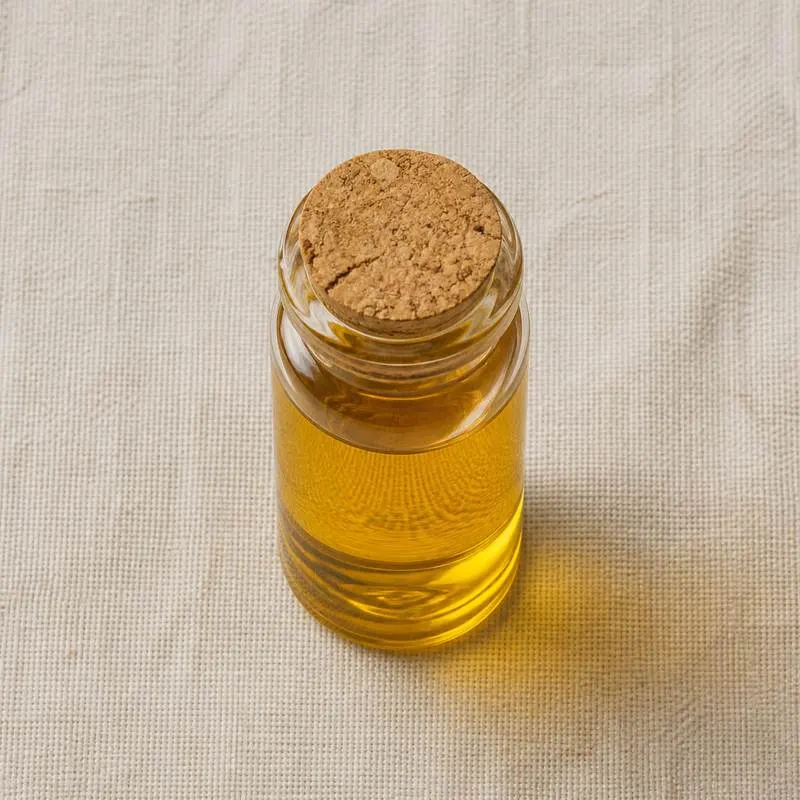
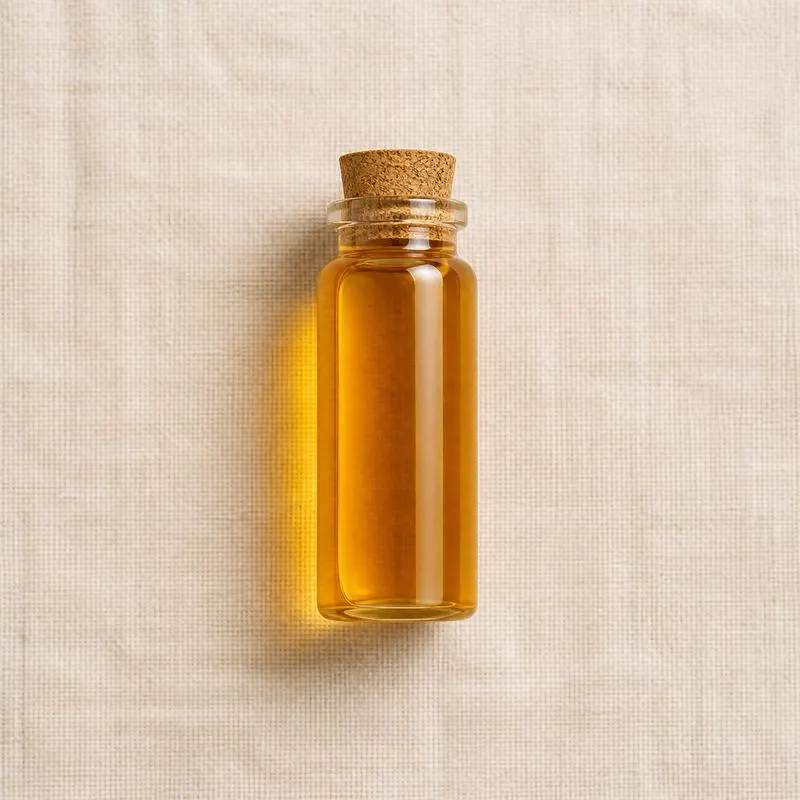
It is a clear, viscous, pale yellow to amber oil with a faint characteristic odour, insoluble in water and miscible with oils, fats and ethanol. Because the phenolic hydroxyl on the ring is free rather than esterified, the molecule is an active radical scavenger in its own right and consequently oxidises and darkens on exposure to air, light and metal ions. It is handled and stored under nitrogen, and where long shelf life matters more than immediate antioxidant activity, formulators use the acetate or succinate ester instead.
We source bulk D-Alpha Tocopherol from top China manufacturers for our partners. The manufacturer is in Jiangsu. A smaller requirement can ship in a combined container with other ingredients.
Please send the grade you need, the volume and your destination port, and we will come back with a solution and a price.
or call +86-21-6858 0751
- Function
- Vitamin
Specifications
| Item | Specification |
|---|---|
| Appearance | Clear viscous oil, pale yellow to amber |
| Identification | Infrared and HPLC conform to reference standard |
| Assay, as alpha-tocopherol | ≥ 96.0% |
| Potency | 1,360 IU/g minimum |
| Specific Rotation | ≥ +24.0° in ethanol |
| Refractive Index at 20 °C | 1.503 to 1.507 |
| Acid Value | ≤ 1.0 mg KOH/g |
| Peroxide Value | ≤ 5.0 meq/kg |
| Water Content | ≤ 0.2% |
| Residue on Ignition | ≤ 0.1% |
| Residual Hexane | ≤ 25 mg/kg |
| Lead | ≤ 2.0 mg/kg |
| Arsenic | ≤ 1.0 mg/kg |
| Heavy Metals | ≤ 10 mg/kg |
Common Markets Grades
The oil is traded principally at 1000 IU per gram and 1360 IU per gram, corresponding to a total tocopherol assay of roughly 67 percent and 92 percent, with the balance being the vegetable oil in which it is diluted and the residual non-alpha homologues. Higher purity material approaching 96 percent alpha-tocopherol is produced to pharmacopoeial monograph requirements.
Beyond the oil, dry grades are the dominant format in tablets and dry premixes: the oil is emulsified with modified starch, gelatin or gum acacia and spray dried, or adsorbed onto silicon dioxide, giving free flowing powders typically standardised at 250 or 400 IU per gram. Cold water dispersible and beadlet forms with an added antioxidant and a protective matrix are made for beverages and for applications where oxygen exposure over shelf life is the limiting factor. Non-GMO and identity preserved documentation is standard because the feedstock is a commodity oilseed stream, and the diluent oil must be declared for allergen purposes.
Applications
- Vitamin E softgel capsules and multivitamins, as the natural source form of the vitamin
- Infant formula and follow on formula, where vitamin E is a mandated nutrient
- Clinical and enteral nutrition, supplying the fat soluble vitamin fraction
- Fortified beverages and dairy drinks, using the dispersible dry or beadlet form
- Sports nutrition powders and bars, contributing the declared vitamin E content
- Edible oils and fat blends, where it doubles as a nutrient and a chain breaking antioxidant
- Omega-3 fish and algal oil preparations, protecting the unsaturated fraction from oxidation
- Skin care emulsions and serums, as an active antioxidant and label ingredient
- Animal feed and pet food, as the natural source vitamin E supplement
- Encapsulated carotenoid and vitamin A preparations, protecting other oxidisable actives
Brands Using D-Alpha Tocopherol
Widely-distributed consumer products that list D-Alpha Tocopherol on the ingredient label.
- Country LifeNatural Vitamin E-Complex 400 I.U. Softgels ↗Supplement facts read 'Vitamin E (as d-alpha tocopherol with natural unesterified d-beta, d-delta, d-gamma tocopherols) 268 mg (400 I.U.)'.Label verified 2026-08-31
- Nature's WayVitamin E D-Alpha Tocopherol Softgels ↗Softgel vitamin E sold under the name D-Alpha Tocopherol, the natural-source form of the vitamin.Label verified 2026-08-31
- Bluebonnet NutritionVitamin E 400 IU d-Alpha & Mixed Tocopherols Softgels ↗Softgels supplying 268 mg (400 IU) of vitamin E as d-alpha tocopherol together with mixed tocopherols.Label verified 2026-08-31
- CarlsonE-Gems Plus 400 IU (268 mg) Soft Gels ↗Product description states it provides d-alpha tocopherol plus a mixture of d-beta, d-delta and d-gamma tocopherols.Label verified 2026-08-31
Brand names, product names and logos are the property of their owners. They appear here as published evidence that the ingredient is used, taken from the brand's own label or website. Their appearance is not an endorsement, and it does not mean the brand buys from us or from any manufacturer listed on this site.
China Manufacturers of D-Alpha Tocopherol
Top D-Alpha Tocopherol manufacturers in China.

Company names and logos are the property of the manufacturers themselves. They are listed here because our own directory records them as producing this ingredient. A listing is not an endorsement by them, and we do not represent them or speak on their behalf.
Regulatory Status
In the United States alpha-tocopherol is affirmed as generally recognised as safe for nutrient use under 21 CFR 184.1890, and tocopherols are separately GRAS as chemical preservatives under 21 CFR 182.3890. The United States Pharmacopeia carries a monograph covering vitamin E in its several forms, and labelling of the natural form must distinguish it from all-rac material because the activity assigned per milligram differs.
In the European Union D-alpha-tocopherol is not treated as a food additive when it is added for nutritional purposes; it appears among the permitted forms of vitamin E for the addition of vitamins to foods under Regulation (EC) No 1925/2006 and for food supplements under Directive 2002/46/EC, and vitamin E is a mandatory nutrient in infant and follow on formula. Where the same substance is used as an antioxidant rather than a nutrient it falls under Regulation (EC) No 1333/2008, with tocopherol-rich extract listed as E306. Feed use is authorised under the European feed additives regulation, and the European Pharmacopoeia carries monographs for the tocopherol forms.
Manufacturing Process
Production begins with the same deodoriser distillate stream that yields mixed tocopherols. Soybean, sunflower or rapeseed distillate is esterified with methanol so that free fatty acids become methyl esters, which are stripped off, and sterols are removed by low temperature crystallisation. Short path molecular distillation under high vacuum then concentrates the tocopherols with a short residence time that avoids thermal damage.
The resulting concentrate is dominated by gamma-tocopherol, so making alpha requires converting the lower homologues. This is done by methylation: the gamma, beta and delta molecules are aminomethylated at the free ring positions using formaldehyde and a secondary amine, and the resulting Mannich bases are hydrogenated over a catalyst to install methyl groups, yielding alpha-tocopherol with the natural RRR side chain configuration untouched. The product is purified by a further molecular distillation, decoloured on adsorbent, and standardised with refined vegetable oil to the declared potency. Dry forms are made downstream by emulsifying the oil into a matrix of modified starch or gelatin and spray drying, or by adsorption onto silica. Every stage after the first distillation runs under nitrogen.