D-Glucuronic Acid Sodium
Sodium D-glucuronate is the sodium salt of D-glucuronic acid, the uronic acid formed when the primary alcohol at carbon six of D-glucose is oxidised to a carboxyl group, and it is traded as the salt because the neutral form behaves better in solution than the free acid does.
The glucuronate anion is the same species that appears as the alternating unit in hyaluronic acid, chondroitin sulphate and heparin, that occurs in plant gums such as gum arabic and xanthan, and that the liver attaches to lipophilic compounds during phase two conjugation. Presenting it as a sodium salt removes the acidity of the free acid, which is what makes it usable in neutral pH systems.
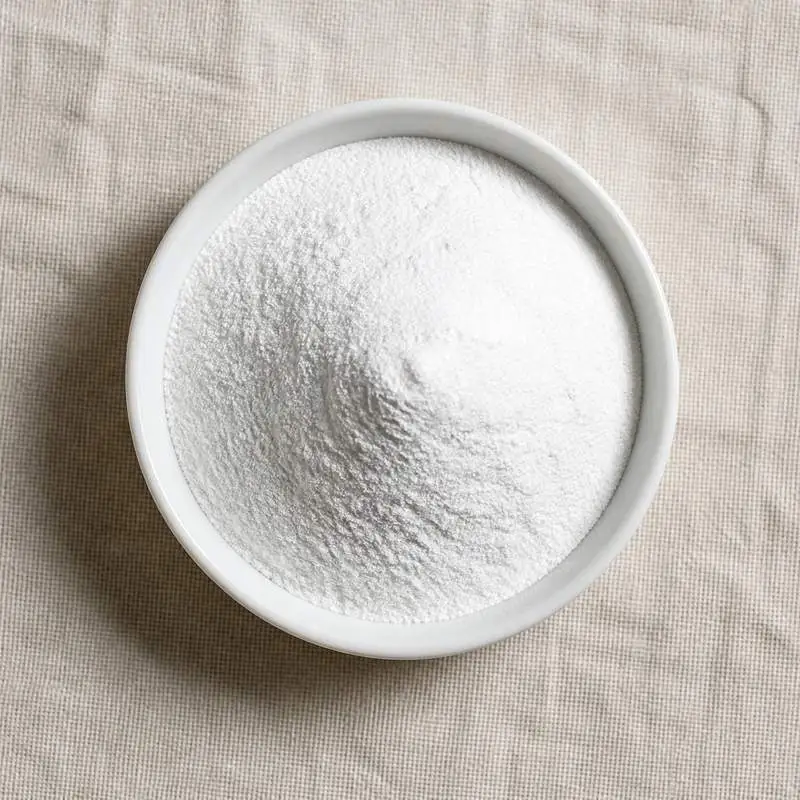
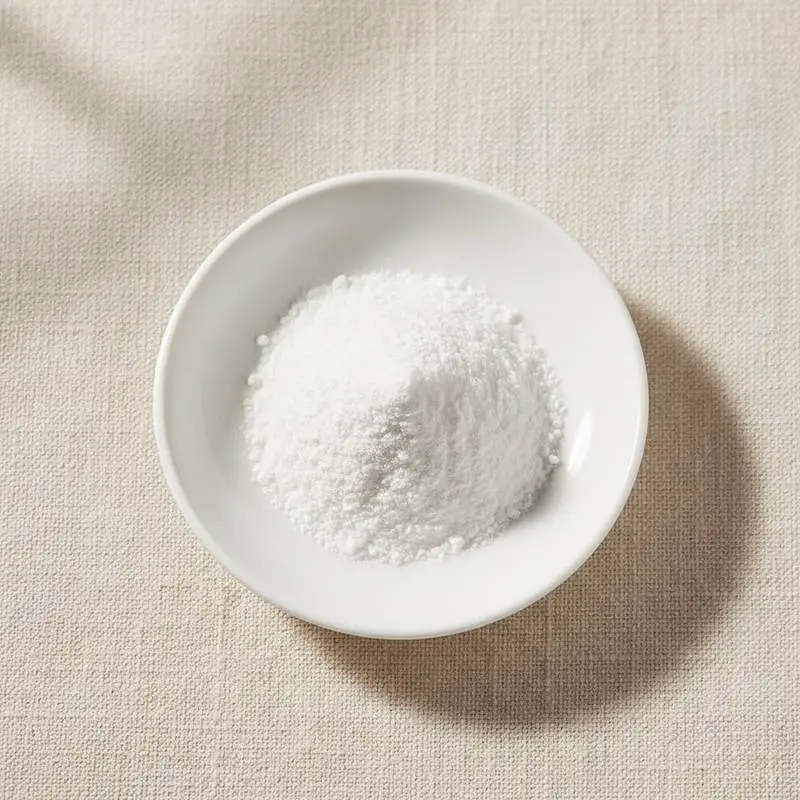
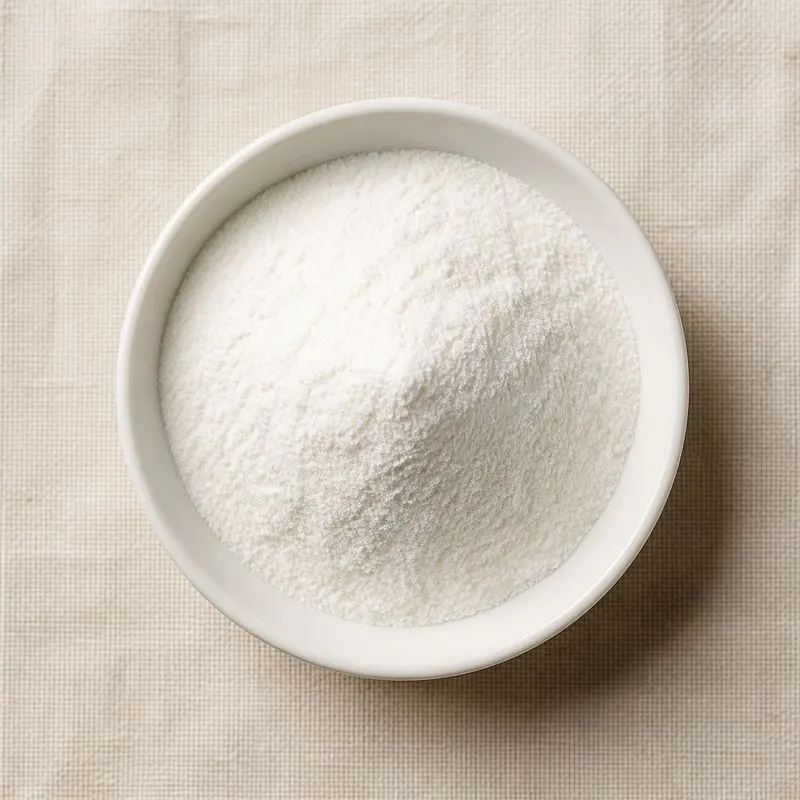
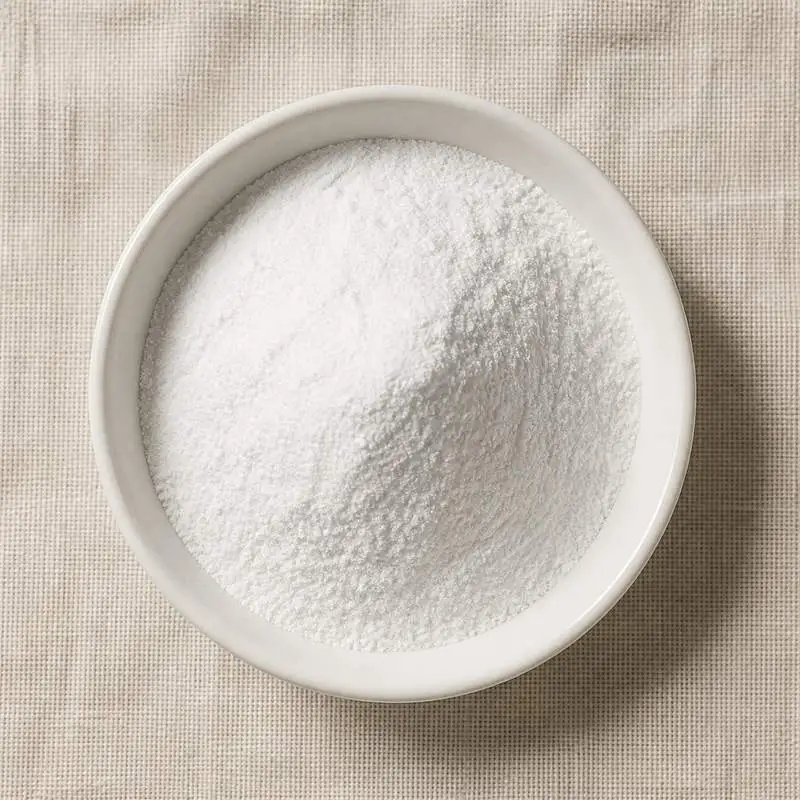
It is a white to off-white crystalline or amorphous powder, freely soluble in water, poorly soluble in ethanol and insoluble in non-polar solvents, giving solutions close to neutral. Compared with the free acid it is markedly less prone to closing into the internal lactone, so its assay holds better in solution and through storage, and it is the preferred form for liquid dosing and for buffered formulations. It is hygroscopic and is packed with desiccant under low humidity.
We source bulk D-Glucuronic Acid Sodium from top China manufacturers for our partners. The manufacturer is in Anhui. A smaller requirement can ship in a combined container with other ingredients.
Please send the grade you need, the volume and your destination port, and we will come back with a solution and a price.
or call +86-21-6858 0751
- Function
- Nutraceutical
Specifications
| Item | Specification |
|---|---|
| Appearance | White to off-white crystalline powder |
| Identification | Infrared spectrum conforms to reference; positive for sodium |
| Assay, dried basis | Not less than 98.0% |
| Sodium Content | 9.5% to 11.5% |
| Specific Optical Rotation | Plus 20.0 to plus 24.0 degrees |
| Free D-Glucuronic Acid | Not more than 1.0% |
| Reducing Sugars as Glucose | Not more than 0.5% |
| Loss on Drying | Not more than 5.0% |
| pH, 5% solution | 6.0 to 8.0 |
| Residual Ethanol | Not more than 0.5% |
| Lead | Not more than 1.0 mg/kg |
| Arsenic | Not more than 1.0 mg/kg |
| Total Plate Count | Not more than 1,000 CFU/g |
| Salmonella | Absent in 25 g |
Common Markets Grades
Supplement and food grade material assaying 98 percent or higher on the dried basis is the volume specification, with sodium content controlled in parallel and the hydration state declared, since the salt is traded in both anhydrous and hydrated forms and the assay basis shifts between them. Optical rotation confirms the D configuration, and residual free acid and lactone are limited because both would otherwise inflate an apparent uronic acid result without meeting the salt specification.
A pharmaceutical and reference grade with tighter heavy metal, residual solvent and related substance limits is produced in small volume for synthesis and for preparing glucuronide standards. Beyond assay the practical variables are physical: a fine milled powder for capsule filling and dry blends, a granular grade with better flow for direct compression, and a spray dried grade where the material is being carried into a liquid or beverage premix. The free acid is traded alongside it and the two are not interchangeable on a weight basis.
Applications
- Liver support and detoxification supplements formulated at neutral pH, where the free acid would be too acidic
- Energy drinks and sports blends, used alongside or in place of glucuronolactone
- Joint health formulations positioned on the glycosaminoglycan backbone
- Ready to drink beverages and liquid supplements, where the salt keeps its assay better than the free acid
- Buffered effervescent and dissolving powders needing a neutral uronic acid source
- Synthesis intermediate for glucuronide conjugates and for related carbohydrate chemistry
- Cosmetic and skincare formulations using the humectant properties of the glucuronate anion
- Microbial culture media requiring a defined and pH neutral uronic acid carbon source
China Manufacturers of D-Glucuronic Acid Sodium
Top D-Glucuronic Acid Sodium manufacturers in China.
Company names and logos are the property of the manufacturers themselves. They are listed here because our own directory records them as producing this ingredient. A listing is not an endorsement by them, and we do not represent them or speak on their behalf.
Regulatory Status
In the United States, sodium D-glucuronate is sold as a dietary ingredient under the Dietary Supplement Health and Education Act rather than as an approved food additive, and a new dietary ingredient notification is the usual route where a pre-1994 history of use cannot be documented. Finished goods built on it are therefore positioned as supplements rather than as conventional foods, and the sodium contribution is accounted for in the nutrition declaration.
In the European Union, the salt is not an authorised food additive and carries no E number. The related lactone, glucuronolactone, is permitted in energy drinks under the conditions set out in the labelling rules for those products, while a preparation of sodium glucuronate intended for supplements is assessed against the novel food regulation where it lacks significant consumption in the Union before May 1997, with member state supplement rules applying in parallel. There is no JECFA additive specification, so buyers rely on the manufacturer's monograph together with a carbohydrate impurity profile by chromatography and a sodium determination.
Manufacturing Process
The salt is made from purified D-glucuronic acid, which itself comes from one of two routes. In the oxidation route, starch derived glucose is oxidised selectively at carbon six by catalytic air oxidation over supported platinum or palladium at controlled pH, or by nitroxyl radical mediated oxidation where higher selectivity is needed, and the liquor is filtered free of catalyst, decolourised on activated carbon and separated on ion exchange resin to remove unreacted glucose and the gluconic and glucaric acid by-products. In the hydrolytic route, uronic acid rich polysaccharides such as pectin or plant gums are hydrolysed under controlled acid or enzymatic conditions and the glucuronic acid is captured from the hydrolysate on anion exchange resin while the neutral sugars pass through.
The purified acid solution is then neutralised with sodium hydroxide or sodium carbonate to the target pH under temperature control, since holding the solution warm and alkaline degrades the sugar acid and darkens the liquor. The neutralised solution is polished on carbon, concentrated under vacuum at low temperature, and the salt is recovered either by crystallisation with ethanol as an antisolvent or, where an amorphous free flowing powder is wanted, by spray drying the concentrate directly. Crystallised material is centrifuged, washed with chilled aqueous ethanol and dried under vacuum; both routes finish with milling, sieving, blending to a uniform lot and packing with desiccant.