D-Glucuronolactone
D-Glucuronolactone is the gamma-lactone of D-glucuronic acid, a naturally occurring carbohydrate metabolite produced in the liver from glucose.
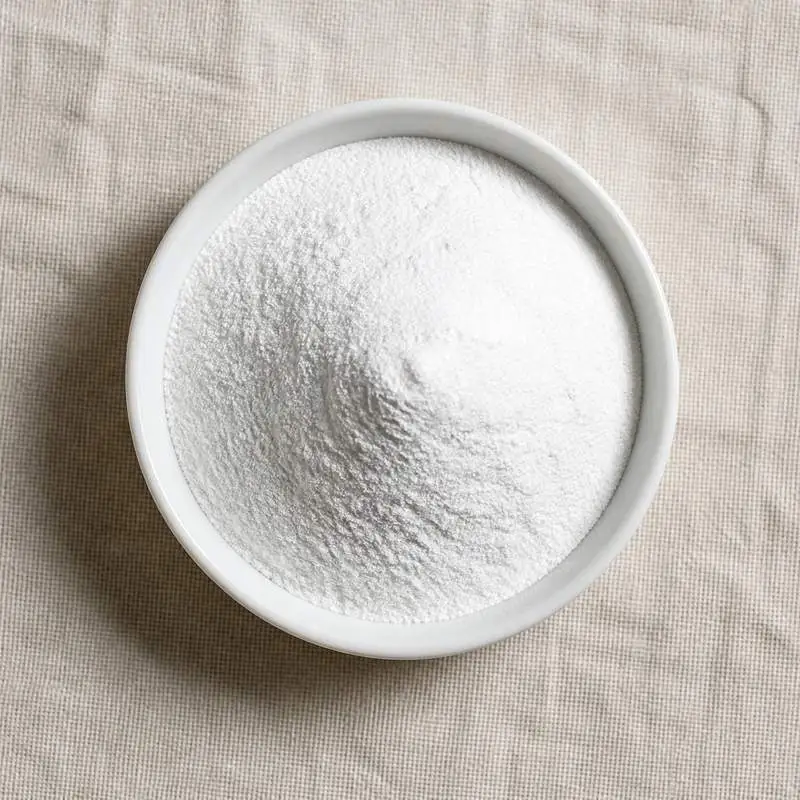
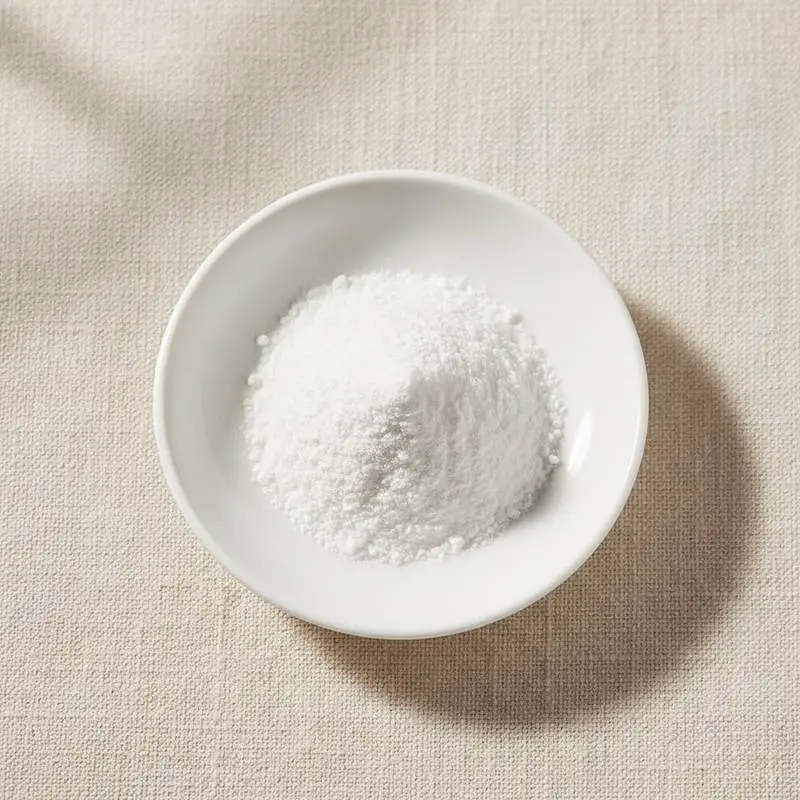
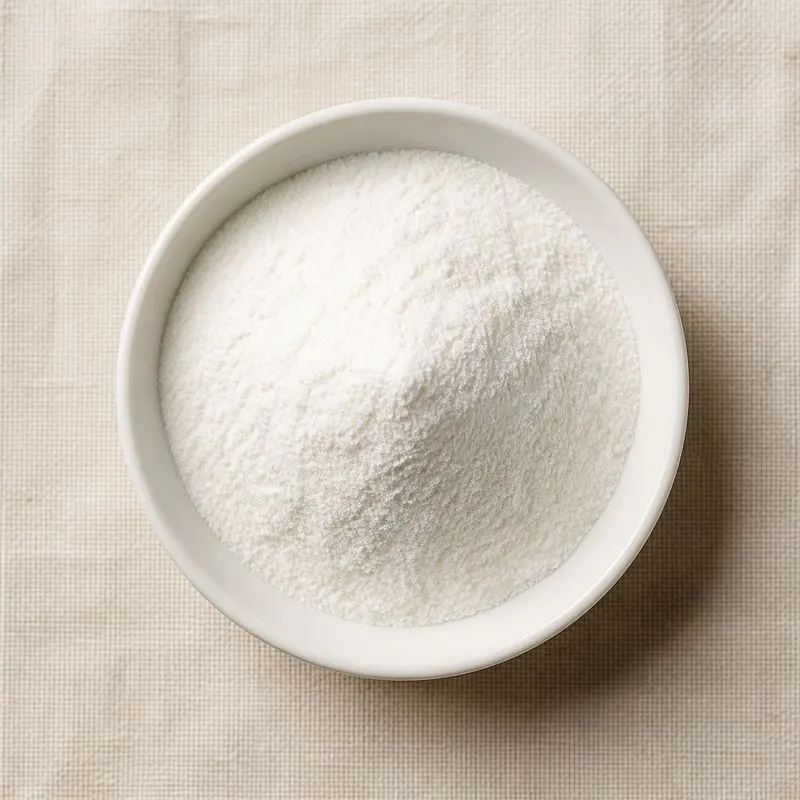
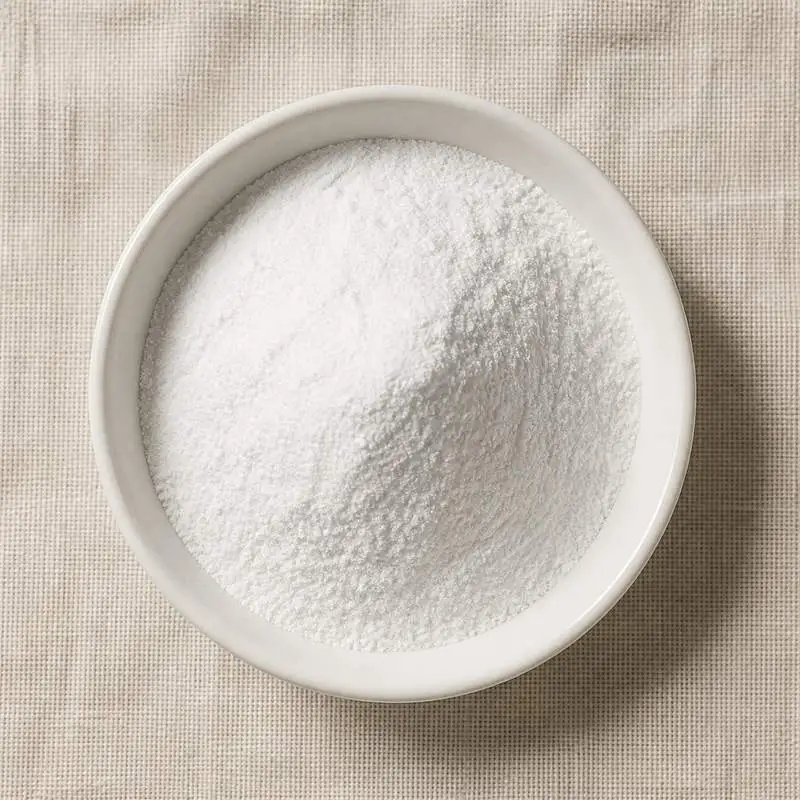
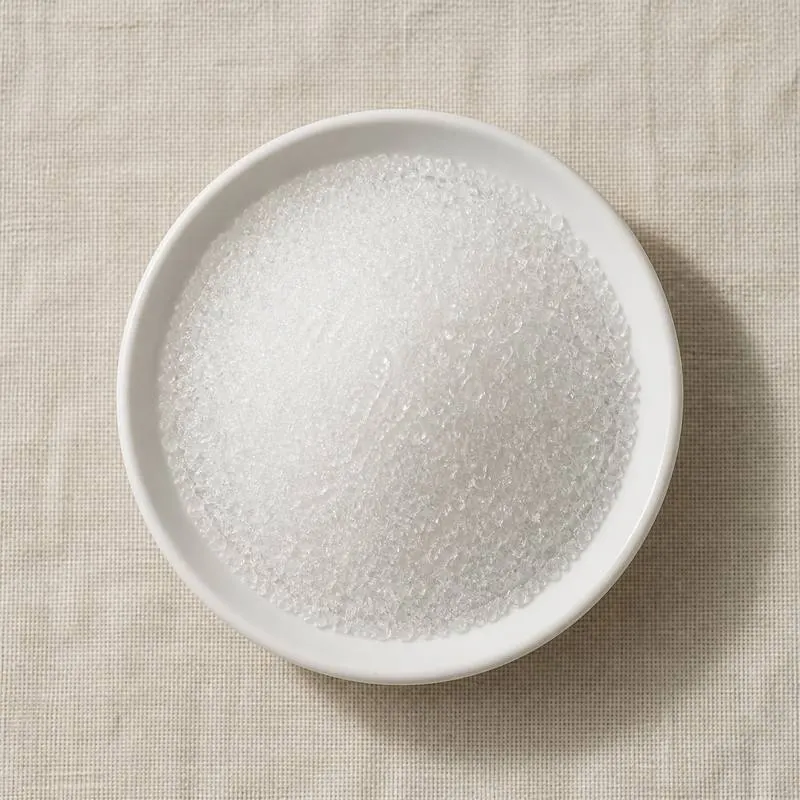
It has the formula C₆H₈O₆, a molar mass of 176.12 g/mol, and a CAS number of 32449-92-6. The compound appears as a white crystalline powder with a slightly sweet, faintly acidic taste and high water solubility.
We source bulk D-Glucuronolactone from top China manufacturers for our partners. The manufacturer is in Hebei. For this ingredient the minimum order is 100 kg and a 20-foot container takes 20 MT, and a smaller requirement can ship in a combined container with other ingredients.
Please send the grade you need, the volume and your destination port, and we will come back with a solution and a price.
or call +86-21-6858 0751
- Minimum order
- 100 kg
- Qty in 20' FCL
- 20 MT
- Packaging
- 25 kg kraft paper bag with PE inner liner
- Function
- Nutraceutical
- ISO 9001
- HACCP
- Halal
- Kosher
Specifications
| Item | Specification |
|---|---|
| Appearance | White crystalline powder |
| Identification | Conforms to reference (IR and specific rotation) |
| Assay (dried basis) | 99.0 – 101.0% |
| Melting Point | 170 – 176 °C |
| Specific Rotation [α]D20 | +18.0° to +20.0° |
| Clarity and Colour of Solution | Clear and colourless |
| pH (10% aqueous solution) | 2.0 – 4.0 |
| Loss on Drying | ≤ 0.5% |
| Residue on Ignition | ≤ 0.1% |
| Chloride (as Cl) | ≤ 0.05% |
| Heavy Metals (as Pb) | ≤ 10 mg/kg |
| Arsenic (as As) | ≤ 2 mg/kg |
| Total Plate Count | ≤ 1000 CFU/g |
| Yeast & Mould | ≤ 100 CFU/g |
| Salmonella | Negative/25g |
Common Markets Grades
D-Glucuronolactone is produced almost exclusively as a single high-purity grade rather than a tiered product line.
Standard commercial material assays at 99 percent or higher by HPLC, with defined limits on specific rotation, residue on ignition, heavy metals, and microbiology.
Pharmacopoeial grades meet the requirements of the European Pharmacopoeia, the United States Pharmacopeia, and the Chinese Pharmacopoeia monographs, where applicable.
Food and beverage grade material is produced to FCC (Food Chemicals Codex) specifications and is the dominant volume for energy drink and functional beverage use.
Particle size variants include standard crystalline, fine powder, and pre-blended free-flow formats designed to accelerate dissolution in cold-fill beverage lines.
Applications
- Energy drinks as a non-stimulant co-ingredient alongside caffeine and taurine, including in the original Red Bull formulation
- Sports and recovery beverages positioning detoxification or hydration support
- Pre-workout powders combined with amino acids and caffeine
- Dietary supplements positioned for liver support and general wellness
- Functional shots and ready-to-drink wellness beverages
- Vitamin and amino acid drink concentrates
- Pharmaceutical preparations historically marketed for hepatic and arthritic conditions in several European and Asian markets
- Veterinary tonics for performance horses and racing dogs
- Synthesis intermediate in research-scale production of vitamin C analogues and uronic acid derivatives
- Research reagent in carbohydrate chemistry and glucuronidation studies
Brands Using D-Glucuronolactone
Widely-distributed consumer products that list D-Glucuronolactone on the ingredient label.
- Red BullRed Bull Energy Drink ↗Red Bull's official product information describes glucuronolactone as a naturally-occurring carbohydrate metabolite included in Red Bull Energy Drink at approximately 600 mg per 250 mL can, alongside caffeine, taurine, B-vitamins and sugars.Label verified 2026-05-24
- Monster EnergyMonster Energy Original ↗Monster Energy Original's official ingredient list includes D-glucuronolactone within the energy blend along with taurine, caffeine, panax ginseng, L-carnitine L-tartrate, guarana and B-vitamins.Label verified 2026-05-24
- 5-hour Energy5-hour ENERGY Shot ↗The brand's Nutrition and Ingredients page lists glucuronolactone in the Energy Blend, describing it as a metabolite produced by glucose metabolism in the liver.Label verified 2026-05-24
Brand names, product names and logos are the property of their owners. They appear here as published evidence that the ingredient is used, taken from the brand's own label or website. Their appearance is not an endorsement, and it does not mean the brand buys from us or from any manufacturer listed on this site.
China Manufacturers of D-Glucuronolactone
Top D-Glucuronolactone manufacturers in China.
Company names and logos are the property of the manufacturers themselves. They are listed here because our own directory records them as producing this ingredient. A listing is not an endorsement by them, and we do not represent them or speak on their behalf.
How We Help Source D-Glucuronolactone
Direct Factory Sourcing
We run the whole process: selecting the manufacturer from the top Chinese food ingredient producers, negotiating the price, verifying quality, and coordinating the logistics. You deal with us instead of with several factories at once.
Original Packaging and Documents from the Manufacturer
The manufacturer sends your D-Glucuronolactone out of its own factory in the original packing, through to your destination port. The COA, COO, MSDS, TDS and any certifications reach you from the manufacturer as well.
Free Samples and Lead Time
We send 100 to 500 g free for your own laboratory to test and you cover only the courier, usually within 2 to 3 working days. ETD is usually within 7 to 15 days once the order is confirmed, and we check that date against the factory's own manufacturing schedule before we give it to you.
Combined Shipment
We can load D-Glucuronolactone together with other ingredients such as Arachidonic Acid, Coenzyme Q10 and Chondroitin Sulphate Sodium into one 20' FCL. If your quantity is small, we can also ship LCL.
Regulatory Status
D-glucuronolactone is recognised as a food ingredient in beverages across the major regulated markets.
The European Food Safety Authority issued a comprehensive scientific opinion in 2009 on the safety of taurine and D-glucuronolactone in energy drinks. EFSA concluded that exposure from typical energy drink consumption is not a safety concern for the general adult population. The opinion was reaffirmed in EFSA's 2015 scientific opinion on the safety of caffeine.
In the United States, D-glucuronolactone is permitted for use in conventional foods and dietary supplements under self-affirmed GRAS, supported by published toxicology and history of use in energy drinks.
Several European countries authorise D-glucuronolactone as a permitted ingredient in energy drinks under national rules implementing Regulation 1925/2006 on the addition of vitamins and minerals and certain other substances to foods.
D-glucuronolactone is not a permitted health claim subject in the EU, and disease-related claims are not authorised in the regulated markets where it is produced.
Pharmacopoeial monographs exist in the European Pharmacopoeia and the Chinese Pharmacopoeia, with assay, identification, and impurity limits.
Manufacturing Process
Industrial D-glucuronolactone is produced by controlled oxidation of starch-derived glucose.
The starting material is high-purity D-glucose obtained from corn or potato starch hydrolysis. Catalytic oxidation of the C6 hydroxyl group, traditionally with nitric acid and a vanadium or platinum catalyst, yields D-glucuronic acid as an intermediate.
The free acid is unstable and tends to lactonize spontaneously. Crystallisation from acidified water-alcohol mixtures drives the equilibrium toward the gamma-lactone form, which is recovered as colourless crystals.
Modern routes increasingly use enzymatic or whole-cell oxidation, employing genetically modified bacteria or fungal oxidases to oxidise glucose or glucuronan precursors under milder conditions and with fewer waste streams.
The crude lactone is recrystallised from water or aqueous ethanol to pharmacopoeial purity. Specifications include specific optical rotation in the range typically +18 to +22 degrees (c=10, water at equilibrium), residual heavy metals, and limits on glucuronic acid and other isomers.
Major producers are located in China, India, and the European Union, with several plants supplying both food and pharmaceutical grades from the same lines under switched campaigns.