Defatted Soy Protein Flour
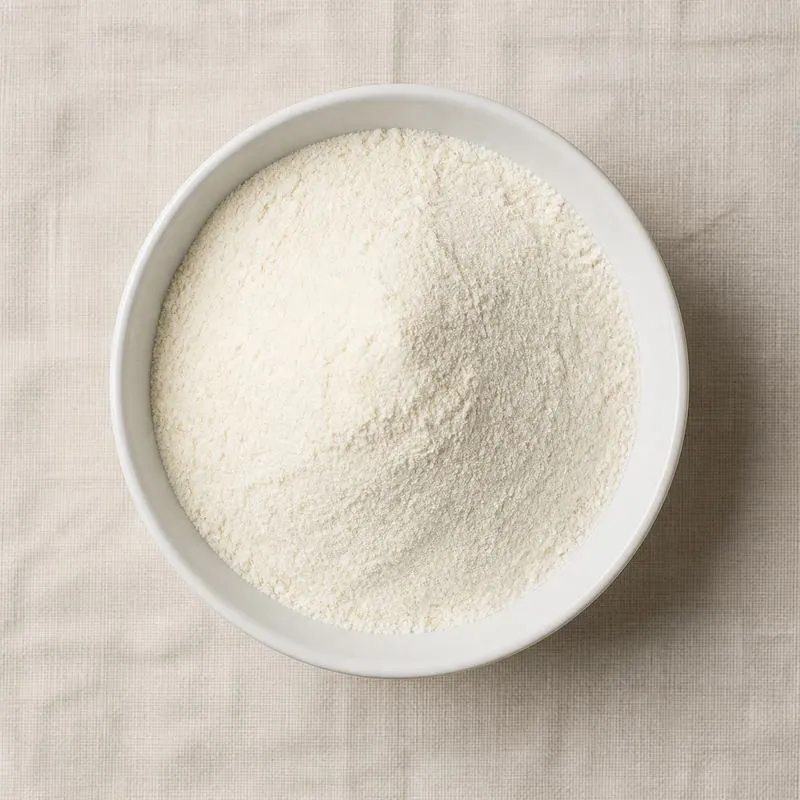
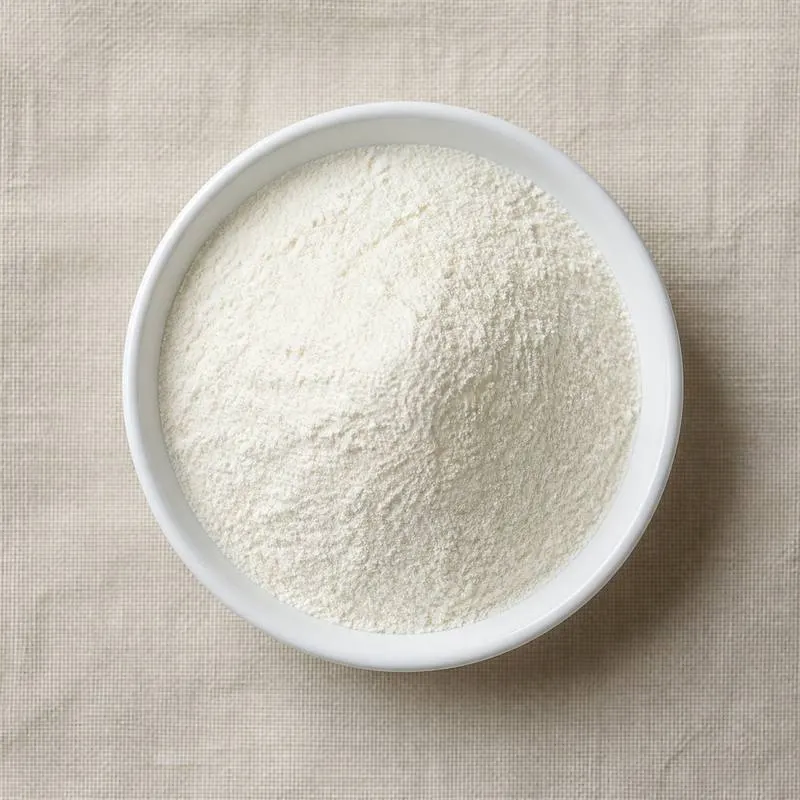
Defatted soy protein flour is the finely milled meal that remains after soybean oil has been extracted from dehulled, flaked beans, carrying roughly 50 to 54 percent protein on an as is basis with the fat reduced to about 1 percent. It is the least processed of the soy protein ingredients and the starting material from which soy protein concentrate and isolate are made.
The protein is unmodified storage protein, mainly the globulins glycinin and beta conglycinin, and its behaviour in a formulation depends almost entirely on how much heat the meal received during desolventising. Untoasted flour retains soluble, native protein and active enzymes, dissolves and disperses well and binds water strongly. Toasted flour has been heated enough to denature the protein, which destroys solubility and enzyme activity but also inactivates the trypsin inhibitors and lipoxygenase responsible for the antinutritional load and the beany flavour.
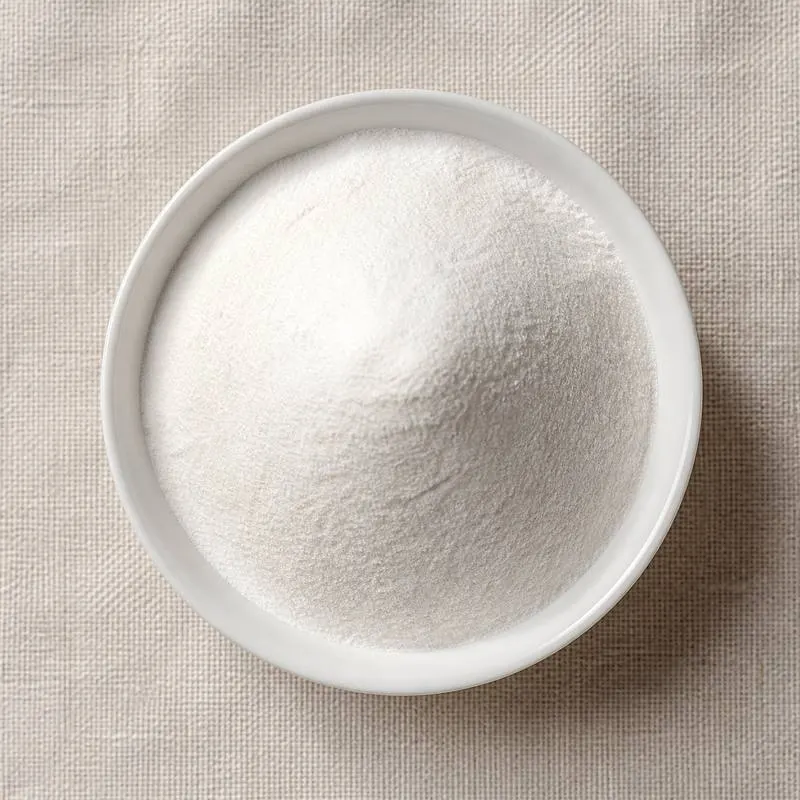
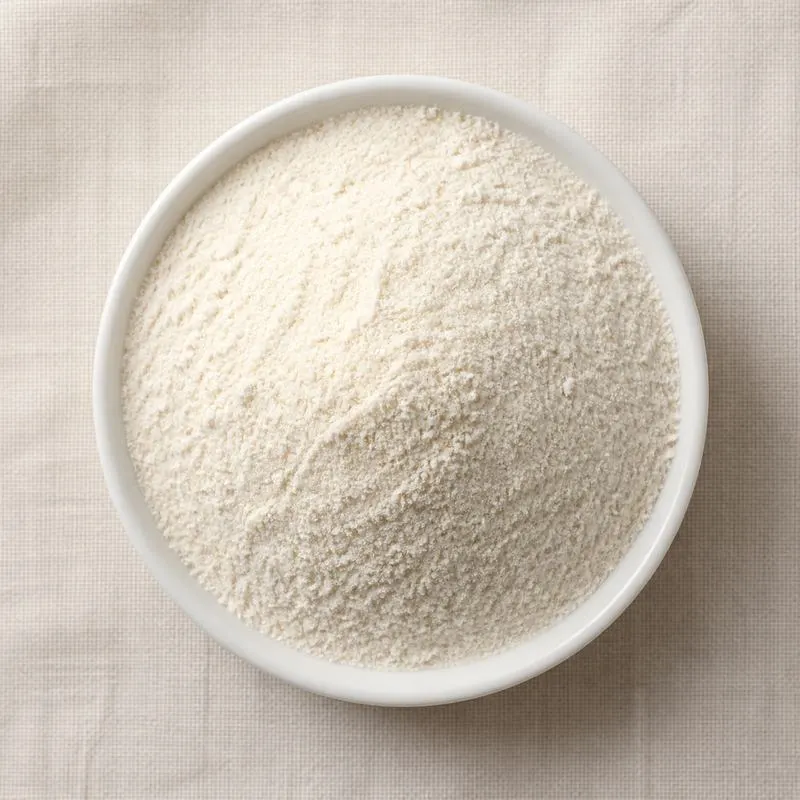
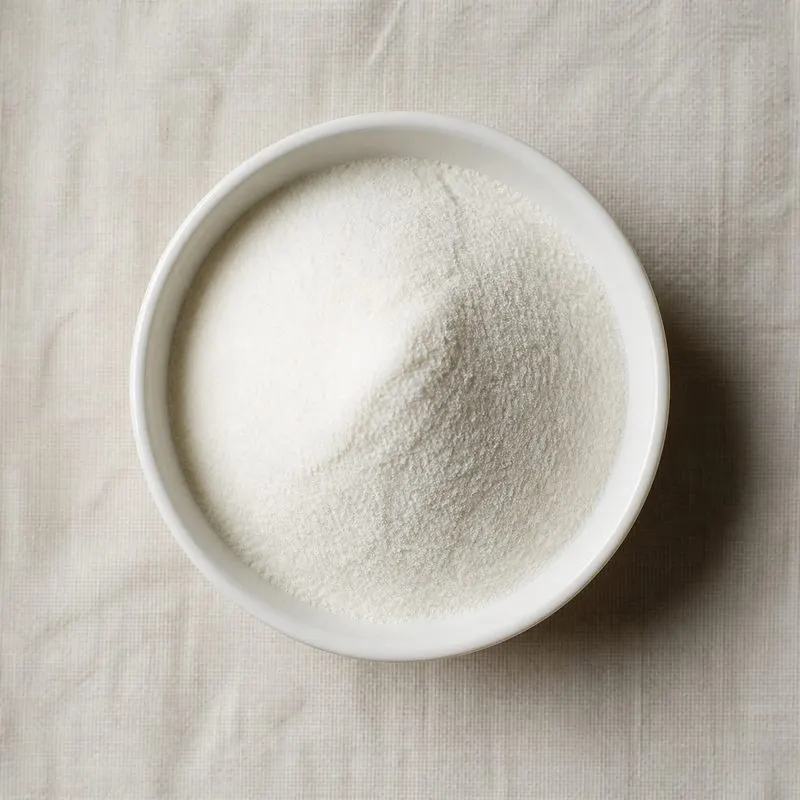
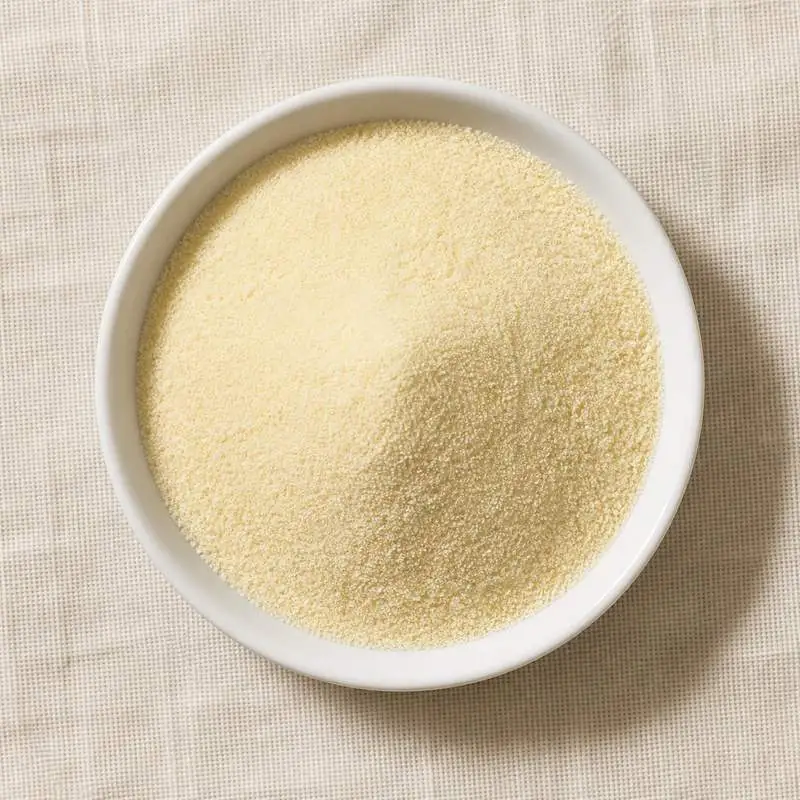
Alongside protein the flour carries around 30 percent carbohydrate, of which a significant share is the oligosaccharides raffinose and stachyose, and about 3.5 percent fibre and 6 percent ash. It is a cream to light tan powder, typically at 100 mesh, with a characteristic cereal and beany odour that varies with the heat treatment.
We source bulk Defatted Soy Protein Flour from top China manufacturers for our partners. The manufacturers are in Shandong. A smaller requirement can ship in a combined container with other ingredients.
Please send the grade you need, the volume and your destination port, and we will come back with a solution and a price.
or call +86-21-6858 0751
- Function
- Protein
Specifications
| Item | Specification |
|---|---|
| Appearance | Cream to light tan free flowing powder |
| Odour and Taste | Characteristic mild beany odour, bland taste |
| Protein (as is, N x 6.25) | Not less than 50.0 percent |
| Protein Dispersibility Index | Declared by grade, 20 to 90 |
| Identification | Botanical origin Glycine max, protein profile conforms to reference |
| Moisture | Not more than 8.0 percent |
| Fat | Not more than 1.5 percent |
| Crude Fibre | Not more than 3.5 percent |
| Ash | Not more than 6.5 percent |
| Particle Size | Passes 100 mesh, not less than 97 percent |
| Residual Hexane | Not more than 25 mg/kg |
| Urease Activity | Not more than 0.3 pH rise for toasted grades |
| Lead | Not more than 0.5 mg/kg |
| Arsenic | Not more than 0.5 mg/kg |
| Total Plate Count | Not more than 30000 cfu/g |
| Yeast and Mould | Not more than 500 cfu/g |
| E. coli | Negative in 1 g |
| Salmonella | Negative in 25 g |
Common Markets Grades
Grades are defined by protein dispersibility index, the measure of how much of the protein remains water dispersible after processing, which serves as the working proxy for heat history. High dispersibility flour at 70 or above is enzyme active, is used where the native protein functionality is needed, and carries the highest residual trypsin inhibitor content. Medium grades in the 40 to 70 range are partly toasted general purpose material. Low dispersibility flour below 20 is fully toasted, bland and used where the protein acts as a filler and nutrient rather than as a functional agent.
Particle size is the second axis, with flour at 100 mesh and finer, grits at coarser cuts down to about 10 mesh, and coarse meal for feed use, all made from the same defatted flakes by different milling and screening. Lecithinated flour, in which lecithin is sprayed back onto the powder at 5 to 15 percent, is a separate item used where dispersion in fat containing systems matters. Non genetically modified and organic certified material sells at a higher price and requires segregated handling from field to mill.
Applications
- Bread and roll doughs, where the flour improves water absorption, dough handling and crumb softness
- Enzyme active grades in bakery, where residual lipoxygenase bleaches the crumb and conditions the dough
- Meat products, where soy flour binds water and fat and raises cooked yield in emulsified sausage and patties
- Textured vegetable protein production, as the extrusion feedstock for meat extenders
- Nutrition bars and cereal products, as an inexpensive protein enrichment
- Feedstock for soy protein concentrate and isolate manufacture
- Batters and breadings, where it improves adhesion and reduces fat pick up during frying
- Pet food and animal feed, as a concentrated vegetable protein source
- Fermentation media, as a nitrogen and carbohydrate source in industrial culture
- Papermaking and industrial adhesives, the historic non food outlet for the material
China Manufacturers of Defatted Soy Protein Flour
Top Defatted Soy Protein Flour manufacturers in China.
 Shandong Sanwei Soybean Protein Co., Ltd.4 ingredients in the directory
 Shandong Yuxin Bio-tech Co., Ltd.8 ingredients in the directory
Company names and logos are the property of the manufacturers themselves. They are listed here because our own directory records them as producing this ingredient. A listing is not an endorsement by them, and we do not represent them or speak on their behalf.
Regulatory Status
In the United States defatted soy flour is a conventional food ingredient with generally recognised as safe status, used without a food additive listing, and hexane extracted meal is covered by the food additive regulations that permit hexane as a processing solvent with a residue limit. Soy is a major food allergen under federal law and must be declared on any product containing it. Genetically modified soybeans are within the scope of the national bioengineered food disclosure standard, so material derived from them may require a bioengineered food disclosure depending on whether modified genetic material is detectable in the finished food.
In the European Union defatted soy flour is a food ingredient rather than an additive and holds no E number. Hexane is an authorised extraction solvent under the extraction solvents directive, with a residue limit set for the finished ingredient. Soybeans and products thereof are listed allergens under the food information regulation and must be declared. Soy derived from authorised genetically modified events is subject to the traceability and labelling regulation, which requires a genetically modified declaration above the adventitious presence threshold. Codex maintains a general standard for contaminants and a standard for certain vegetable protein products that covers soy protein products, which is the international reference for compositional expectations.
Manufacturing Process
Soybeans are cleaned, cracked into pieces, and the hulls are aspirated away, since hull carried into the process dilutes protein and raises fibre. The dehulled meats are conditioned with heat and moisture to make them plastic, then rolled into thin flakes about a quarter of a millimetre thick, a step that ruptures the oil bearing cells and gives the solvent access. The flakes are extracted in counter current flow with hexane, which dissolves the oil and leaves a white flake carrying residual solvent.
Desolventising is the step that determines the grade. Conventional desolventiser toasters strip the hexane with live steam and simultaneously cook the flake, giving a toasted, low dispersibility meal. Flash desolventising uses superheated hexane vapour at low residence time to remove the solvent with minimal heating, giving the white flake from which high dispersibility flour is made. The desolventised flakes are cooled, then milled in a hammer or pin mill and screened to the target particle size, with coarse cuts returned for regrinding. Finished flour is blended to a uniform protein content, checked for metal and for residual solvent, and packed in multiwall bags or moved in bulk.