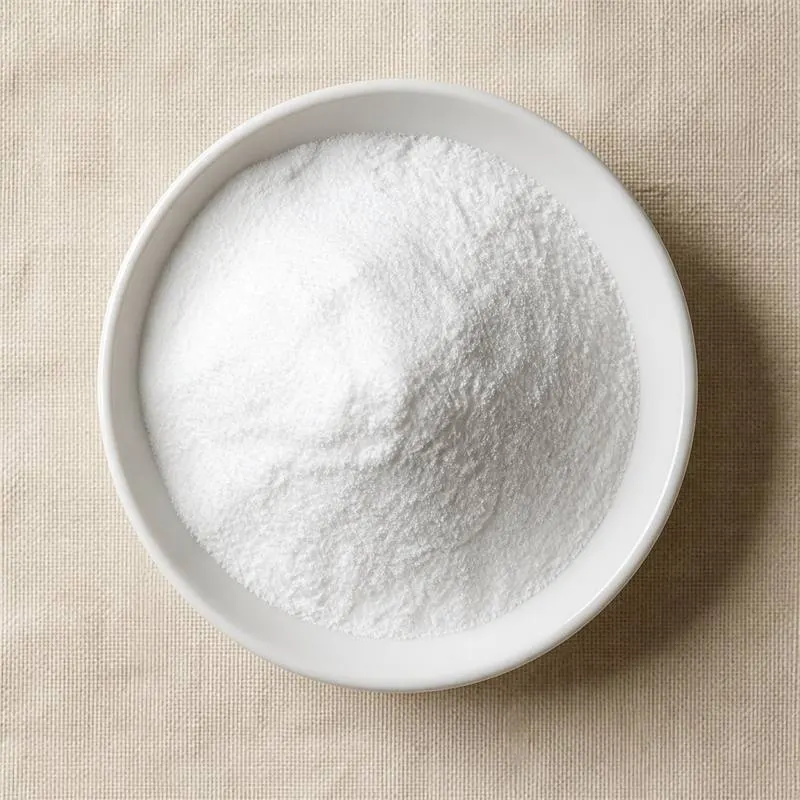
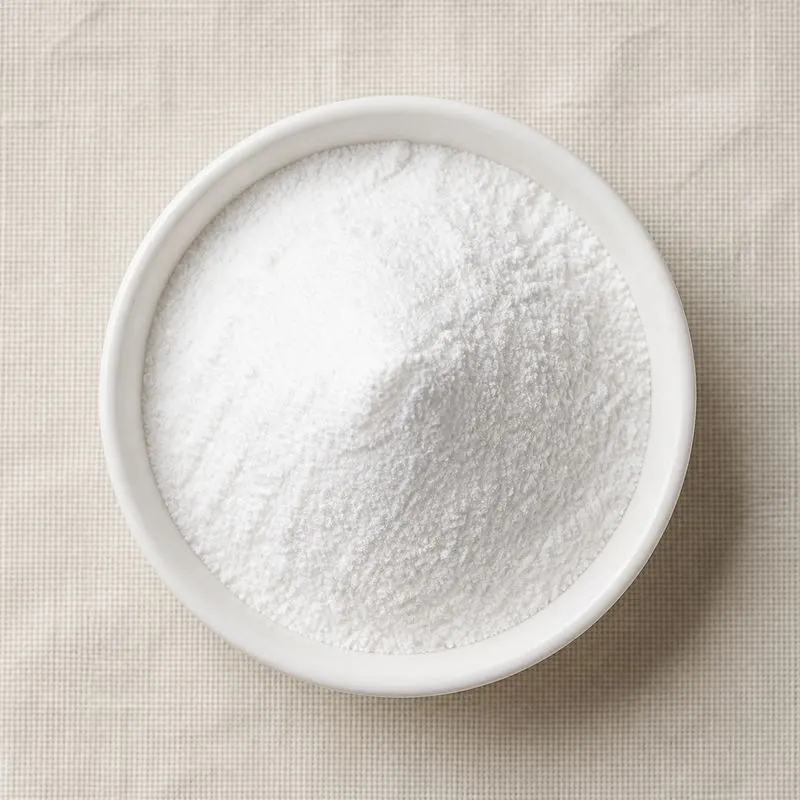
Di-Sodium Glycine Carbonate
Di-Sodium Glycine Carbonate is a sodium carbonate-glycine complex marketed as a chemical leavening agent and a sodium-bicarbonate alternative for bakery, confectionery, and effervescent applications.
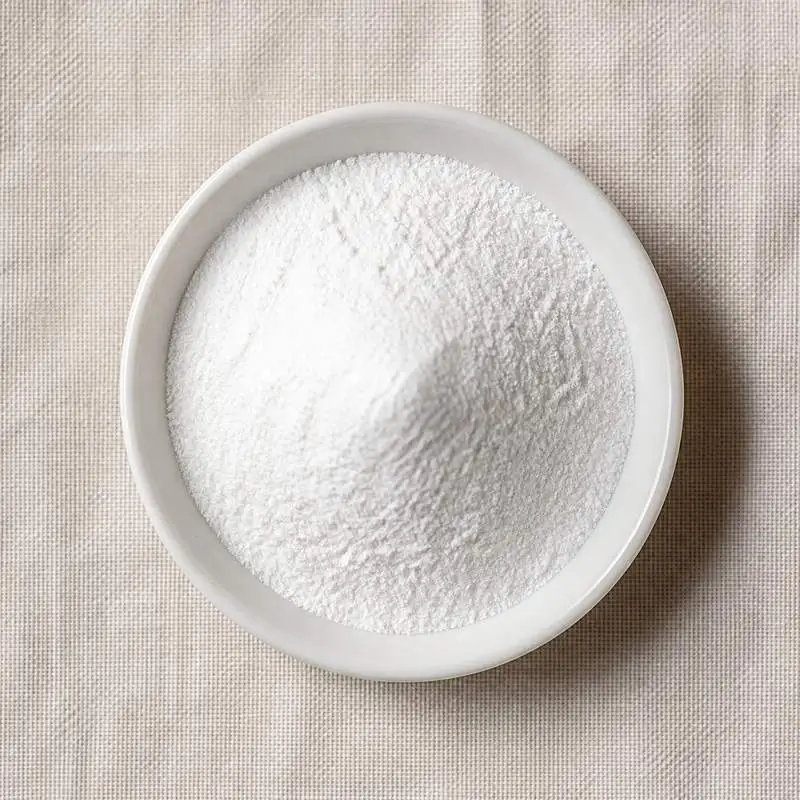
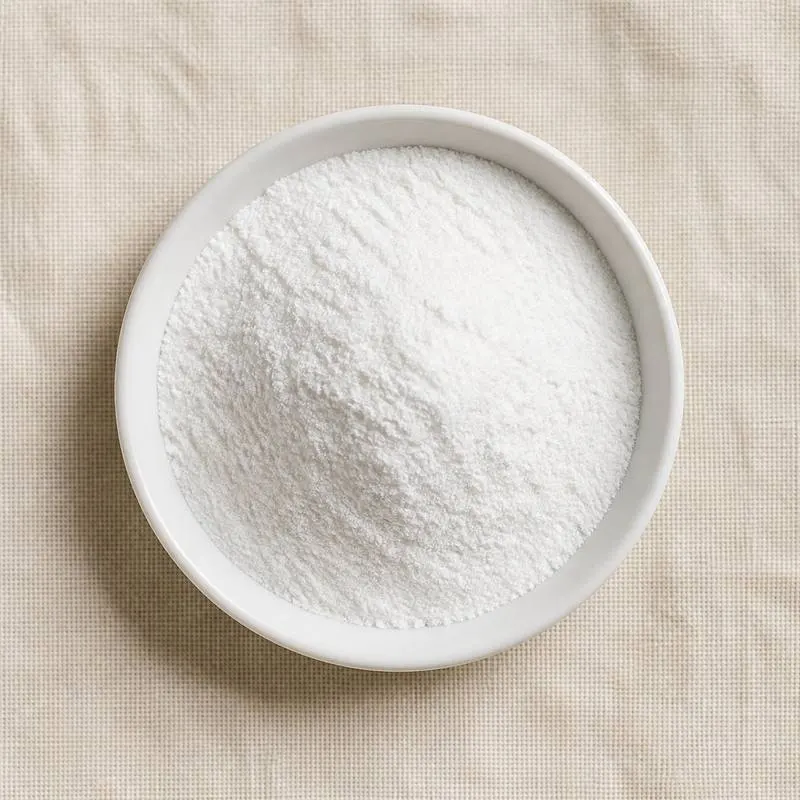
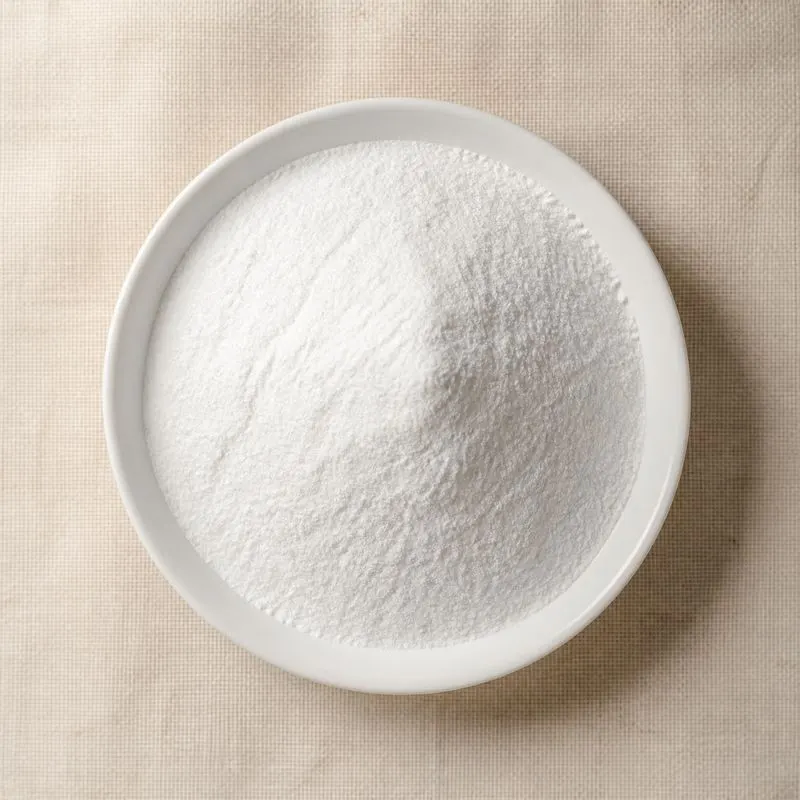
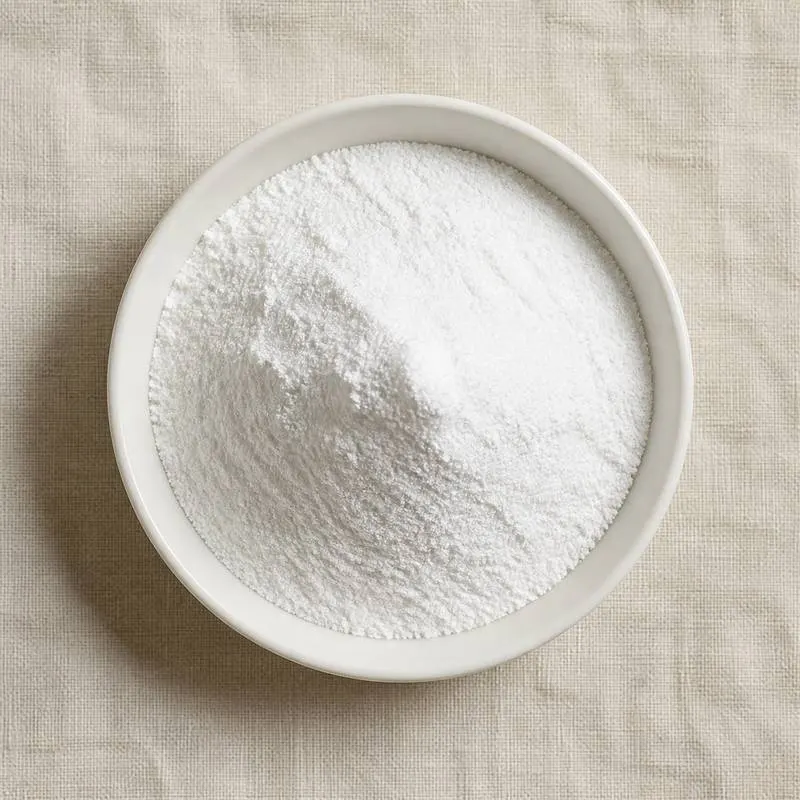
The material is a white free-flowing powder built around a glycine sodium carbonate adduct, supplying carbon dioxide on thermal or acid trigger but with a sharply lower sodium load than the equivalent bicarbonate dose. It is widely abbreviated as Di-SGC in formulation literature.
We source bulk Di-Sodium Glycine Carbonate from top China manufacturers for our partners. The manufacturer is in Hebei. A smaller requirement can ship in a combined container with other ingredients.
Please send the grade you need, the volume and your destination port, and we will come back with a solution and a price.
or call +86-21-6858 0751
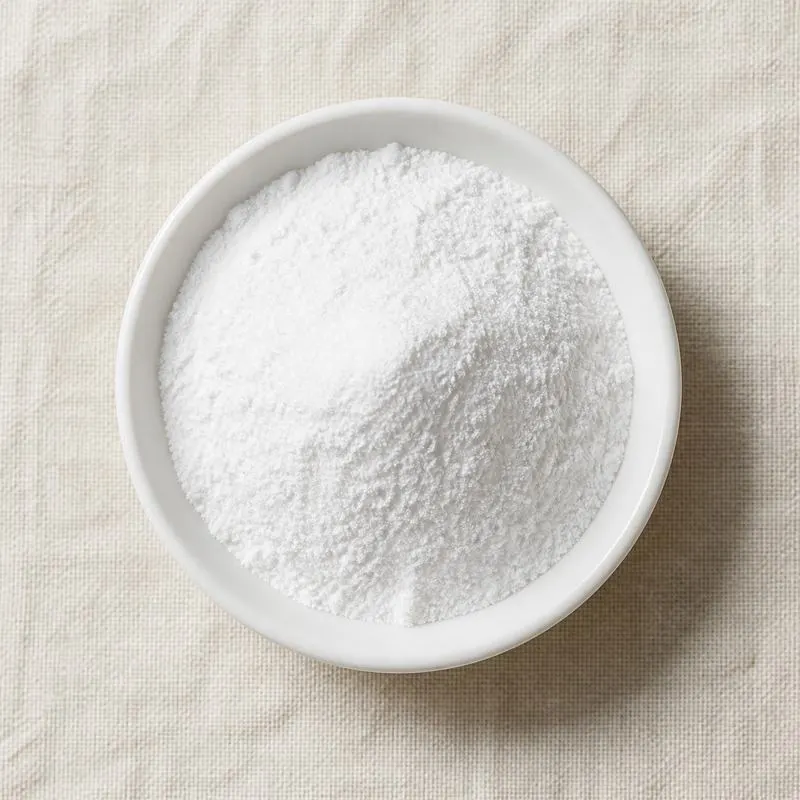
- Packaging
- 25 kg kraft paper bag with PE inner liner
- ISO 9001
- HACCP
- Halal
- Kosher
Specifications
| Item | Specification |
|---|---|
| Appearance | White free-flowing crystalline powder |
| Assay | ≥ 98.0% |
| Carbon Dioxide Release Capacity | ≥ 5.0 mmol/g |
| pH (1% aqueous solution) | 9.5 – 11.0 |
| Loss on Drying | ≤ 1.0% |
| Water Insoluble Matter | ≤ 0.1% |
| Chloride (as Cl) | ≤ 0.1% |
| Sulphate (as SO4) | ≤ 0.1% |
| Particle Size | ≥ 95% through 60 mesh |
| Heavy Metals (as Pb) | ≤ 10 mg/kg |
| Lead (as Pb) | ≤ 2 mg/kg |
| Arsenic (as As) | ≤ 2 mg/kg |
| Total Plate Count | ≤ 1000 CFU/g |
| Yeast & Mould | ≤ 100 CFU/g |
| Salmonella | Negative/25g |
Common Markets Grades
Di-Sodium Glycine Carbonate is produced to food specifications, with the active CO₂-release capacity typically expressed in millimoles per gram rather than as a simple chemical assay.
Standard bakery grade is a free-flowing powder calibrated to deliver carbon dioxide release equivalent to a defined fraction of sodium bicarbonate on a weight basis. The crystal habit is engineered for even dispersion through dry flour blends without segregation.
Effervescent grade is a finer particle size optimised for direct compression in chewable and dispersible tablet formats. It pairs with food-grade organic acids such as citric or tartaric to deliver the CO₂ release profile on dissolution.
Custom granulations and agglomerated formats are produced on order for premix manufacturers serving the gluten-free bread and reduced-sodium baked goods categories.
Applications
- Reduced-sodium bread, bun, and roll formulations as bicarbonate replacement
- Gluten-free bakery mixes where leavening efficiency matters for crumb structure
- Cookie, cracker, and biscuit doughs for controlled CO₂ release on baking
- Cake mixes and muffin batters in low-sodium product lines
- Self-rising flour and pancake mix formulations
- Effervescent dietary supplement tablets and powdered drink mixes
- Antacid and digestive-comfort tablet formulations
- Powdered cocktail mixers and fizzy beverage preparations
- Chewable vitamin and mineral tablets with effervescent character
- Heart-healthy and DASH-diet aligned product reformulations
- Specialty pediatric and geriatric nutrition formulas with sodium constraints
- Confectionery applications including effervescent candies and powder mixes
China Manufacturers of Di-Sodium Glycine Carbonate
Top Di-Sodium Glycine Carbonate manufacturers in China.

Company names and logos are the property of the manufacturers themselves. They are listed here because our own directory records them as producing this ingredient. A listing is not an endorsement by them, and we do not represent them or speak on their behalf.
How We Help Source Di-Sodium Glycine Carbonate
Direct Factory Sourcing
We run the whole process: selecting the manufacturer from the top Chinese food ingredient producers, negotiating the price, verifying quality, and coordinating the logistics. You deal with us instead of with several factories at once.
Original Packaging and Documents from the Manufacturer
The manufacturer sends your Di-Sodium Glycine Carbonate out of its own factory in the original packing, through to your destination port. The COA, COO, MSDS, TDS and any certifications reach you from the manufacturer as well.
Free Samples and Lead Time
We send 100 to 500 g free for your own laboratory to test and you cover only the courier, usually within 2 to 3 working days. ETD is usually within 7 to 15 days once the order is confirmed, and we check that date against the factory's own manufacturing schedule before we give it to you.
Combined Shipment
We can load Di-Sodium Glycine Carbonate together with other ingredients such as Glycine, L-Arginine and L-Leucine into one 20' FCL. If your quantity is small, we can also ship LCL.
Regulatory Status
Di-Sodium Glycine Carbonate occupies a specialty position in the chemical leavening category and is assessed regionally rather than under a unified additive listing.
The component glycine is GRAS in the United States under 21 CFR 170.50 as a flavouring agent and adjuvant, and sodium carbonate is also GRAS under 21 CFR 184.1742 as a general purpose food substance. The combined complex is marketed under those joint listings or under specific food contact substance notifications depending on application.
In the European Union the substance is assessed under Regulation (EC) 1333/2008 governing food additives, with glycine permitted as a flavouring agent and sodium carbonate carrying the additive code E500(i). Sodium glycinate carbonate products are typically sold under the joint authorisations.
JECFA has separately reviewed glycine and sodium carbonate, both with not-specified ADI assignments. The substance is not assigned its own unique additive E number.
Halal and Kosher certifications are routinely available, since both the glycine and sodium carbonate streams are synthetic or fermentation-derived rather than animal-sourced.
Manufacturing Process
Di-Sodium Glycine Carbonate is produced by controlled aqueous reaction of glycine, sodium hydroxide, and carbon dioxide.
Glycine is dissolved in deionized water with sodium hydroxide, forming the disodium glycinate intermediate. Carbon dioxide is then sparged through the solution under controlled pressure and temperature, driving formation of the carbonate adduct with the glycinate nitrogen.
The resulting clear solution is concentrated under vacuum at low temperature to preserve the carbonate moiety, then spray-dried or freeze-dried to yield the free-flowing powder. Process temperature must be held below the decomposition threshold to avoid premature CO₂ loss.
The dried powder is sized, milled to specification, and packed in foil-laminate bags with moisture barriers, since atmospheric humidity can trigger slow CO₂ release on storage. Quality release tests include carbonate content, residual glycine, sodium assay, and CO₂ release rate at a defined activation condition.