Sodium Glycine Carbonate
Sodium glycine carbonate is the sodium salt of N-carboxyglycine, a carbamate formed when carbon dioxide adds to the amino group of glycine, with the composition C3H5NNa2O5 and CAS number 50610-34-9. It is also traded as mono sodium glycine carbonate or N-carboxy glycine disodium salt.
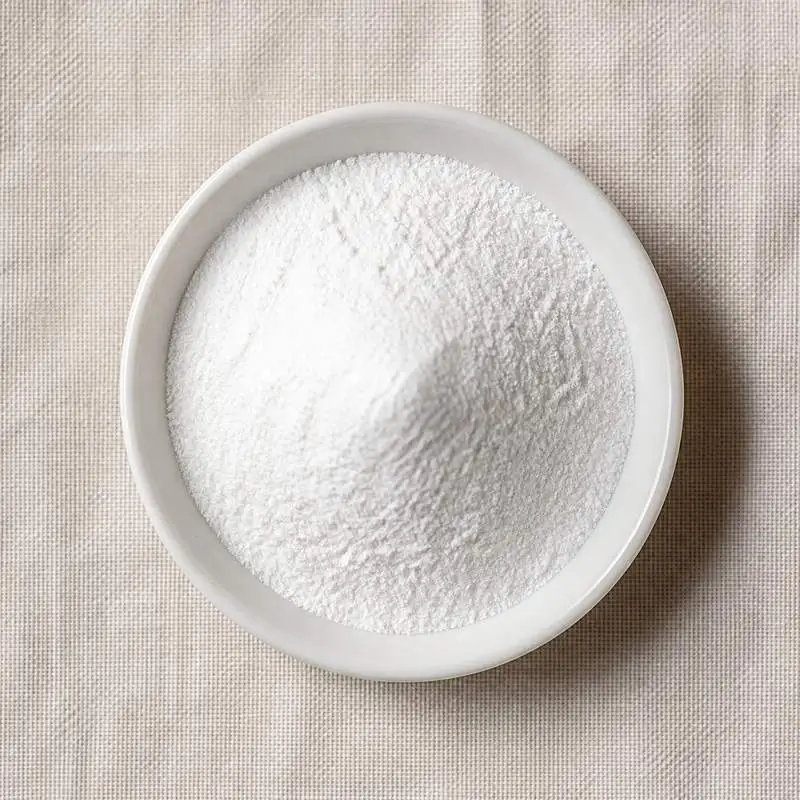
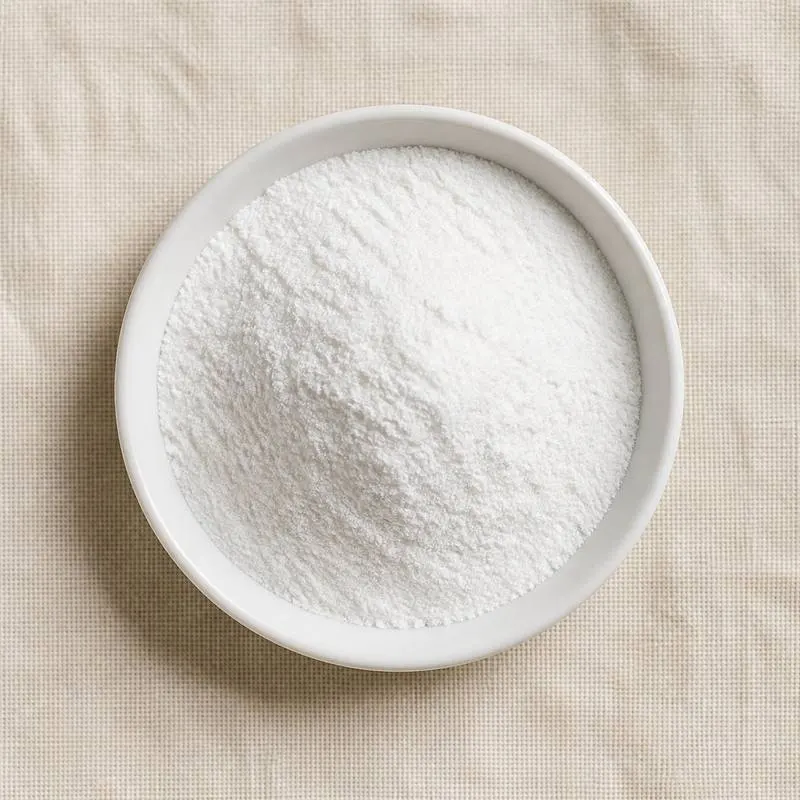
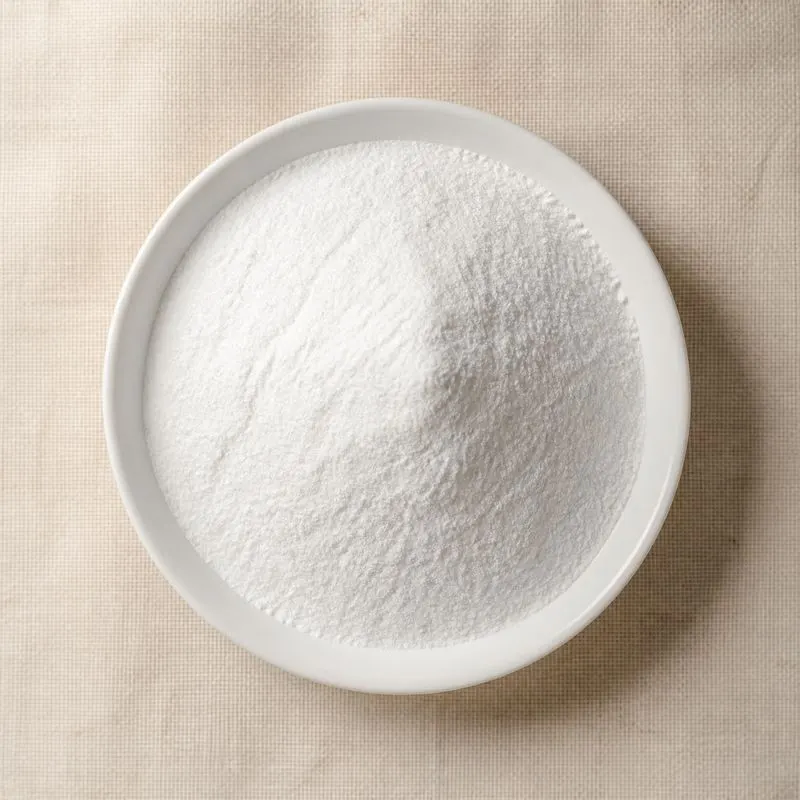
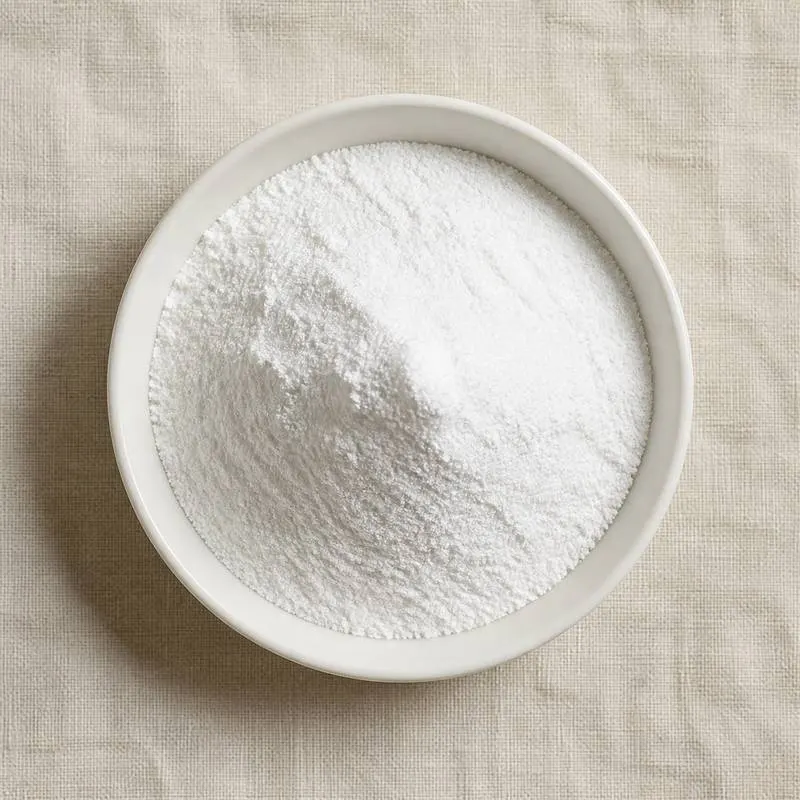
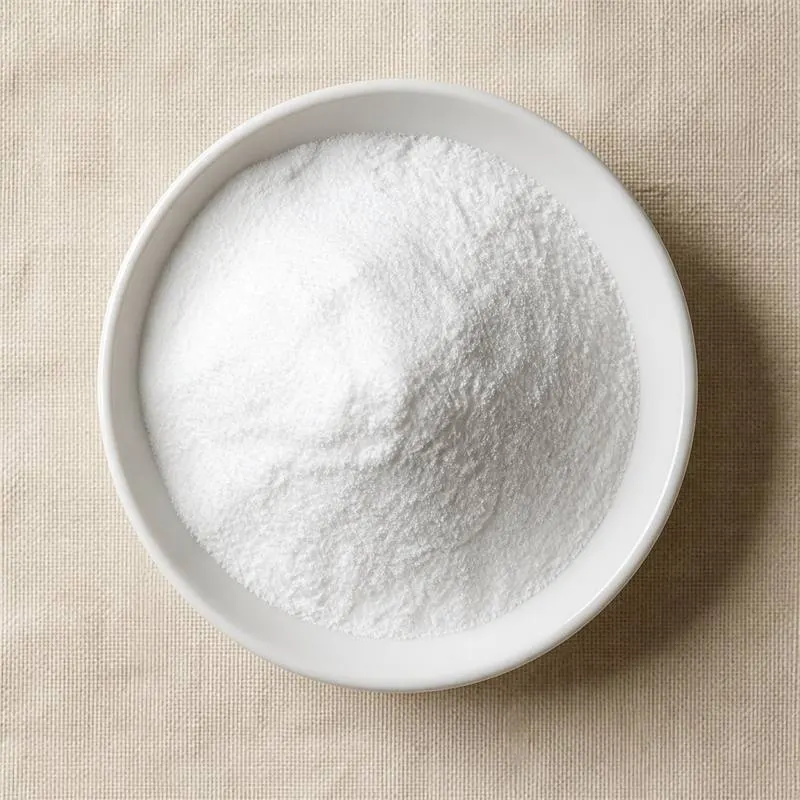
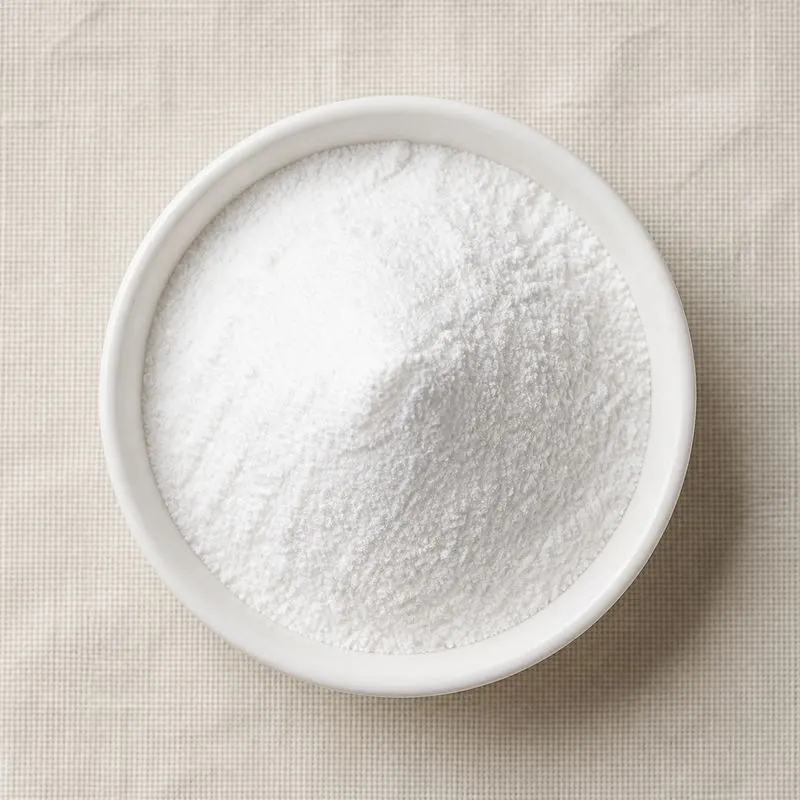
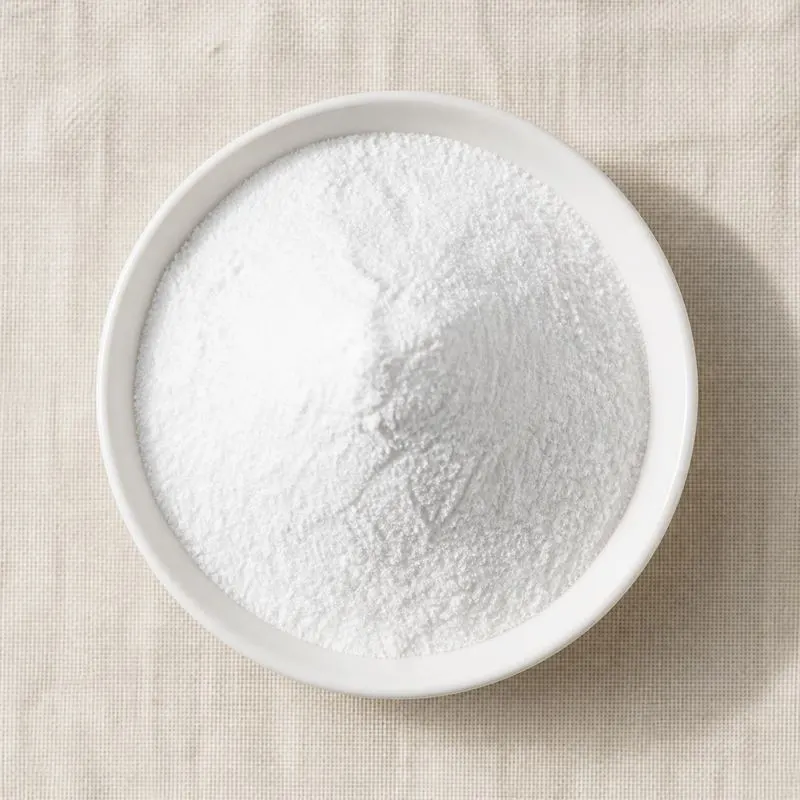
The material is a white free flowing powder, soluble in water to give an alkaline solution. The defining property is its behaviour in acid: the carbamate bond is unstable at low pH, so on contact with an acid the molecule breaks apart and releases carbon dioxide rapidly and completely, leaving glycine and a sodium salt behind. That makes it a carbon dioxide donor comparable to sodium bicarbonate but with a different release profile and a higher gas yield per unit weight.
In the dry state it is stable under sealed, cool storage but sensitive to atmospheric moisture, which starts the same decomposition slowly, so it is packed in moisture barrier bags. Because the residues left after gassing are glycine and sodium carbonate rather than a mineral salt alone, the taste left in the finished product is milder than the soapy note bicarbonate can leave.
We source bulk Sodium Glycine Carbonate from top China manufacturers for our partners. The manufacturer is in Hebei. A smaller requirement can ship in a combined container with other ingredients.
Please send the grade you need, the volume and your destination port, and we will come back with a solution and a price.
or call +86-21-6858 0751
- Function
- Amino acid
Specifications
| Item | Specification |
|---|---|
| Appearance | White free flowing powder |
| Identification | Effervesces on acidification, glycine confirmed by HPLC |
| Available carbon dioxide | Not less than 24.0% |
| Glycine content | Not less than 40.0% |
| Sodium content | 25.0 to 29.0% |
| Loss on drying | Not more than 1.0% |
| pH (1% aqueous solution) | 10.0 to 11.5 |
| Chloride | Not more than 0.1% |
| Residual methanol | Not more than 0.3% |
| Heavy metals (as Pb) | Not more than 10 mg/kg |
| Lead | Not more than 2.0 mg/kg |
| Arsenic | Not more than 2.0 mg/kg |
| Particle size | Not less than 95% through 60 mesh |
| Total plate count | Not more than 1,000 cfu/g |
Common Markets Grades
The compound is traded as a single specification, a food and pharmaceutical grade white powder assaying by carbon dioxide release capacity rather than by a simple chemical assay, since gas yield is the property the buyer is actually paying for. Certificates therefore report available carbon dioxide alongside glycine content, sodium content and moisture.
Physical options are limited to particle size, with a fine powder used where fast, even gassing is wanted in a batter or an effervescent tablet, and a coarser granular grade chosen for dry mixes where dust and segregation are problems. Given the moisture sensitivity, no aqueous or slurry version is offered, and coated versions are uncommon.
Applications
- Effervescent tablets and granules, where it provides the carbon dioxide burst on contact with the acid component
- Effervescent drink powders and instant beverage mixes, giving carbonation on reconstitution
- Steamed breads, buns and other wheaten foods, as a leavening agent alternative to sodium bicarbonate
- Puffed and extruded snacks, where controlled gas generation contributes to expansion and texture
- Baking powder systems, paired with an acid such as sodium acid pyrophosphate or monocalcium phosphate
- Pharmaceutical effervescent formulations, where it also raises the dissolution rate of poorly soluble acidic actives
- Antacid preparations, neutralising gastric acid while releasing carbon dioxide
- Cake and batter mixes needing a leavening agent with a milder residual taste than bicarbonate
China Manufacturers of Sodium Glycine Carbonate
Top Sodium Glycine Carbonate manufacturers in China.
Company names and logos are the property of the manufacturers themselves. They are listed here because our own directory records them as producing this ingredient. A listing is not an endorsement by them, and we do not represent them or speak on their behalf.
Regulatory Status
In the United States the constituents are familiar, with glycine listed as generally recognised as safe in 21 CFR Part 184 and sodium carbonate and bicarbonate also carrying 0 status, but sodium glycine carbonate itself does not have a food additive regulation or GRAS affirmation of its own, so use in conventional foods rests on a self determined conclusion for the intended application rather than on a published clearance. It is also used as a pharmaceutical excipient in effervescent dose forms.
In the European Union glycine and its sodium salt are authorised as food additive E640, but that entry covers glycine and sodium glycinate rather than the carbamate, and sodium glycine carbonate does not have an E number of its own in the additive list under Regulation 1333/2008. Manufacturers selling into the EU therefore treat it as an ingredient requiring its own assessment rather than as a cleared additive. Codex has not listed the compound in the General Standard for Food Additives, and JECFA has not published a specification monograph for it.
Manufacturing Process
Manufacture is a carbonation of glycine under alkaline conditions. Glycine is dissolved in water or in aqueous methanol and neutralised with sodium hydroxide to sodium glycinate, and the solution is cooled and held while carbon dioxide is sparged through it under moderate pressure. The gas adds to the free amino group to give the carbamate, and the alkaline, cold conditions are what hold the adduct together, since warmth and acid drive the equilibrium straight back to glycine and carbon dioxide.
The product is recovered by precipitating it out of the reaction liquor with methanol or ethanol as an antisolvent, since evaporating the water would decompose it. The slurry is filtered or centrifuged, the cake is washed with cold alcohol, and the solid is dried under vacuum at low temperature with a carbon dioxide or nitrogen blanket to prevent losses. The dried powder is milled, sieved and packed immediately into moisture barrier bags with the solvent recovered for reuse.