Dipotassium Glycyrrhizinate
Dipotassium glycyrrhizinate is the dipotassium salt of glycyrrhizic acid, the triterpene saponin that gives liquorice root its sweetness. The parent molecule is glycyrrhetinic acid carrying a disaccharide of two glucuronic acid units, and converting the two free carboxyl groups to potassium salts turns a poorly soluble acid into a readily water soluble powder.
It is intensely sweet, roughly 50 to 100 times sucrose depending on the medium, but the sweetness is slow to build and lingers, with a characteristic liquorice and slightly herbal note that persists after the sugar-like element has faded. That profile means it is rarely used as a bulk sweetness replacement and is instead used at low levels as a sweetness enhancer and flavour modifier, where it rounds sweetness, extends the perception of body and masks bitterness.
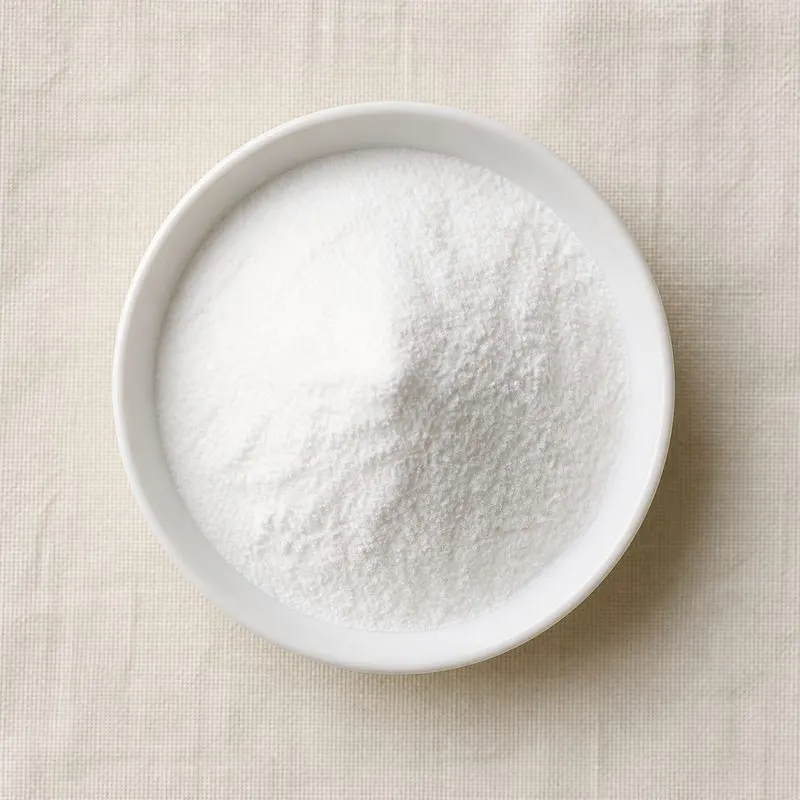
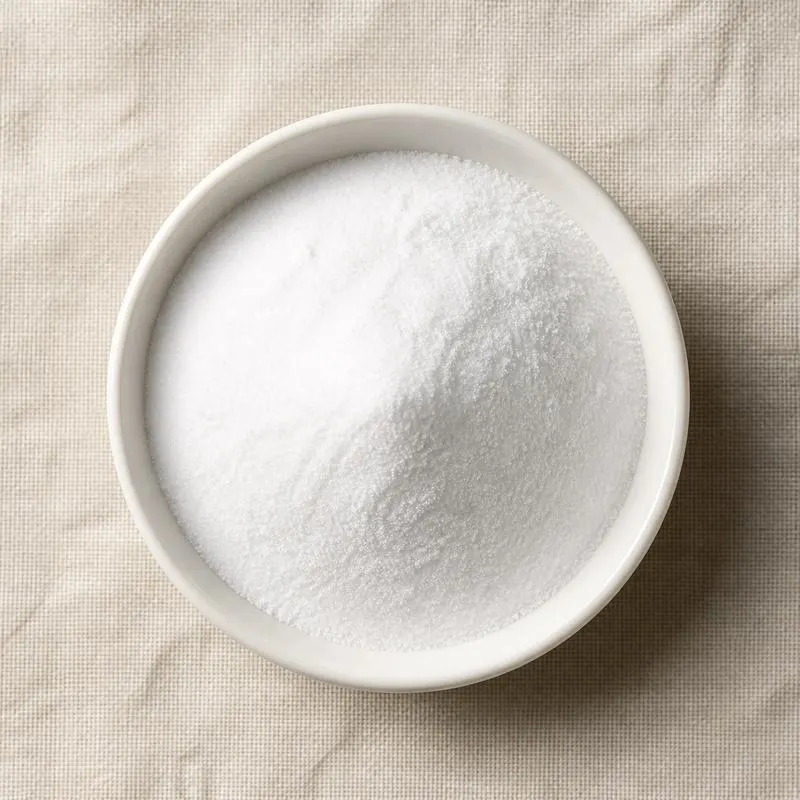
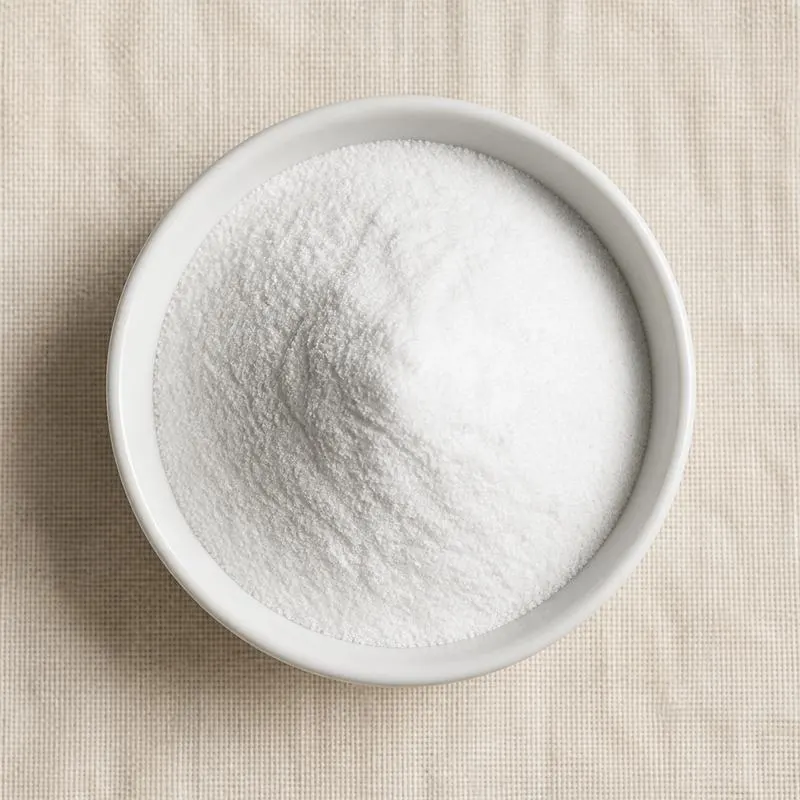
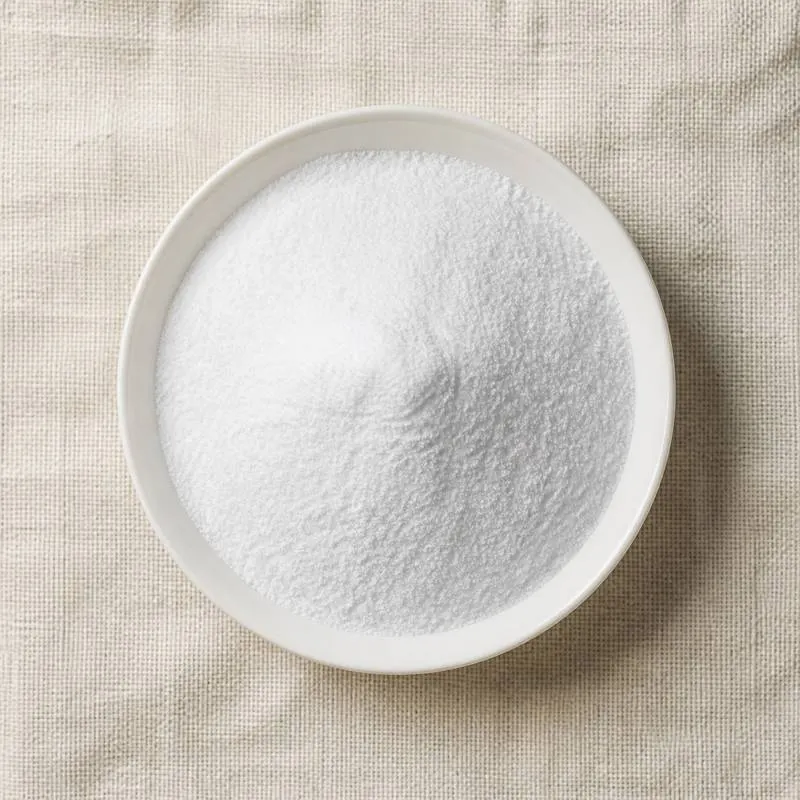
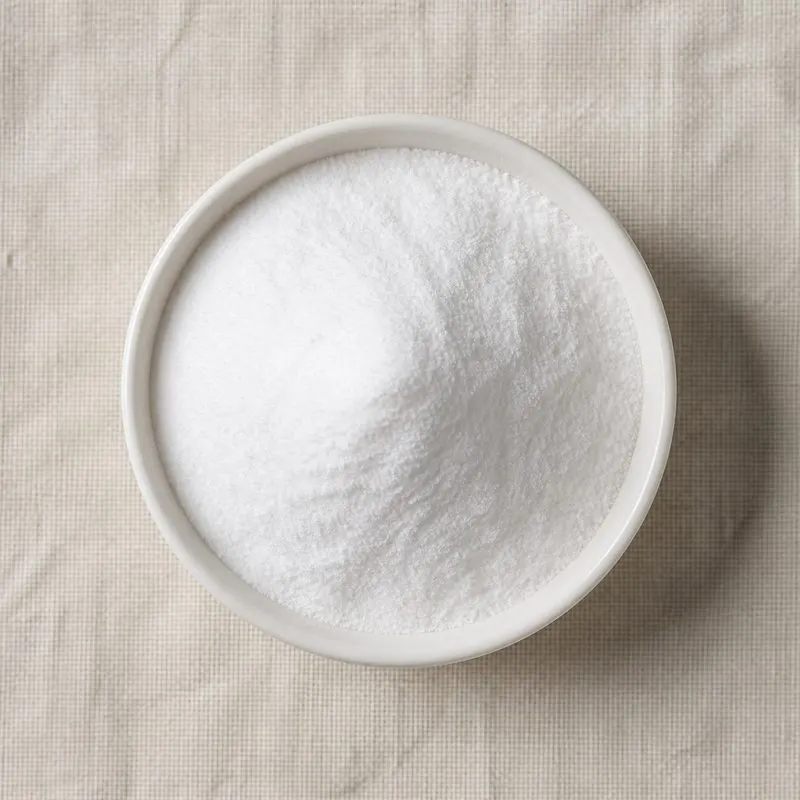
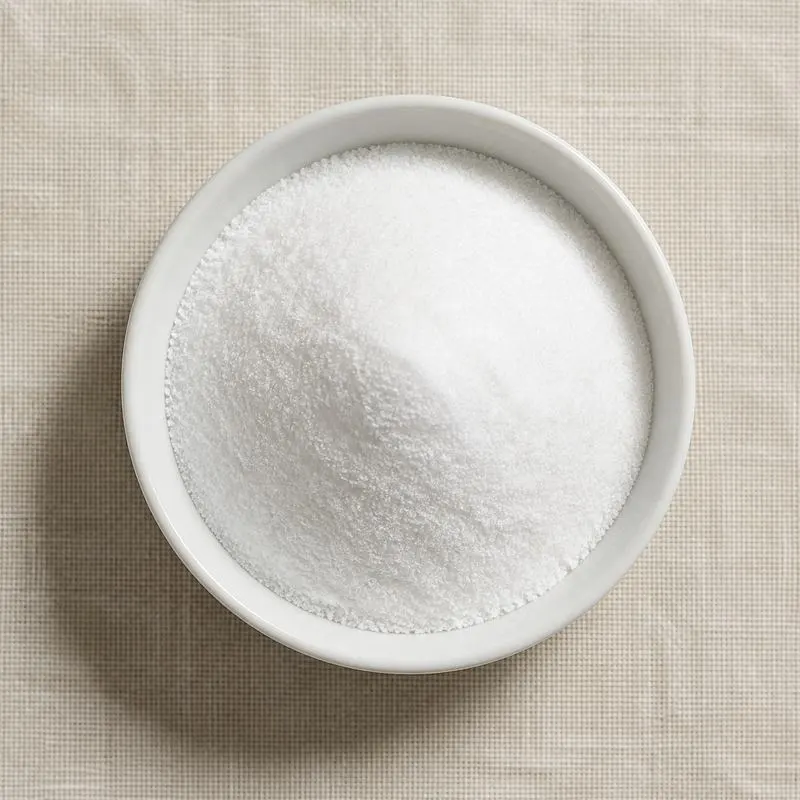
The material is a white to pale yellow crystalline powder or fine granule, freely soluble in water and in dilute alcohol and practically insoluble in non polar solvents. Solutions are mildly foaming, since the molecule is a saponin and is surface active. It is stable to heat and to normal processing, but it precipitates as the free acid in strongly acidic systems below about pH 4.5, which limits its use in carbonated soft drinks and other low pH beverages unless the formulation is adjusted.
We source bulk Dipotassium Glycyrrhizinate from top China manufacturers for our partners. The manufacturers are in Henan and Jiangsu. A smaller requirement can ship in a combined container with other ingredients.
Please send the grade you need, the volume and your destination port, and we will come back with a solution and a price.
or call +86-21-6858 0751
- Function
- Sweetener
Specifications
| Item | Specification |
|---|---|
| Appearance | White to pale yellow crystalline powder |
| Odour and Taste | Characteristic liquorice, intensely sweet |
| Assay as Glycyrrhizic Acid (dry basis) | ≥ 95.0% |
| Identification | Conforms by HPLC retention and infrared spectrum |
| Potassium Content | 7.5 to 9.5% |
| Loss on Drying | ≤ 6.0% |
| Residue on Ignition | 13.0 to 17.0% |
| pH (1% solution) | 5.0 to 7.0 |
| Clarity of Solution | Clear at 1% in water |
| Residual Solvents | Meets pharmacopoeial limits |
| Heavy Metals (as Pb) | ≤ 10 mg/kg |
| Lead | ≤ 1.0 mg/kg |
| Arsenic | ≤ 1.0 mg/kg |
| Total Plate Count | ≤ 1,000 cfu/g |
| Yeast and Mould | ≤ 100 cfu/g |
| Escherichia coli | Negative in 1 g |
| Salmonella | Negative in 25 g |
Common Markets Grades
Food grade material is specified on glycyrrhizic acid content, normally at 80 to 98 percent on a dry basis, with the balance being related saponins, residual sugars and moisture from the liquorice extract it is made from. The highest assays are reached by repeated recrystallisation and are traded for use where flavour cleanliness matters.
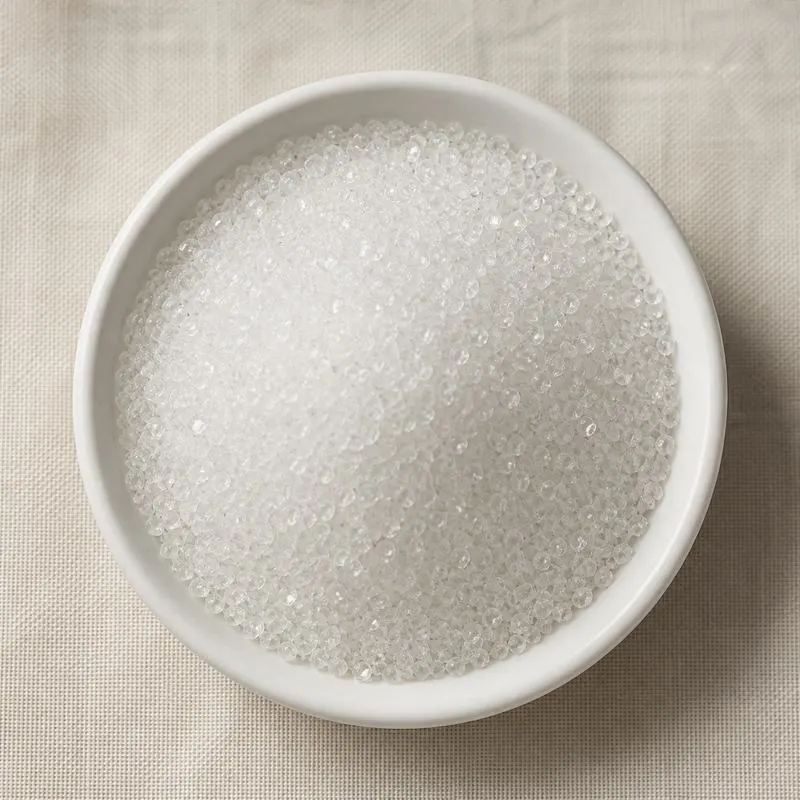
Cosmetic grade is a separate and substantial line, specified to the international nomenclature name and released on tighter colour, heavy metal and microbiological limits, since the material is widely used as a soothing agent in skin care. Pharmaceutical grade meeting a pharmacopoeial monograph is made for medicinal use. Physical options are limited to particle size, with a fine powder for solution work and a granular grade for dry blending. The monopotassium and monoammonium salts, and ammoniated glycyrrhizin, are related but distinct articles with different solubility and are not interchangeable on a like for like basis.
Applications
- Confectionery, particularly liquorice sweets and pastilles, where it supplies both sweetness and the characteristic flavour
- Soy sauce, miso and other fermented seasonings, where it rounds saltiness and adds body
- Sweetener blends with stevia and other high intensity sweeteners, where it masks bitterness and lingering metallic notes
- Chewing gum, extending sweetness perception through the chew
- Herbal and functional beverages, at pH levels high enough to keep it in solution
- Tobacco products and smoking cessation preparations, as a casing and flavour ingredient
- Throat lozenges and cough syrups, contributing sweetness and a demulcent character
- Skin care emulsions, serums and after sun products, as a soothing agent
- Oral care products such as toothpaste and mouthwash, for sweetness without cariogenicity
- Pharmaceutical formulations, as a taste masking agent for bitter actives
China Manufacturers of Dipotassium Glycyrrhizinate
Top Dipotassium Glycyrrhizinate manufacturers in China.
 Luoyang Lansealy Technology Co., Ltd.6 ingredients in the directory
 Zhangjiagang Free Trade Zone Hongyufeng Bio-Technology Co., Ltd.11 ingredients in the directory
Company names and logos are the property of the manufacturers themselves. They are listed here because our own directory records them as producing this ingredient. A listing is not an endorsement by them, and we do not represent them or speak on their behalf.
Regulatory Status
In the United States, 21 CFR 184.1408 lists liquorice and liquorice derivatives, including the salts of glycyrrhizic acid, as generally recognised as safe for use as flavouring agents and flavour enhancers, with maximum use levels set by food category. Ammoniated glycyrrhizin is covered by the same listing. Use as a general purpose sweetener is not within that listing, and the material is treated in the United States as a flavour rather than as a sweetener. Cosmetic use falls under the general cosmetic provisions of the Federal Food, Drug, and Cosmetic Act.
In the European Union, glycyrrhizic acid and its ammonium salt are handled as flavouring substances rather than as authorised sweeteners, so no E number applies to them as additives, and they are not on the list of permitted sweeteners. The regulation on the addition of certain substances to foods sets conditions for glycyrrhizic acid and its ammonium salt, and confectionery and beverages containing them above defined thresholds must carry a statement drawing attention to the presence of liquorice and advising people with high blood pressure to avoid excessive consumption. In cosmetics the material is used under the cosmetic products regulation. JECFA has evaluated glycyrrhizinic acid and its salts, and its conclusions are expressed in terms of intake rather than as a commodity standard, while Codex addresses the substance through its flavouring provisions.
Manufacturing Process
Production starts from the dried root and stolons of liquorice, principally Glycyrrhiza glabra and Glycyrrhiza uralensis. The root is cleaned, chipped and milled, then extracted with hot water or dilute aqueous ammonia in a countercurrent battery, which draws out the glycyrrhizic acid along with sugars, starch, flavonoids and colour. The extract is filtered to remove root fibre and clarified.
Glycyrrhizic acid is then precipitated by acidifying the clarified extract with sulphuric acid, at which point the free acid drops out as a crude solid while most of the sugars and salts remain in solution. The crude precipitate is collected, washed and redissolved in dilute ammonia or alkali, treated with activated carbon to strip colour, and reprecipitated; this dissolve and reprecipitate cycle is repeated until the required purity is reached. The purified free acid is finally neutralised with potassium hydroxide or potassium carbonate under controlled pH so that both carboxyl groups are converted to the potassium salt, and the solution is filtered, concentrated under vacuum and either crystallised from aqueous alcohol or spray dried. The product is milled, sieved and packed with moisture protection.