Disodium α-Ketoglutarate
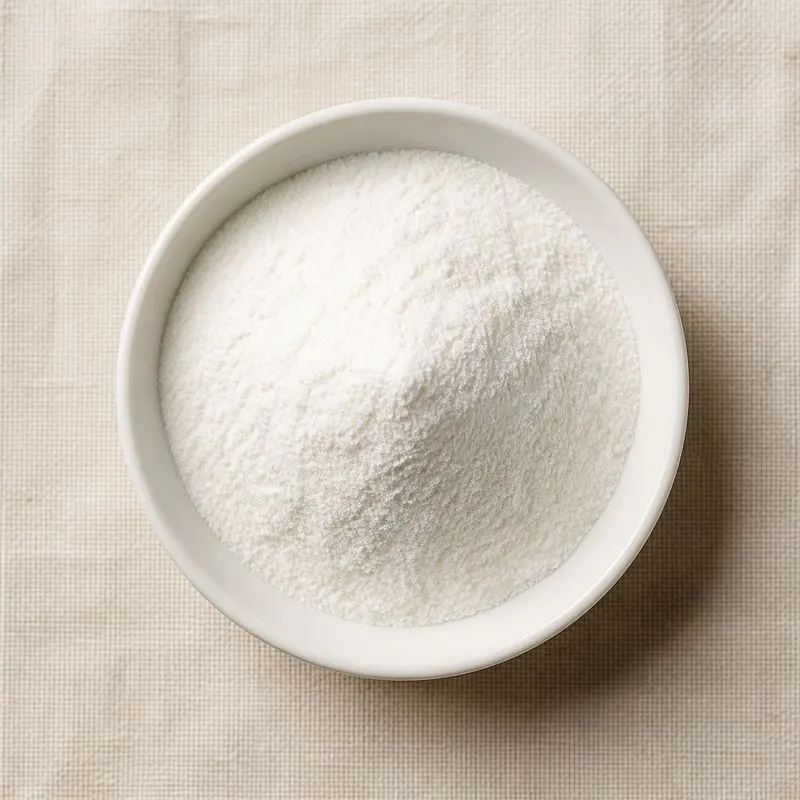
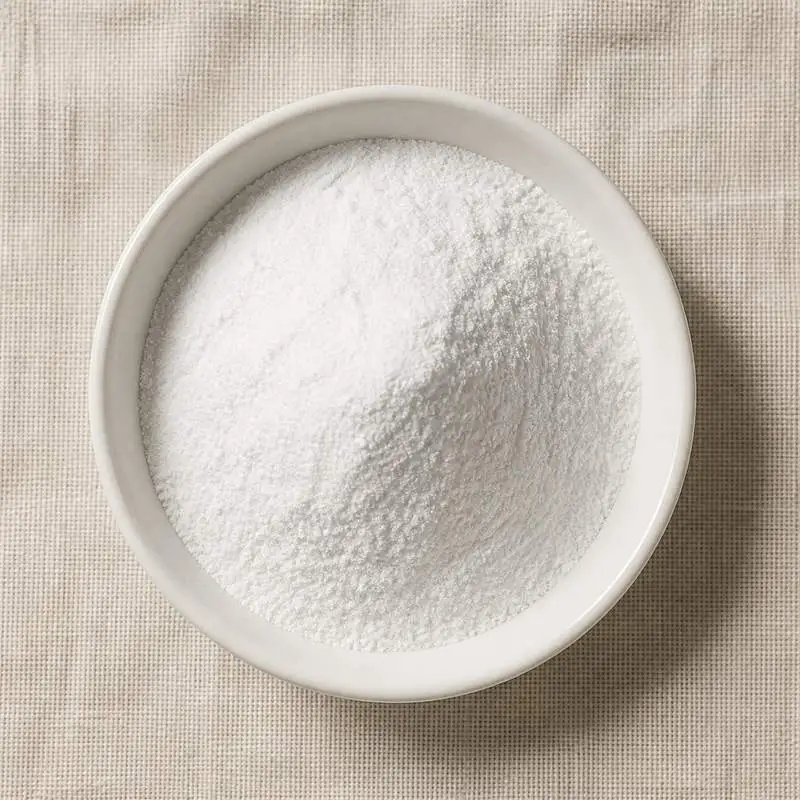
Disodium alpha-ketoglutarate is the disodium salt of 2-oxoglutaric acid, a five carbon dicarboxylic keto acid that sits in the middle of the tricarboxylic acid cycle and forms the junction between carbohydrate oxidation and amino acid nitrogen transfer.
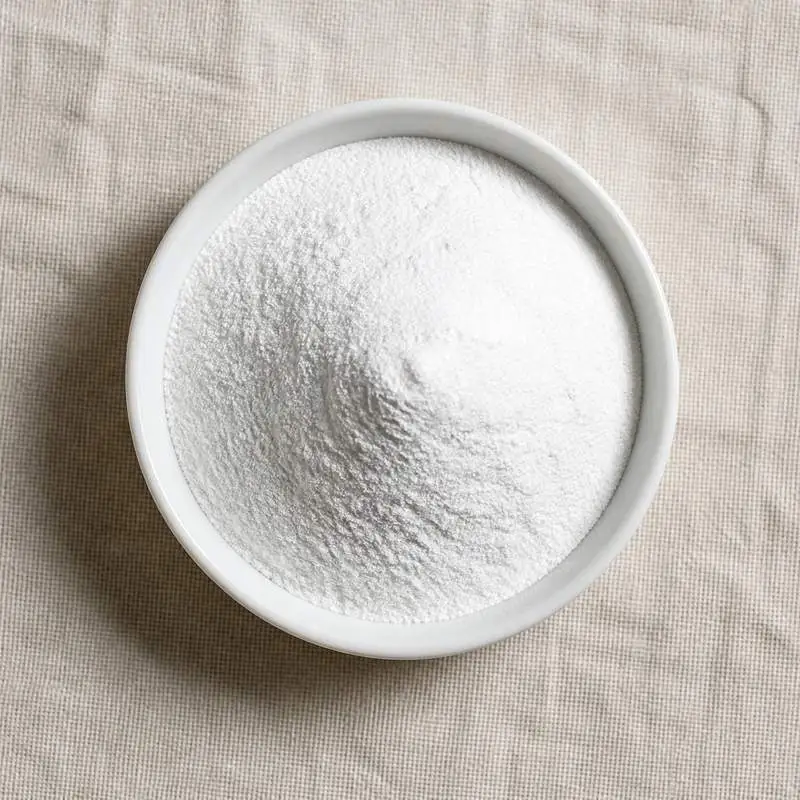
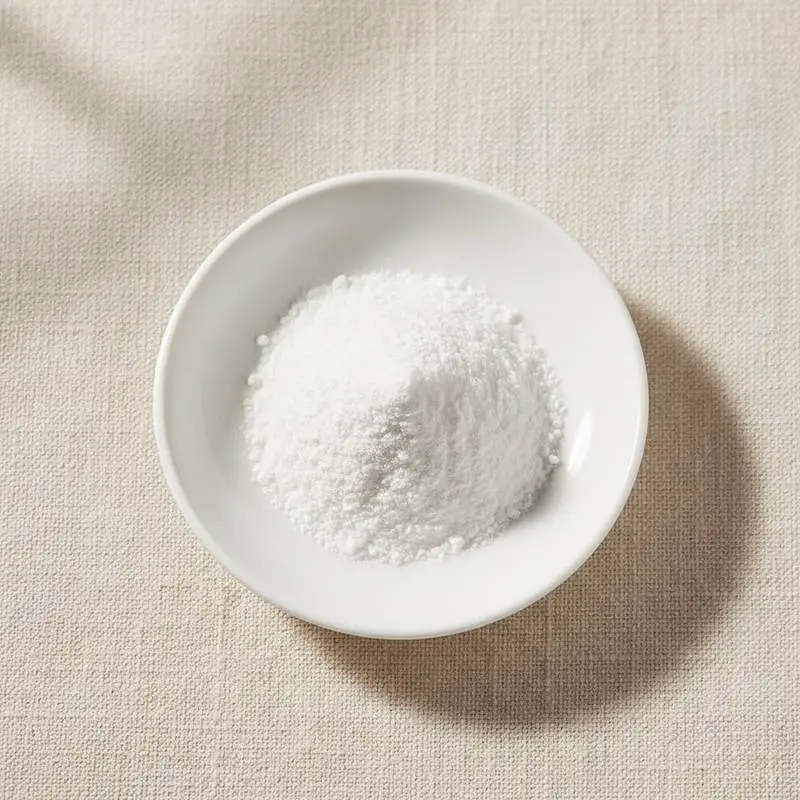
The free acid is hygroscopic and decarboxylates on standing, so it is rarely handled directly in nutrition. Neutralising both carboxyl groups with sodium gives a stable, freely water soluble salt sold as a white to off-white crystalline or amorphous powder, faintly saline in taste, whose solutions are close to neutral. That solubility is the reason the sodium salt is chosen over the calcium salt: where calcium alpha-ketoglutarate disperses as a suspension, the disodium form dissolves completely and can be used in clear liquids, injectable nutrition and cell culture media.
Chemically it remains a keto acid, so it is sensitive to prolonged heat at alkaline pH and to metal catalysed oxidation, both of which drive decarboxylation and darken the solution. The powder is mildly hygroscopic, cakes when exposed to humidity, and is therefore packed in foil laminate with desiccant.
We source bulk Disodium α-Ketoglutarate from top China manufacturers for our partners. The manufacturer is in Hebei. A smaller requirement can ship in a combined container with other ingredients.
Please send the grade you need, the volume and your destination port, and we will come back with a solution and a price.
or call +86-21-6858 0751
- Function
- Nutraceutical
Specifications
| Item | Specification |
|---|---|
| Appearance | White to off-white crystalline powder |
| Identification | Infrared spectrum conforms to reference; positive for sodium |
| Assay, dried basis | Not less than 98.0% |
| Sodium Content | 22.0% to 25.0% |
| Free Alpha-Ketoglutaric Acid | Not more than 1.0% |
| Related Substances, total | Not more than 1.0% |
| Loss on Drying | Not more than 5.0% |
| pH, 5% solution | 6.5 to 8.5 |
| Clarity of Solution | Clear and colourless at 5% |
| Residual Ethanol | Not more than 0.5% |
| Lead | Not more than 1.0 mg/kg |
| Arsenic | Not more than 1.0 mg/kg |
| Total Plate Count | Not more than 1,000 CFU/g |
| Salmonella | Absent in 25 g |
Common Markets Grades
Supplement and food grade material assaying 98 percent or higher on a dried basis is the volume specification, with sodium content controlled in parallel and the hydration state declared, since both anhydrous and hydrated forms are traded and the assay basis differs between them. A pharmaceutical grade with tighter heavy metal, residual solvent and related substance limits, and a low endotoxin grade for parenteral nutrition and cell culture use, are made in smaller volume.
Physical form is the practical variable. A fine milled powder is used for capsule filling, dry blends and dissolution into liquids, while a granulated grade with improved flow is preferred for direct compression tablets. Cell culture grade comes with an additional specification on endotoxin and on trace metal content, because both interfere with the application. The calcium and ornithine salts of the same acid are traded alongside it and are not interchangeable, since the counter ion changes both the solubility and the declared elemental contribution.
Applications
- Clear liquid supplements and ready to drink formulations, where the sodium salt dissolves fully
- Longevity and healthy ageing products positioned around cellular energy metabolism
- Sports nutrition and endurance blends, often combined with arginine or ornithine ketoglutarate
- Amino acid and nitrogen handling formulations aimed at ammonia clearance
- Clinical and parenteral nutrition preparations in markets where the salt is registered for that use
- Cell culture and fermentation media, as a defined carbon and nitrogen acceptor source
- Effervescent tablets and dissolving powders needing a neutral, fully soluble keto acid
- Animal feed and aquaculture supplements aimed at protein utilisation
China Manufacturers of Disodium α-Ketoglutarate
Top Disodium α-Ketoglutarate manufacturers in China.

Company names and logos are the property of the manufacturers themselves. They are listed here because our own directory records them as producing this ingredient. A listing is not an endorsement by them, and we do not represent them or speak on their behalf.
Regulatory Status
In the United States, disodium alpha-ketoglutarate is marketed as a dietary ingredient under the Dietary Supplement Health and Education Act rather than as an approved food additive, so finished goods are positioned as supplements rather than as conventional foods, and a new dietary ingredient notification is the usual route where a pre-1994 history of use cannot be documented. The sodium contribution is accounted for in the nutrition declaration.
In the European Union, alpha-ketoglutarate salts are not authorised food additives and carry no E number. A preparation intended for food supplement use is assessed against the novel food regulation where it lacks significant consumption in the Union before May 1997, and the national rules of the member state govern its placement in supplements. Where the salt is used in a food for special medical purposes or in parenteral nutrition, the separate frameworks for those product categories apply. JECFA has not issued an additive specification for the salt, so buyers rely on the manufacturer's monograph together with chromatographic identity and a related substances profile.
Manufacturing Process
The route begins with alpha-ketoglutaric acid. The fermentation route uses thiamine limited yeasts such as Yarrowia lipolytica grown on glucose or glycerol, conditions under which the organism accumulates and excretes the keto acid into the broth; cells are removed by centrifugation and membrane filtration, and the clarified broth is decolourised on activated carbon and polished by ion exchange. The chemical route condenses diethyl oxalate with a succinate ester, then hydrolyses and decarboxylates the intermediate to the same acid, which is recovered by extraction and crystallisation.
The purified acid solution is then neutralised with sodium hydroxide or sodium carbonate to the disodium stoichiometry under close temperature and pH control, because the keto acid decarboxylates if it is held hot at high pH and the liquor darkens rapidly when it does. The neutralised solution is polished on carbon and, for the low endotoxin grade, passed through a further filtration train. It is concentrated under vacuum at low temperature and the salt is recovered either by crystallisation with ethanol as an antisolvent or, where a free flowing amorphous powder is wanted, by spray drying the concentrate directly. Crystallised material is centrifuged, washed with chilled aqueous ethanol and vacuum dried; both routes finish with milling or granulation, sieving, blending to a homogeneous lot and packing with desiccant under low humidity.