Dnj Hcl
DNJ HCl is the trade abbreviation for 1-deoxynojirimycin hydrochloride, the hydrochloride salt of an iminosugar in which the ring oxygen of a glucose molecule is replaced by nitrogen, giving a piperidine ring that closely mimics the shape of glucose.
That structural mimicry is the whole basis of the ingredient. Because intestinal alpha-glucosidase enzymes bind the molecule as though it were their substrate but cannot cleave it, 1-deoxynojirimycin acts as a competitive inhibitor of starch and disaccharide digestion, slowing the release of glucose from a carbohydrate meal. The compound occurs naturally in mulberry leaves, Morus alba, and in the fermentation broths of several Bacillus and Streptomyces species.
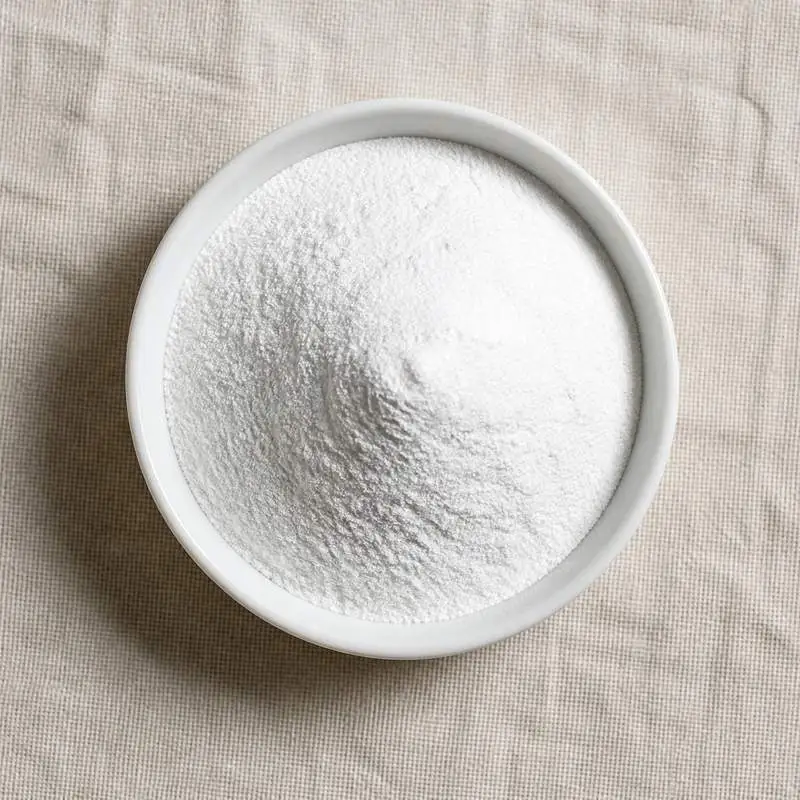
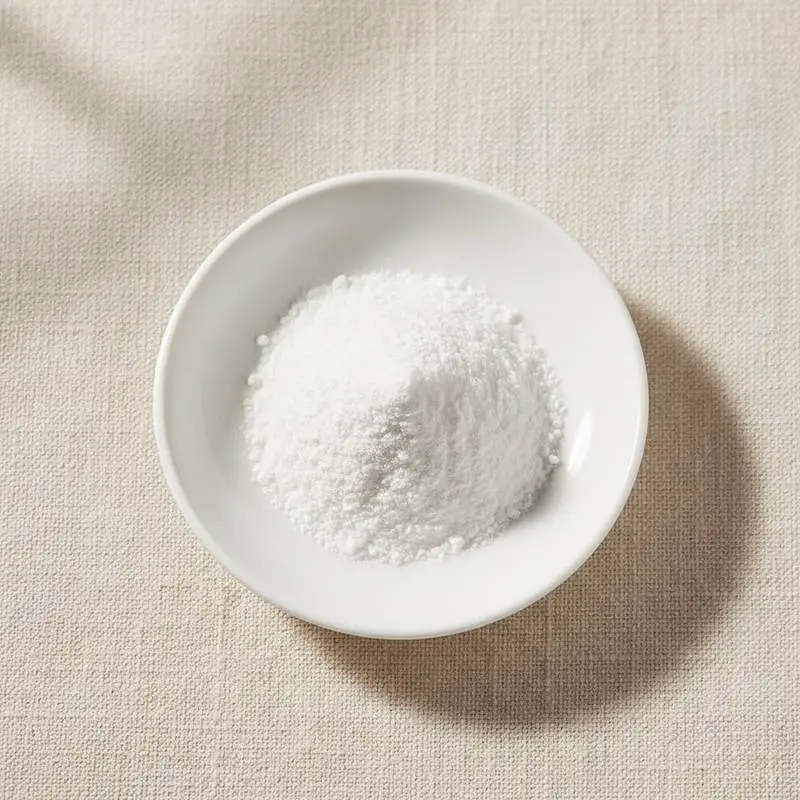
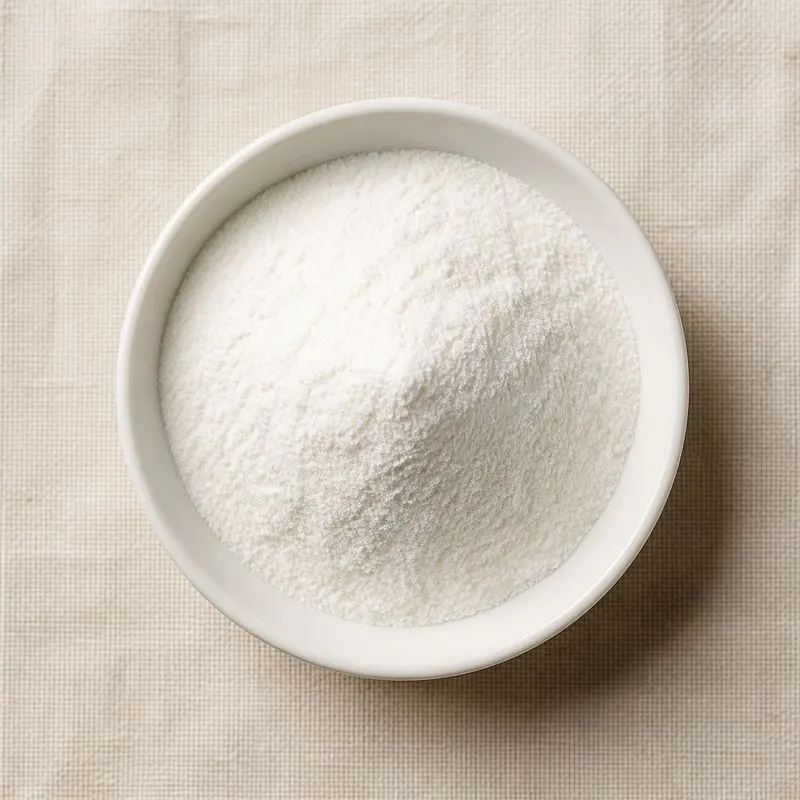
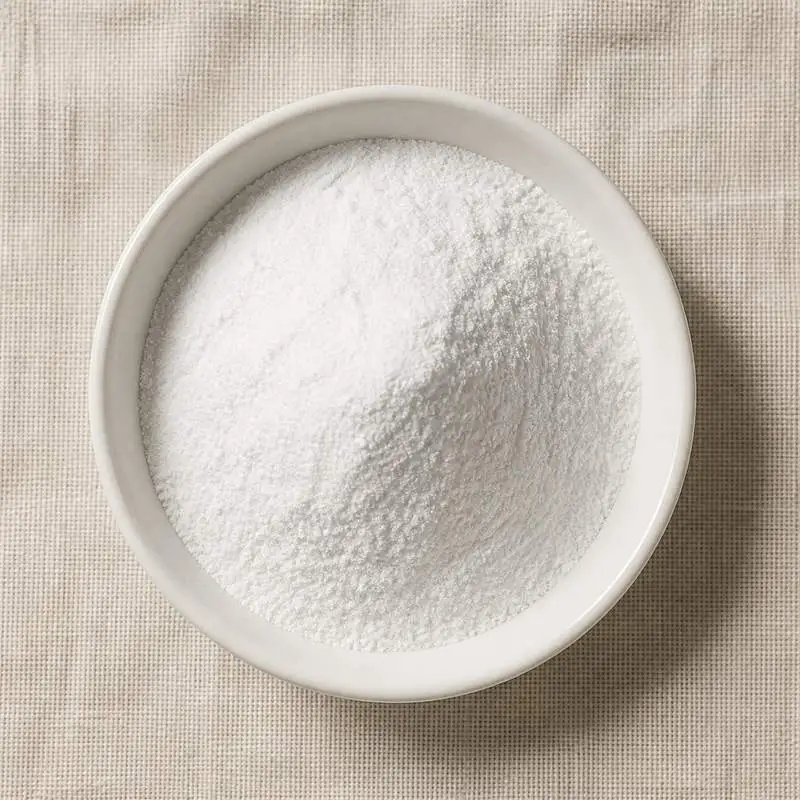
The salt is a white to off-white crystalline powder, freely soluble in water, slightly soluble in ethanol and practically insoluble in non-polar solvents, giving mildly acidic solutions. Salt formation is what makes the material practical to handle: the free base is a hygroscopic, poorly crystalline solid, whereas the hydrochloride is stable, weighable and stable through normal processing. Because it is dosed in milligram quantities, it is almost always diluted onto a carrier or blended into a premix rather than handled neat in a formulation plant.
We source bulk Dnj Hcl from top China manufacturers for our partners. The manufacturer is in Jiangsu. A smaller requirement can ship in a combined container with other ingredients.
Please send the grade you need, the volume and your destination port, and we will come back with a solution and a price.
or call +86-21-6858 0751
- Function
- Nutraceutical
Specifications
| Item | Specification |
|---|---|
| Appearance | White to off-white crystalline powder |
| Identification | Infrared spectrum and retention time conform to reference |
| Assay, dried basis | Not less than 98.0% |
| Specific Optical Rotation | Plus 44.0 to plus 48.0 degrees |
| Related Substances, total | Not more than 1.0% |
| Chloride Content | 19.5% to 22.0% |
| Loss on Drying | Not more than 1.0% |
| pH, 1% solution | 3.0 to 5.0 |
| Residue on Ignition | Not more than 0.2% |
| Lead | Not more than 1.0 mg/kg |
| Arsenic | Not more than 1.0 mg/kg |
| Total Plate Count | Not more than 1,000 CFU/g |
| Yeast and Mould | Not more than 100 CFU/g |
| Salmonella | Absent in 25 g |
Common Markets Grades
The market divides between botanical extracts and purified material. Mulberry leaf extract standardised on 1-deoxynojirimycin is the volume product, traded at 1, 2 or 5 percent DNJ, and carries the flavonoids, polysaccharides and chlorogenic acid of the leaf alongside the active. Purified DNJ hydrochloride is traded at 98 or 99 percent assay and is used where the dose has to be defined precisely without the extract matrix.
Grades are distinguished further by source, since fermentation derived and plant derived material are chemically identical but are documented differently and are treated differently in some regulatory frameworks, so the certificate states the route. Beyond assay the practical variables are particle size and dilution: a fine milled powder for capsule and tablet blends, and pre-diluted trituration grades at a stated percentage on maltodextrin or starch, made because the neat active is dosed at levels too small to blend uniformly at plant scale. A pharmaceutical grade with tighter related substance and residual solvent limits exists for use as a synthesis intermediate.
Applications
- Blood sugar management supplements, the principal outlet, positioned on post meal glucose response
- Weight management and carbohydrate blocker formulations, blended with white kidney bean extract or chromium
- Mulberry leaf capsules and tablets standardised on the active rather than sold as plain leaf powder
- Functional beverages and tea sachets aimed at the metabolic health segment
- Reduced glycaemic response food concepts, where a small dose accompanies a starch containing product
- Meal accompanying sachets and chewables designed to be taken with a carbohydrate meal
- Sports and body composition products positioned around nutrient partitioning
- Synthesis intermediate for iminosugar pharmaceuticals such as the antiviral and enzyme replacement classes
China Manufacturers of Dnj Hcl
Top Dnj Hcl manufacturers in China.
Company names and logos are the property of the manufacturers themselves. They are listed here because our own directory records them as producing this ingredient. A listing is not an endorsement by them, and we do not represent them or speak on their behalf.
Regulatory Status
In the United States, mulberry leaf extract standardised on 1-deoxynojirimycin is sold as a dietary ingredient under the Dietary Supplement Health and Education Act, with mulberry leaf itself having a documented history of food and supplement use. Purified 1-deoxynojirimycin is a different proposition: an isolated, highly purified compound with pharmacological activity as an enzyme inhibitor sits close to the boundary between a dietary ingredient and a drug, and a new dietary ingredient notification is the expected route, with claims restricted to structure function statements rather than to treatment of any condition.
In the European Union, mulberry leaf preparations are handled under member state rules on botanicals in supplements, while an isolated or highly concentrated 1-deoxynojirimycin preparation falls under the novel food regulation and requires authorisation before it can be placed on the market. The substance is not a food additive and carries no E number, and JECFA has not issued a specification for it. Related iminosugars are licensed as prescription medicines in several jurisdictions, so buyers should confirm that the intended dose and presentation do not bring the product within the national medicines framework.
Manufacturing Process
Two routes reach the same molecule. The fermentation route grows a producing strain of Bacillus or Streptomyces in submerged culture on a glucose or starch hydrolysate medium under controlled temperature, pH and aeration, and the iminosugar accumulates in the broth. Cells are removed by centrifugation and membrane filtration, and because 1-deoxynojirimycin is basic, it is captured from the clarified broth on cation exchange resin, which separates it cleanly from the neutral sugars and organic acids that dominate the liquor. The resin is eluted with dilute ammonia, and the eluate is concentrated and further purified by a second chromatographic pass.
The botanical route starts from mulberry leaves, which are dried, milled and extracted with water or aqueous ethanol, often with a mild acid to improve recovery of the basic alkaloid. The extract is filtered, concentrated and passed over cation exchange resin on the same principle, with the loaded resin washed to remove flavonoids, sugars and chlorogenic acid before elution. In both routes the purified base solution is decolourised on activated carbon, adjusted with hydrochloric acid to form the salt, concentrated under vacuum at low temperature and crystallised by adding ethanol as an antisolvent. Crystals are centrifuged, washed with chilled ethanol, dried under vacuum, then milled, sieved, assayed and either packed neat or triturated onto a carrier to the declared dilution.