Mulberry Leaf Extract
Mulberry Leaf Extract is a botanical concentrate prepared from the dried leaves of the white mulberry tree, Morus alba. It is best known in modern formulation work for its content of 1-deoxynojirimycin (DNJ), an iminosugar that inhibits intestinal alpha-glucosidase and supports postprandial blood-glucose management.
The leaf also delivers flavonol glycosides (rutin, isoquercitrin, astragalin), chlorogenic acids, and trace ecdysteroids. The combination is positioned as a metabolic-health ingredient for blood-sugar, weight, and lipid formulas.
We source bulk Mulberry Leaf Extract from top China manufacturers for our partners, working with several of them. The manufacturers are in Shaanxi and Jiangsu. For this ingredient the minimum order is 25 kg, and a smaller requirement can ship in a combined container with other ingredients.
Please send the grade you need, the volume and your destination port, and we will come back with a solution and a price.
or call +86-21-6858 0751
- Minimum order
- 25 kg
- Packaging
- 25 kg fibre drum with double PE liner
- ISO 9001
- HACCP
- Halal
- Kosher
Specifications
| Item | Specification |
|---|---|
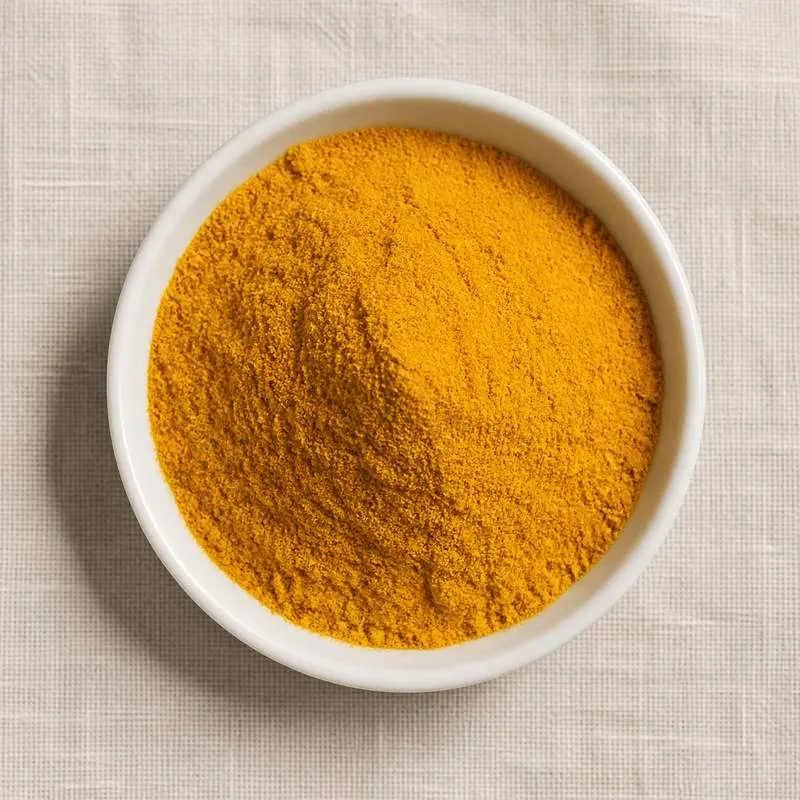
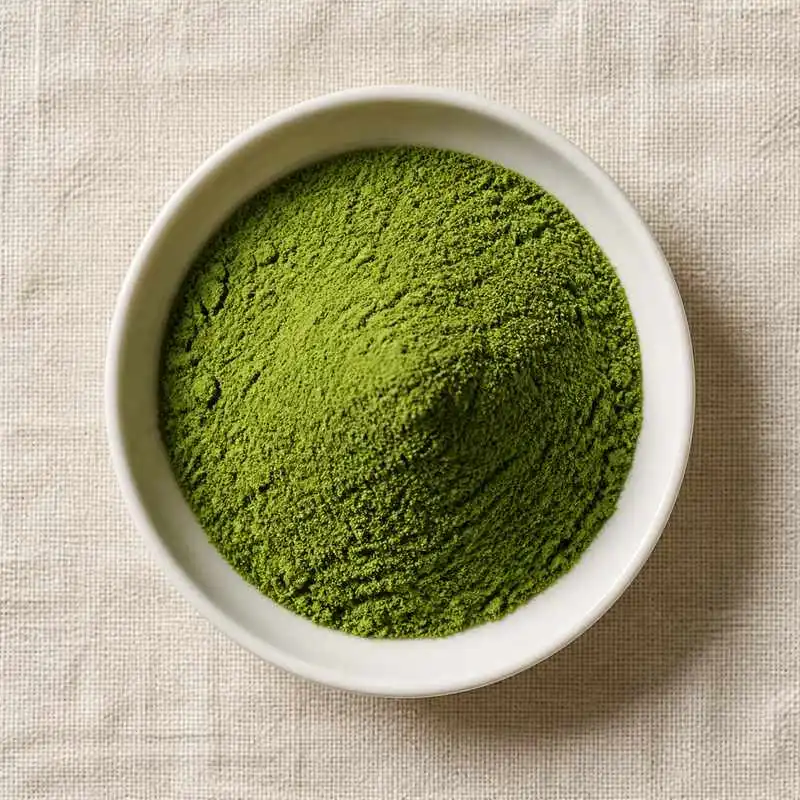
| Appearance | Yellow-green to brown-green free-flowing powder |
| 1-Deoxynojirimycin (HPLC) | 1% / 2% / 5% (grade dependent) |
| Total flavonoids (where standardized) | ≥ 10% |
| Particle size | 95% pass 80 mesh |
| Loss on drying | ≤ 5.0% |
| Residue on ignition | ≤ 5.0% |
| Heavy metals (as Pb) | ≤ 2 mg/kg |
| Total plate count | ≤ 1000 cfu/g |
| Source | Morus alba dried leaves |
Common Markets Grades
Commercial mulberry leaf extract is produced along two distinct specification axes.
Total flavonoid grades, measured as rutin equivalents, run from 5 percent up to 40 percent. These are typical of low-cost botanical lines and traditional tea-style supplements.
DNJ-standardised grades carry a defined iminosugar assay measured by HPLC with pre-column FMOC derivatization. The mainstream offering is 1 percent DNJ, with premium grades at 2 percent, 5 percent, and occasionally 10 percent for clinical-style softgel and tablet formulas.
Polysaccharide grades at 10 to 50 percent are sold to TCM and immune-support lines that target the leaf's heteropolysaccharide fraction rather than its small molecules.
Most material is a fine brown to greenish-brown powder. Water-soluble spray-dried versions and granulated direct-compression grades cover stickpack, beverage premix, and tableting use.
Applications
- Glucose-management supplements paired with chromium, berberine, or gymnema
- Postprandial blood-sugar tablets and capsules taken with carbohydrate meals
- Weight-management formulas focused on starch and sucrose load reduction
- Functional teas and herbal blends in the diabetes-support and metabolic-tea category
- Stickpacks and ready-to-drink shots positioned as carb blockers
- Traditional Chinese Medicine preparations using Sang Ye for heat-clearing and liver support
- Cholesterol and lipid-support combinations with red yeast rice or plant sterols
- Sports-nutrition glucose-disposal stacks alongside cinnamon and alpha-lipoic acid
- Skincare actives leveraging the leaf's tyrosinase-inhibitory flavonoids for brightening
- Pet supplements for senior dogs and cats with insulin-resistance concerns
- Silkworm-industry byproduct upcycling streams entering the nutraceutical chain
Brands Using Mulberry Leaf Extract
Widely-distributed consumer products that list Mulberry Leaf Extract on the ingredient label.
- GlucocilGlucocil Premium Blood Sugar Support Softgels ↗Glucocil blood-sugar softgels list a proprietary mulberry leaf extract (Morus alba) as a core ingredient alongside berberine.Label verified 2026-05-24
- 1MD NutritionGlucoseMD ↗1MD's GlucoseMD blood-sugar formula lists mulberry leaf extract (Morus alba) as a key ingredient combined with berberine, chromium and alpha-lipoic acid.Label verified 2026-05-24
- NuVitalityWhite Mulberry Leaf Extract Capsules ↗Capsules of standardised white mulberry leaf (Morus alba) extract.Label verified 2026-05-24
Brand names, product names and logos are the property of their owners. They appear here as published evidence that the ingredient is used, taken from the brand's own label or website. Their appearance is not an endorsement, and it does not mean the brand buys from us or from any manufacturer listed on this site.
China Manufacturers of Mulberry Leaf Extract
Top Mulberry Leaf Extract manufacturers in China.
 Shanxi Undersun Biomedtech Co., Ltd.3 ingredients in the directory
 Suzhou Longhelp Nutrition Technology Co., Ltd.2 ingredients in the directory
 Xi'an Hihealth Biotechnology Co., Ltd.2 ingredients in the directory
Company names and logos are the property of the manufacturers themselves. They are listed here because our own directory records them as producing this ingredient. A listing is not an endorsement by them, and we do not represent them or speak on their behalf.
How We Help Source Mulberry Leaf Extract
Direct Factory Sourcing
We run the whole process: selecting the manufacturer from the top Chinese food ingredient producers, negotiating the price, verifying quality, and coordinating the logistics. You deal with us instead of with several factories at once.
Original Packaging and Documents from the Manufacturer
The manufacturer sends your Mulberry Leaf Extract out of its own factory in the original packing, through to your destination port. The COA, COO, MSDS, TDS and any certifications reach you from the manufacturer as well.
Free Samples and Lead Time
We send 100 to 500 g free for your own laboratory to test and you cover only the courier, usually within 2 to 3 working days. ETD is usually within 7 to 15 days once the order is confirmed, and we check that date against the factory's own manufacturing schedule before we give it to you.
Combined Shipment
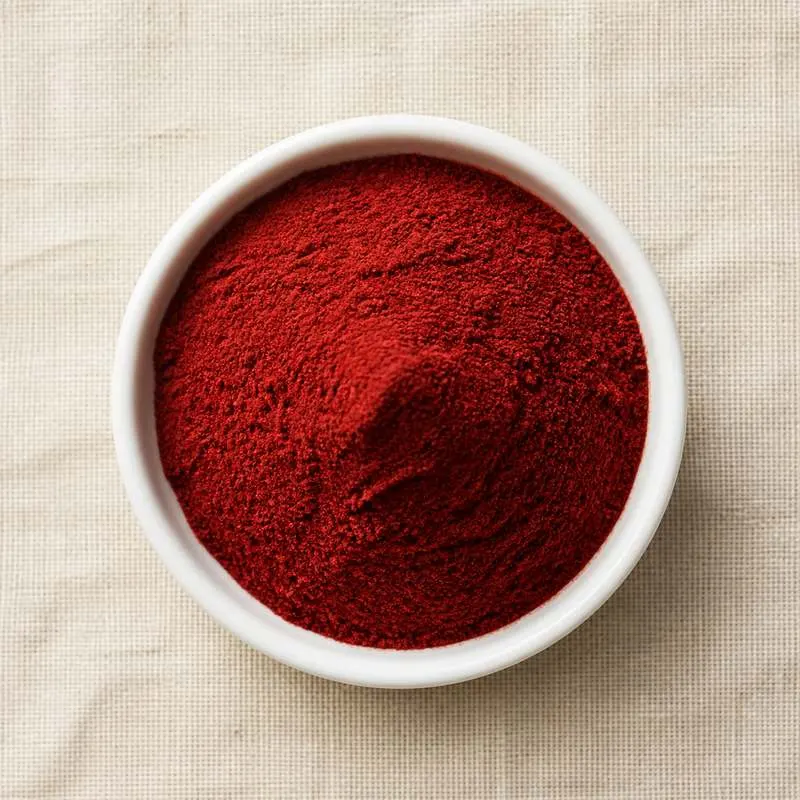
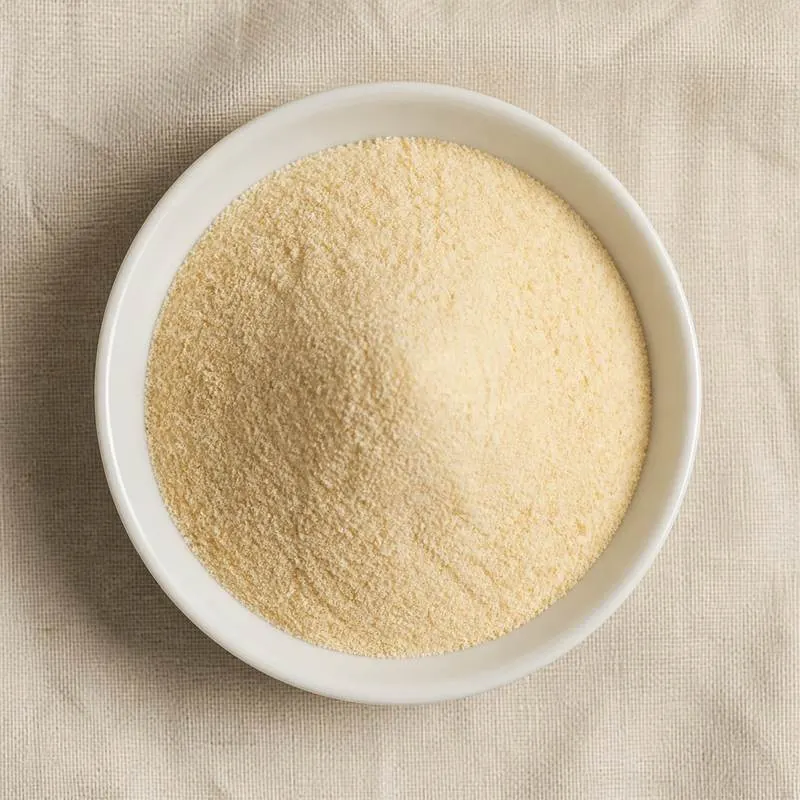
We can load Mulberry Leaf Extract together with other ingredients such as Astaxanthin, Dehydrated Garlic and Lutein into one 20' FCL. If your quantity is small, we can also ship LCL.
Regulatory Status
Mulberry leaf has a long history of use in East Asian food and medicine and is generally recognised as a traditional botanical ingredient.
In China the leaf appears on the Health Commission's list of substances that are both food and traditional Chinese medicine, permitting its use across teas, beverages, and supplements.
In the United States mulberry leaf and its extracts are marketed as dietary-supplement ingredients under DSHEA. Several commercial DNJ-standardised preparations have filed self-affirmed GRAS dossiers for use in functional foods and beverages.
In the European Union mulberry leaf extracts entering the food-supplement channel are evaluated under the national food-supplement frameworks of member states. Novel-food status applies to extracts produced by processes without a significant pre-1997 history.
In Japan several mulberry leaf preparations have cleared the Foods with Function Claims (FFC) notification system for postprandial glucose claims.
Manufacturing Process
The leaves are harvested from cultivated Morus alba, primarily from sericulture provinces in eastern and southern China, with secondary production in Korea, Japan, and parts of India.
Spring and early-summer leaves carry the highest DNJ content. Plucked material is rapidly air-dried or low-temperature oven-dried to lock in the iminosugar fraction, which degrades under harsh heat.
Extraction is typically done with hot water or aqueous ethanol. The crude extract is filtered, concentrated under vacuum, and either spray-dried directly for low-grade material or passed through ion-exchange and adsorption resin steps for DNJ enrichment.
For high-DNJ grades, cation-exchange resin in the H+ form captures the basic iminosugar, which is then eluted with dilute ammonia, neutralised, and crystallised or spray-dried with a carrier such as maltodextrin.
Quality control relies on HPLC with fluorescence detection of FMOC-DNJ derivatives, along with UV-Vis quantitation of total flavonoids and standard heavy-metal and pesticide screens.