Echinochloa Extract
Echinochloa extract is a preparation of barnyard millet grain, the cultivated species of the genus Echinochloa, principally Echinochloa esculenta, known in Japan as hie, and Echinochloa frumentacea, the Indian barnyard millet. The grain is one of the oldest domesticated small millets and the extract is made from the whole or dehulled seed rather than from the straw or the weedy relatives of the genus.
The constituents that give the extract its interest are phenolic rather than saponin or alkaloid. Work on the Japanese species identified N-p-coumaroylserotonin, a serotonin derivative, along with the flavones luteolin and tricin, and these three are the compounds most often quoted as markers. The grain also carries a resistant starch and non-digestible oligosaccharide fraction, dietary fibre, and a protein fraction low in prolamin, which is the basis of its use in gluten-free formulation.
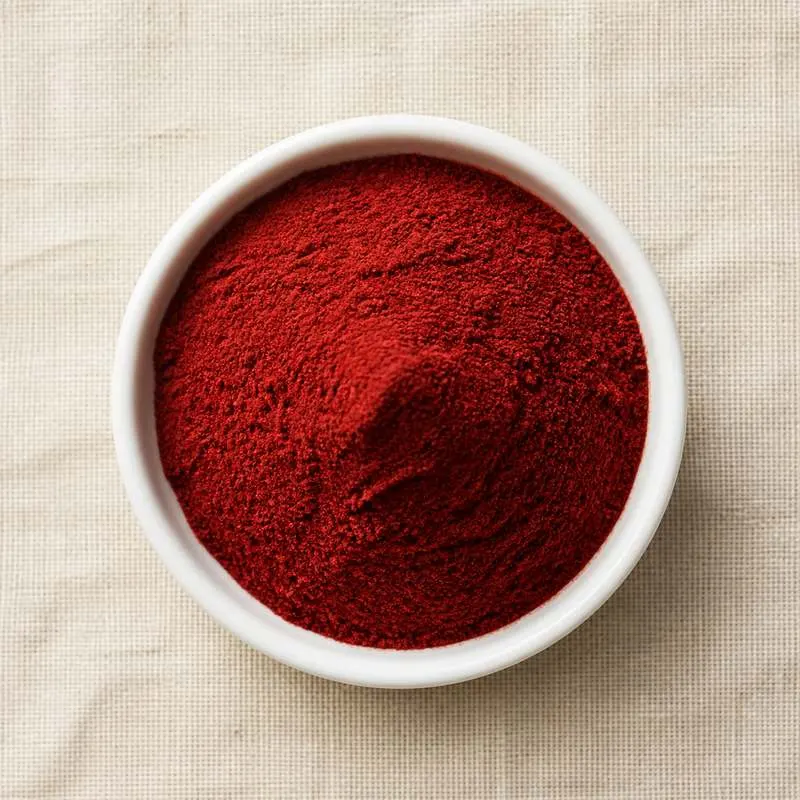
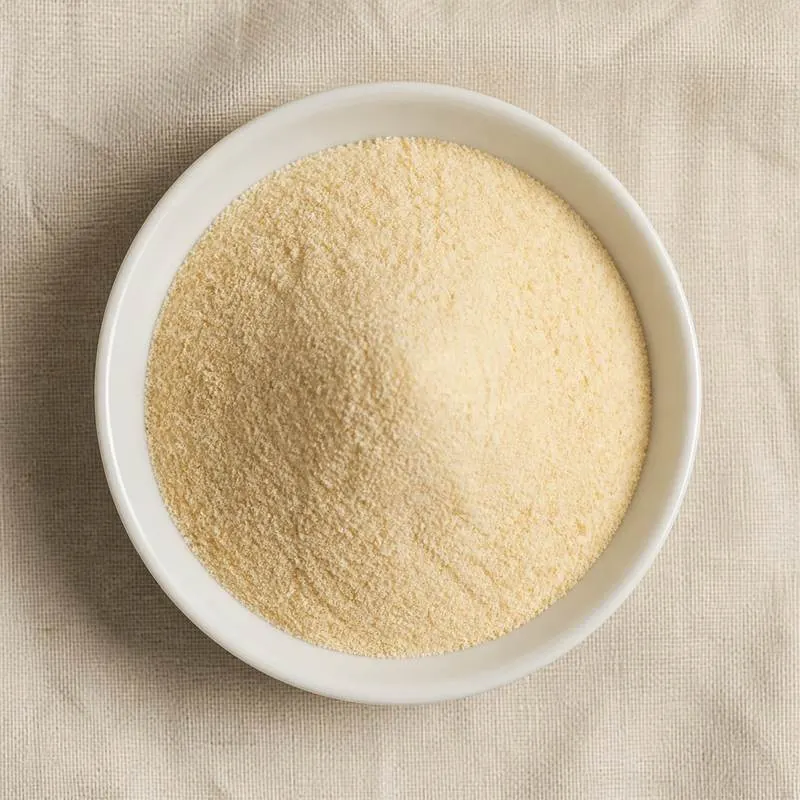
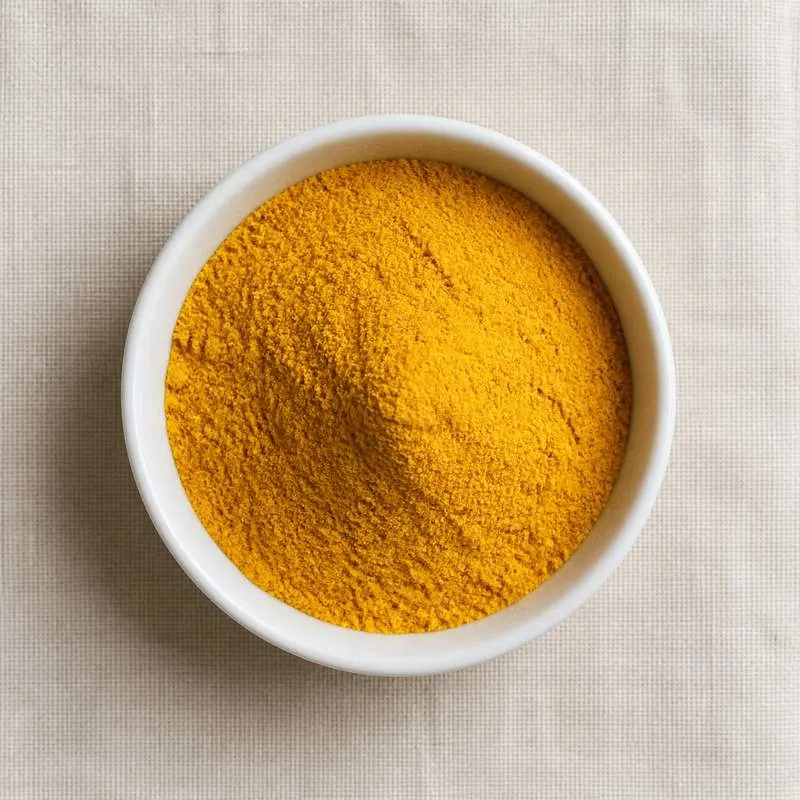
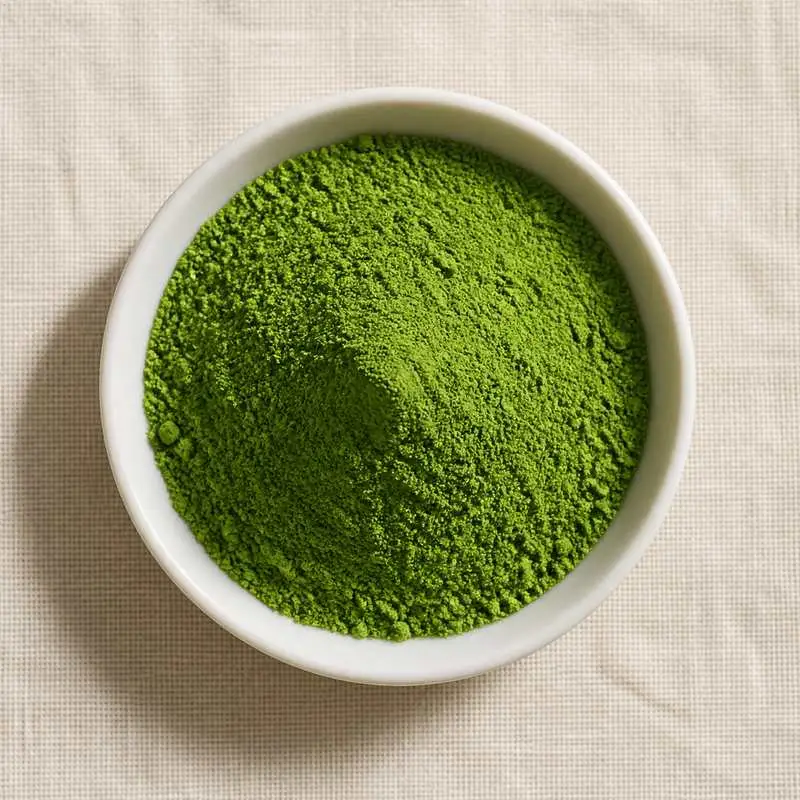
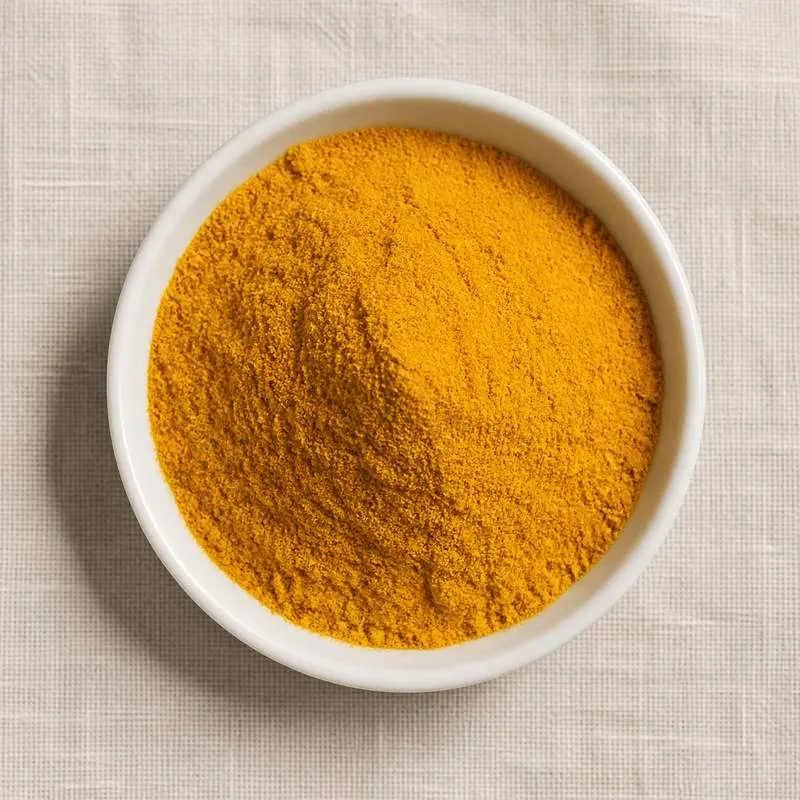
The extract is a light brown to tan fine powder with a faint cereal odour and a mild, slightly nutty taste, which makes it easier to dose than most bitter botanical extracts. Water extracts carrying the oligosaccharide and protein fraction dissolve to a slightly hazy solution, while hydroalcoholic extracts carrying the phenolic fraction disperse rather than fully dissolve. The powder is hygroscopic and the phenolic fraction darkens under alkaline conditions.
We source bulk Echinochloa Extract from top China manufacturers for our partners. The manufacturer is in Shaanxi. A smaller requirement can ship in a combined container with other ingredients.
Please send the grade you need, the volume and your destination port, and we will come back with a solution and a price.
or call +86-21-6858 0751
- Function
- Plant extract
Specifications
| Item | Specification |
|---|---|
| Botanical Source | Echinochloa esculenta or Echinochloa frumentacea, dehulled grain |
| Appearance | Light brown to tan fine powder |
| Total Polyphenols by Folin | ≥ 5.0% |
| Identification | Conforms by TLC to reference extract |
| Extraction Solvent | Water and ethanol |
| Loss on Drying | ≤ 6.0% |
| Ash | ≤ 6.0% |
| Residual Solvent (Ethanol) | ≤ 5,000 mg/kg |
| Lead | ≤ 2.0 mg/kg |
| Arsenic | ≤ 1.0 mg/kg |
| Total Plate Count | ≤ 10,000 cfu/g |
| Yeast and Mould | ≤ 100 cfu/g |
| E. coli | Negative in 1 g |
| Salmonella | Negative in 25 g |
Common Markets Grades
Two commercially different products are traded under this name and they are not interchangeable. The larger volume material is a water or enzymatic extract of the grain sold on its soluble fibre and oligosaccharide content, or simply as a ratio extract at 4:1 or 10:1, used as a functional cereal base. The second is a hydroalcoholic phenolic extract standardised on total polyphenol content by the Folin method, commonly at 5 or 10 percent, or occasionally on total flavones, used in nutraceutical and cosmetic work.
Milled barnyard millet flour and bran are also traded alongside the extracts and are a distinct product, since they are ground rather than extracted. Physical variants of the extract include spray dried powder, maltodextrin-carried grades where the pure extract is too hygroscopic for dry blending, and concentrated fluid extract for liquid formats. Because several Echinochloa species are grown and the weedy species are not food crops, the botanical name and the plant part should be confirmed on the specification rather than assumed from the trade name.
Applications
- Gluten-free bakery and noodle formulations, where the millet protein carries little prolamin
- Infant and weaning cereals, drawing on the mineral and fibre profile of the grain
- Functional beverages and cereal drinks, using the water-soluble extract for body and fibre content
- Prebiotic and digestive health supplements based on the non-digestible oligosaccharide fraction
- Antioxidant and polyphenol supplements, using the standardised hydroalcoholic grade
- Blood sugar management and low glycaemic food products, where the resistant starch fraction is the reason for using it
- Meal replacement and sports nutrition powders needing a neutral-tasting cereal base
- Skin care creams and serums drawing on the serotonin derivative and flavone fraction
- Traditional millet foods reformulated for export markets with a defined specification
China Manufacturers of Echinochloa Extract
Top Echinochloa Extract manufacturers in China.

Company names and logos are the property of the manufacturers themselves. They are listed here because our own directory records them as producing this ingredient. A listing is not an endorsement by them, and we do not represent them or speak on their behalf.
Regulatory Status
Barnyard millet grain is a conventional food crop with a long history of consumption in East and South Asia, so the grain, its flour and simple water extracts are handled as foods in most markets rather than as additives. In the United States the milled grain is a conventional food ingredient and extracts are marketed as dietary ingredients under the Dietary Supplement Health and Education Act, with manufacture under 21 CFR Part 111. The Food and Drug Administration has not issued a food additive regulation or a generally recognised as safe affirmation specific to Echinochloa extracts, so a concentrated phenolic fraction with no marketing history would need to be assessed as a new dietary ingredient.
In the European Union the grain itself has a history of food use, but the position of concentrated extracts is less settled: a purified phenolic fraction that departs substantially from traditional consumption can fall within the scope of the novel food Regulation and require authorisation, which has to be checked against the specification rather than assumed from the food status of the grain. No health claim for barnyard millet appears on the EU register of authorised claims. Codex has commodity standards covering certain millets, but neither Codex nor JECFA has published a specification for Echinochloa extract.
Manufacturing Process
Manufacture starts from cleaned barnyard millet grain, which is dehulled and milled to a coarse meal to open the endosperm and bran. For the fibre and oligosaccharide grade the meal is slurried in water and treated with amylase and protease at controlled temperature and pH, which releases the soluble carbohydrate and protein fractions while leaving insoluble bran behind. The slurry is centrifuged, the supernatant filtered, then concentrated under vacuum and spray dried.
For the phenolic grade the milled grain is extracted with aqueous ethanol at 60 to 70 percent by countercurrent percolation, since the serotonin derivative and the flavones are far better recovered in alcohol than in water. The liquor is filtered and the ethanol recovered under vacuum, and the concentrate is passed over macroporous adsorption resin, which binds the phenolics while sugars and salts wash through. Ethanol elution releases the enriched fraction and sets the declared polyphenol figure. The eluate is concentrated at low temperature, standardised by blending or with a maltodextrin carrier, spray dried, sieved and packed with a moisture barrier.