Edible Rennet Casein
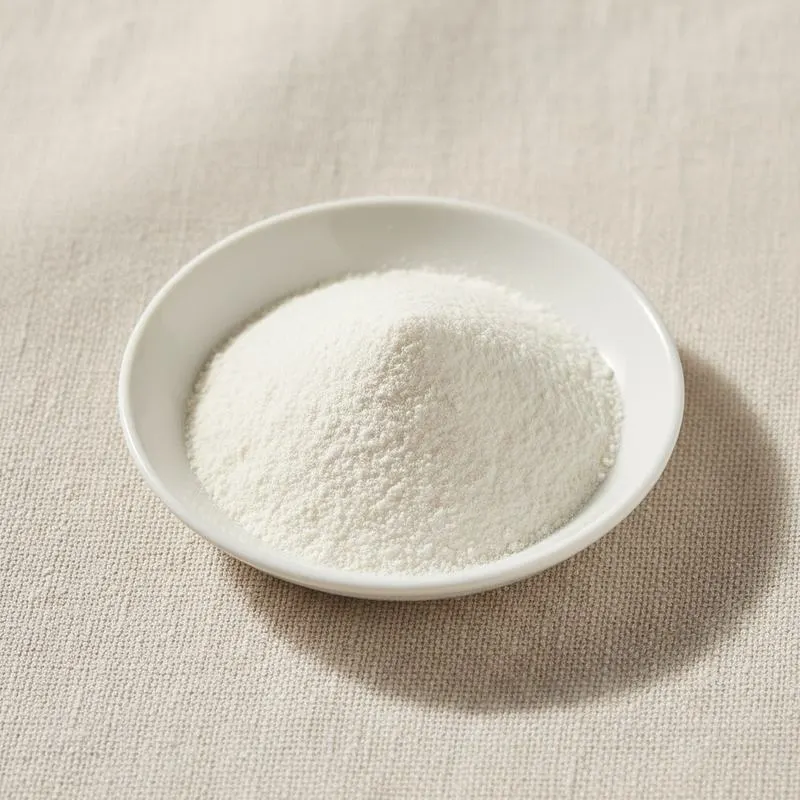
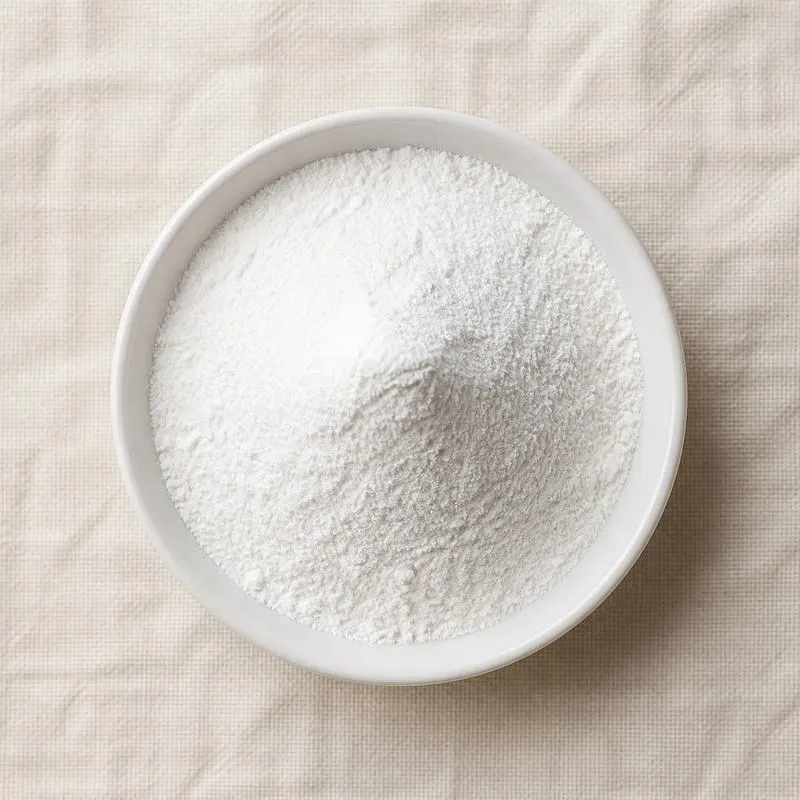
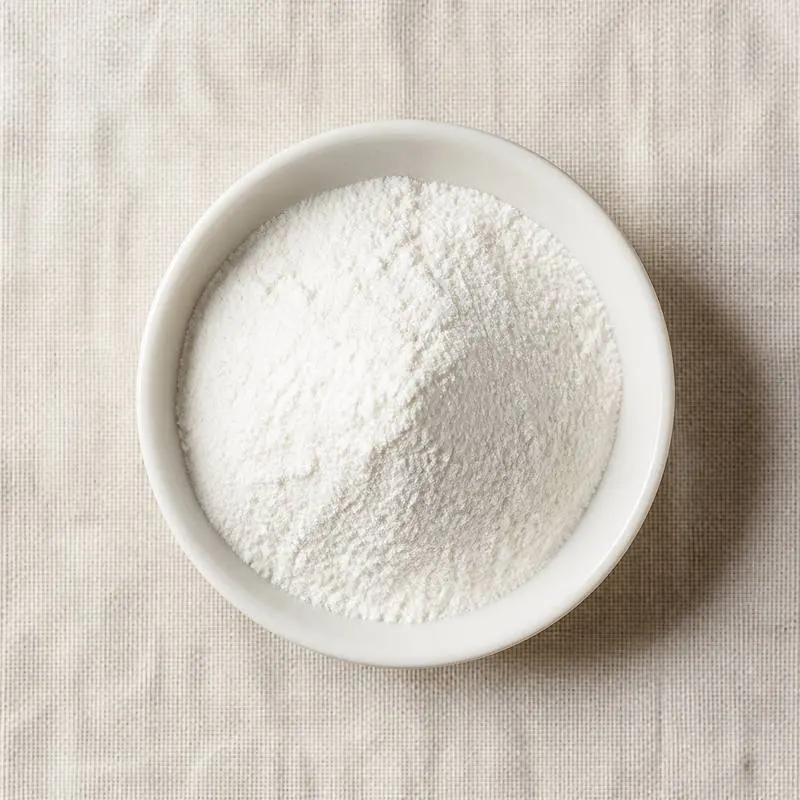
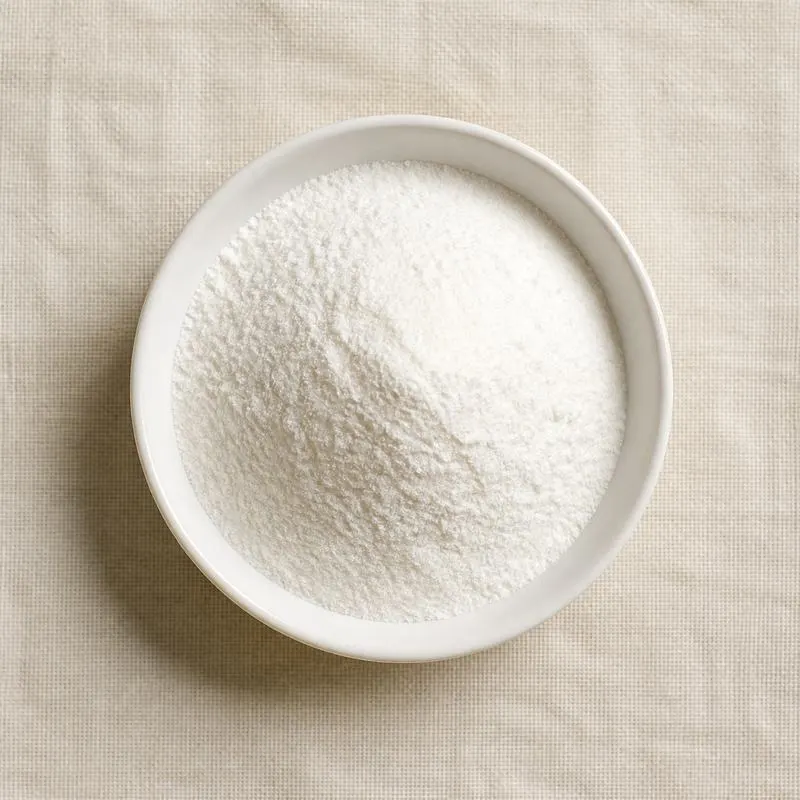
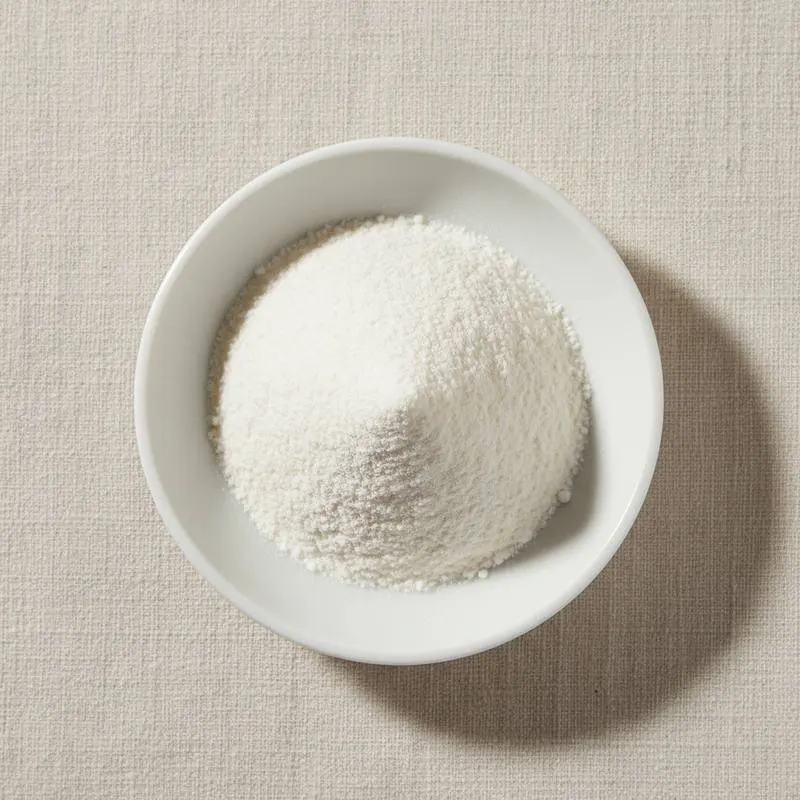
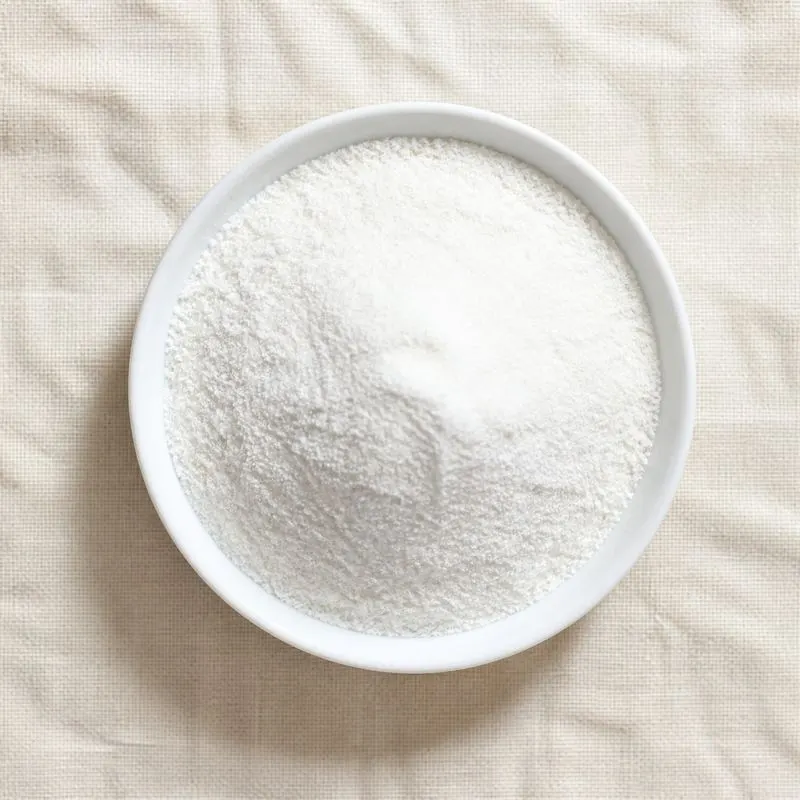
Edible Rennet Casein is a high-purity milk protein concentrate produced by precipitating skim milk with chymosin (rennet) at neutral pH.
The resulting paracasein matrix is washed, dried, and milled to a free-flowing powder containing roughly 84 percent protein with a calcium content significantly higher than acid casein.
or call +86-21-6858 0751
- Packaging
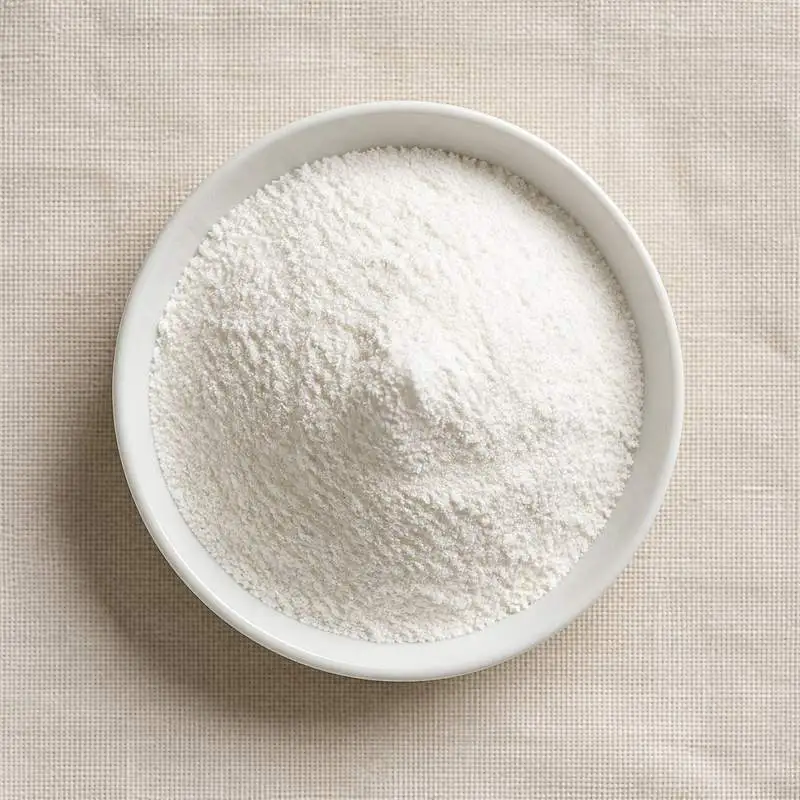
- 20 kg fibre drum with double PE liner
- ISO 9001
- HACCP
- Halal
- Kosher
Specifications
| Item | Specification |
|---|---|
| Appearance | White to pale cream granular powder |
| Protein (dry basis, N×6.38) | ≥84% |
| Moisture | ≤12% |
| Fat | ≤2.0% |
| Ash | 7.0–9.0% |
| Calcium | 2.8–3.2% |
| Lactose | ≤1.0% |
| pH (10% sol.) | 6.8–7.2 |
| Heavy Metals (as Pb) | ≤2 mg/kg |
| Total Plate Count | ≤30,000 cfu/g |
| Coliforms | Negative in 0.1g |
| Salmonella | Absent in 25g |
Common Markets Grades
Edible Rennet Casein is graded by particle size and end-use specification.
Coarse grades at 30 to 60 mesh are formulated for analog and processed cheese, where controlled rehydration during cooking is preferred.
Medium grades at 60 to 100 mesh serve nutrition bar and bakery formulators who blend the powder dry into a flour or protein premix.
Fine grades at 100 to 200 mesh are used in protein beverages, infant formula adjuncts, and pharmaceutical excipient applications where fast hydration matters.
Low-calcium and low-bacterial-count grades are produced on dedicated lines for sensitive clinical-nutrition and pharmaceutical formulations.
Applications
- Processed cheese and analog cheese for structure, meltability, and stretch
- Imitation cheese slices, shreds, and blocks for pizza and bakery applications
- Nutrition bars and high-protein snack formulations
- Coffee whitener and creamer powders for body and mouthfeel
- Bakery dough enrichment for sandwich bread, croissant, and brioche systems
- Pasta and noodle protein fortification
- Meat extender and binder in deli loaves, pâtés, and frankfurters
- Pharmaceutical tablet binder and slow-release matrix component
- Adhesive and industrial coating applications including pharmaceutical label glues
How We Help Source Edible Rennet Casein
Direct Factory Sourcing
We run the whole process: selecting the manufacturer from the top Chinese food ingredient producers, negotiating the price, verifying quality, and coordinating the logistics. You deal with us instead of with several factories at once.
Original Packaging and Documents from the Manufacturer
The manufacturer sends your Edible Rennet Casein out of its own factory in the original packing, through to your destination port. The COA, COO, MSDS, TDS and any certifications reach you from the manufacturer as well.
Free Samples and Lead Time
We send 100 to 500 g free for your own laboratory to test and you cover only the courier, usually within 2 to 3 working days. ETD is usually within 7 to 15 days once the order is confirmed, and we check that date against the factory's own manufacturing schedule before we give it to you.
Combined Shipment
We can load Edible Rennet Casein together with other ingredients such as Transglutaminase, Nattokinase and Bromelain into one 20' FCL. If your quantity is small, we can also ship LCL.
Regulatory Status
The Codex standard 290-1995 for edible casein products governs Edible Rennet Casein in international trade.
The standard sets minimum protein content (84 percent on dry basis for rennet casein), maximum moisture, ash, milk fat, and free acidity. Lactose and heavy metals are also capped.
The U.S. FDA recognises casein as a safe milk ingredient subject to standard dairy good-manufacturing practice. The EU regulates casein and caseinate under directive 83/417/EEC and successor texts.
Milk allergen labelling is mandatory. Halal and Kosher certifications (cheese-style for Kosher) are routinely available depending on the rennet source and facility audit.
Manufacturing Process
Edible Rennet Casein begins with fresh pasteurised skim milk standardised to defined fat and protein limits.
The milk is warmed to 30 to 35 °C and treated with food-grade chymosin. The enzyme cleaves κ-casein at the Phe105-Met106 bond, releasing the hydrophilic caseinomacropeptide and allowing the remaining caseins to flocculate as a calcium-bridged paracasein curd.
The curd is cut, drained, and washed repeatedly with deionized water to remove lactose, salts, and whey proteins. Washing temperature is held to a tight range to control mineral retention and final calcium content.
The washed curd is dewatered by pressing or decanter centrifugation, then dried in a ring or attrition dryer. The dried granules are milled to the target particle size and screened.
Major production sites operate in France, Ireland, New Zealand, and Poland, generally co-located with large dairy pools.