Rennet Casein
Rennet casein is the dried curd protein obtained when skimmed milk is coagulated with rennet, the enzyme preparation that cleaves kappa-casein and destabilises the casein micelle.
Unlike acid casein, which is precipitated at the isoelectric point and retains almost no mineral, rennet casein keeps the colloidal calcium phosphate of the original micelle. The product is therefore a calcium para-caseinate rather than free casein, and it contains roughly 7 to 8 percent ash against about 2 percent for acid casein. That retained calcium is what gives rennet casein its characteristic melting and stretching behaviour, which is the reason it exists as a separate article of trade.
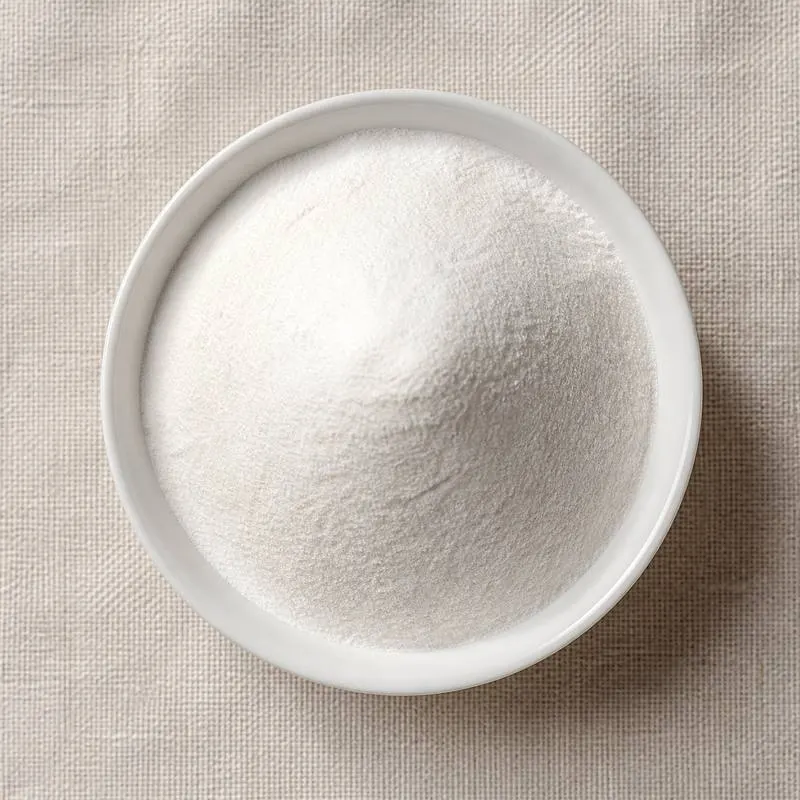
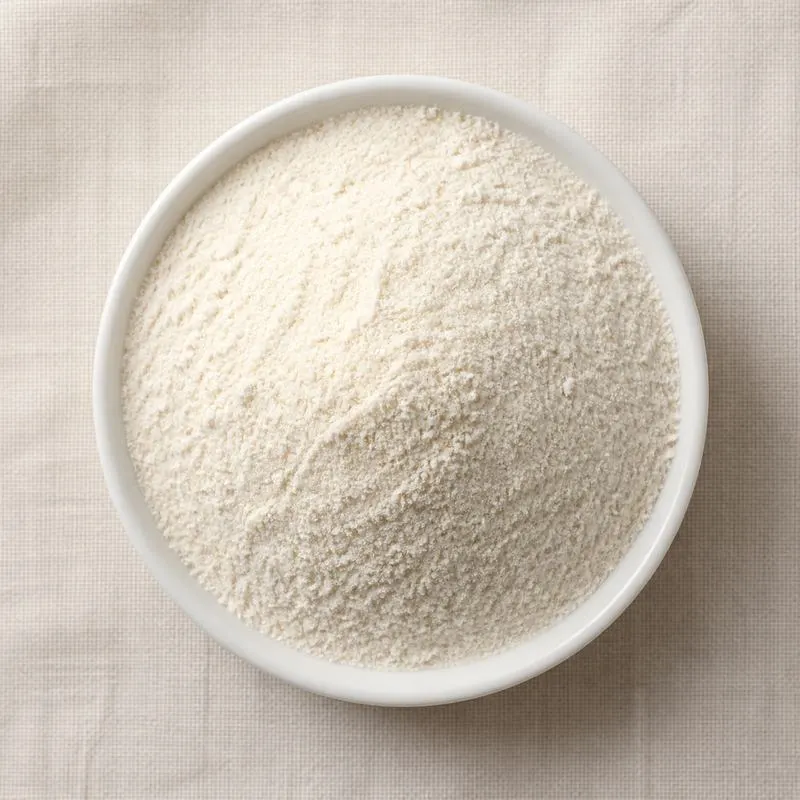
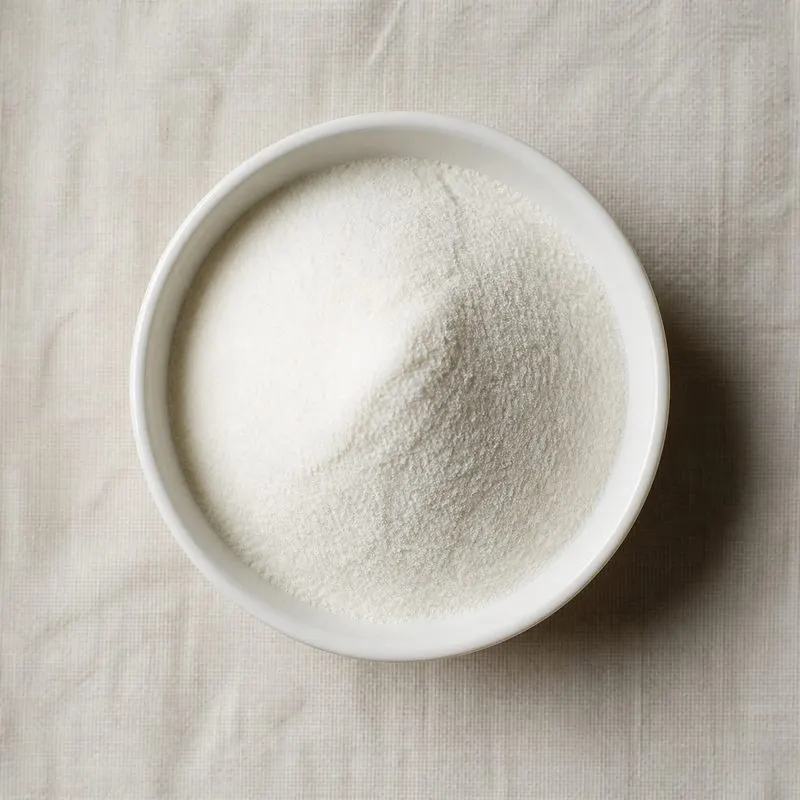
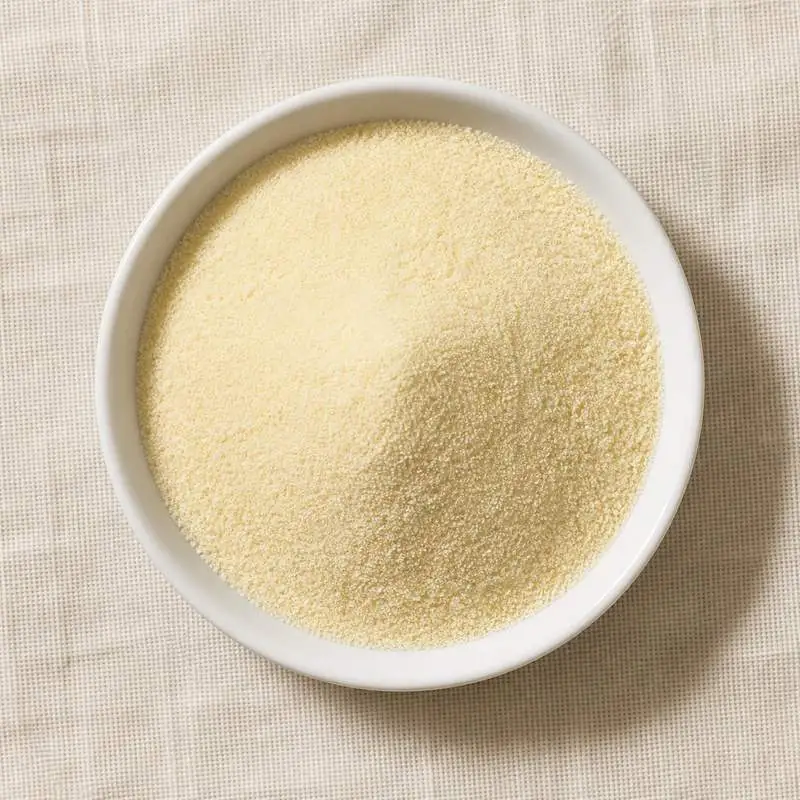
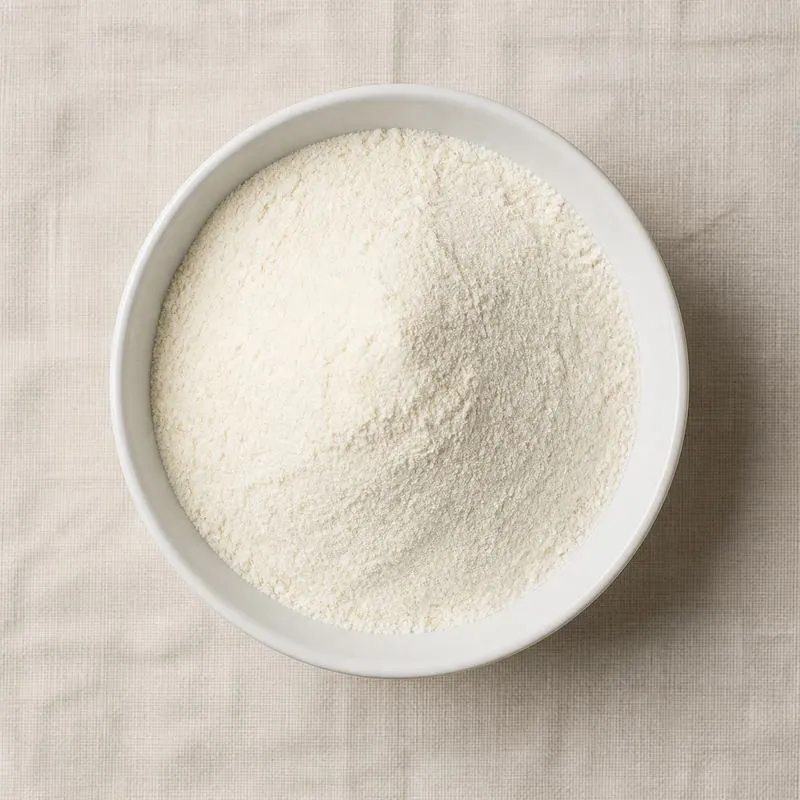
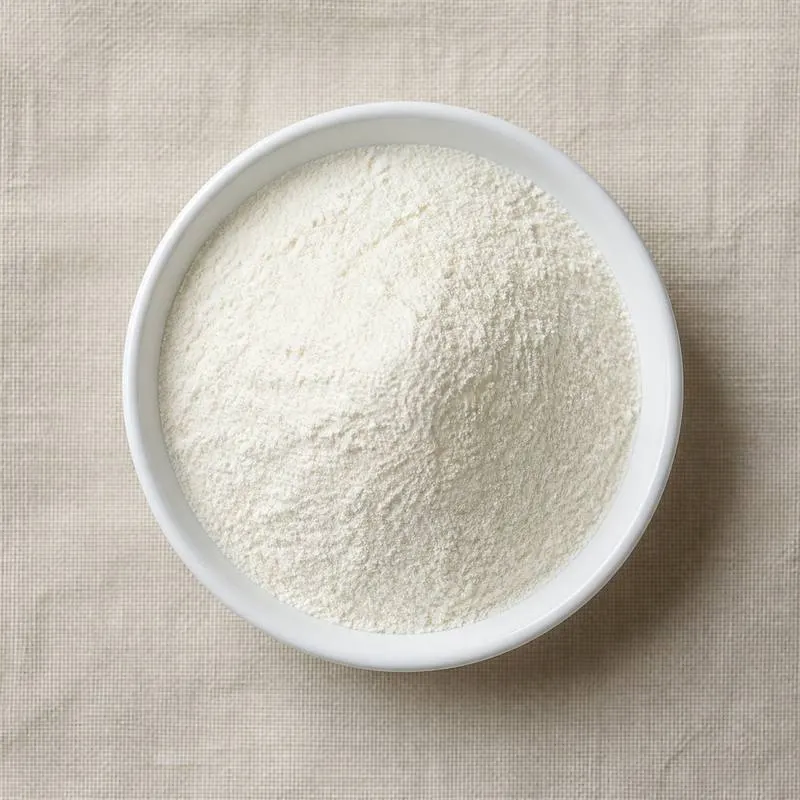
It comes as a white to cream coloured granular powder that is insoluble in water at natural pH. It hydrates and disperses only when calcium is sequestered by emulsifying salts such as sodium phosphates or citrates, at which point it forms the continuous protein phase of a processed or analogue cheese. Protein content runs above 80 percent on the finished powder.
We source bulk Rennet Casein from top China manufacturers for our partners. The manufacturer is in Hubei. A smaller requirement can ship in a combined container with other ingredients.
Please send the grade you need, the volume and your destination port, and we will come back with a solution and a price.
or call +86-21-6858 0751
- Function
- Protein
Specifications
| Item | Specification |
|---|---|
| Appearance | White to cream coloured granular powder |
| Odour and taste | Bland, free from foreign odour |
| Protein (dry basis, N x 6.38) | 81.0 percent minimum |
| Moisture | 12.0 percent maximum |
| Milk fat | 2.0 percent maximum |
| Ash | 7.5 percent minimum |
| Lactose | 1.0 percent maximum |
| Free acidity | 0.30 ml 0.1 N NaOH per gram maximum |
| pH (5 percent dispersion) | 6.5 to 7.5 |
| Sediment (burnt particles) | Disc B or better |
| Lead | 1.0 mg/kg maximum |
| Arsenic | 0.5 mg/kg maximum |
| Total plate count | 30,000 cfu/g maximum |
| Yeast and mould | 50 cfu/g maximum |
| Coliforms | Absent in 0.1 g |
| Salmonella | Absent in 25 g |
Common Markets Grades
Rennet casein is traded as a food grade edible casein product, differentiated mainly by particle size and by the tightness of the moisture, fat and free acidity limits. Mesh options run from fine powder, used where rapid hydration in a cooker is needed, through medium and coarse granular grades that are easier to meter and dust less on handling.
Extra grade material carries lower fat, lower free acid and tighter microbiological limits than standard grade, and is specified where a bland flavour and a pale colour are required in analogue cheese. A technical or industrial grade of lower purity is produced for adhesive and paper coating use and is not interchangeable with the food grade article.
Applications
- Analogue and imitation pizza cheese, where it forms the protein matrix that delivers melt, stretch and browning without any natural cheese in the formula
- Processed cheese blocks and slices, used to raise protein and firm the body when the natural cheese portion is reduced
- Cheese powders and sauce bases, contributing dairy protein that survives spray drying and rehydrates in the cooker
- Frozen pizza toppings, where its controlled melt profile prevents the cheese layer flowing off the crust during baking
- Cheese flavoured snack coatings and seasoning blends, as a dairy protein carrier
- Meat products, where it acts as a binder and water holding agent in emulsified sausage systems
- Coffee whiteners and instant dairy powders, once converted to caseinate by alkali dissolution
- Non-food industrial applications including paper coating binders, wood glues and casein based plastics
China Manufacturers of Rennet Casein
Top Rennet Casein manufacturers in China.

Company names and logos are the property of the manufacturers themselves. They are listed here because our own directory records them as producing this ingredient. A listing is not an endorsement by them, and we do not represent them or speak on their behalf.
Regulatory Status
Rennet casein is a dairy ingredient rather than a food additive, so it carries no E number in the European Union. Its compositional identity in the EU is set by the directive on caseins and caseinates intended for human consumption, which defines rennet casein separately from acid casein and fixes limits for protein, moisture, ash, fat, free acidity and residual lactose. Casein is one of the substances that must be declared as a milk allergen wherever it is used.
In the United States casein and its derivatives are used as food ingredients under the general provisions for dairy proteins, and imported edible casein must satisfy the FDA identity and sanitation requirements applying to milk derived products. Where rennet casein is used in a standardised cheese product the relevant standard of identity governs whether it is permitted at all, which is why analogue cheeses made with it are labelled as imitation or as cheese substitutes rather than as cheese. Internationally, the Codex standard for edible casein products describes rennet casein alongside acid casein and caseinates, and JECFA has evaluated the microbial coagulants and calf rennet used to make it as processing aids.
Manufacturing Process
Manufacture starts from fresh skimmed milk, separated from whole milk and pasteurised. The milk is warmed to about 30 degrees Celsius and dosed with rennet, so that chymosin cleaves the kappa-casein hairs stabilising the micelle surface and allows the micelles to aggregate into a gel. The gel is cut and the curd is cooked with stirring at progressively higher temperature, typically to 55 to 65 degrees Celsius, which expels whey and firms the para-casein particles.
The curd is separated from the whey on a decanter or dewheying screen, then washed in counter current flow in several stages with warm water to remove residual lactose, whey protein and soluble salts. Washing is the step that fixes the final purity, since any lactose left behind will brown and darken the powder. The washed curd is dewatered by pressing or centrifugation, dried in a fluid bed or ring drier to below 12 percent moisture, then milled and sieved to the required granulation before packing.