Elasem
Elasem is an ingredient designation for a natural eggshell membrane preparation, a series of joint and skin actives built on the fibrous membrane recovered from the inner surface of hen eggshell.
The membrane is a non-woven protein mesh rather than a purified compound. Collagen types I, V and X form its structural fibres, cross linked by desmosine and isodesmosine and interwoven with elastin, keratin and lysyl oxidase, and the mesh carries hyaluronic acid, chondroitin sulphate, dermatan sulphate and glucosamine at low but analytically declared levels. Supplying those connective tissue components together in a single natural matrix is what allows the ingredient to be dosed in a few hundred milligrams where isolated glucosamine and chondroitin are dosed in grams.
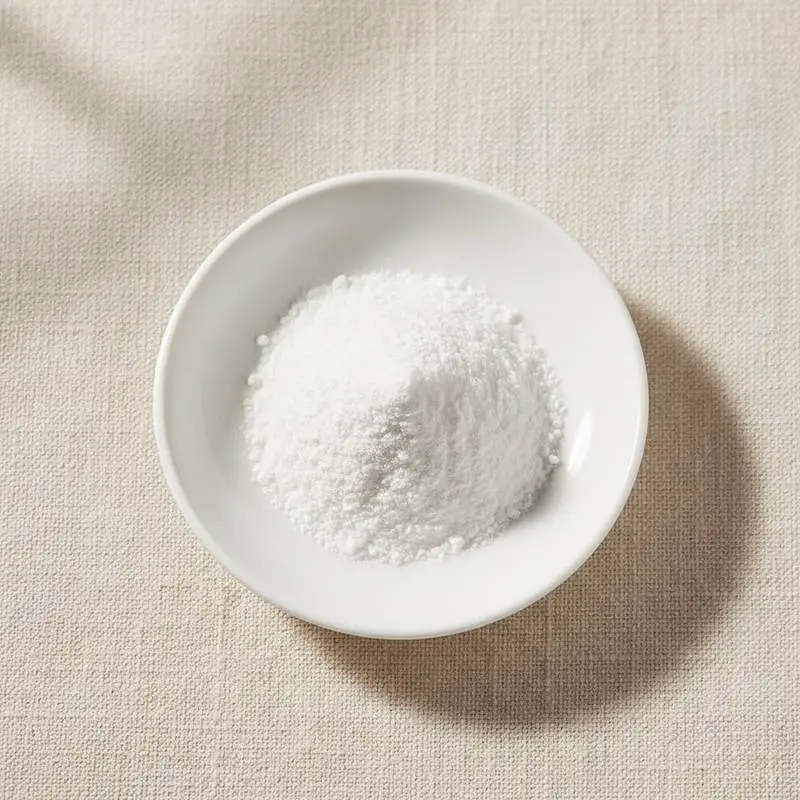
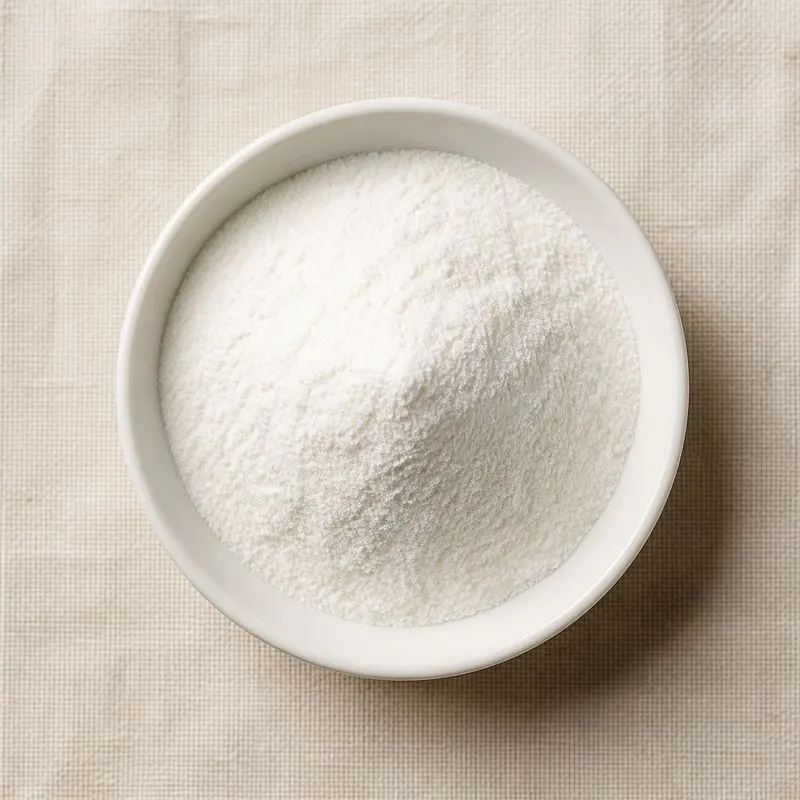
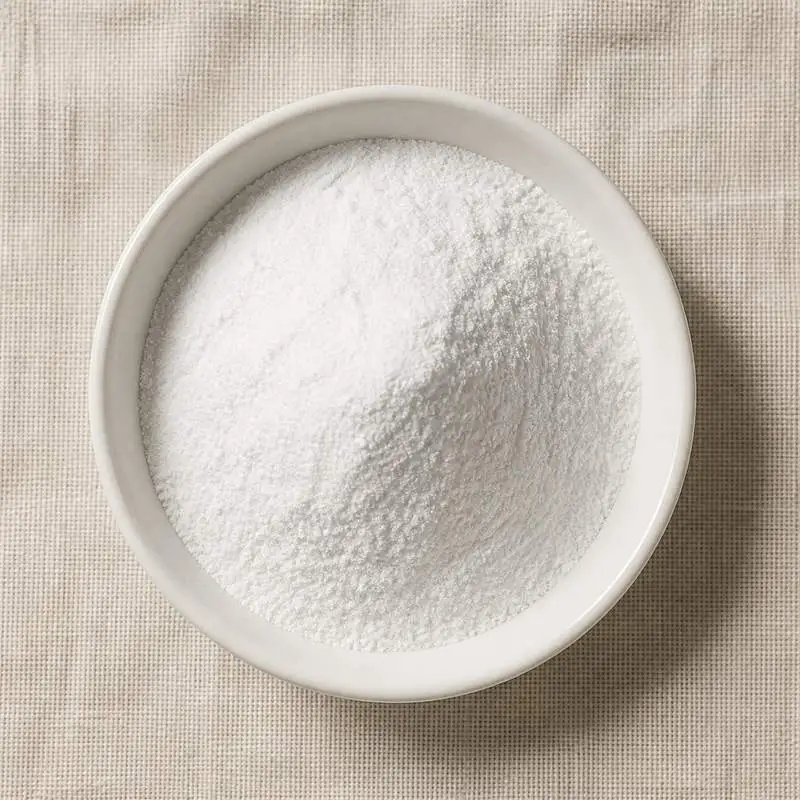
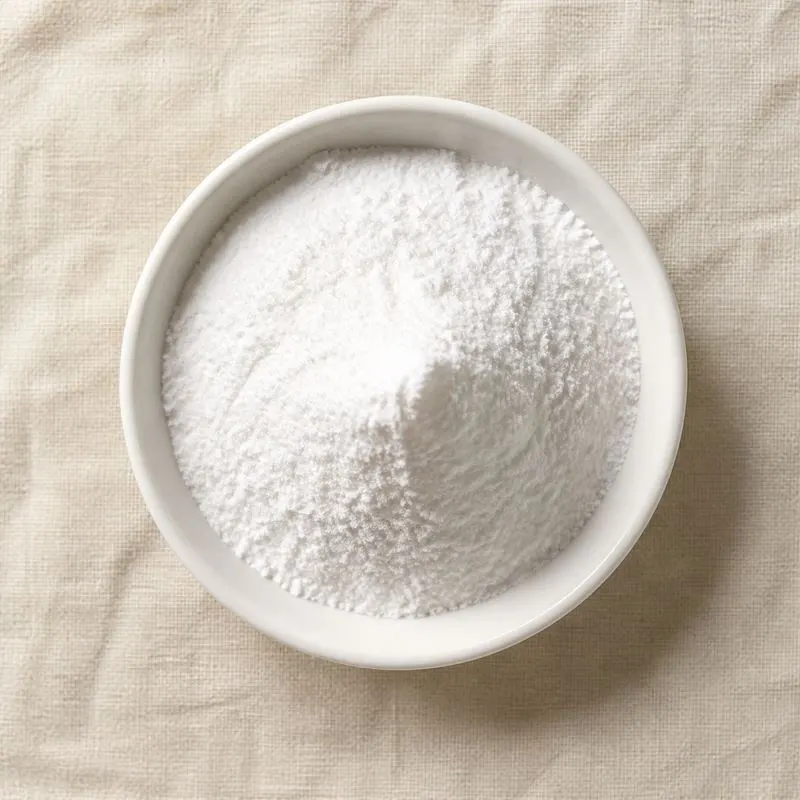
Grades in the series are fine cream to light tan powders. The standard membrane powder is heavily cross linked and disperses rather than dissolves, which suits capsules, tablets and soft chews, while the enzymatically hydrolysed grade is water soluble and is used in beauty drinks, sachets and clear beverages. Both are protein based and heat sensitive, so drying and hydrolysis are carried out at controlled temperature and the powders are held cool and dry.
We source bulk Elasem from top China manufacturers for our partners. The manufacturer is in Zhejiang. A smaller requirement can ship in a combined container with other ingredients.
Please send the grade you need, the volume and your destination port, and we will come back with a solution and a price.
or call +86-21-6858 0751
- Function
- Nutraceutical
Specifications
| Item | Specification |
|---|---|
| Appearance | Cream to light tan fine powder |
| Identification | Amino acid profile conforms to reference |
| Crude Protein, dry basis | Not less than 80.0% |
| Collagen | Not less than 25.0% |
| Chondroitin Sulphate | Not less than 1.0% |
| Hyaluronic Acid | Not less than 0.5% |
| Residual Shell as Ash | Not more than 5.0% |
| Loss on Drying | Not more than 8.0% |
| Particle Size | 95% through 100 mesh |
| Lead | Not more than 1.0 mg/kg |
| Arsenic | Not more than 1.0 mg/kg |
| Total Plate Count | Not more than 10,000 CFU/g |
| Yeast and Mould | Not more than 100 CFU/g |
| Salmonella | Absent in 25 g |
Common Markets Grades
The series is organised around two forms and the applications they serve. The insoluble standard powder is specified on crude protein, on the declared glycosaminoglycan markers and on residual shell measured as ash, and is the volume grade for solid dose formats. The hydrolysed grade adds solubility and molecular weight distribution to that specification and is aimed at liquid and instant formats, with a lower average molecular weight giving a clearer solution.
Residual shell content is the parameter that separates lots, because membrane and shell are difficult to part cleanly and any calcium carbonate carried through dilutes the protein while raising the ash figure. Particle size is the other variable, running from a standard milled powder for capsule filling to a micronised grade for beverages and gummies. Producers differ in whether they standardise on collagen, on hyaluronic acid or on chondroitin sulphate, so the marker basis has to be compared directly rather than assumed when lots from different sources are set against each other.
Applications
- Joint comfort and mobility capsules, the core application for the standard powder
- Skin elasticity and hydration formulations, using the collagen, elastin and hyaluronic acid fractions
- Beauty drinks, collagen shots and stick packs built on the hydrolysed soluble grade
- Hair and nail supplements, where the keratin and cystine rich protein supports the positioning
- Sports recovery products aimed at tendon and connective tissue loading
- Functional gummies and soft chews in the joint and beauty categories
- Combination joint products with glucosamine, chondroitin, MSM or collagen peptide
- Bone and joint blends for older consumers, formulated alongside calcium and vitamin D
- Companion animal joint supplements for dogs, cats and horses
China Manufacturers of Elasem
Top Elasem manufacturers in China.

Company names and logos are the property of the manufacturers themselves. They are listed here because our own directory records them as producing this ingredient. A listing is not an endorsement by them, and we do not represent them or speak on their behalf.
Regulatory Status
In the United States, eggshell membrane preparations are marketed as dietary ingredients under the Dietary Supplement Health and Education Act, and commercial membrane ingredients have been the subject of new dietary ingredient notifications and of self affirmed GRAS determinations for defined food uses. Egg is a major allergen under the Food Allergen Labelling and Consumer Protection Act, so the ingredient and any product built on it must carry an egg declaration. The manufacturing site operates under the Food Safety Modernization Act preventive controls, with Salmonella control as the critical point given the origin of the raw material.
In the European Union, the membrane is an animal by-product and must come from Category 3 material processed in an approved establishment under the animal by-products rules. Lacking a demonstrated history of significant consumption in the Union before May 1997, a membrane preparation is assessed under the novel food regulation and requires authorisation and entry on the Union list before being placed on the market, with the authorisation fixing the specification and the permitted conditions of use. Eggs and products of eggs are Annex II allergens under the food information regulation and must be declared. The ingredient is not a food additive, carries no E number, and JECFA has issued no specification for it.
Manufacturing Process
Production begins at the egg breaking plant, where shell with the membrane still attached is collected as a wet by-product and washed promptly in warm water to remove residual albumen and yolk. Separating the two layers is the central operation: the light fibrous membrane and the dense calcite shell are parted by agitation in water followed by hydrocyclone, flotation or airflow classification, and because no single pass separates them completely, the recovered membrane goes through repeated wash and classification cycles until residual shell falls within specification.
The washed membrane is dewatered and dried at controlled temperature in fluid bed, vacuum or freeze dryers, since excess heat denatures the collagen and darkens the powder. It is then milled, usually in impact or jet mills because the fibrous material resists conventional grinding, air classified to the target particle size and given a low temperature sterilisation to reduce the microbiological load carried from the breaking plant. For the soluble grade the washed membrane instead goes to enzymatic hydrolysis, where food grade proteases cleave the cross linked matrix under controlled temperature and pH, the enzyme is heat inactivated, and the digest is filtered and ultrafiltered to set the peptide size range before vacuum concentration and spray drying. Both streams are sieved, assayed against the declared markers, blended to a uniform lot and packed with a moisture barrier.