Fermented Fruit - Vegetable Power
Fermented fruit and vegetable powder is the dried form of a plant ferment, produced by drying a fermented fruit and vegetable broth onto a carrier so that the acids, peptides, converted polyphenols and residual soluble solids of the ferment are delivered as a free flowing solid. It exists because the liquid ferment is difficult to formulate with: it is acidic, heavy, expensive to ship and impossible to put into a capsule or a dry blend.
Drying a fruit ferment is technically harder than drying most food liquids, and the reason is the sugar and acid content. Fructose, glucose and the organic acids produced by the fermentation all have low glass transition temperatures, so a dried droplet remains rubbery rather than becoming glassy at the temperature of a spray drier outlet, and the powder sticks to the chamber wall and cakes in the collection vessel. The universal answer is a carrier of high molecular weight, most often maltodextrin of low dextrose equivalent, sometimes acacia gum or a resistant starch, added at a substantial proportion of the total solids to raise the glass transition temperature of the mixture. The consequence is that the carrier is a large part of the finished powder, and the active fraction has to be read from the specification rather than assumed.
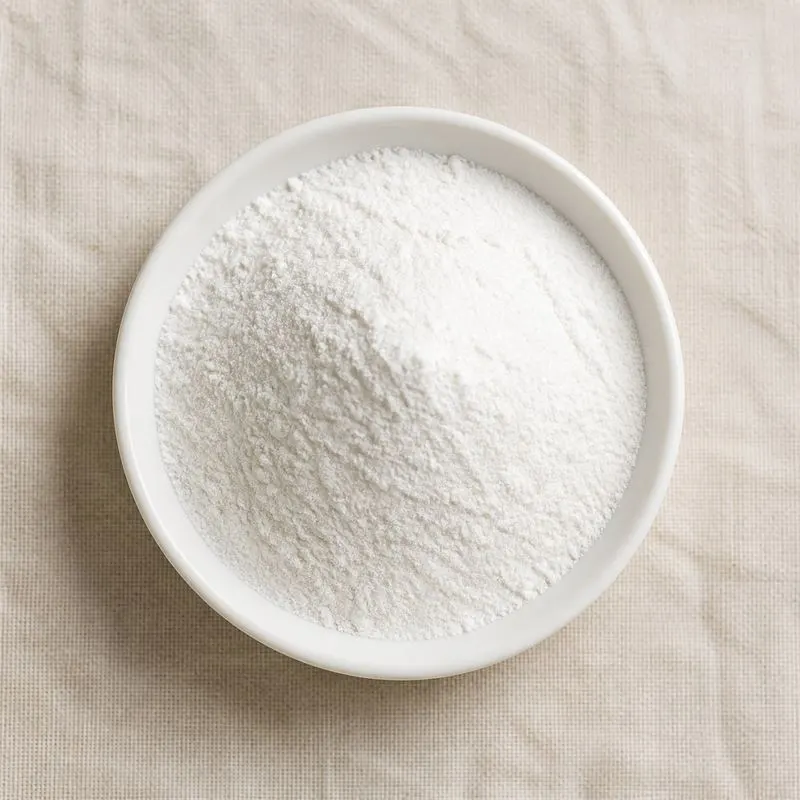
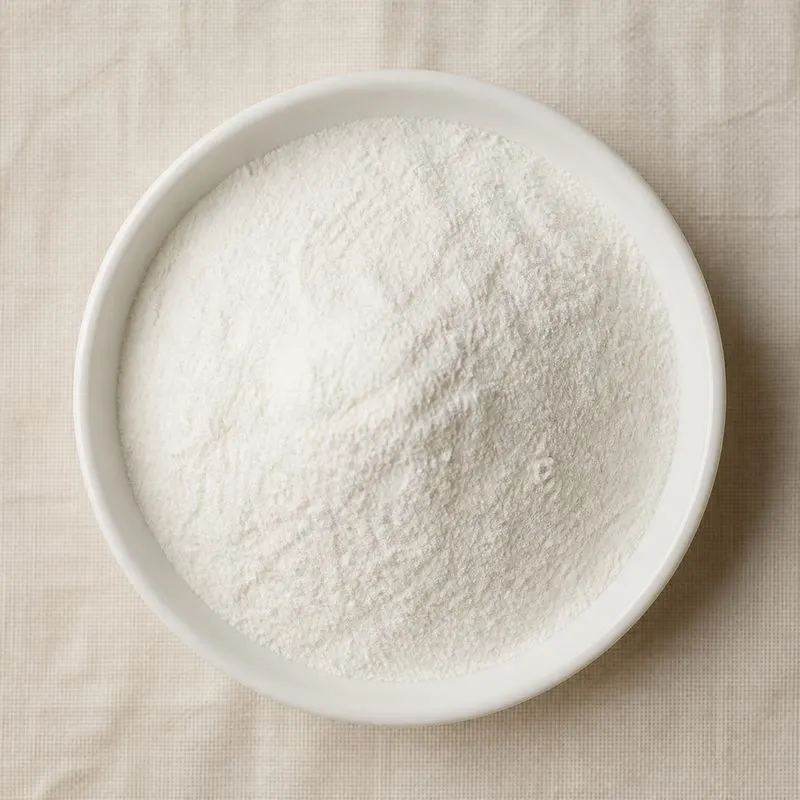
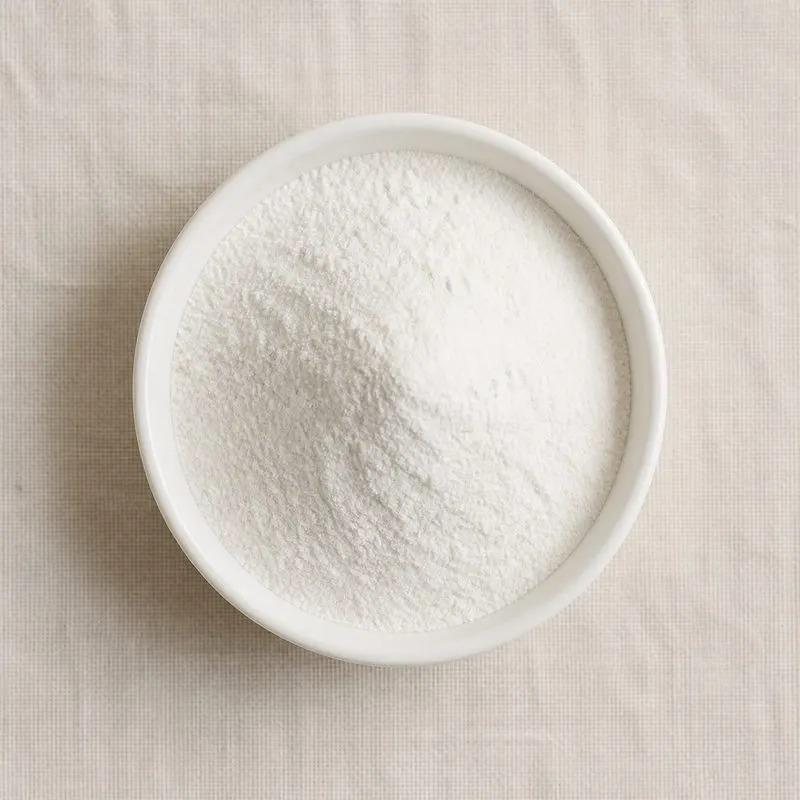
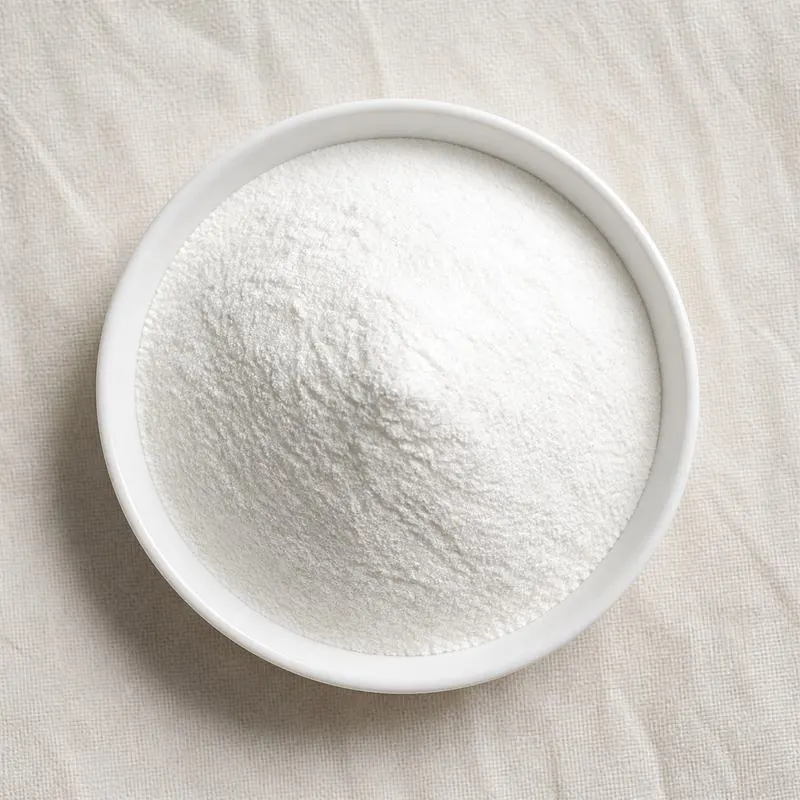
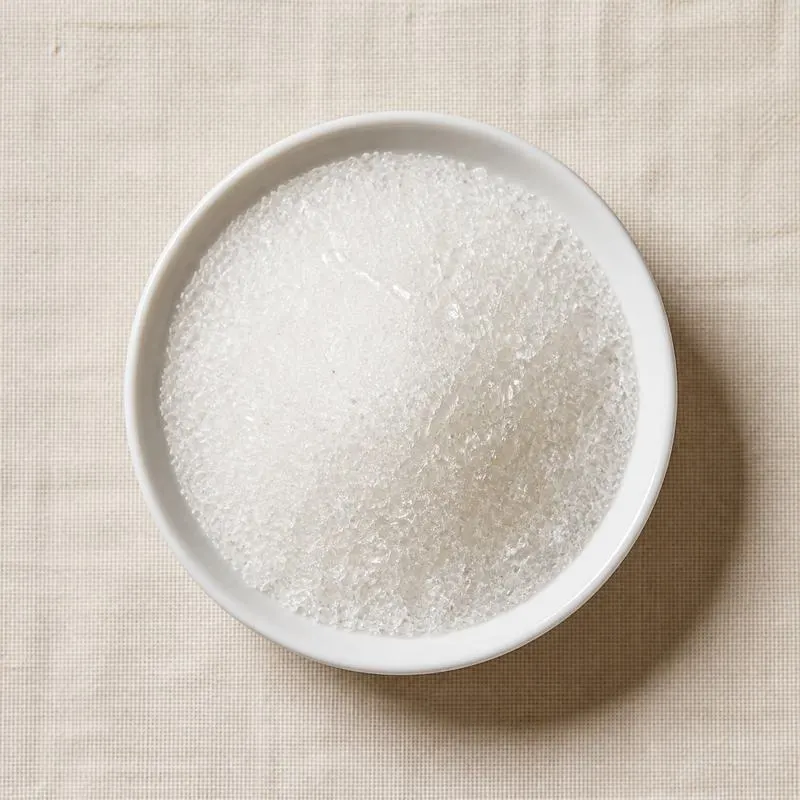
The material is a pale to medium brown free flowing powder with a fermented, fruity and acidic aroma, readily soluble in water, and strongly hygroscopic. It requires moisture barrier packing and low humidity handling, and it will cake in an open container. Specification covers the ratio of ferment solids to carrier, moisture, water activity, acidity and, where standardised, a polyphenol figure.
We source bulk Fermented Fruit - Vegetable Power from top China manufacturers for our partners. The manufacturer is in Jiangsu. A smaller requirement can ship in a combined container with other ingredients.
Please send the grade you need, the volume and your destination port, and we will come back with a solution and a price.
or call +86-21-6858 0751
- Function
- Probiotic
Specifications
| Item | Specification |
|---|---|
| Appearance | Pale to medium brown free flowing agglomerated powder |
| Odour and Taste | Characteristic fermented fruit, acidic |
| Ferment Solids Content | Not less than declared percentage of the powder |
| Identification | Organic acid and polyphenol profile conforms to reference |
| Total Polyphenols (gallic acid equivalent) | Not less than 1.0 percent |
| Loss on Drying | Not more than 5.0 percent |
| Water Activity | Not more than 0.30 |
| pH of 10 percent Solution | 3.0 to 4.5 |
| Solubility in Water at 20 C | Complete within 60 seconds |
| Particle Size | Not less than 95 percent through 40 mesh |
| Lead | Not more than 1 mg/kg |
| Arsenic | Not more than 1 mg/kg |
| Cadmium | Not more than 0.5 mg/kg |
| Total Plate Count | Not more than 5000 cfu/g |
| Yeast and Mould | Not more than 100 cfu/g |
| Escherichia coli | Absent in 10 g |
| Salmonella | Absent in 25 g |
Common Markets Grades
The first distinction is carrier load, expressed as the proportion of ferment solids in the finished powder. High load grades carry more of the ferment and less carrier, are more hygroscopic and harder to handle, and are used where the dose per capsule is constrained. Low load grades are easier to blend and flow better but deliver less of the ferment per gram. A specification that gives only a total weight without stating the ferment fraction tells the buyer very little.
The second is carrier identity, since maltodextrin from maize, from wheat and from tapioca lead to different declarations and different allergen positions, and acacia gum and resistant starch grades are offered where a dietary fibre contribution or a clean label is required. The third is the drying route: spray dried powder is the standard and the cheapest, freeze dried powder retains more of the volatile aroma and heat sensitive fraction at a considerably higher cost, and vacuum belt dried powder sits between the two. Beyond that, grades are distinguished by whether the ferment was made from a defined single raw material or from a multi ingredient blend, and by whether a polyphenol or organic acid figure is standardised or merely reported.
Applications
- Capsules and tablets, where the powder allows a fixed dose without the taste and weight of the liquid
- Stick packs and sachets, dispersed in water as a daily serving
- Nutritional and meal replacement powders, where the ferment is one component of a dry blend
- Fruit and vegetable intake products, where the powder stands in for a portion of produce in a dry format
- Effervescent tablets and drink powders, where solubility and rapid dispersion are the deciding properties
- Bars and confectionery, where a dry ingredient can be added without upsetting the water balance
- Bakery and cereal products, where the powder survives the process and contributes colour and acidity
- Skin care and cosmetic powders, where plant ferments are used for their organic acid content
- Animal supplements and pet products, where a dry additive is blended into feed
- Instant beverage bases, where the fermented notes and acidity are part of the flavour concept
China Manufacturers of Fermented Fruit - Vegetable Power
Top Fermented Fruit - Vegetable Power manufacturers in China.

Company names and logos are the property of the manufacturers themselves. They are listed here because our own directory records them as producing this ingredient. A listing is not an endorsement by them, and we do not represent them or speak on their behalf.
Regulatory Status
In the United States the powder is a conventional food ingredient or a dietary supplement ingredient depending on presentation, declared in the ingredient list by a name that describes it accurately and with the carrier declared separately, since maltodextrin is an ingredient in its own right and not a processing aid. A preparation containing a botanical without a history of food use would need to satisfy the requirements applying to new dietary ingredients. Claims are limited to structure and function statements with the required disclaimer, and where the carrier is derived from wheat the allergen position must be considered.
In the European Union the powder is a food placed on the market under general food law, and the controlling question is novel food status. A ferment of fruits and vegetables with a history of consumption in the Union, dried by a conventional method, is not novel, but a preparation built on an exotic botanical, an unusual organism, or a process that substantially changes the material requires authorisation under the novel food regulation, and drying is not by itself the step that makes a preparation novel. Health claims are limited to those authorised under the nutrition and health claims regulation, so general antioxidant or detoxification statements may not be made. Carriers used in drying are food ingredients or, where they perform a technological function, authorised additives that must be declared. Codex maintains no commodity standard for the material and its general standards on hygiene, contaminants and labelling apply.
Manufacturing Process
The ferment is produced first. Washed and pulped fruit and vegetable material is treated with pectinase and cellulase to break down the cell wall and raise juice yield, pasteurised, cooled and inoculated with a defined lactic acid bacterial starter, then fermented in closed stirred tanks under pH and acidity monitoring. When the target acidity is reached the mash is separated on a decanter centrifuge or press, clarified by settling and filtration, and pasteurised to stop the fermentation.
Drying is the step that determines whether the product is usable. The clarified ferment is concentrated under vacuum at low temperature to reduce the water that has to be evaporated, then blended with the carrier to the specified ratio and homogenised so that the carrier is fully dissolved before atomisation. Spray drying is carried out in a tall form drier with inlet and outlet temperatures set to give a low residual moisture without scorching the sugars, often with a cooled or dehumidified air sweep at the base of the chamber and with the powder collected into a fluid bed where it is cooled and agglomerated in one step. Agglomeration is usual rather than optional, because a fine fruit ferment powder does not wet properly and floats on the surface of a glass of water. The powder is sieved, assayed for moisture, water activity, acidity and the standardised marker, and packed immediately into foil laminate or a lined drum with a desiccant, since it will pick up moisture from room air within minutes of exposure.