Fish Scale Collagen Peptide
Fish scale collagen peptide is the hydrolysed collagen recovered from fish scales, and it is the largest single source of the marine collagen traded worldwide. Scale is a mineralised composite in which type I collagen fibres are laid down around a hydroxyapatite framework, so producing the peptide requires demineralising the scale before the collagen can be extracted, a step that has no counterpart in hide or skin collagen manufacture.
The peptides are rich in glycine, proline and hydroxyproline and lack tryptophan, so the material is not a complete protein and is bought for its peptide profile rather than as a nitrogen source. Marine collagen peptide is often described as having a lower molecular weight and a slightly different amino acid balance than bovine collagen, with less hydroxyproline and a lower denaturation temperature reflecting the body temperature of the source animal, and these are the technical grounds usually cited for preferring it.
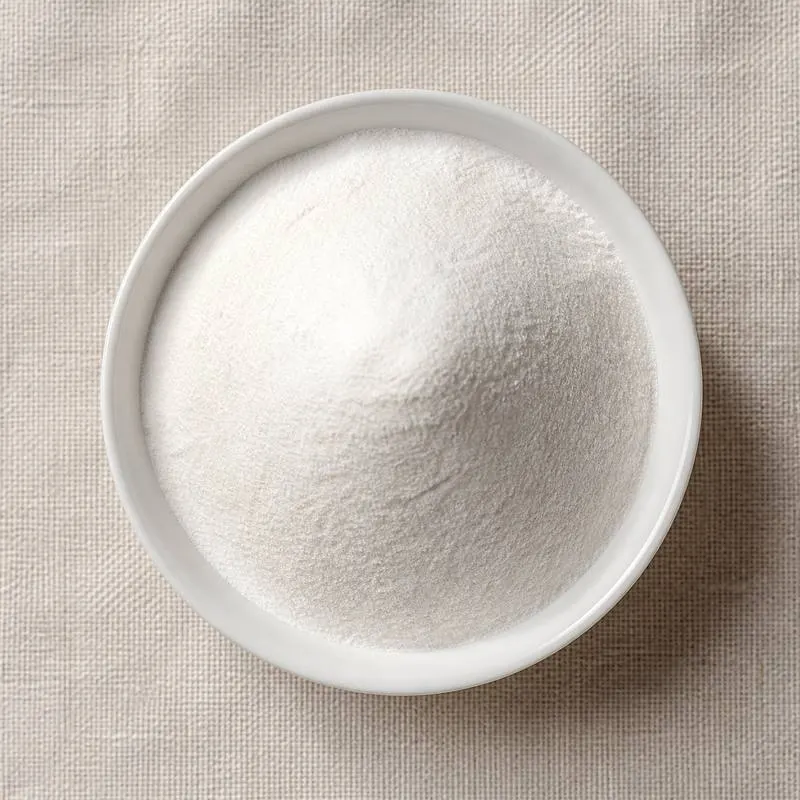
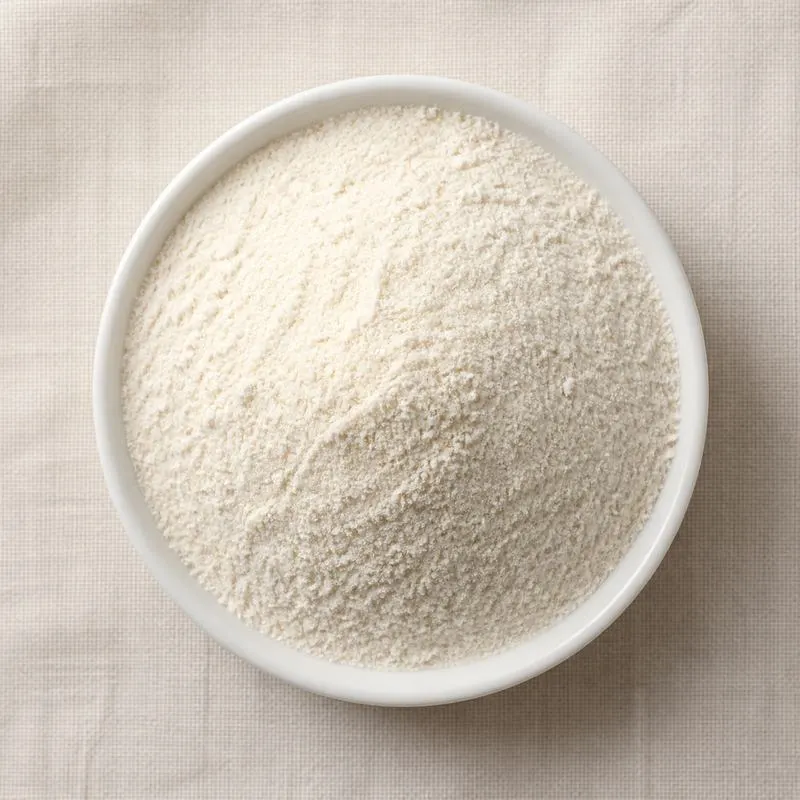
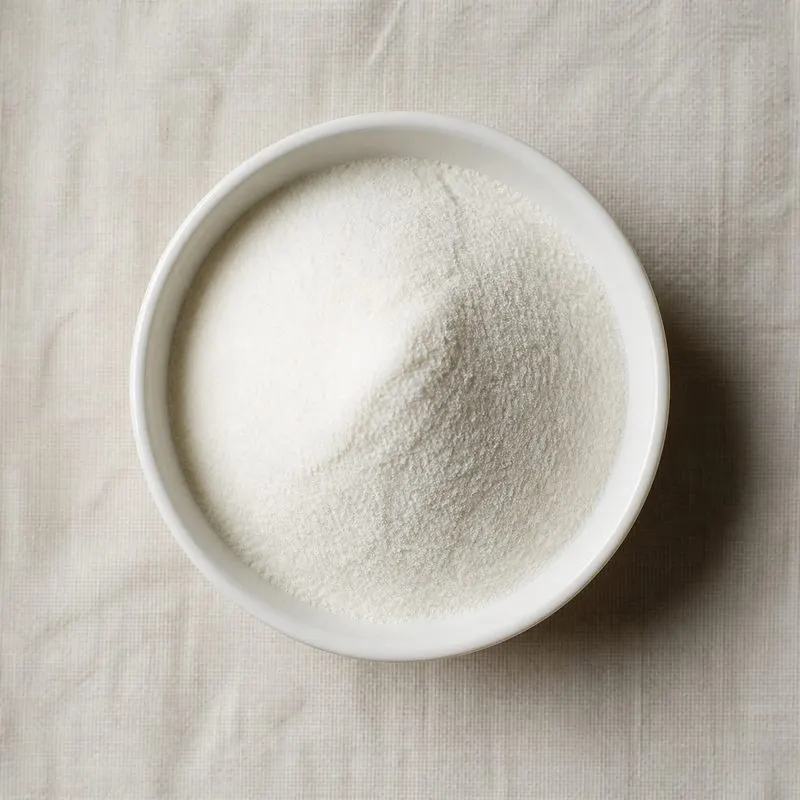
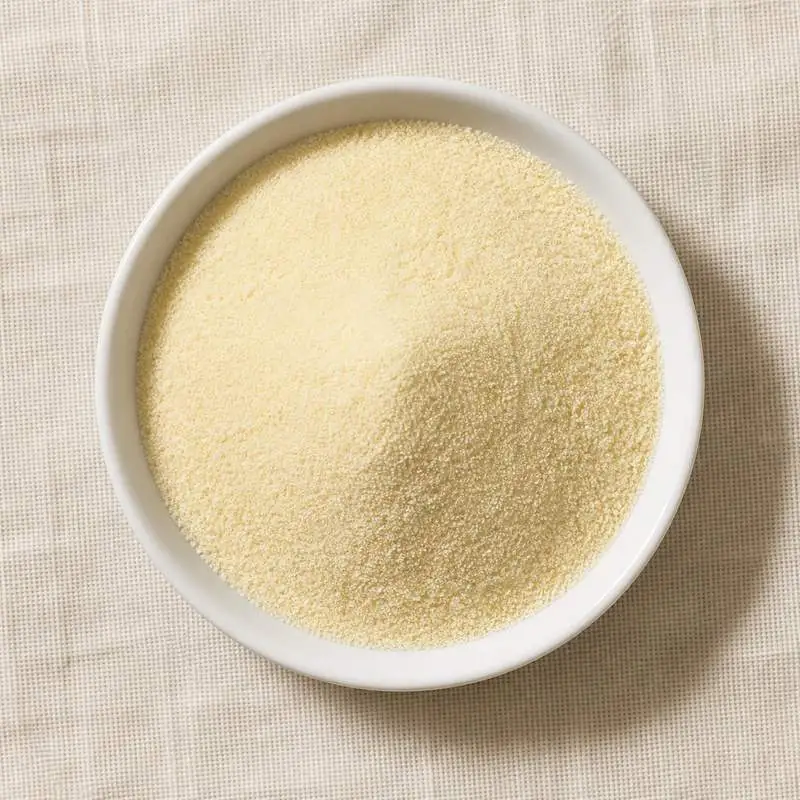
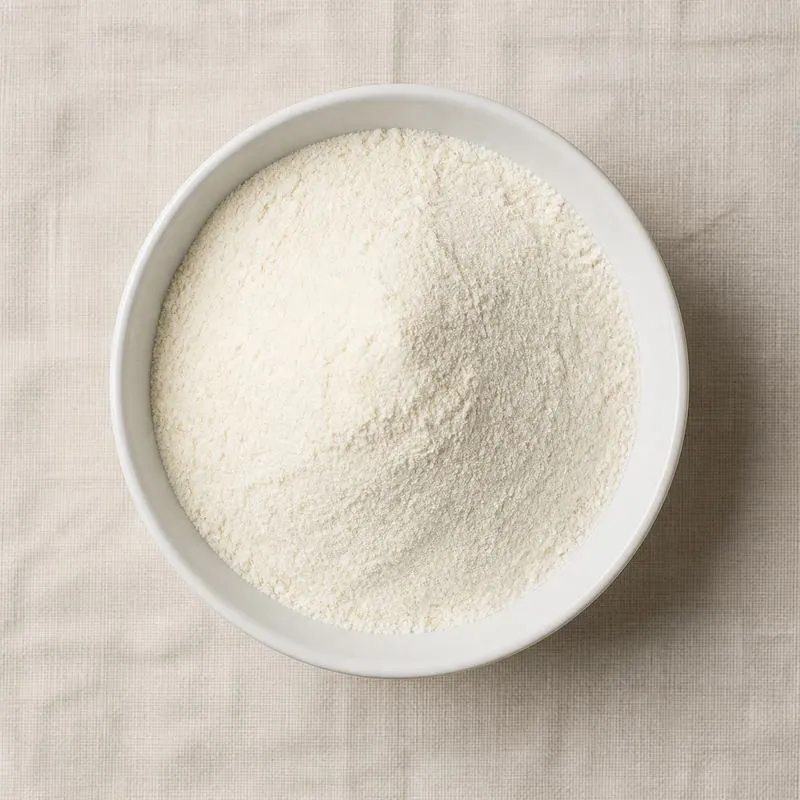
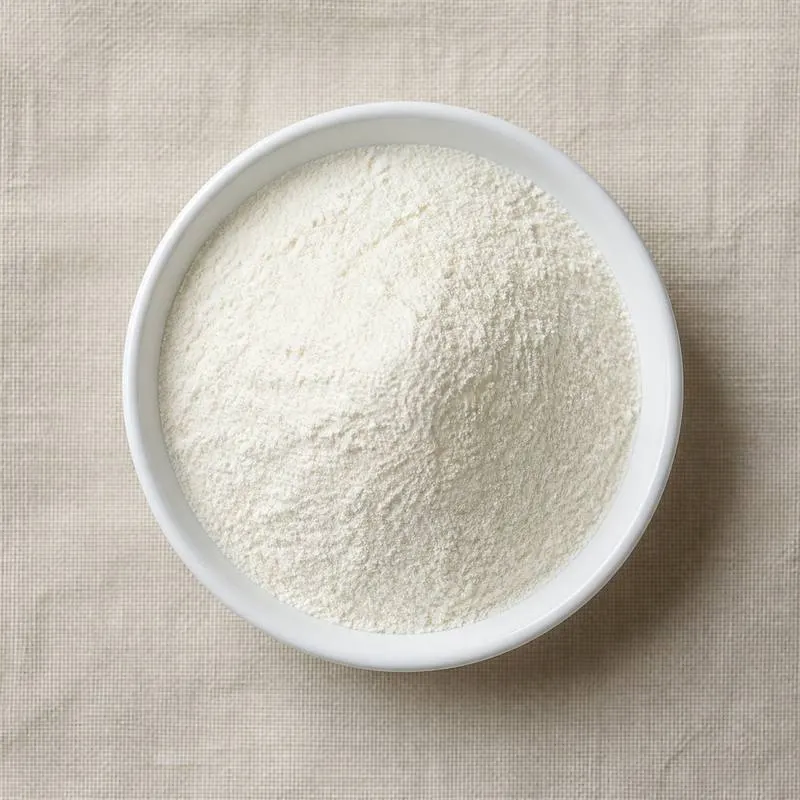
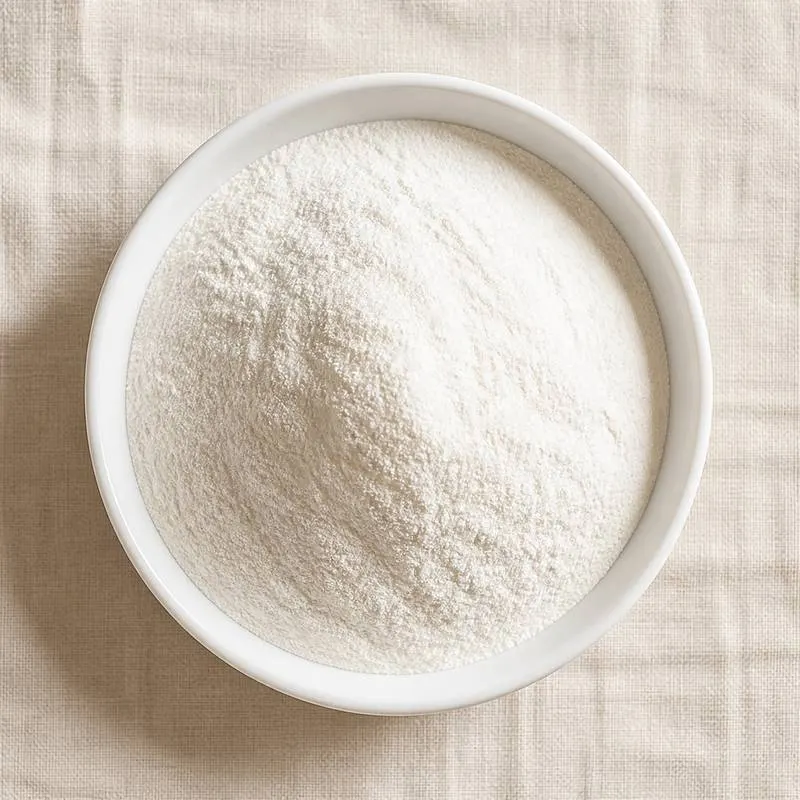
Commercially it is a white to pale yellow spray dried powder, close to odourless when well deodorised, dissolving completely in cold water to a clear low viscosity solution that does not gel on standing. It holds through pasteurisation and through the acid pH of a fruit beverage, which is what allows it to be dosed at ten grams per serving in a drink without changing the texture.
We source bulk Fish Scale Collagen Peptide from top China manufacturers for our partners. The manufacturer is in Sichuan. A smaller requirement can ship in a combined container with other ingredients.
Please send the grade you need, the volume and your destination port, and we will come back with a solution and a price.
or call +86-21-6858 0751
- Function
- Protein
Specifications
| Item | Specification |
|---|---|
| Appearance | White to pale yellow free flowing powder |
| Odour and Taste | Faint characteristic odour, bland taste |
| Species of Origin | Declared, tilapia, cod or other food fish |
| Protein (dry basis, N x 5.55) | Not less than 90.0 percent |
| Hydroxyproline | Not less than 8.0 percent of protein |
| Average Molecular Weight | 1000 to 3000 Daltons |
| Loss on Drying | Not more than 7.0 percent |
| Ash | Not more than 2.0 percent |
| Fat | Not more than 0.5 percent |
| pH (1 percent solution) | 5.0 to 7.0 |
| Solubility in Water at 20 C | Not less than 99.0 percent |
| Transmittance of 5 percent Solution | Not less than 90 percent |
| Lead | Not more than 0.5 mg/kg |
| Arsenic (inorganic) | Not more than 0.5 mg/kg |
| Mercury | Not more than 0.5 mg/kg |
| Total Plate Count | Not more than 10000 cfu/g |
| Yeast and Mould | Not more than 100 cfu/g |
| E. coli | Negative in 1 g |
| Salmonella | Negative in 25 g |
Common Markets Grades
Molecular weight is the primary specification. General grades average 2000 to 5000 daltons, beverage and beauty grades 1000 to 2000, and low molecular weight grades below 1000 daltons are sold on absorption claims and command a premium. Protein content runs from about 90 percent on a dry basis to 95 percent for the most thoroughly purified material, with ash accounting for most of the difference.
Sensory quality is the axis buyers actually complain about. Marine collagen carries a fishy note that comes from residual lipid and from trimethylamine, and the extent of carbon and resin treatment separates a grade usable in a white dairy drink from one that has to be masked with flavour. Species and religious certification are specified as a matter of course, with tilapia and cod scale dominating the trade. Beyond that, grades differ in whether they are plain peptide, peptide standardised with a marker such as a specific dipeptide, or co processed with hyaluronic acid, vitamin C or calcium as a formulated premix.
Applications
- Beauty from within supplements and collagen drinks, the largest single application
- Sachet and stick pack powders dosed at five to ten grams, where solubility and neutral taste are essential
- Protein fortified waters and clear beverages that must stay clear at low pH
- Nutrition bars and gummies, where collagen raises protein without hardening the texture
- Joint and connective tissue supplements, blended with cartilage and mineral ingredients
- Sports nutrition products aimed at tendon and ligament recovery
- Dairy and yoghurt drinks positioned on collagen content
- Clinical and wound healing nutrition, as a source of glycine and proline
- Cosmetic formulations, as a marine protein derivative for film forming and moisture binding
- Pet supplements for joint and coat positioning
China Manufacturers of Fish Scale Collagen Peptide
Top Fish Scale Collagen Peptide manufacturers in China.

Company names and logos are the property of the manufacturers themselves. They are listed here because our own directory records them as producing this ingredient. A listing is not an endorsement by them, and we do not represent them or speak on their behalf.
Regulatory Status
In the United States collagen hydrolysate from edible fish is handled as a conventional food ingredient on generally recognised as safe status that the manufacturer establishes, with supplement presentations falling under the dietary supplement framework. Fish is a major food allergen under federal law and the source species must be declared regardless of the degree of hydrolysis, which is the single labelling obligation that always applies to marine collagen. Beauty and joint claims made on the ingredient are structure and function claims with the associated notification and disclaimer requirements.
In the European Union collagen and gelatin derived from food fish are established foods rather than novel foods, and their manufacture is governed by the dedicated sections of the hygiene rules for food of animal origin, which set out permitted raw materials, the acid or alkaline treatment, the heat treatment and the health documentation required for consignments. Imports must come from listed establishments in approved third countries. Fish is a listed allergen under the food information regulation. Skin, joint and beauty claims may only be made where authorised on the Union register of health claims, and none is authorised for collagen peptide. The material is not a food additive and holds no E number, and Codex has published no specific standard for it.
Manufacturing Process
Scales are collected at the descaling stage of fish processing, washed to remove flesh, slime and blood, and screened. They are then demineralised in dilute hydrochloric, lactic or another food grade acid, which dissolves the hydroxyapatite and leaves a soft, translucent collagen matrix, and the acid liquor carrying the calcium is drawn off and either discarded or recovered as a calcium source. The demineralised collagen is washed to neutrality and swollen in dilute alkali or acid to open the fibre structure.
Collagen is then extracted with hot water, which unwinds the triple helix and dissolves it as gelatin, and the liquor is filtered and defatted while hot. It is cooled to the working temperature of the enzyme and hydrolysed with a food grade protease, an endoprotease cutting the chains to the target molecular weight followed by an exopeptidase stage that trims terminal hydrophobic residues and reduces bitterness. The enzyme is inactivated by heating, the liquor is filtered and passed through ultrafiltration to control molecular weight, then treated with activated carbon and ion exchange resin to remove colour, trimethylamine and residual odour. Nanofiltration desalts and concentrates the purified liquor, which is evaporated under vacuum, spray dried, sieved, metal checked and packed with a moisture barrier.