Freeze Dried Lactic Acid Bacteria
Freeze dried lactic acid bacteria are cultures of the bacterial group that ferments carbohydrate principally to lactic acid, preserved by freeze drying and sold as a dry powder. The group is defined by its metabolism rather than by close relationship, and it covers Lactobacillus and the genera separated from it, together with Lactococcus, Streptococcus thermophilus, Leuconostoc, Pediococcus, Oenococcus and Weissella.
The taxonomy of the group changed substantially in 2020, when the genus Lactobacillus was divided into twenty five genera, so that organisms long traded as Lactobacillus plantarum, Lactobacillus rhamnosus, Lactobacillus casei and Lactobacillus reuteri became Lactiplantibacillus plantarum, Lacticaseibacillus rhamnosus, Lacticaseibacillus casei and Limosilactobacillus reuteri. The strains themselves did not change, but specifications, deposit records and labels now carry both names in circulation, and a buyer comparing documents from different sources needs to recognise the equivalence.
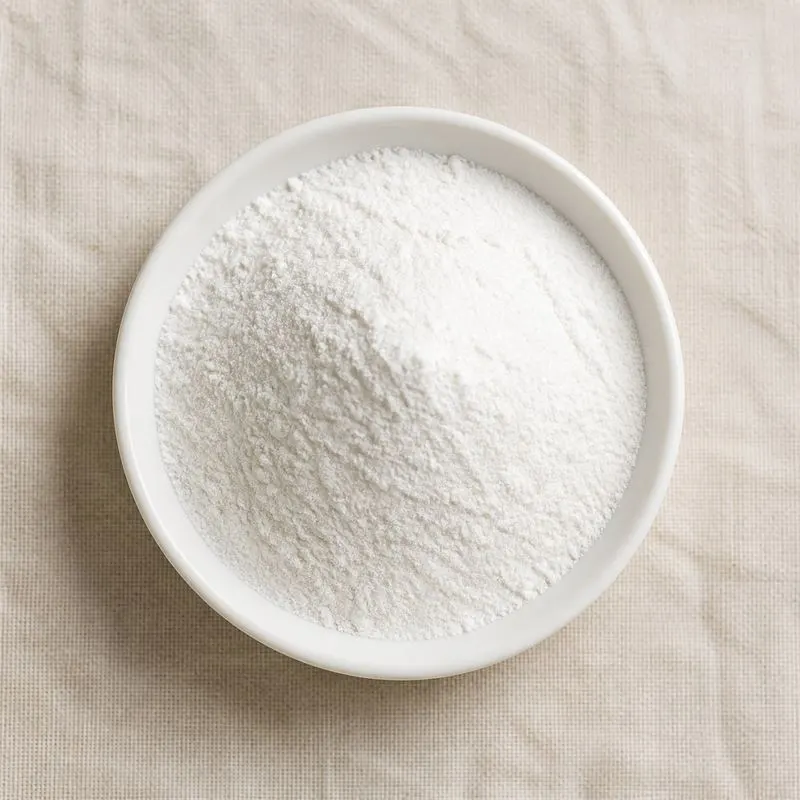
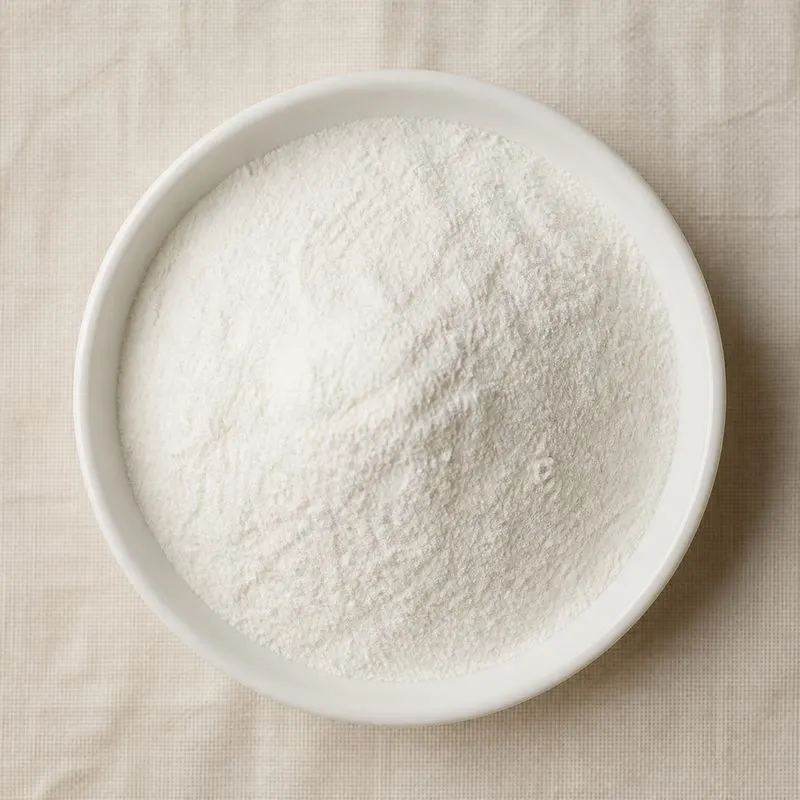
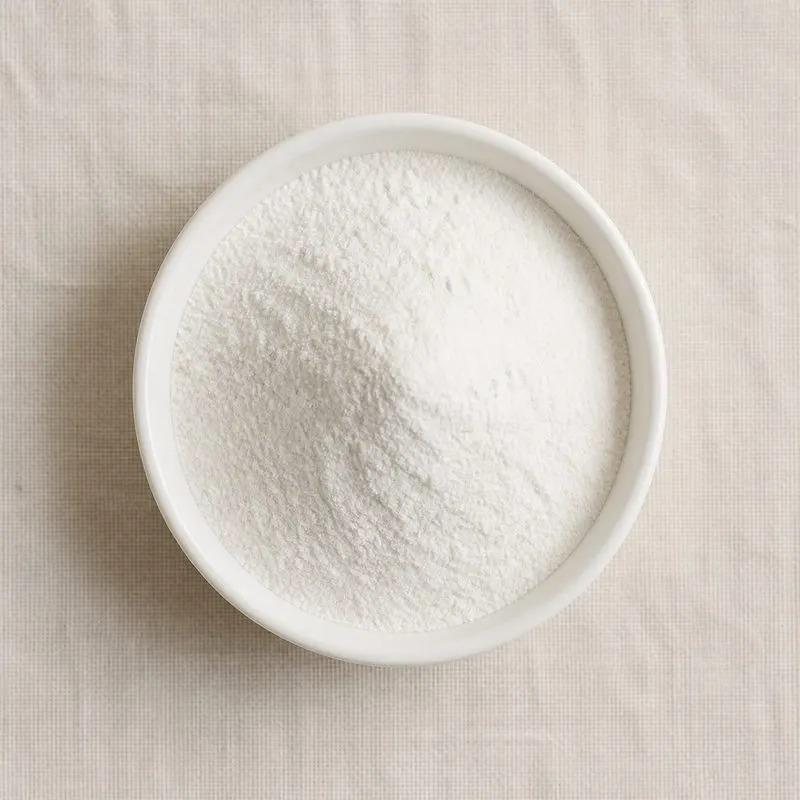
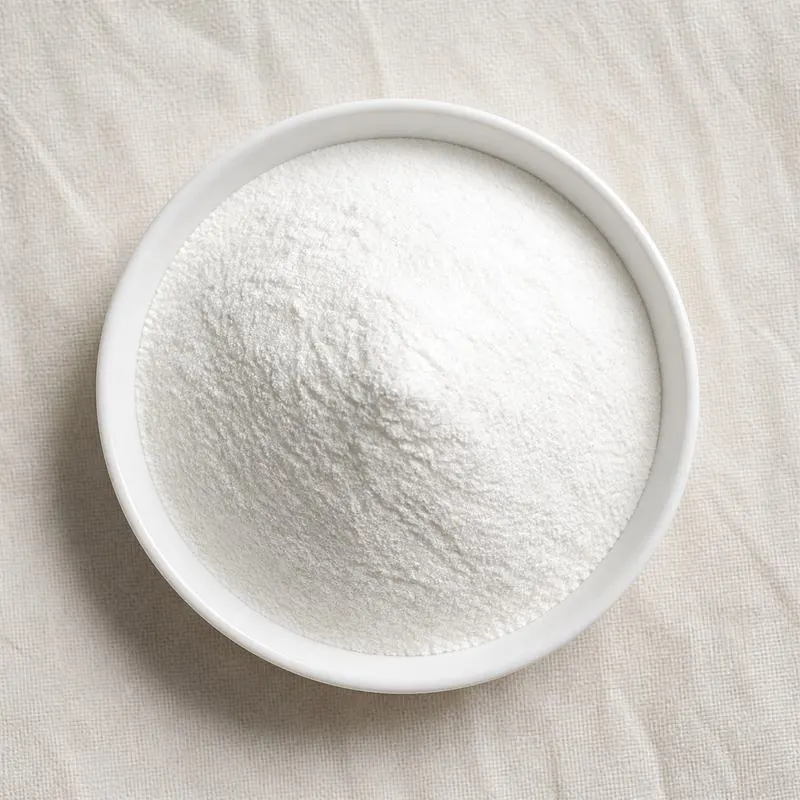
Metabolically the group divides into homofermentative organisms, which convert hexose almost entirely to lactic acid, and heterofermentative organisms, which produce carbon dioxide, ethanol or acetate alongside the lactate. That distinction decides where a strain can be used, since gas production is essential in some fermentations and unacceptable in others. The dried material is an off white to cream powder with a faintly fermented odour, dispersible rather than soluble, hygroscopic and oxygen sensitive, and is specified on colony forming units per gram or, for starter use, on acidification activity in the intended substrate.
We source bulk Freeze Dried Lactic Acid Bacteria from top China manufacturers for our partners. The manufacturer is in Shandong. A smaller requirement can ship in a combined container with other ingredients.
Please send the grade you need, the volume and your destination port, and we will come back with a solution and a price.
or call +86-21-6858 0751
- Function
- Probiotic
Specifications
| Item | Specification |
|---|---|
| Appearance | Off white to cream free flowing lyophilised powder |
| Odour | Faintly fermented, free from foreign odour |
| Viable Count at Release | Not less than declared potency including shelf life overage |
| Identification | Species and strain confirmed by whole genome or ribosomal sequencing |
| Acidification Activity (starter grades) | Not less than declared value in the defined substrate |
| Purity | No contaminating organisms detected on selective plating |
| Loss on Drying | Not more than 4.0 percent |
| Water Activity | Not more than 0.20 |
| Particle Size | Not less than 95 percent through 60 mesh |
| Lead | Not more than 1 mg/kg |
| Arsenic | Not more than 1 mg/kg |
| Coliforms | Not more than 10 cfu/g |
| Yeast and Mould | Not more than 100 cfu/g |
| Escherichia coli | Absent in 10 g |
| Staphylococcus aureus | Absent in 10 g |
| Salmonella | Absent in 25 g |
Common Markets Grades
The first grade axis is the intended function, because it determines which specification is meaningful. Starter cultures are bought for what they do to a substrate and are specified on activity, the rate at which they acidify a defined volume of milk or a defined dough. Probiotic cultures are bought for what they do after ingestion and are specified on viable count and strain identity. Protective and bioprotective cultures, selected for the ability to suppress spoilage organisms or Listeria in a finished food, are specified on both count and inhibitory activity in a challenge test.
The second is potency and presentation, with concentrates at high count for dilution by the formulator and standardised grades already diluted onto a carrier. The third is the format alternative: deep frozen pellets are traded alongside freeze dried powder for dairy use and give faster and more predictable activity, while the dried powder is easier to ship and store. Beyond that, grades are distinguished by dairy free cryoprotection, by microencapsulation where gastric survival or moisture protection is required, and by whether the material is a single strain sold against a deposit number or a defined blend.
Applications
- Yoghurt and fermented milks, where the thermophilic pair sets acidification rate and texture
- Cheese manufacture, where mesophilic lactococci acidify the curd and contribute to ripening
- Probiotic supplements in capsule, tablet and sachet form
- Fermented sausage and cured meat, where the culture acidifies and contributes to colour and flavour development
- Sourdough and fermented bakery products, where the culture sets acidity and aroma in the dough
- Fermented vegetables, where a defined culture replaces spontaneous fermentation for consistency
- Plant based fermented products, where dairy cultures are adapted to soy, oat and coconut bases
- Bioprotective applications, where a culture is added to a finished food to suppress spoilage and pathogen growth
- Silage and animal feed, where inoculants control the fermentation of forage
- Industrial lactic acid production and biotechnology, where the same organisms are used as production strains
China Manufacturers of Freeze Dried Lactic Acid Bacteria
Top Freeze Dried Lactic Acid Bacteria manufacturers in China.

Company names and logos are the property of the manufacturers themselves. They are listed here because our own directory records them as producing this ingredient. A listing is not an endorsement by them, and we do not represent them or speak on their behalf.
Regulatory Status
In the United States lactic acid bacteria used in food fermentation are established substances whose use is generally recognised as safe, and probiotic strains are used as dietary ingredients in supplements or, for food use, on the basis of a strain specific determination of generally recognised as safe status, with many such determinations notified to the Food and Drug Administration. Standards of identity for cheese and cultured dairy products require the use of a lactic acid producing culture, so in those categories the organism is written into the compositional standard. Claims on supplements are limited to structure and function statements with the required disclaimer.
In the European Union the lactic acid bacteria are the core of the qualified presumption of safety list maintained by the European Food Safety Authority, which recognises species with a sufficient history of safe use, and a species outside that history falls under the novel food regulation. Cultures are foods rather than food additives and carry no E number. The term probiotic is treated by the Commission as an implied health claim and cannot generally be used on labels, since no probiotic health claim has been authorised, though several member states permit it nationally as a category description. Cultures used as feed additives or silage inoculants require authorisation under the feed additives regulation. The Codex standard for fermented milks names the starter organisms required for each product and requires them to be viable and abundant in the finished food, and the joint guidelines of the Food and Agriculture Organisation and the World Health Organisation set the identification and labelling expectations for probiotic strains.
Manufacturing Process
Each strain is propagated separately from a master cell bank vial through shake flask and seed fermenter stages into a production fermenter. The medium supplies a carbohydrate source, a nitrogen source such as yeast extract, peptone or a milk protein hydrolysate, mineral salts and, for the more demanding species, vitamins and nucleotide precursors. Growth is anaerobic or microaerophilic, and pH is held by continuous alkali addition, since lactic acid bacteria are unusual in producing enough acid to stop their own growth long before the substrate is exhausted. The harvest point is chosen for robustness rather than maximum yield, because cells taken in the stationary phase survive freezing and drying considerably better.
The broth is concentrated by centrifugation or microfiltration to remove spent medium and lactate, and the concentrate is blended with a cryoprotectant, typically sucrose, trehalose, skim milk solids or a combination, then held briefly so that the protectant spreads evenly around the cells. Freezing is carried out at a controlled rate, on trays or as pellets dropped into liquid nitrogen, since the freezing rate determines ice crystal size and therefore membrane damage. Freeze drying proceeds in two stages, sublimation of frozen water under deep vacuum followed by desorption of bound water at raised shelf temperature, taking residual moisture to a low single figure percentage. Milling, blending and filling are carried out under low humidity, and the powder is packed into foil laminate under nitrogen. Release testing covers viable count, strain identity by sequencing, absence of contaminating organisms on selective media, and, for starter grades, an activity test in the actual substrate.