Gardenia Cooking Oil
Gardenia cooking oil is the edible oil expressed from the seed bearing fruit of Gardenia jasminoides, the evergreen shrub of the Rubiaceae family whose fruit is better known as the source of the yellow pigment crocin and the iridoid geniposide.
The oil comes from the seeds embedded in the fruit pulp, which carry roughly 15 to 20 percent lipid. Its fatty acid profile is dominated by linoleic acid, typically around half of the total, with oleic acid making up much of the remainder and palmitic and stearic acid accounting for the saturated fraction, giving a composition broadly comparable to a light seed oil. Alongside the triglycerides it carries phytosterols, tocopherols and traces of the fruit's carotenoid pigments, which give the crude oil a golden to orange cast that refining largely removes.
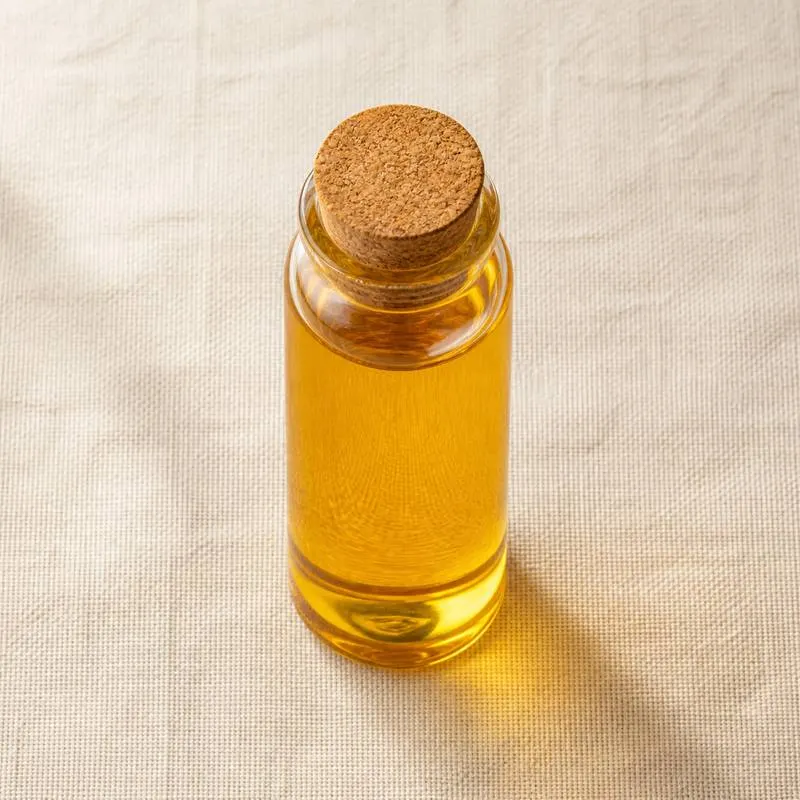
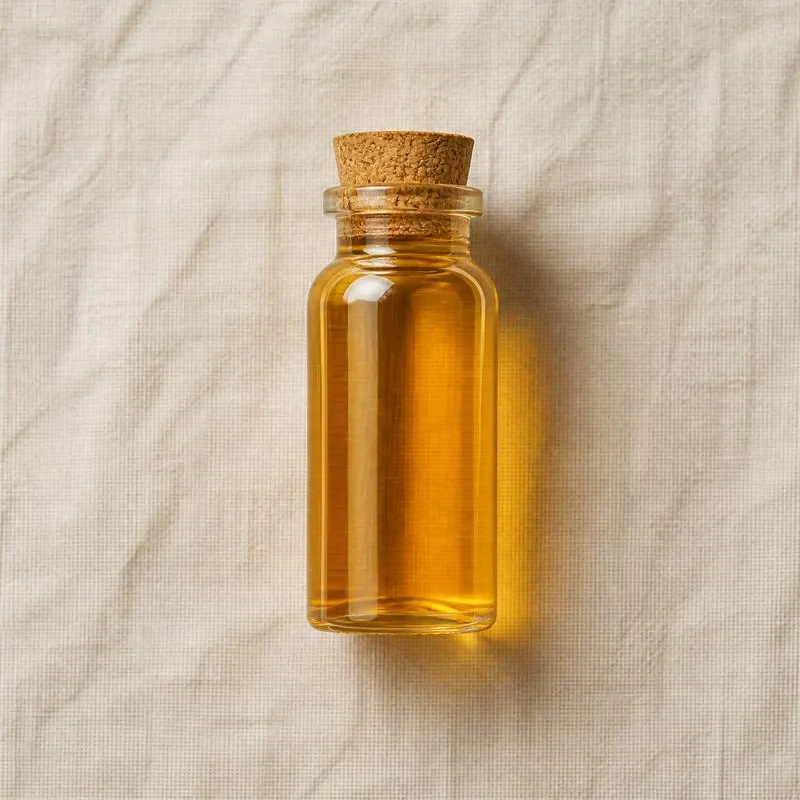
It is a clear pale yellow to golden liquid at room temperature, with a mild odour and a neutral taste in the refined grade, and remains fluid under refrigeration. Being high in linoleic acid it is more prone to oxidation than an oleic dominated oil, so it is treated as a general cooking and dressing oil rather than a repeated deep frying medium, and it is stabilised, stored cool and packed with a light barrier. The oil is a by-product of an industry whose primary product is the pigment, which is what makes it commercially available at all.
We source bulk Gardenia Cooking Oil from top China manufacturers for our partners. The manufacturer is in Henan. A smaller requirement can ship in a combined container with other ingredients.
Please send the grade you need, the volume and your destination port, and we will come back with a solution and a price.
or call +86-21-6858 0751
- Function
- Nutraceutical
Specifications
| Item | Specification |
|---|---|
| Appearance | Clear pale yellow to golden oil at 20 C |
| Odour and Taste | Bland, free from rancid or foreign notes |
| Identification | Fatty acid profile conforms to reference |
| Linoleic Acid | 45.0% to 55.0% of total fatty acids |
| Oleic Acid | 25.0% to 35.0% of total fatty acids |
| Acid Value | Not more than 0.6 mg KOH/g |
| Peroxide Value | Not more than 5.0 meq/kg |
| Moisture and Volatiles | Not more than 0.1% |
| Insoluble Impurities | Not more than 0.05% |
| Unsaponifiable Matter | Not more than 15 g/kg |
| Residual Hexane | Not more than 1.0 mg/kg |
| Geniposide | Not more than 0.1% |
| Lead | Not more than 0.1 mg/kg |
| Arsenic | Not more than 0.1 mg/kg |
Common Markets Grades
The trade separates crude, cold pressed and refined material. Crude oil, taken straight from the press or the extractor, is deeply coloured and high in free fatty acid and is normally an intermediate rather than a finished article. Cold pressed oil, expressed at controlled temperature and only settled and filtered, retains colour, aroma and its natural tocopherol and sterol content and is sold as a specialty culinary oil. Fully refined oil, taken through the degumming, neutralising, bleaching and deodorising train, is pale, neutral and stable, and is the grade sold as a general cooking oil.
Lots are graded on acid value, peroxide value and colour, which together describe how the fruit was stored and how carefully the oil was handled, and on the fatty acid profile, which is used to confirm identity and to detect blending with cheaper oils. Winterised oil, chilled and filtered to remove the higher melting fraction, is specified where the bottle must stay clear in cold storage. Organic certified lots are handled separately, and the residual geniposide and crocin content is normally specified, since both belong with the pigment stream rather than in the oil.
Applications
- General household cooking oil, the principal use for the refined grade
- Salad dressings and cold preparations, where the cold pressed grade contributes colour and character
- Blended cooking oils, where it is combined with rapeseed, soybean or peanut oil
- Bakery and confectionery fats, contributing a soft texture and a neutral flavour
- Sauce and condiment manufacture as a carrier for aromatics and spices
- Nutritional oil blends positioned on linoleic acid and natural tocopherol content
- Feedstock for phytosterol and tocopherol recovery from the deodoriser distillate
- Cosmetic and massage preparations, where the unrefined oil is used as an emollient base
- Soap and personal care manufacture using off grade and crude material
China Manufacturers of Gardenia Cooking Oil
Top Gardenia Cooking Oil manufacturers in China.
Company names and logos are the property of the manufacturers themselves. They are listed here because our own directory records them as producing this ingredient. A listing is not an endorsement by them, and we do not represent them or speak on their behalf.
Regulatory Status
In the United States, gardenia fruit oil is not among the vegetable oils with an established generally recognised as safe listing or a standard of identity, so a supplier bringing it into the food supply would establish its status through a GRAS determination or a food additive petition for the intended uses, with the Food Safety Modernization Act preventive controls and the Foreign Supplier Verification Program applying to manufacture and import. Gardenia derived colours are a separate matter: gardenia blue and related preparations have been the subject of colour additive petitions, and colour additives require explicit listing rather than GRAS status.
In the European Union, an oil from gardenia fruit has no demonstrated history of significant consumption before May 1997, so it falls under the novel food regulation and requires authorisation and entry on the Union list before it can be placed on the market as a food. It is not a food additive and carries no E number, and gardenia derived colouring preparations are likewise assessed separately under the additives and novel food frameworks. Contaminant limits for vegetable oils, covering heavy metals, polycyclic aromatic hydrocarbons and, where solvent extraction is used, residual extraction solvent under the extraction solvents directive, apply to the refined product. Codex maintains a standard for named vegetable oils that does not currently include gardenia oil, so buyers rely on the supplier's fatty acid profile and monograph to establish identity.
Manufacturing Process
Gardenia fruit is harvested when fully coloured and is dried, then processed primarily for its pigment: the dried fruit is extracted with water or aqueous ethanol to recover crocin and geniposide, and the seed bearing residue left after that extraction is the feedstock for the oil. Where the oil is the primary target, the dried fruit is instead dehulled and the seeds separated by screening and air classification before any extraction takes place.
The seed material is cleaned, conditioned to a working moisture and flaked or crushed, then pressed in screw presses. For the cold pressed grade the press is run at reduced speed with cooled barrels so the oil leaves below the temperature threshold that designation implies, and the expressed oil is settled in tanks and clarified on plate filters with no further treatment. For the refined grade the press cake is solvent extracted with hexane to recover the residual oil, the miscella is desolventised, and the combined crude oil goes to refining: degumming with water or acid to remove phospholipids, neutralisation with caustic to strip free fatty acids as soapstock, bleaching over adsorbent clay to remove colour bodies including the residual carotenoids, winterisation where a cold stable oil is wanted, and vacuum steam deodorisation to remove volatiles and oxidation products. The refined oil is polished, dosed with tocopherol where additional stabilisation is needed, and filled under nitrogen. The deodoriser distillate is collected as a sterol and tocopherol stream and the press cake is recovered as meal.