Gluconic Acid
Gluconic Acid is a mild, polyhydroxy carboxylic acid (C₆H₁₂O₇) produced by the controlled oxidation of glucose at the first carbon, retaining all five hydroxyl groups of the parent sugar.
The molecule is a weak organic acid with a pKa of 3.86 and an unusually soft, refreshing taste profile that has been compared to ripe fruit rather than the sharp bite of citric or acetic acid. It exists in solution in equilibrium with its cyclic lactone, gluconolactone (GDL), and with its conjugate base, gluconate.
Because of its hydroxyl-rich structure, gluconic acid is a powerful chelator of calcium, iron, copper, and aluminium, which is the basis of its use in cleaning, food processing, and pharmaceutical formulation.
We source bulk Gluconic Acid from top China manufacturers for our partners, working with several of them. The manufacturers are in Shandong, Shanghai and Zhejiang. A smaller requirement can ship in a combined container with other ingredients.
Please send the grade you need, the volume and your destination port, and we will come back with a solution and a price.
or call +86-21-6858 0751
- Packaging
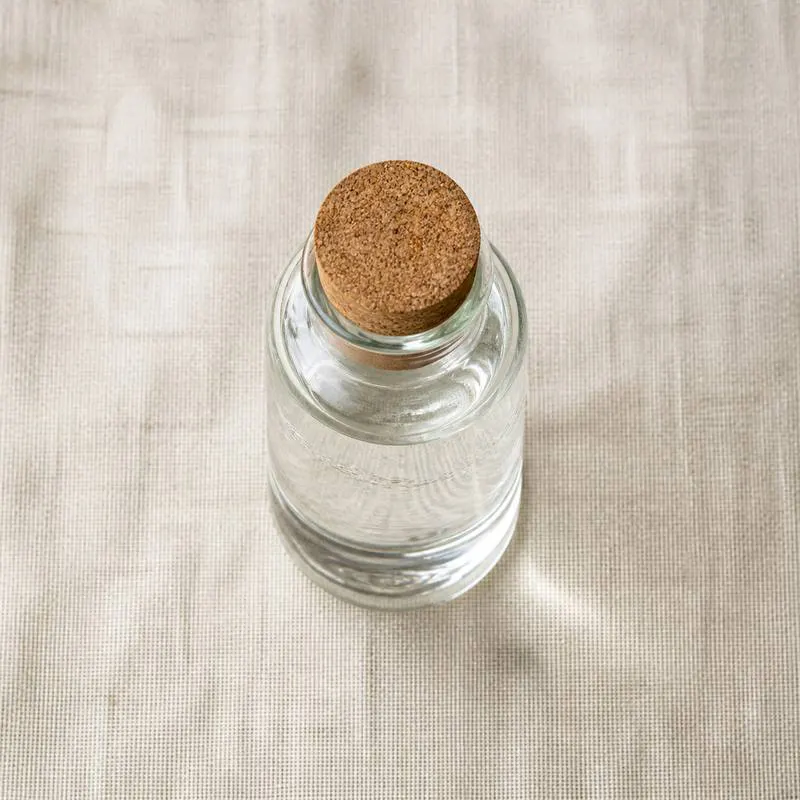
- 250 kg plastic drum or 1,000 kg IBC tote
- ISO 9001
- HACCP
- Halal
- Kosher
Specifications
| Item | Specification |
|---|---|
| Appearance | Clear, colourless to light-yellow liquid |
| Assay (gluconic acid) | 50.0 ± 1.0% |
| Density (20°C) | 1.23–1.25 g/ml |
| pH (1% sol.) | 1.8–2.2 |
| Chloride | ≤0.05% |
| Sulphate | ≤0.05% |
| Reducing Sugars | ≤1.0% |
| Heavy Metals (as Pb) | ≤10 mg/kg |
| Arsenic | ≤3 mg/kg |
| Iron | ≤10 mg/kg |
Common Markets Grades
Most Gluconic Acid trades as a 50 percent aqueous solution, since the free acid is unstable in the solid state and tends to convert spontaneously to its lactone forms.
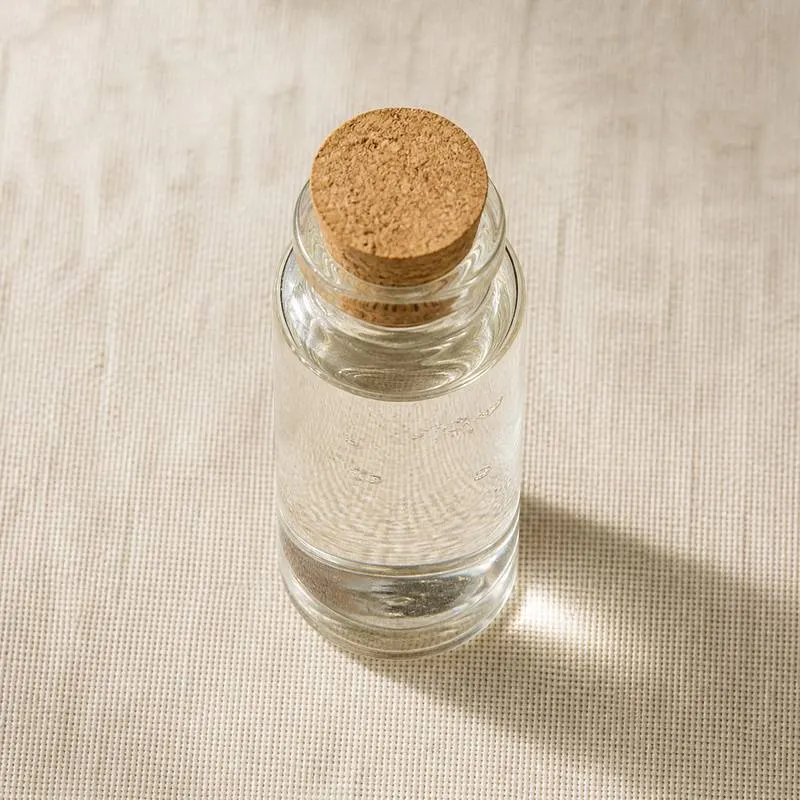
The standard food-grade 50 percent solution is a clear, colourless to pale-yellow syrup with assay verified by titration and a typical pH around 1.8. This is the standard format for food, beverage, and cleaning applications.
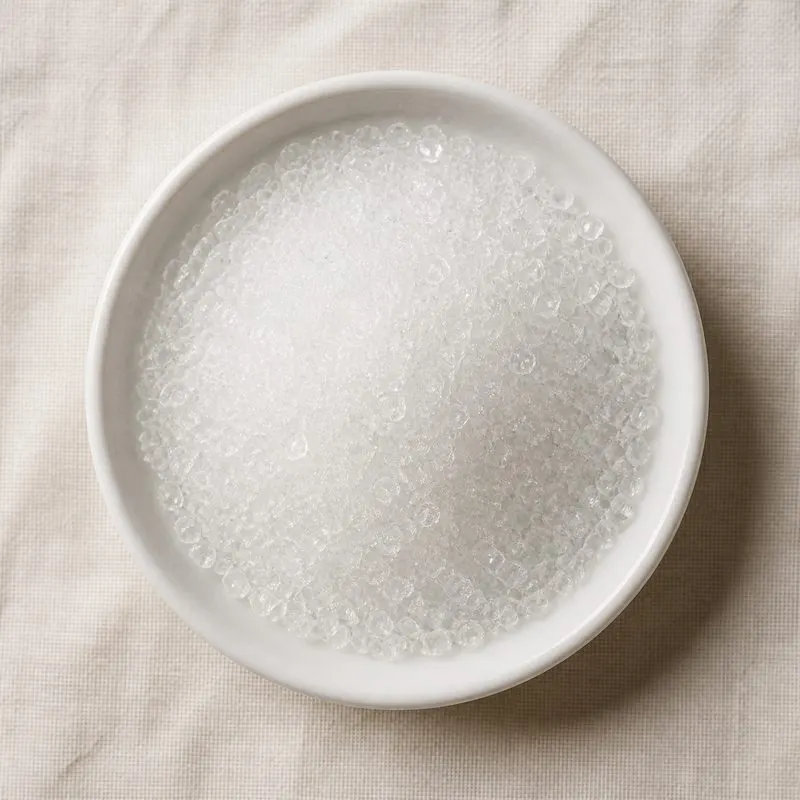
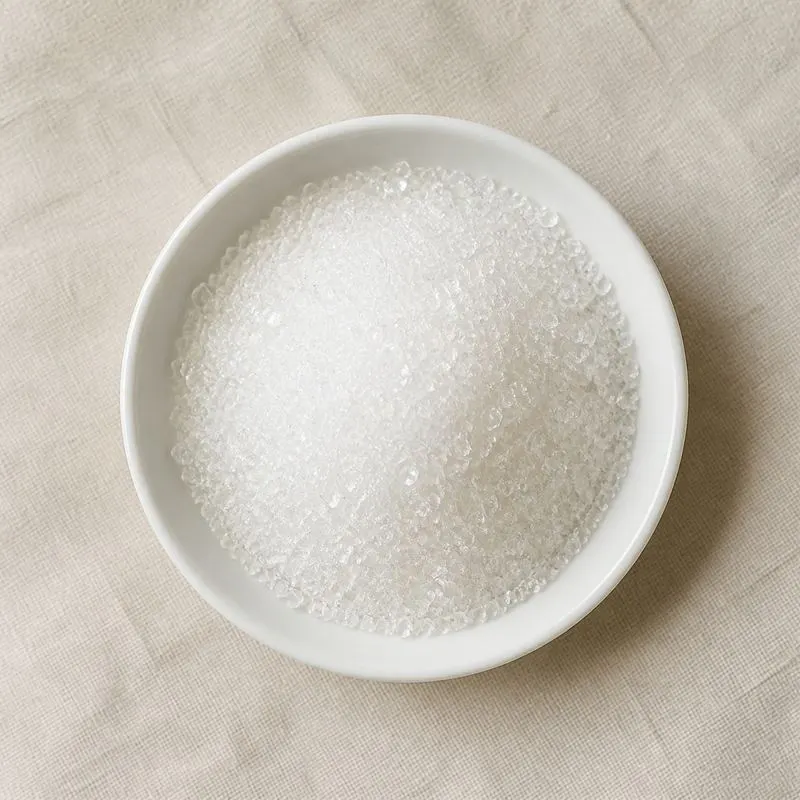
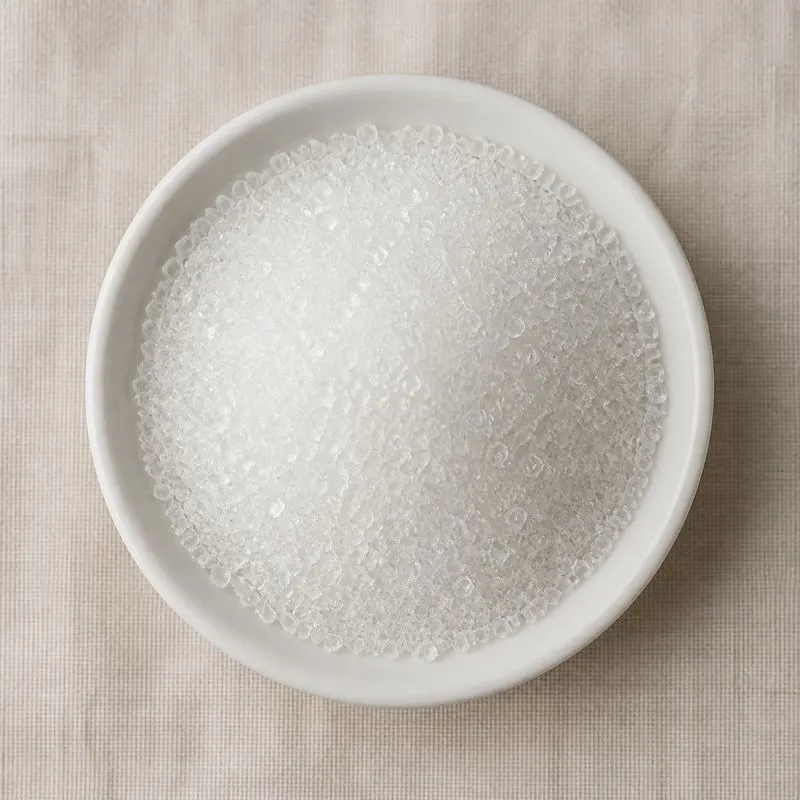
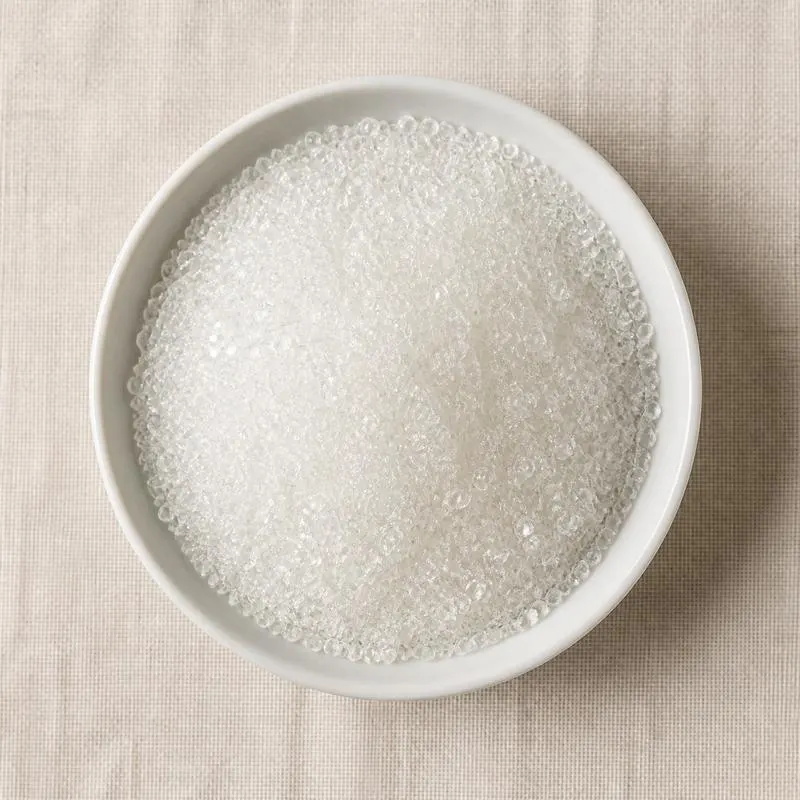
Glucono-delta-lactone (GDL) is the crystalline solid equivalent, sold at 99 percent purity. On dissolution in water it hydrolyses slowly to gluconic acid, producing a gradual pH drop that is used in tofu coagulation, no-bake cheesecakes, and baking-powder systems.
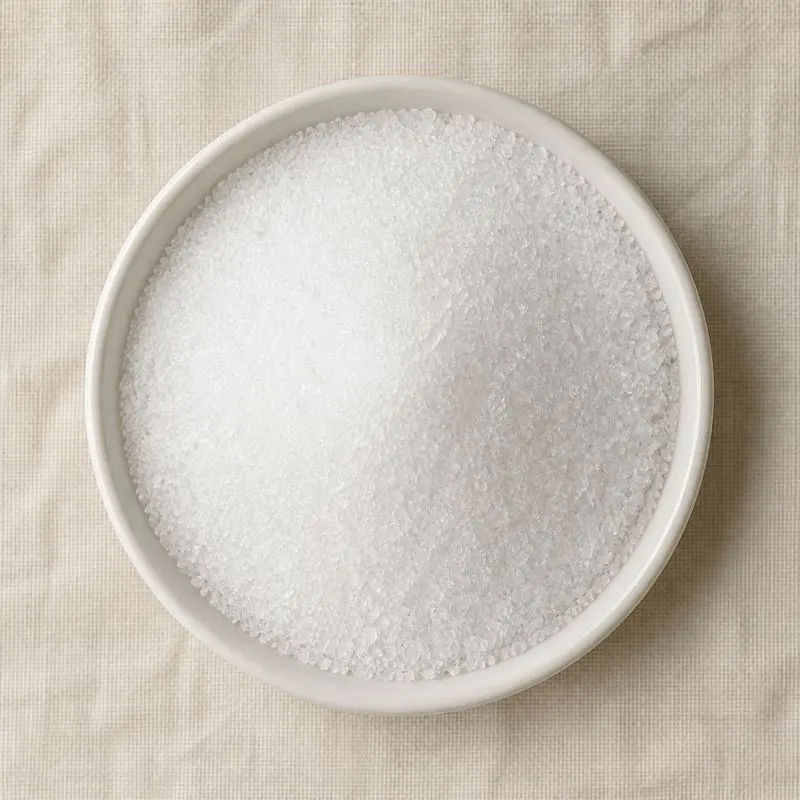
Sodium gluconate, calcium gluconate, and other gluconate salts are produced from the same fermentation broth by direct neutralisation. These are free-flowing crystalline powders and serve as the chelating and mineral-fortification grades.
A pharmaceutical and infusion grade conforms to USP and Ph. Eur. monographs for gluconic acid and its salts, with tightened endotoxin and heavy-metal limits for use in calcium-gluconate injections and oral rehydration solutions.
Applications
- Tofu coagulation as glucono-delta-lactone for silken and dessert tofu
- Bakery leavening systems where slow acid release is preferred
- Processed meats, sausages, and cured products for pH control and colour stabilisation
- Dairy applications including cottage cheese, ricotta, and acid-set cheeses
- Dietary supplements as calcium, zinc, magnesium, and iron gluconate salts
- Pharmaceutical calcium gluconate injections for hypocalcemia treatment
- Oral rehydration solutions and electrolyte products
- Concrete admixtures as a set retarder and water reducer in construction
- Industrial and CIP cleaning for descaling dairy, brewery, and beverage equipment
- Metal surface treatment, bottle washing, and alkaline derusting baths
- Cosmetic skincare as a gentle alpha-hydroxy-acid alternative for sensitive skin
- Textile and paper processing for sequestration of calcium and iron
Brands Using Gluconic Acid
Widely-distributed consumer products that list Gluconic Acid on the ingredient label.
- bibigo (CJ Foods)Cooked Sticky White Rice (Single Pack) ↗Ingredients: Water, Rice, Gluconic Acid (for freshness)Label verified 2026-05-24
- bibigo (CJ Foods)Cooked Sticky White Rice (3 Pack) ↗Ingredients: Water, Rice, Gluconic Acid (for freshness)Label verified 2026-05-24
Brand names, product names and logos are the property of their owners. They appear here as published evidence that the ingredient is used, taken from the brand's own label or website. Their appearance is not an endorsement, and it does not mean the brand buys from us or from any manufacturer listed on this site.
China Manufacturers of Gluconic Acid
Top Gluconic Acid manufacturers in China.
 Shandong Xinhong Pharmaceutical Co., Ltd.9 ingredients in the directory
 Shandong Zhongxing Food Technology Co., Ltd.8 ingredients in the directory
- Shanghai LuoLuo Food Technology Co., Ltd.3 ingredients in the directory
 Zhejiang Tianyi Food Additives Co., Ltd.10 ingredients in the directory
Company names and logos are the property of the manufacturers themselves. They are listed here because our own directory records them as producing this ingredient. A listing is not an endorsement by them, and we do not represent them or speak on their behalf.
How We Help Source Gluconic Acid
Direct Factory Sourcing
We run the whole process: selecting the manufacturer from the top Chinese food ingredient producers, negotiating the price, verifying quality, and coordinating the logistics. You deal with us instead of with several factories at once.
Original Packaging and Documents from the Manufacturer
The manufacturer sends your Gluconic Acid out of its own factory in the original packing, through to your destination port. The COA, COO, MSDS, TDS and any certifications reach you from the manufacturer as well.
Free Samples and Lead Time
We send 100 to 500 g free for your own laboratory to test and you cover only the courier, usually within 2 to 3 working days. ETD is usually within 7 to 15 days once the order is confirmed, and we check that date against the factory's own manufacturing schedule before we give it to you.
Combined Shipment
We can load Gluconic Acid together with other ingredients such as Calcium Acetate, Citric Acid and Glucono-Delta-Lactone into one 20' FCL. If your quantity is small, we can also ship LCL.
Regulatory Status
Gluconic Acid and its principal salts are approved as food additives in all major regulated markets.
In the European Union gluconic acid is listed under E574, with sodium gluconate as E576, potassium gluconate as E577, calcium gluconate as E578, ferrous gluconate as E579, and glucono-delta-lactone as E575. All are permitted at quantum satis across a broad range of food categories.
The U.S. Food and Drug Administration recognises gluconic acid and its calcium, magnesium, potassium, sodium, and zinc salts as Generally Recognized as Safe. Specific listings appear at 21 CFR 184.1318 for glucono-delta-lactone and 21 CFR 184.1199 through 21 CFR 184.1638 for the various gluconate salts.
JECFA has evaluated gluconic acid and its salts and concluded that the acceptable daily intake need not be specified, citing the molecule's natural origin from glucose metabolism and its rapid clearance.
Pharmacopoeial monographs for gluconic acid, calcium gluconate, ferrous gluconate, and glucono-delta-lactone appear in the United States Pharmacopeia, the European Pharmacopoeia, the British Pharmacopoeia, and the Japanese Pharmacopoeia. Halal and Kosher certifications are routinely available, since the fermentation feedstock is corn or wheat glucose and the process uses no animal-derived inputs.
Manufacturing Process
Gluconic Acid is produced almost exclusively by aerobic fermentation of glucose.
The dominant industrial organism is the filamentous fungus Aspergillus niger, which expresses high levels of glucose oxidase. Submerged fermentation is run in stirred tanks at around 30 degrees Celsius, with continuous aeration and pH held near 5.5 by addition of sodium hydroxide or calcium carbonate.
Glucose oxidase converts glucose to gluconolactone and hydrogen peroxide, with the lactone spontaneously hydrolysing to gluconic acid. The hydrogen peroxide is decomposed in situ by catalase, also expressed by the fungus. Conversion of glucose typically exceeds 95 percent within 24 to 48 hours.
The fermentation broth is filtered to remove biomass, decolorised with activated carbon, and concentrated. Depending on the target product the concentrate is either acidified and stored as 50 percent gluconic acid solution, neutralised and crystallised as sodium gluconate, or lactonized and crystallised as glucono-delta-lactone.
Electrochemical and catalytic-oxidation routes from glucose have been demonstrated at pilot scale but have not displaced fermentation for cost and stereochemistry reasons.