Goose Carnosine Ten Percent
Goose carnosine ten percent is a standardised peptide preparation obtained from goose skeletal muscle, sold as a powder assaying 10 percent histidine containing dipeptides. The active fraction is a mixture of carnosine, which is beta-alanyl-L-histidine, and its methylated analogue anserine, which is beta-alanyl-1-methyl-L-histidine. Poultry muscle, and goose breast in particular, is naturally rich in these dipeptides, and anserine is usually the larger of the two fractions in avian material.
Both peptides act as intracellular buffers, mopping up the hydrogen ions produced during anaerobic muscle work, and both are metal chelators and carbonyl scavengers, which is the basis of their antioxidant description. Anserine additionally has a documented effect on purine and uric acid handling, which is the reason most Chinese market material is sold into uric acid and joint formulations rather than into sports products.
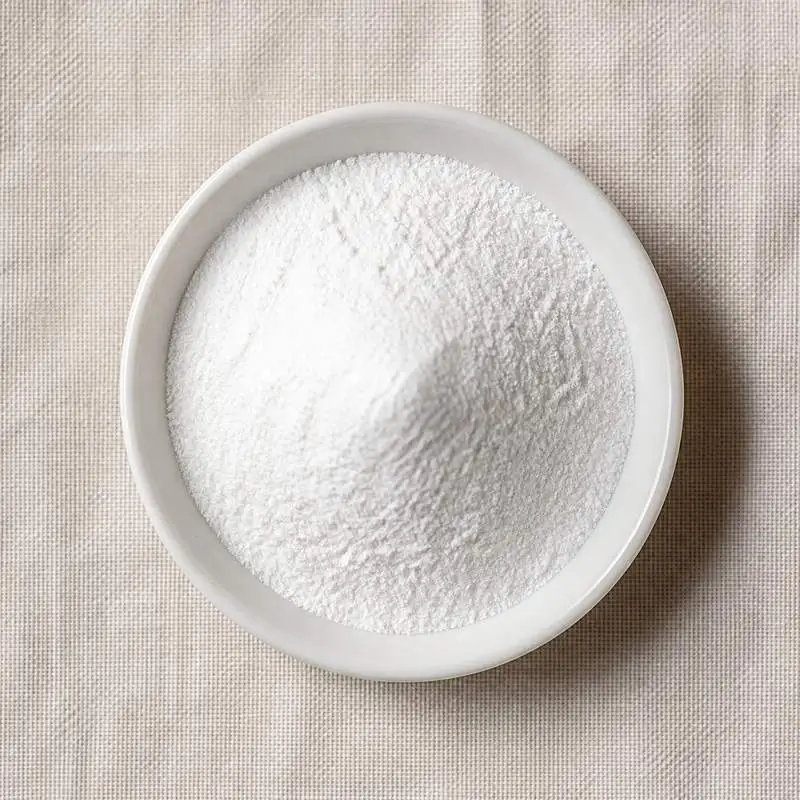
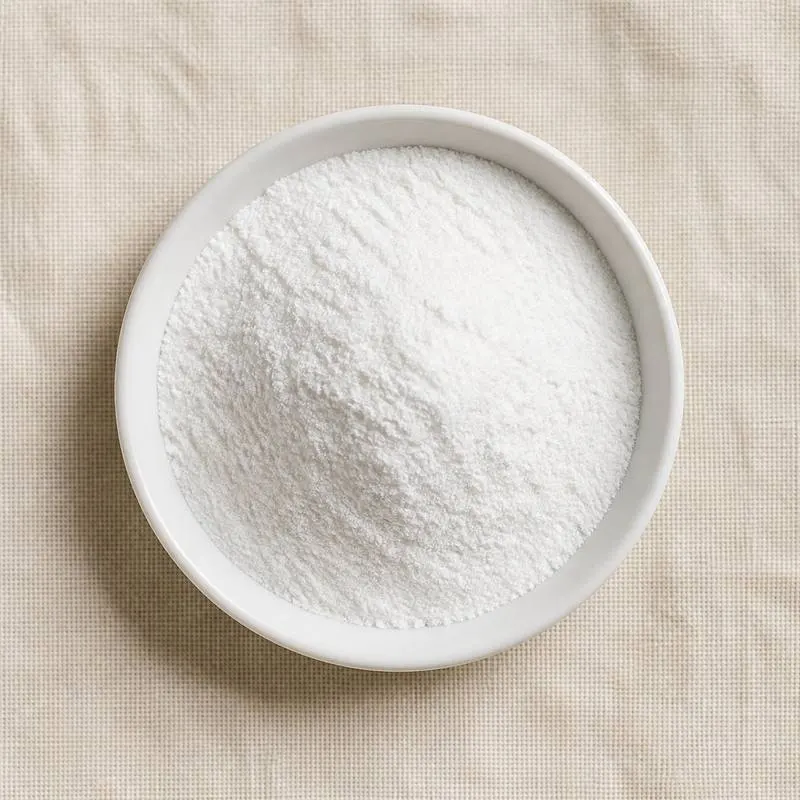
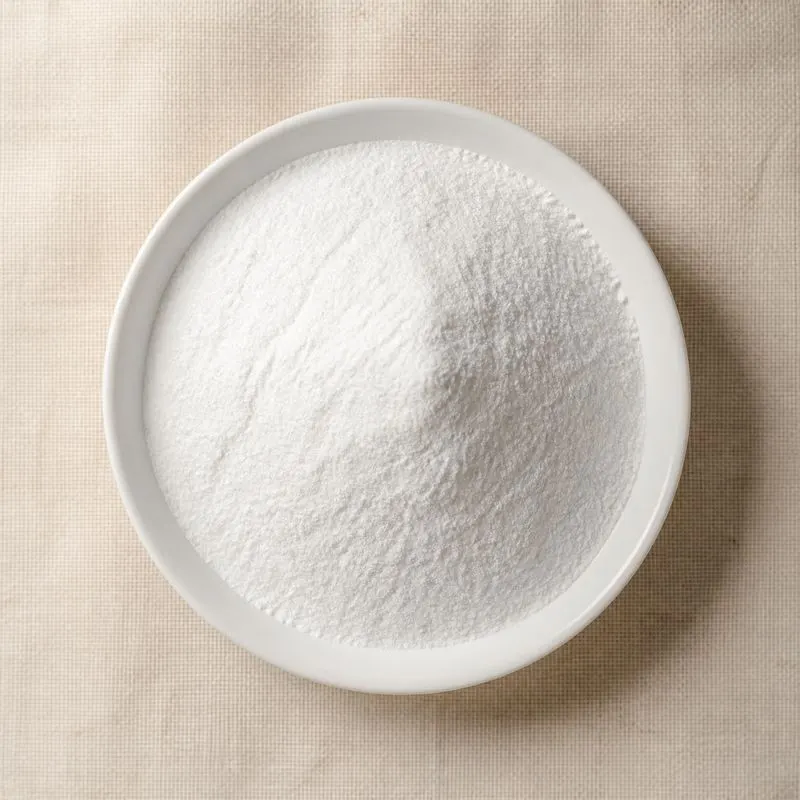
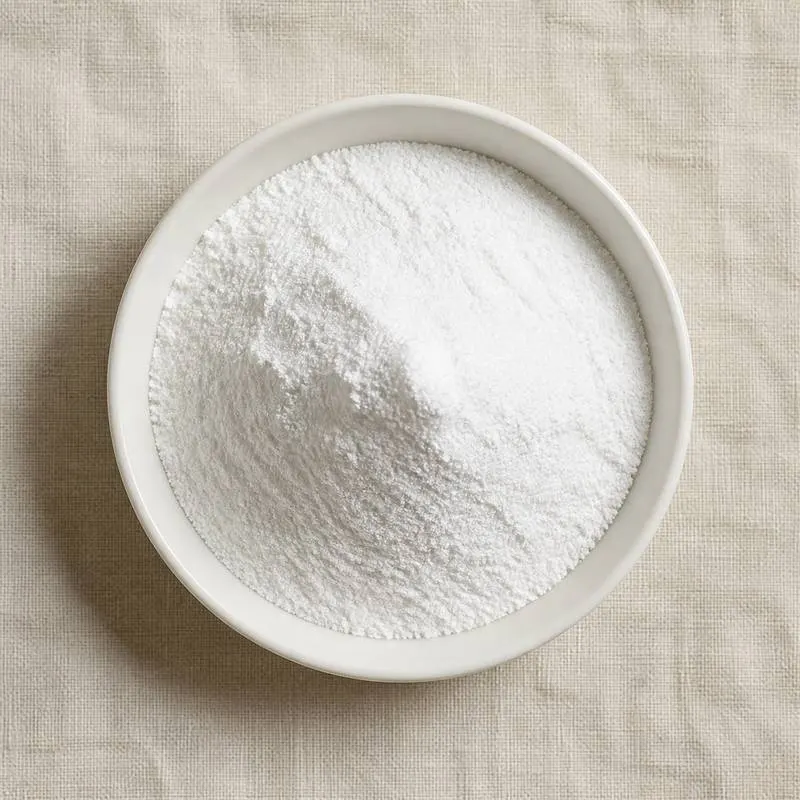
The commercial powder is off white to light yellow or pale brown, fine and free flowing, with a mild meaty and slightly bitter taste. It is readily soluble in water and hygroscopic, and it carries the residual peptides, free amino acids and minerals of the muscle extract alongside the declared dipeptides, together with a carrier such as maltodextrin used to standardise the assay. It is stable in dry storage but darkens with prolonged exposure to heat and moisture through Maillard reaction with residual sugars.
We source bulk Goose Carnosine Ten Percent from top China manufacturers for our partners. The manufacturer is in Shandong. A smaller requirement can ship in a combined container with other ingredients.
Please send the grade you need, the volume and your destination port, and we will come back with a solution and a price.
or call +86-21-6858 0751
- Function
- Amino acid
Specifications
| Item | Specification |
|---|---|
| Appearance | Off white to light yellow fine powder |
| Source | Goose skeletal muscle from inspected poultry processing |
| Identification | Chromatographic retention conforms to carnosine and anserine standards |
| Total carnosine and anserine | Not less than 10.0% |
| Protein, dry basis | Not less than 45.0% |
| Loss on drying | Not more than 7.0% |
| Ash | Not more than 12.0% |
| Fat | Not more than 1.0% |
| pH, 1% aqueous solution | 5.5 to 7.5 |
| Lead, as Pb | Not more than 1 mg/kg |
| Arsenic, as As | Not more than 1 mg/kg |
| Cadmium, as Cd | Not more than 0.5 mg/kg |
| Total plate count | Not more than 10,000 cfu/g |
| Salmonella | Absent in 25 g |
Common Markets Grades
Material is traded by declared dipeptide content, with the ten percent grade the common commodity article. Higher potencies at 20, 30 and 50 percent are produced by further resin purification, and isolated carnosine at 98 percent or above is a separate article made by synthesis or by deep purification and is not interchangeable with the standardised extract. The certificate should state the carnosine and anserine contents separately as well as the total, since the ratio varies with the raw material and with the process and determines which application the lot suits.
Physical presentations are spray dried powder on a maltodextrin or dextrin carrier for the standardised grades, and granulated versions for tabletting. Source and process declarations carry commercial weight, because material can be produced from goose, duck or chicken muscle, from bonito and other fish, or by chemical synthesis, and those routes differ in the carnosine to anserine ratio and in whether the product is acceptable under halal, kosher or vegetarian claims. Feed grade preparations of lower purity are made from the same process stream and are documented separately from food grade stock.
Applications
- Uric acid and joint comfort supplements, where the anserine fraction is used for its effect on purine handling
- Sports supplements aimed at buffering muscle acidity during high intensity work
- Anti-fatigue and recovery formulations sold in capsule, tablet and sachet form
- Antioxidant and healthy ageing products, based on the carbonyl scavenging and metal chelating behaviour of the dipeptides
- Functional beverages and shots, where the water solubility of the powder suits liquid dosing
- Eye and skin health formulations, where carnosine is used for its anti-glycation description
- Combination products with chicken or fish collagen peptides in joint and mobility ranges
- Pet supplements for working and ageing animals, where the same muscle buffering reasoning is applied
- Cosmetic formulations, where carnosine is used as an active in anti-ageing preparations
China Manufacturers of Goose Carnosine Ten Percent
Top Goose Carnosine Ten Percent manufacturers in China.

Company names and logos are the property of the manufacturers themselves. They are listed here because our own directory records them as producing this ingredient. A listing is not an endorsement by them, and we do not represent them or speak on their behalf.
Regulatory Status
In the United States a goose muscle peptide preparation is treated as a dietary ingredient for use in food supplements under the Dietary Supplement Health and Education Act, and as an ingredient derived from an edible animal tissue it draws on that history of food use. It has no food additive listing and no E number equivalent, and poultry derived material is subject to the meat and poultry inspection requirements that govern the source tissue, so the raw material must come from an inspected supply chain. Structure and function claims are permitted; disease claims are not.
In the European Union the preparation is not an authorised food additive. Its status as a food or supplement ingredient depends on the novel food question, since a purified peptide fraction concentrated well above the level found in the source meat is not the same as the meat itself, and a substance without demonstrated significant consumption in the Union before the novel food cut off date falls under Regulation (EU) 2015/2283 and requires authorisation. Imported material of animal origin is additionally subject to the veterinary import controls and to the animal by-products rules, which require an approved establishment and the accompanying health certification. Regulation (EC) No 1223/2009 governs cosmetic use of carnosine separately. Neither Codex nor JECFA has established specifications for the substance.
Manufacturing Process
Production is an enzymatic extraction from muscle tissue. Goose breast and leg muscle, taken as a by-product of poultry processing, is trimmed of fat and connective tissue, minced and slurried in water. The slurry is heated briefly to inactivate the enzymes naturally present and to reduce the microbial load, then cooled to the working temperature of the added protease. Food grade proteases are dosed and the mixture is hydrolysed under controlled pH and temperature for several hours, which releases the soluble dipeptides from the muscle matrix, and the enzyme is then inactivated by heating.
The hydrolysate is centrifuged and filtered to remove fat, insoluble protein and tissue residue, then clarified further by microfiltration and ultrafiltration, which retains the larger peptides and lets the small dipeptides pass. The permeate is loaded onto ion exchange or adsorption resin, which captures the basic histidine containing dipeptides and lets salts, free amino acids and much of the colour go to waste. The resin is washed and eluted, and the eluate is decolourised over activated carbon, desalted by nanofiltration or electrodialysis and concentrated under vacuum. The concentrate is assayed, standardised to the declared 10 percent by adding a maltodextrin carrier, then spray dried. The dried powder is sieved, checked by metal detection and packed with a moisture barrier.