Grape Seed Extract
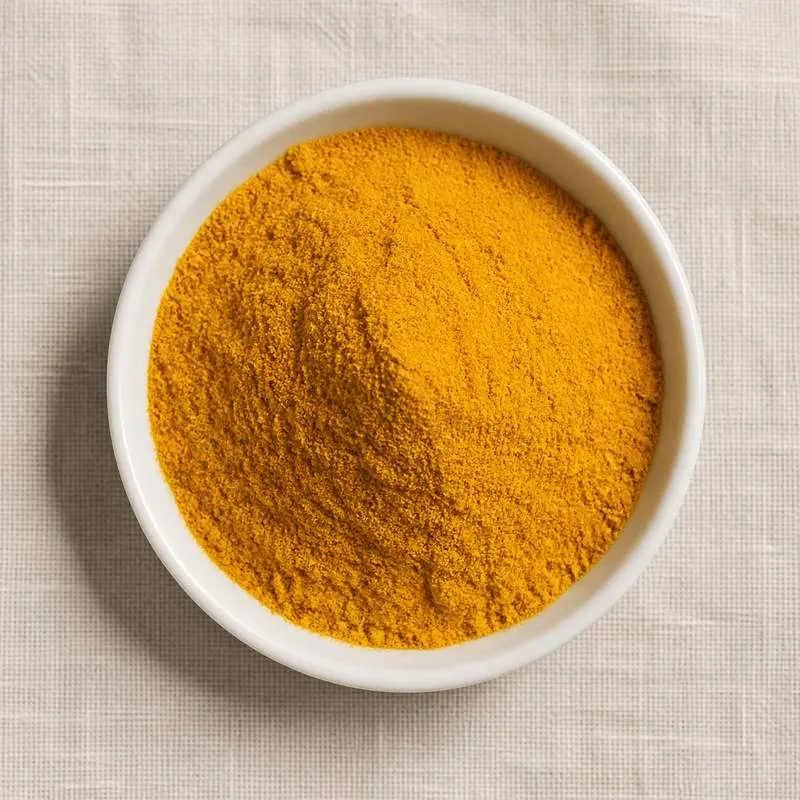
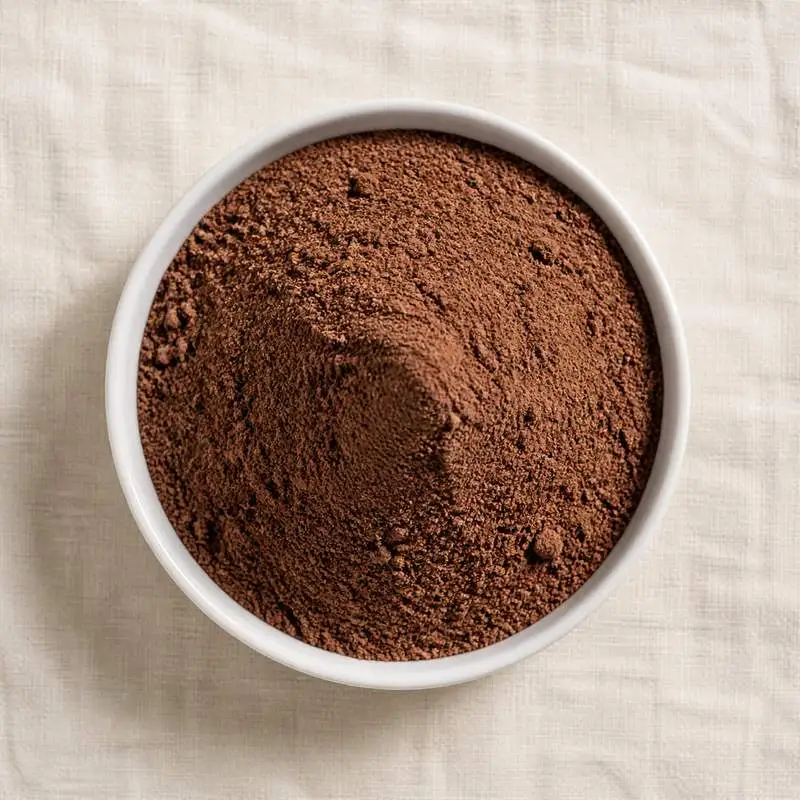
Grape Seed Extract is a polyphenol-rich preparation made from the seeds of Vitis vinifera, recovered as a byproduct of the wine and grape-juice industries. The commercial form is a reddish-brown to dark red powder with a mildly astringent character.
The principal actives are oligomeric proanthocyanidins (OPCs), also known as procyanidins, which are condensed polymers of catechin and epicatechin units. Commercial extracts are standardised to total polyphenols and OPC content, the latter most commonly measured by the Bate-Smith or HPLC method.
We source bulk Grape Seed Extract from top China manufacturers for our partners. The manufacturers are in Hebei and Tianjin. For this ingredient the minimum order is 1 kg, and a smaller requirement can ship in a combined container with other ingredients.
Please send the grade you need, the volume and your destination port, and we will come back with a solution and a price.
or call +86-21-6858 0751
- Minimum order
- 1 kg
- Packaging
- 25 kg fibre drum with double PE liner
- ISO 9001
- HACCP
- Halal
- Kosher
Specifications
Grades / Types Available: Food Grade, Pharmaceutical Grade
| Item | Specification |
|---|---|
| Appearance | Reddish-brown to dark brown powder |
| Assay (OPC) | ≥ 95% (UV) |
| Proanthocyanidins | ≥ 60% / 80% / 95% (UV) |
| Particle Size | 95% pass 80 mesh |
| Moisture | ≤ 5.0% |
| Heavy Metals | ≤ 10 ppm |
| Purity (Food Grade) | 95% min |
| Moisture/Loss on Drying | 5% max |
| pH | 6.0 - 7.0 |
| Lead | 1 ppm max |
| Arsenic | 0.5 ppm max |
| Total Plate Count | 1000 cfu/g max |
| Yeast & Mold | 100 cfu/g max |
Common Markets Grades
Grape Seed Extract is graded by polyphenol and proanthocyanidin content.
A common entry-level grade is standardised to 95 percent total polyphenols and 70 percent OPCs. It is the standard grade for general supplement and cosmetic applications.
Higher grades reach 95 percent OPCs by Bate-Smith assay, with most of the proanthocyanidin fraction in the dimer-to-pentamer range. Low-monomer grades, with less than 5 percent monomeric catechin and epicatechin, are positioned for clinical-research-grade formulations.
Water-soluble spray-dried powders are produced for ready-to-drink beverages, sticks, and effervescent tablets. Liquid concentrate formats are used in topical cosmetic lines and in functional drink dosing.
Lower-cost grades at 45 to 75 percent polyphenols go into mass-market multivitamins, sports drinks, and feed applications. Grades differ mainly in residual solvent profile, OPC degree of polymerisation, and consistency between spectrophotometric and chromatographic assay.
Applications
- Dietary supplements positioned for vascular, circulatory, and antioxidant support
- Skincare formulations including anti-aging serums, eye creams, and brightening masks
- Hair-care products for scalp health and follicle support
- Functional beverages including wellness shots, polyphenol-rich juices, and longevity drinks
- Sports nutrition formulas targeting recovery and vascular function
- Cosmetic sunscreens and after-sun products as a complementary antioxidant
- Combination products with vitamin C, pine bark extract, or resveratrol
- Pet supplements for senior dogs and cats focused on cardiovascular and skin health
- Natural preservative in lipid-rich foods, oils, and meat products
- Functional confectionery such as polyphenol gummies and dark chocolate inclusions
- Wine industry use as a tannin source for fining and structure adjustment
- Reference material in polyphenol analytical chemistry
Brands Using Grape Seed Extract
Widely-distributed consumer products that list Grape Seed Extract on the ingredient label.
- NOW FoodsGrape Seed Extract, Maximum Strength 500 mg Veg Capsules ↗Supplies 500 mg grape seed extract per veg capsule, standardised to a minimum of 90% polyphenols (OPCs).Label verified 2026-05-24
- NOW FoodsGrape Seed Extra Strength 250 mg Veg Capsules ↗NOW Foods' Extra Strength Grape Seed Extract product page delivers 250 mg grape seed extract with min 90% polyphenols / OPCs as a free radical scavenger.Label verified 2026-05-24
- SolgarGrape Seed Extract 100 mg Vegetable Capsules ↗Solgar's official Grape Seed Extract 100 mg page sells vegetable capsules of grape seed extract rich in oligomeric proanthocyanidins (OPCs) for cardio antioxidant support.Label verified 2026-05-24
- Life ExtensionGrapeseed Extract with Resveratrol & Pterostilbene 100 mg ↗Life Extension's Grapeseed Extract product page uses authentic Masquelier's grapeseed extract (OPCs) combined with trans-resveratrol for cardiovascular and longevity support.Label verified 2026-05-24
- Nature's BountyGrape Seed Extract ↗Nature's Bounty markets a standardised grape seed extract in its herbal supplement catalog (officially listed on naturesbounty.com) for antioxidant and heart support with polyphenols including OPCs and naturally occurring resveratrol.Label verified 2026-05-24
Brand names, product names and logos are the property of their owners. They appear here as published evidence that the ingredient is used, taken from the brand's own label or website. Their appearance is not an endorsement, and it does not mean the brand buys from us or from any manufacturer listed on this site.
China Manufacturers of Grape Seed Extract
Top Grape Seed Extract manufacturers in China.
 Chenguang Biotech Group Co., Ltd.12 ingredients in the directory
 Tianjin Jianfeng Natural Product R&D Co., Ltd.8 ingredients in the directory
Company names and logos are the property of the manufacturers themselves. They are listed here because our own directory records them as producing this ingredient. A listing is not an endorsement by them, and we do not represent them or speak on their behalf.
How We Help Source Grape Seed Extract
Direct Factory Sourcing
We run the whole process: selecting the manufacturer from the top Chinese food ingredient producers, negotiating the price, verifying quality, and coordinating the logistics. You deal with us instead of with several factories at once.
Original Packaging and Documents from the Manufacturer
The manufacturer sends your Grape Seed Extract out of its own factory in the original packing, through to your destination port. The COA, COO, MSDS, TDS and any certifications reach you from the manufacturer as well.
Free Samples and Lead Time
We send 100 to 500 g free for your own laboratory to test and you cover only the courier, usually within 2 to 3 working days. ETD is usually within 7 to 15 days once the order is confirmed, and we check that date against the factory's own manufacturing schedule before we give it to you.
Combined Shipment
We can load Grape Seed Extract together with other ingredients such as Astaxanthin, Dehydrated Garlic and Lutein into one 20' FCL. If your quantity is small, we can also ship LCL.
Regulatory Status
Grape Seed Extract is regulated as a food and food supplement ingredient in most major jurisdictions.
The U.S. Food and Drug Administration has acknowledged multiple GRAS notifications for specific grape seed extract preparations in defined food categories, and the ingredient is widely marketed as a dietary supplement under DSHEA.
In the European Union, grape seed extract used as a food supplement falls under the Food Supplements Directive 2002/46/EC, with member-state notification requirements. Polyphenol-rich grape extract preparations have also received favorable EFSA opinions on certain antioxidant-related uses.
Health Canada permits grape seed extract under its Natural Health Products Regulations with monograph-based dosage ranges. The Australian Therapeutic Goods Administration lists it as a permitted ingredient in complementary medicines.
Pharmacopoeial coverage is provided by the United States Pharmacopeia and the European Pharmacopoeia. Kosher, Halal, organic, and non-GMO certifications are widely offered, and many suppliers also provide allergen-free declarations for sulphite-sensitive consumers despite the wine-industry origin.
Manufacturing Process
Grape Seed Extract production starts with seeds separated from grape pomace, the solid residue left after pressing for wine or juice. Major producing regions include France, Italy, Spain, Chile, Argentina, the United States, and China.
The seeds are washed, dried, and de-oiled to remove the residual grape-seed oil, which is produced separately as a culinary and cosmetic ingredient. The de-oiled seed cake is the feedstock for polyphenol extraction.
Extraction is carried out with water, hydroalcoholic mixtures, or acetone-water blends at controlled temperature. The extract is filtered, concentrated under vacuum, and partitioned with ethyl acetate to selectively enrich the proanthocyanidin fraction while leaving behind sugars, organic acids, and salts.
The proanthocyanidin-rich phase may be further fractionated on adsorption resins or polyamide columns to control the monomer-to-oligomer ratio. The final concentrate is spray-dried, sometimes with a carrier such as maltodextrin, to a free-flowing powder.
Quality control includes residual solvent analysis, heavy metals, pesticide screens, and validated assays for total polyphenols (Folin-Ciocalteu), proanthocyanidins (Bate-Smith), and individual flavan-3-ols by HPLC.