Heavy Calcium Carbonate
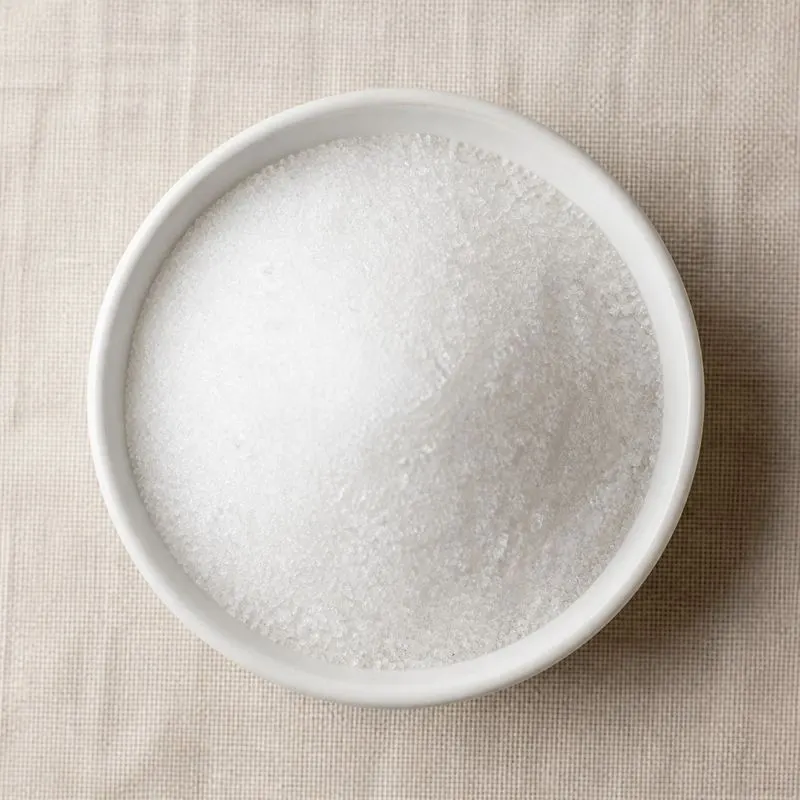
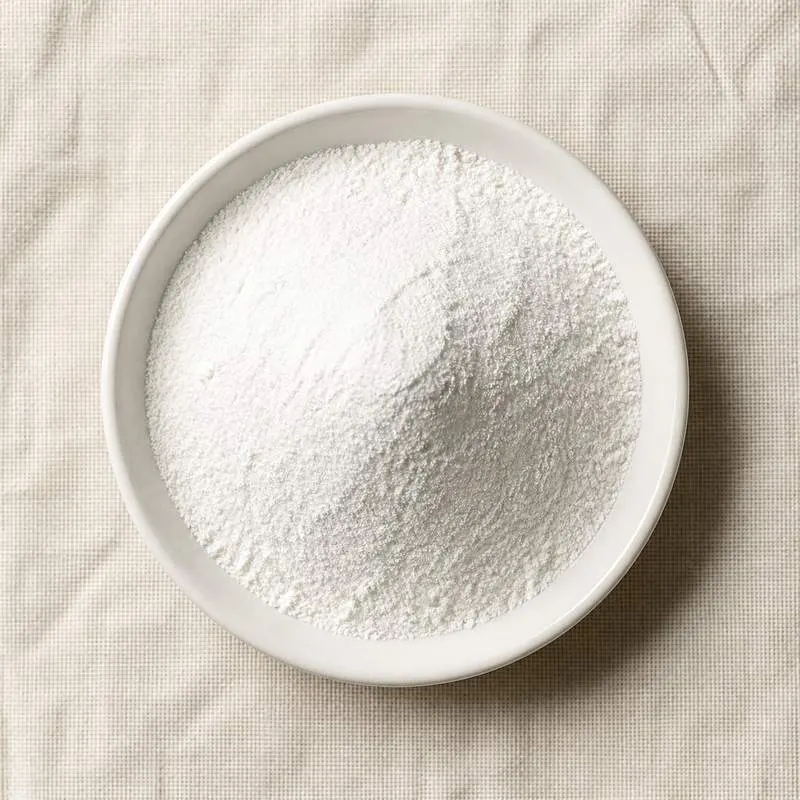
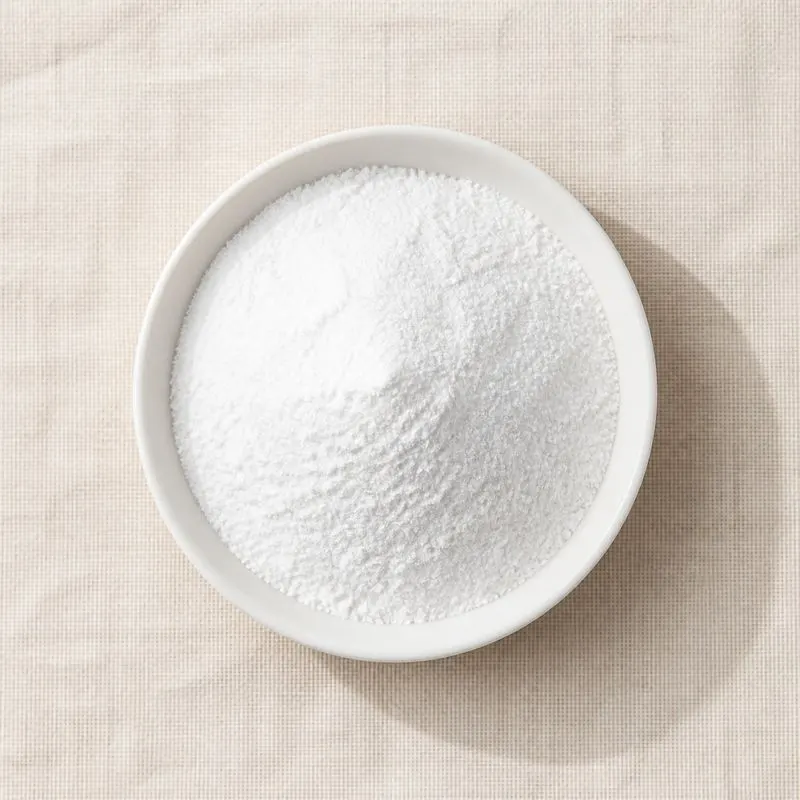
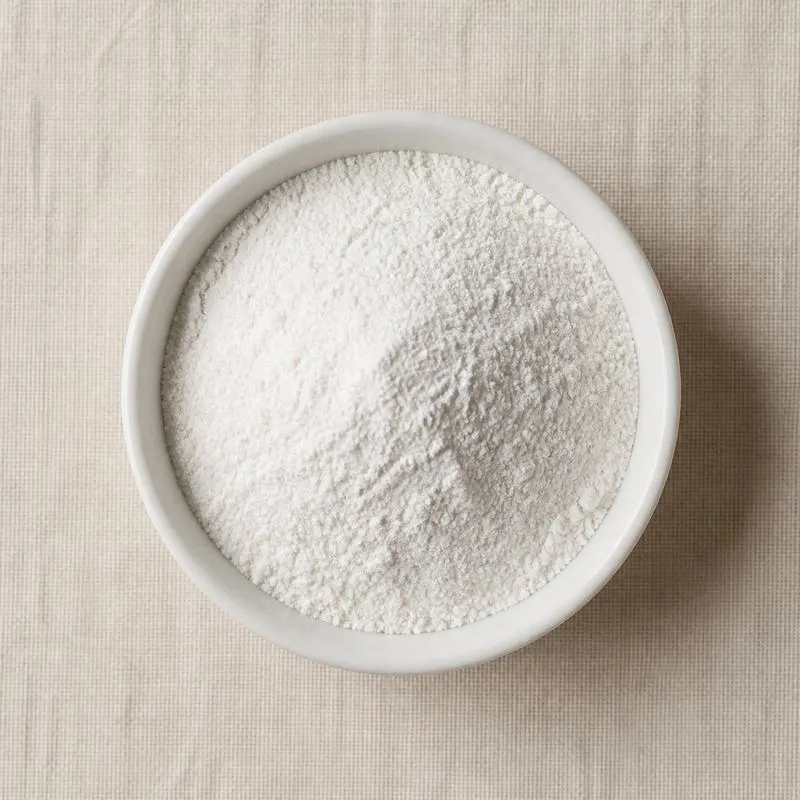
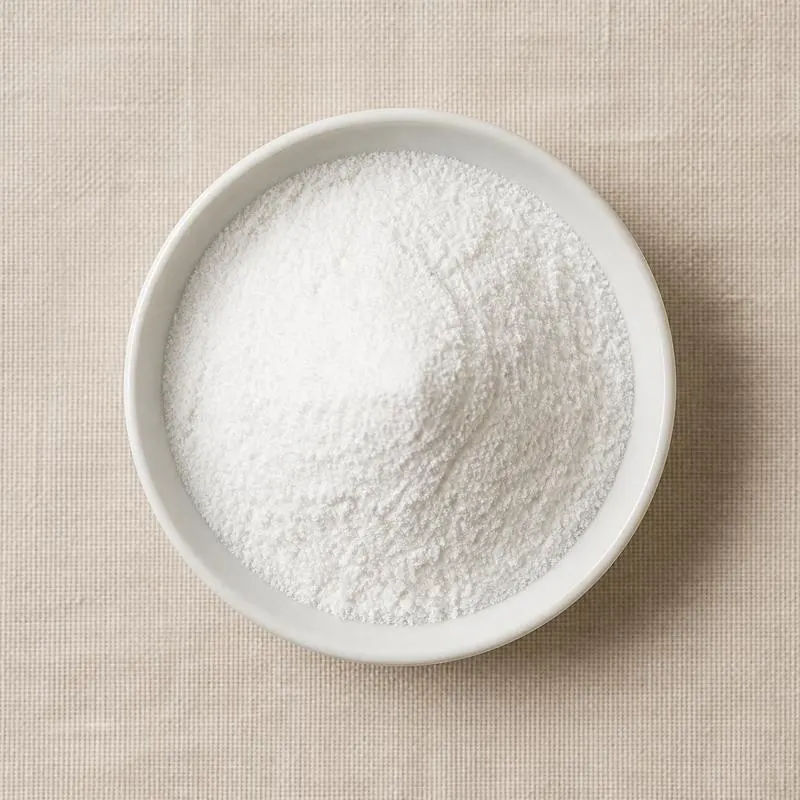
Heavy Calcium Carbonate is a white, odourless inorganic powder produced by mechanically grinding high-purity limestone, marble, or calcite. The industry also calls it ground calcium carbonate, or GCC.
The chemistry is simply CaCO₃, but the production route, coarser particle distribution, and lower brightness mark it out clearly from the precipitated grade. It is the standard mineral filler of the paper, plastics, paint, rubber, and sealant industries, and serves as a low-cost calcium fortifier in animal nutrition and certain food categories.
We source bulk Heavy Calcium Carbonate from top China manufacturers for our partners. The manufacturers are in Guangxi and Guizhou. A smaller requirement can ship in a combined container with other ingredients.
Please send the grade you need, the volume and your destination port, and we will come back with a solution and a price.
or call +86-21-6858 0751
- Packaging
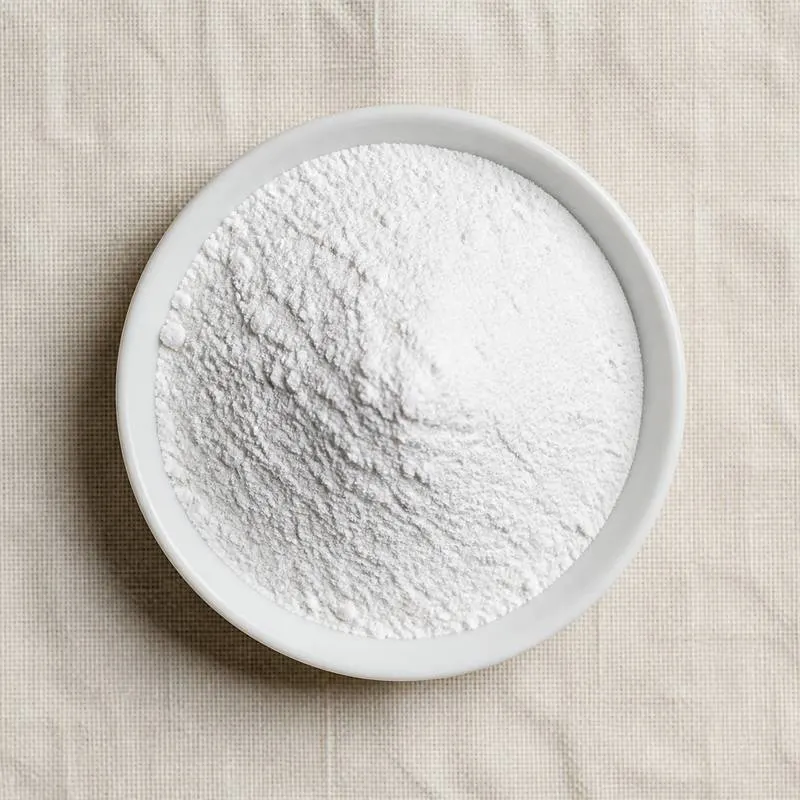
- 25 kg kraft paper bag with PE inner liner
- ISO 9001
- HACCP
- Halal
- Kosher
Specifications
Grades / Types Available: food grade
| Item | Specification |
|---|---|
| Appearance | White powder |
| Assay (CaCO₃) | ≥ 98.0% |
| Loss on Drying | ≤ 1.0% |
| Acid-Insoluble Substances | ≤ 0.2% |
| Bulk Density | ≥ 0.8 g/mL |
| Heavy Metals (as Pb) | ≤ 3 mg/kg |
| Purity | 98.6% (Food Grade) |
| Insoluble Matter in Hydrochloric Acid | 0.04% (Food Grade) |
| Free Alkali | qualified (Food Grade) |
| Alkali Metal and Magnesium | 0.4% (Food Grade) |
| Barium | <0.030% (Food Grade) |
| Arsenic | 0.00002% (Food Grade) |
| Fluorine | 0.0002% (Food Grade) |
| Lead | 0.00001% (Food Grade) |
| Mercury | <0.00001% (Food Grade) |
| Cadmium | <0.00001% (Food Grade) |
Common Markets Grades
Heavy calcium carbonate is graded primarily on mean particle size (D50), top-cut (D97), whiteness, and surface treatment.
Common dry grades run from coarse 325 mesh (around 45 microns) used in construction mortars, down through 800 mesh, 1250 mesh, 2500 mesh, and 4000 mesh ultrafines used in master batches and high-gloss paints.
Whiteness is reported on the Hunter or ISO scale, typically 92 to 96 for standard limestone-source material and 96 to 98 for marble-source material.
Surface-coated grades carry a 1 to 3 percent stearic-acid layer, which lowers oil absorption and improves dispersion in polyolefin compounds, PVC profiles, and solvent-borne coatings. Uncoated grades dominate water-based paint, paper, and feed applications.
Food and pharmaceutical grades are produced under tighter heavy-metal limits and meet USP, FCC, or Ph. Eur. monographs for calcium carbonate, even though the bulk of GCC tonnage is technical.
Applications
- Paper filler and surface coating, where it replaces a portion of cellulose fibre and improves opacity, brightness, and printability
- Plastic master batch for polyethylene and polypropylene film, sheet, and pipe, where it reduces resin cost and modifies stiffness
- PVC profile, cable, and flooring compounds as a high-loading filler with surface-coated grades
- Architectural and industrial paint as an extender pigment, controlling sheen and rheology
- Adhesives, sealants, and putties such as silicone, polyurethane, and acrylic systems
- Rubber compounds in shoe soles, conveyor belts, and general molded parts
- Construction mortars, tile adhesives, and joint compounds
- Animal feed as a calcium supplement for poultry layers, swine, and ruminants
- Pharmaceutical and dietary calcium tablets when the food-grade specification is met
- Glass and ceramic batch as a source of calcium oxide on firing
- Flue-gas desulfurization in coal-fired power plants
Brands Using Heavy Calcium Carbonate
Widely-distributed consumer products that list Heavy Calcium Carbonate on the ingredient label.
- Haleon (TUMS)TUMS Ultra Strength 1000 ↗Active ingredient: Calcium Carbonate 1000 mg per tablet. TUMS sources calcium carbonate from mined limestone (GCC/heavy calcium carbonate is the typical mined form).Label verified 2026-05-24
- Haleon (TUMS)TUMS Regular Strength 500 ↗Calcium Carbonate 500 mg active ingredient; mined limestone source per brand site.Label verified 2026-05-24
- Haleon (Caltrate)Caltrate 600+D3 Plus Minerals ↗Calcium Carbonate is the calcium source (600 mg elemental calcium). Caltrate brand label discloses calcium carbonate as primary mineral form.Label verified 2026-05-24
- Danone (Silk)Silk Original Almondmilk ↗Ingredient panel lists Calcium Carbonate in the Vitamin & Mineral Blend used to fortify the almondmilk to 450 mg calcium per cup.Label verified 2026-05-24
- Danone (Silk)Silk Unsweet Almondmilk ↗An unsweetened almondmilk whose vitamin and mineral blend uses calcium carbonate as the fortification source.Label verified 2026-05-24
- Califia FarmsCalifia Farms Extra Creamy Oat Milk ↗Ingredient panel lists calcium carbonate among the added minerals for calcium fortification.Label verified 2026-05-24
Brand names, product names and logos are the property of their owners. They appear here as published evidence that the ingredient is used, taken from the brand's own label or website. Their appearance is not an endorsement, and it does not mean the brand buys from us or from any manufacturer listed on this site.
China Manufacturers of Heavy Calcium Carbonate
Top Heavy Calcium Carbonate manufacturers in China.
- Guangxi Xingai Biological Technology Co., Ltd.3 ingredients in the directory
 Qianan Xinglong Biotechnology Co., Ltd.4 ingredients in the directory
Company names and logos are the property of the manufacturers themselves. They are listed here because our own directory records them as producing this ingredient. A listing is not an endorsement by them, and we do not represent them or speak on their behalf.
How We Help Source Heavy Calcium Carbonate
Direct Factory Sourcing
We run the whole process: selecting the manufacturer from the top Chinese food ingredient producers, negotiating the price, verifying quality, and coordinating the logistics. You deal with us instead of with several factories at once.
Original Packaging and Documents from the Manufacturer
The manufacturer sends your Heavy Calcium Carbonate out of its own factory in the original packing, through to your destination port. The COA, COO, MSDS, TDS and any certifications reach you from the manufacturer as well.
Free Samples and Lead Time
We send 100 to 500 g free for your own laboratory to test and you cover only the courier, usually within 2 to 3 working days. ETD is usually within 7 to 15 days once the order is confirmed, and we check that date against the factory's own manufacturing schedule before we give it to you.
Combined Shipment
We can load Heavy Calcium Carbonate together with other ingredients such as Sodium Acetate, Calcium Citrate and Sodium Lactate into one 20' FCL. If your quantity is small, we can also ship LCL.
Regulatory Status
Calcium carbonate is one of the most broadly cleared mineral additives in the world.
In the European Union it carries the food-additive number E170, with no numerical daily intake limit set by EFSA. The U.S. Food and Drug Administration lists it as Generally Recognized as Safe under 21 CFR 184.1191 for direct food use, and 21 CFR 73.70 covers its use as a colour.
JECFA has reviewed calcium carbonate from both ground and precipitated sources and placed it in the not-specified category. Pharmacopoeial monographs appear in USP-NF, the European Pharmacopoeia, the British Pharmacopoeia, and the Japanese Pharmacopoeia.
Technical-grade GCC for paper, plastic, and paint use is unregulated as a food contact substance per se, though finished articles must comply with applicable migration limits.
Halal and Kosher certifications are routinely available, since the raw material is mineral and no animal inputs are used in processing.
Manufacturing Process
Heavy calcium carbonate is made by grinding rather than by chemical reaction.
Quarried limestone or marble blocks with calcium carbonate content above 96 percent are first crushed by jaw and cone crushers to centimeter-scale aggregate. Magnetic separation removes iron contamination that would lower whiteness.
The aggregate then passes into a primary mill, usually a Raymond mill or vertical roller mill, producing 200 to 400 mesh powder for the construction trade. Finer grades are made in ball mills paired with air classifiers, or in dry agitated bead mills, with classification controlling the top cut at 10, 5, or 2 microns.
Ultrafine grades below 2 microns are typically produced by wet grinding in stirred media mills, followed by spray drying. Surface coating, when specified, is applied by spraying molten stearic acid onto the hot powder in a continuous mixer.
Major producing regions include the marble belts of Italy, Turkey, Vietnam, and southern China, plus the high-purity limestone deposits of the United States, Germany, and Brazil.