Howaru Protect Probiotics
HOWARU Protect is a documented probiotic blend sold as a freeze dried powder concentrate and formulated around lactic acid bacteria and bifidobacteria selected for immune and respiratory health studies. The compositions in the range are built on Lactobacillus acidophilus NCFM together with Bifidobacterium animalis subsp. lactis strains, with the exact pairing and ratio varying between the adult, children and early life versions.
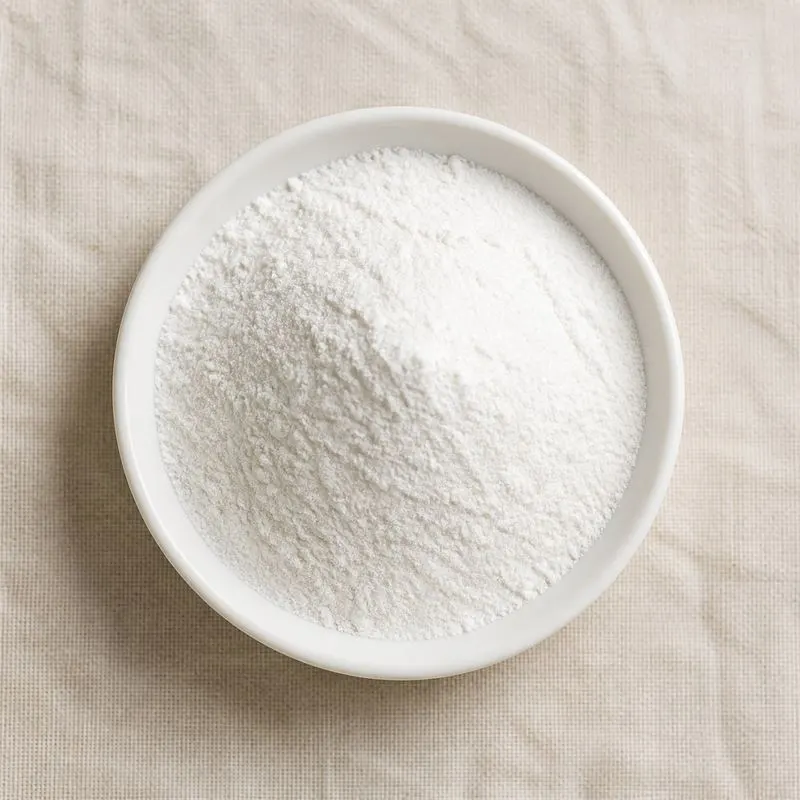
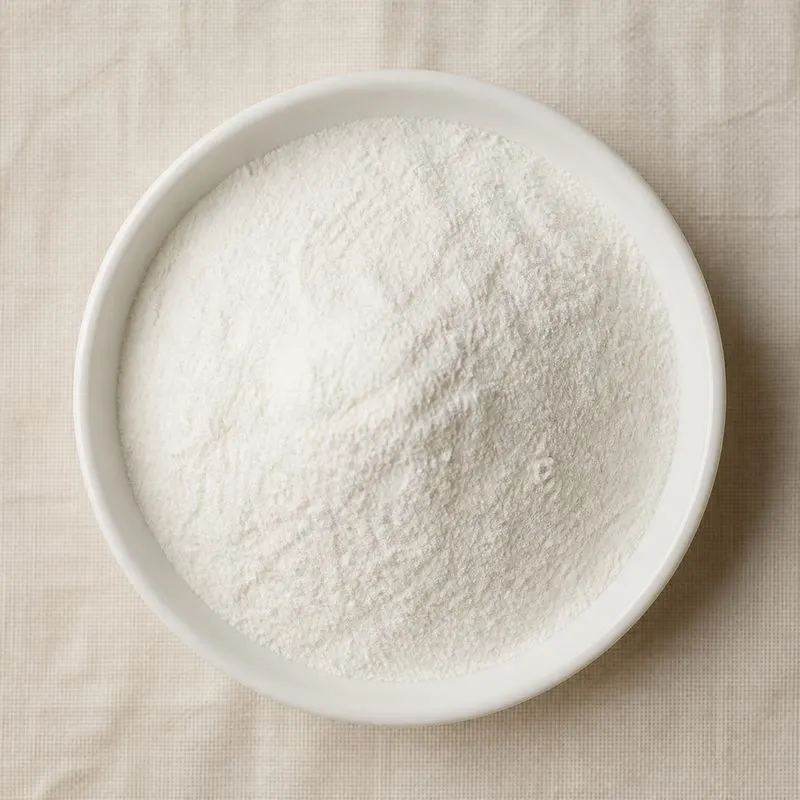
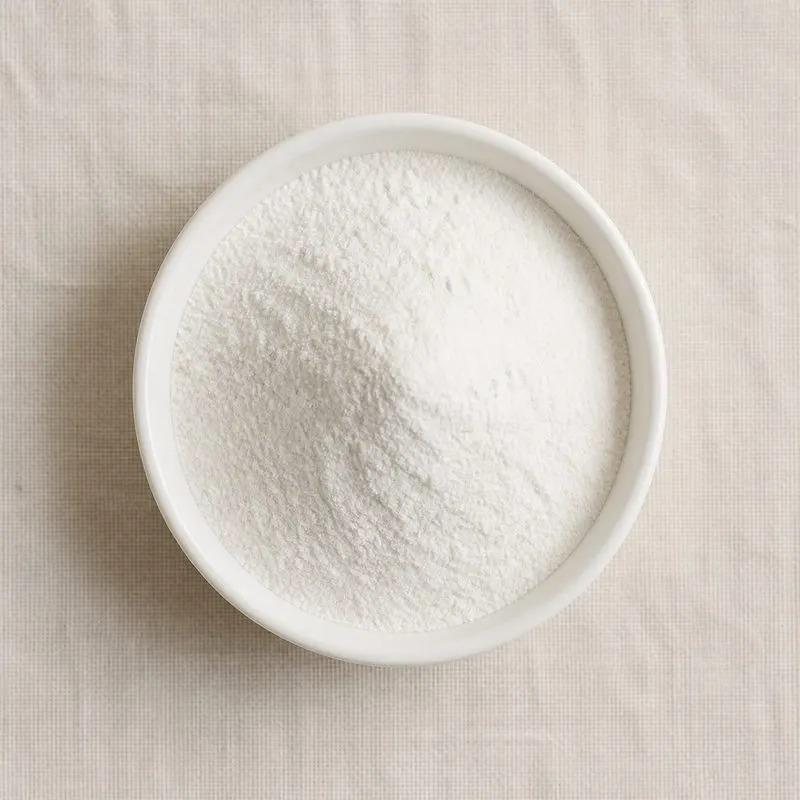
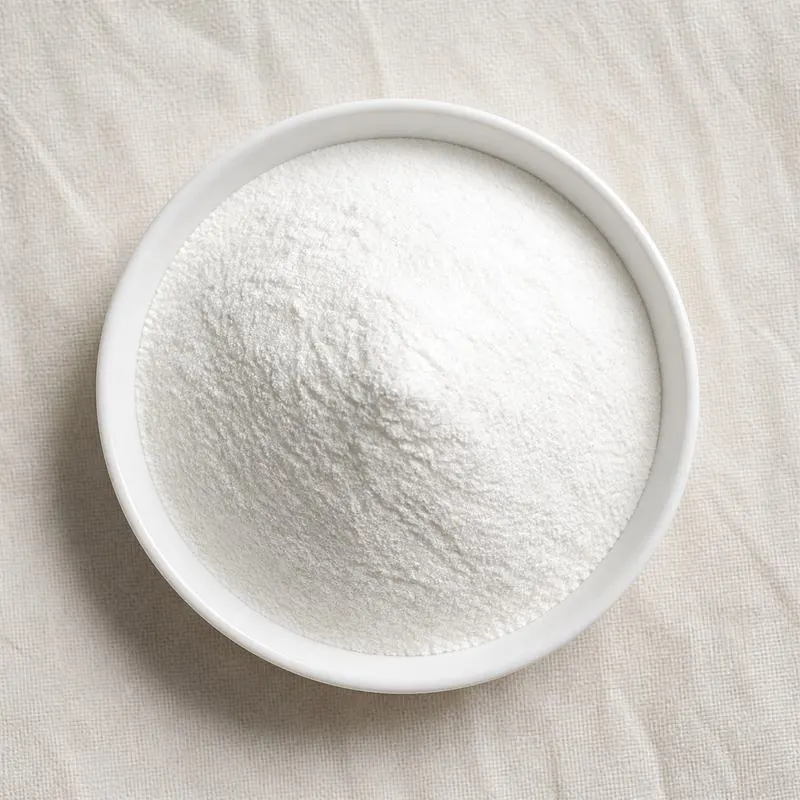
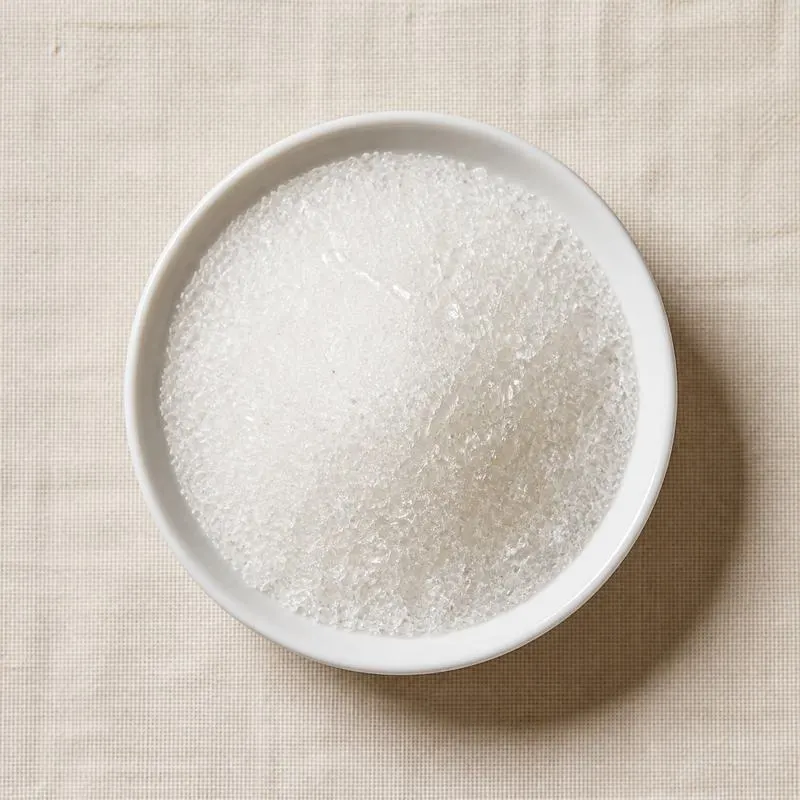
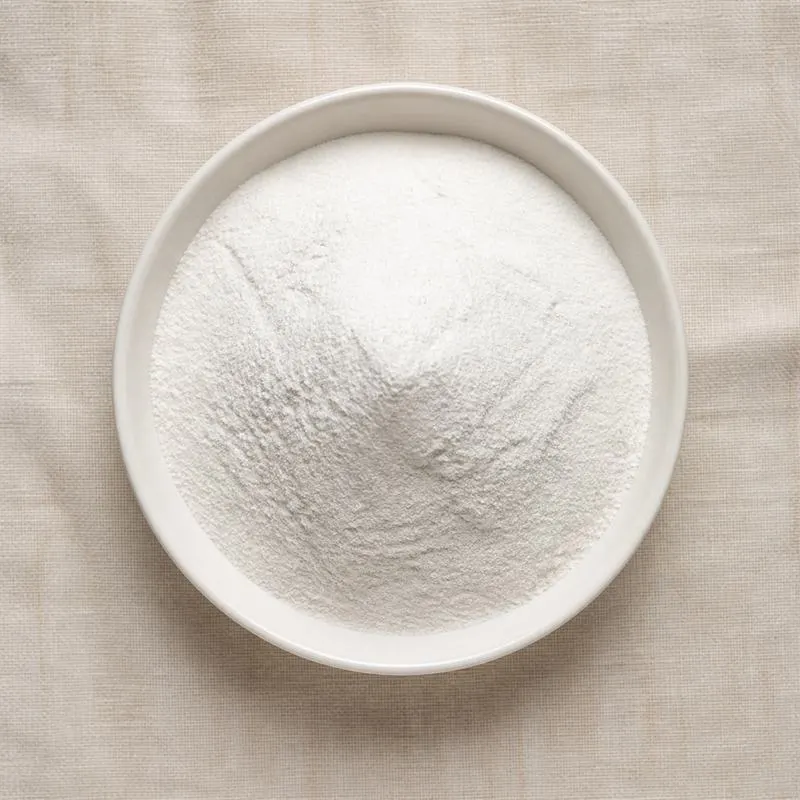
The material is a cream to light beige free flowing powder with a faint dairy fermentation odour. Potency is declared as colony forming units per gram rather than as a chemical assay, and typical concentrates run from tens of billions to several hundred billion CFU per gram before standardisation with a carrier such as maltodextrin or microcrystalline cellulose.
Viability rather than solubility decides how the powder is handled. The cells are hygroscopic and lose count on exposure to moisture, oxygen and heat, so the powder is blended cold, kept below 25 percent relative humidity during dosing, and stored refrigerated in aluminium foil laminate. It disperses in cold water but is not added to any step involving heat treatment, since pasteurisation temperatures inactivate the culture.
or call +86-21-6858 0751
- Function
- Probiotic
Specifications
| Item | Specification |
|---|---|
| Appearance | Cream to light beige free flowing powder |
| Odour | Characteristic, faintly fermented |
| Viable Count | Conforms to declared potency, typically 10 to 300 billion CFU/g |
| Identification | Strain confirmed by 16S rRNA sequencing and pulsed field gel electrophoresis |
| Loss on Drying | ≤ 5.0% |
| Water Activity | ≤ 0.20 |
| pH (10% suspension) | 4.0 to 6.5 |
| Lead | ≤ 1.0 mg/kg |
| Arsenic | ≤ 1.0 mg/kg |
| Cadmium | ≤ 0.5 mg/kg |
| Yeast and Mould | ≤ 100 CFU/g |
| Coliforms | ≤ 10 CFU/g |
| E. coli | Absent in 1 g |
| Salmonella | Absent in 25 g |
| Staphylococcus aureus | Absent in 1 g |
Common Markets Grades
The blend is traded as a standardised powder concentrate, declared at a fixed CFU per gram at time of manufacture with an overage built in to hold label claim through shelf life. Common standardisations sit at 10, 50, 100 and 300 billion CFU per gram, the lower strengths being carrier diluted versions of the same fermentation biomass.
Particle size is controlled for blend uniformity in sachets and capsules, and a coarser agglomerated version is offered where dust and segregation in high speed filling lines are a concern. Microencapsulated variants coated with a lipid or protein matrix are produced for applications with water activity or gastric survival demands, and dairy free, gluten free and non-GMO declarations are the standard documentation set.
Applications
- Capsules and tablets in adult daily immune supplements, where the freeze dried powder is blended dry with excipients and filled at controlled humidity
- Single dose stick packs and sachets, the dominant format because the foil barrier protects viability without refrigeration in trade
- Paediatric drops and chewable tablets, using the children specific strain ratios of the range
- Infant and follow on formula, added post drying into the dry blend so the culture never sees the spray drier
- Fermented and cultured dairy, dosed after heat treatment as an adjunct alongside the yoghurt starter
- Non dairy plant bases such as oat and soy drinks, where the strains are added as a probiotic claim carrier rather than as the acidifying culture
- Nutritional powders and meal replacement blends, where the low moisture matrix suits long term culture survival
- Gummies and pressed confectionery, where a microencapsulated grade is used to survive the water activity of the finished piece
Regulatory Status
In the United States the individual strains in the range are marketed on self affirmed or notified GRAS conclusions for use in conventional foods, and as dietary ingredients under the dietary supplement framework. Live cultures used in food must meet the general food additive and GRAS provisions, and any immune or digestive statement is a structure and function claim held to the labelling rules for supplements rather than an approved health claim.
In the European Union live probiotic cultures are regulated as foods or food ingredients rather than as additives, so no E number applies. Strains with a documented history of use appear on the EFSA qualified presumption of safety list at species level, and most member states restrict the term probiotic on labels because health claims for these cultures have not been authorised under the nutrition and health claims framework. Codex has no strain specific standard, but the FAO and WHO joint guidelines on the evaluation of probiotics in food set the accepted framework for strain identification, viability declaration and labelling.
Manufacturing Process
Each strain is produced separately by submerged batch fermentation. A working seed vial is expanded through flask and seed fermenter stages into a production fermenter charged with a growth medium of a fermentable carbohydrate, a nitrogen source such as yeast extract or a dairy free peptone, and mineral salts. The vessel is held anaerobic or microaerophilic at the strain specific temperature, and pH is held near neutral by automatic alkali addition to prevent the culture from arresting itself with the lactic acid it produces.
At the end of the growth phase the broth is concentrated by continuous centrifugation or membrane filtration to a cell cream, then blended with cryoprotectants, typically sucrose, trehalose and a protein or hydrocolloid. The cream is frozen into pellets or on trays and lyophilised under vacuum until residual moisture falls to the low single figures. The dried cake is milled, assayed for viable count, and blended with carrier and with the other strains of the formula to hit the declared potency, then packed under nitrogen in foil laminate.