Howaru Shape Probiotics
HOWARU Shape is a single strain probiotic ingredient built on Bifidobacterium animalis subsp. lactis B420, sold as a freeze dried powder concentrate and positioned for body composition and metabolic health formulations. Unlike the multi strain blends in the same family, it is defined by one characterised organism, so the specification carries a single viable count and a single strain identification.
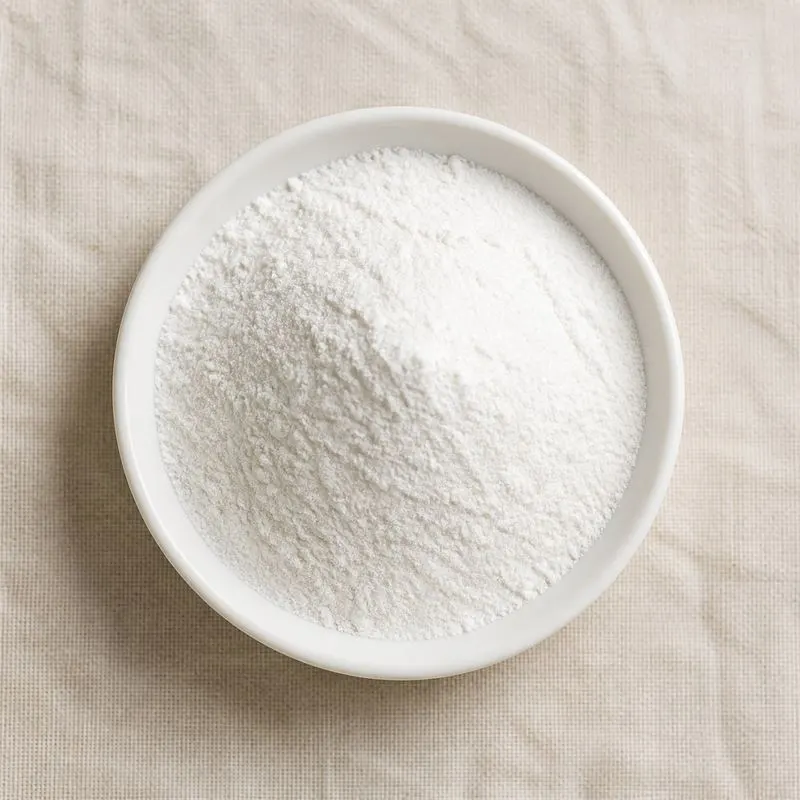
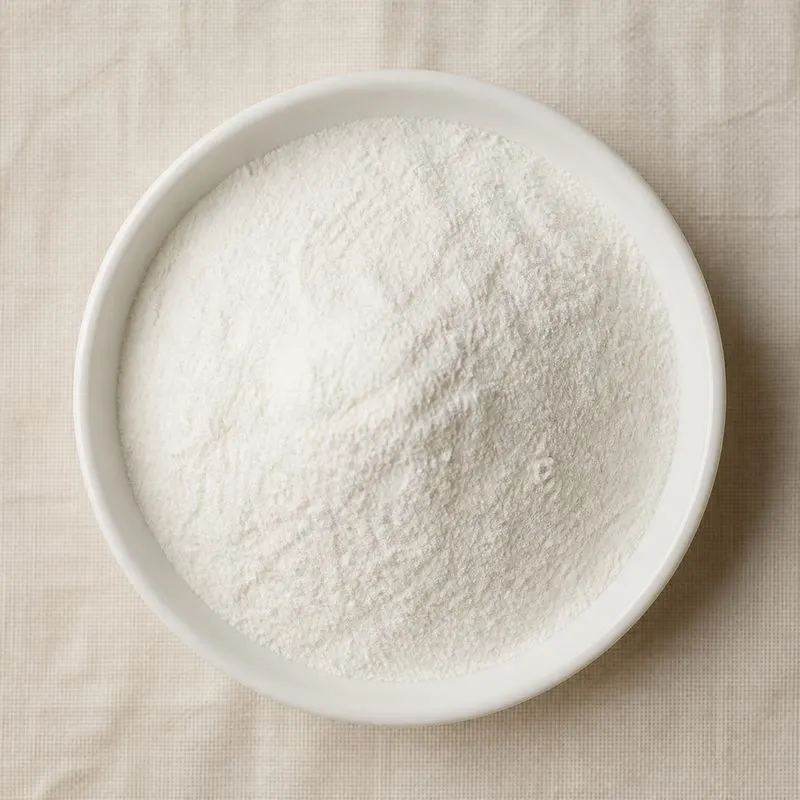
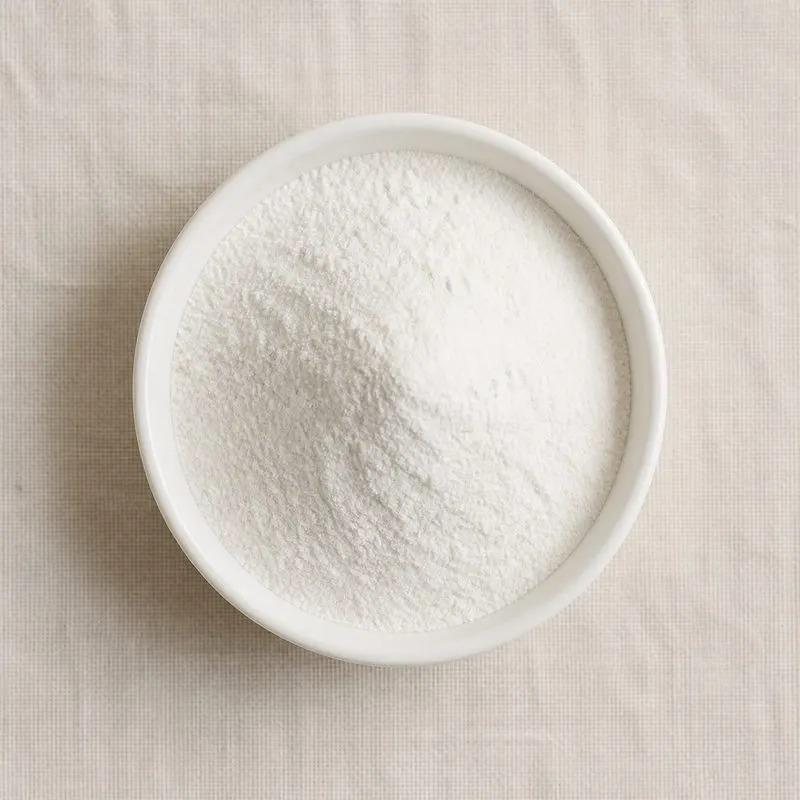
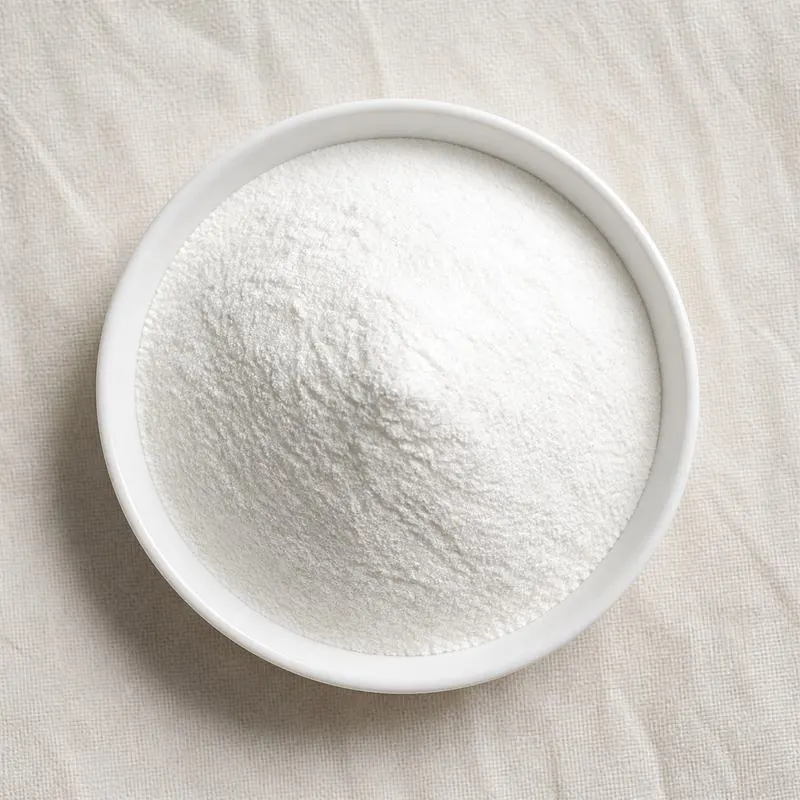
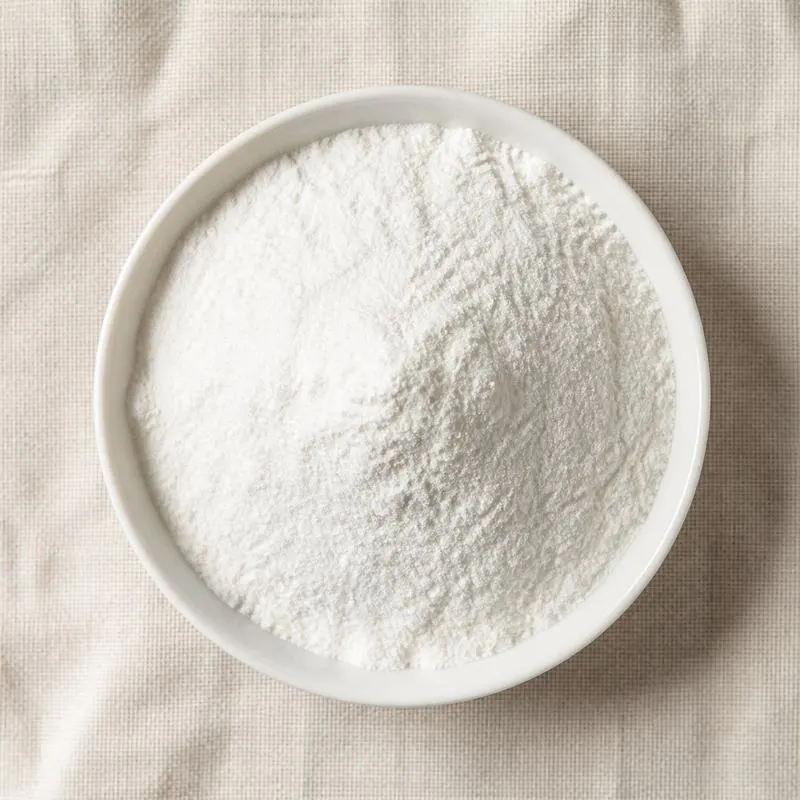
The powder is cream to light beige and free flowing, with the faint fermented odour typical of lyophilised bifidobacteria. Potency is stated as colony forming units per gram rather than as a percentage assay, and a fermentation concentrate is diluted with maltodextrin or microcrystalline cellulose to whatever strength the finished dose form requires.
Because the organism is a strict anaerobe, oxygen exposure matters as much as moisture and heat in determining how much of the count survives to the end of shelf life. The powder is handled in a dry room, packed under nitrogen in aluminium foil laminate and held refrigerated. It disperses in cold water but is added only after any thermal step, since pasteurisation destroys the culture.
or call +86-21-6858 0751
- Function
- Probiotic
Specifications
| Item | Specification |
|---|---|
| Appearance | Cream to light beige free flowing powder |
| Odour | Characteristic, faintly fermented |
| Viable Count | Conforms to declared potency, typically 10 to 300 billion CFU/g |
| Identification | Bifidobacterium animalis subsp. lactis confirmed by 16S rRNA sequencing |
| Strain Confirmation | Pulsed field gel electrophoresis against reference pattern |
| Loss on Drying | ≤ 5.0% |
| Water Activity | ≤ 0.20 |
| pH (10% suspension) | 4.0 to 6.5 |
| Lead | ≤ 1.0 mg/kg |
| Arsenic | ≤ 1.0 mg/kg |
| Yeast and Mould | ≤ 100 CFU/g |
| Coliforms | ≤ 10 CFU/g |
| E. coli | Absent in 1 g |
| Salmonella | Absent in 25 g |
Common Markets Grades
The ingredient is traded as a standardised freeze dried powder declared at a fixed CFU per gram at time of manufacture, with a built in overage so the label claim still holds at the end of the stated shelf life. Strengths of roughly 10, 50, 100 and 300 billion CFU per gram are the common trade points, all derived from the same fermentation biomass and differing only in the amount of carrier blended in.
Particle size is controlled so the powder blends uniformly with excipients and does not segregate during capsule or sachet filling, and an agglomerated version is offered where dusting on high speed lines is a problem. A microencapsulated grade with a lipid or protein coating is produced for matrices that carry meaningful water activity or where gastric passage forms part of the specification. Non-GMO, gluten free, kosher and halal documentation is standard.
Applications
- Weight management capsules and tablets, where the strain is the live component blended dry with fibre and excipients
- Single dose stick packs and sachets, which protect viability behind an individual foil barrier without needing a cold chain in trade
- Combination products with dietary fibres such as polydextrose or inulin, blended dry immediately before filling
- Fermented dairy and drinking yoghurt, dosed after heat treatment as an adjunct to the acidifying starter culture
- Plant based drinks on oat, soy or almond bases, carrying the live culture declaration rather than performing the fermentation
- Meal replacement and nutritional powders, whose low water activity suits long term survival of the dried cells
- Chewable tablets, using a coated grade to survive compression forces and contact with saliva
- Clinical and medical nutrition formats where a single characterised strain simplifies the substantiation dossier
Regulatory Status
In the United States Bifidobacterium animalis subsp. lactis is used in conventional foods on a GRAS basis and is marketed as a dietary ingredient under the dietary supplement framework. Statements relating to body composition are structure and function claims governed by supplement labelling rules rather than authorised health claims, and the regulatory content of the label is the strain identity and the declared viable count.
In the European Union the culture is a food ingredient rather than an additive, so it carries no E number. The species holds qualified presumption of safety status at species level in the EFSA framework, while the word probiotic itself remains restricted on labels in most member states because no health claim for these cultures carries authorisation under the nutrition and health claims regulation. The joint FAO and WHO guidelines on probiotics in food set the internationally accepted requirements for strain identification, viability declaration and labelling, and Codex has no strain specific standard for the ingredient.
Manufacturing Process
The strain is produced by submerged anaerobic batch fermentation. A working seed vial is expanded through flask and seed fermenter stages into a production vessel charged with a fermentable carbohydrate, a nitrogen source such as yeast extract or a dairy free peptone, mineral salts and a reducing agent to hold the redox potential low. The headspace is blanketed with carbon dioxide or nitrogen throughout, and pH is held near neutral by automatic alkali addition so the culture is not arrested by the lactic and acetic acid it generates.
Once growth reaches the target cell density the broth is concentrated by continuous centrifugation or membrane filtration into a cell cream, which is blended with cryoprotectants, typically sucrose, trehalose and a protein or hydrocolloid, to protect the membranes during freezing. The cream is pelletised in liquid nitrogen or frozen on trays and lyophilised until residual moisture falls to the low single figures. The dried cake is milled, assayed for viable count, blended with carrier to the declared potency and packed under nitrogen.