Iron Glycinate
Iron glycinate is the trade name for the family of iron amino acid chelates in which iron is coordinated by glycine, the simplest amino acid. The name covers more than one article: the two to one ferrous bisglycinate that is the best characterised member, one to one glycinate complexes, and buffered products in which chelate is combined with an inorganic iron source. Because the name alone does not fix the composition, the iron content and the ligand to metal ratio on the certificate are what identify what has actually been shipped.
Coordination through both the carboxyl oxygen and the amino nitrogen of each glycine encloses the metal in a ring structure, which keeps it from behaving as a free ion in the gut and in the food matrix. That distinguishes the material from ferrous sulphate and ferrous fumarate, which release reactive iron that binds to phytate and polyphenols, catalyses lipid oxidation and produces the metallic taste and dark discolouration that make iron the most troublesome of the fortification minerals.
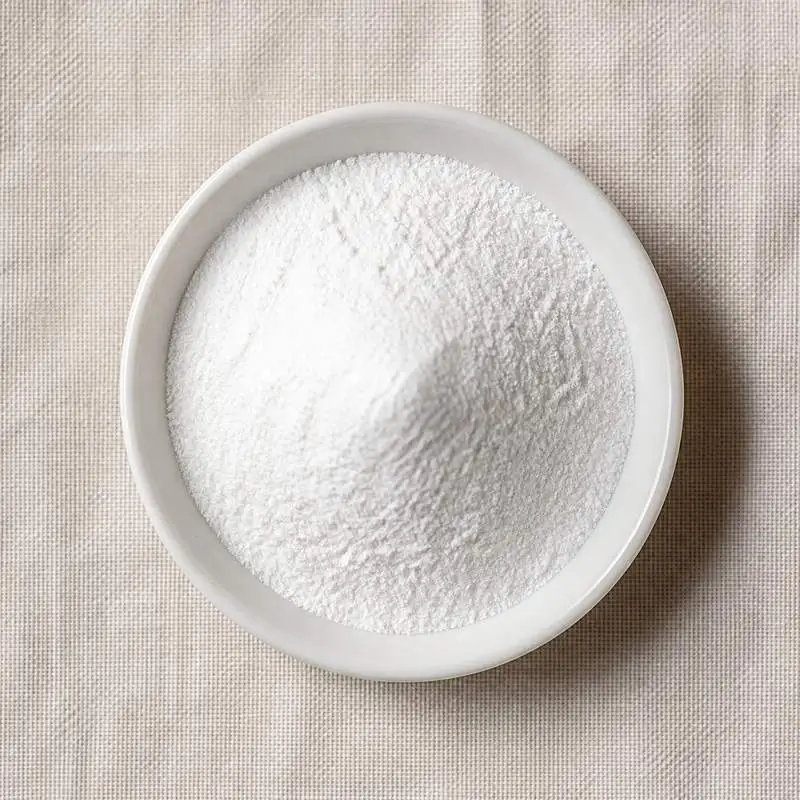
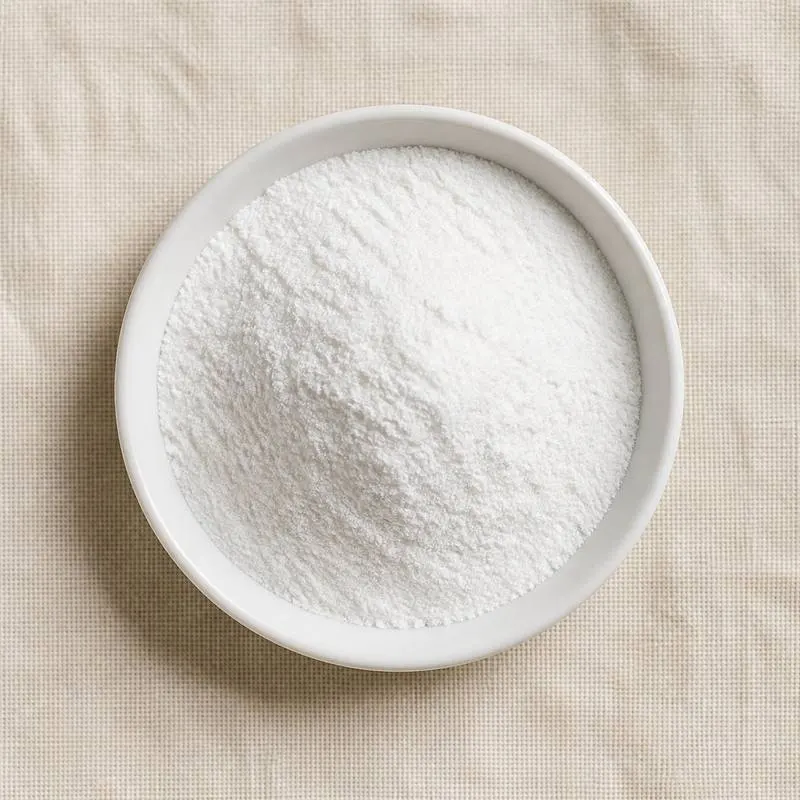
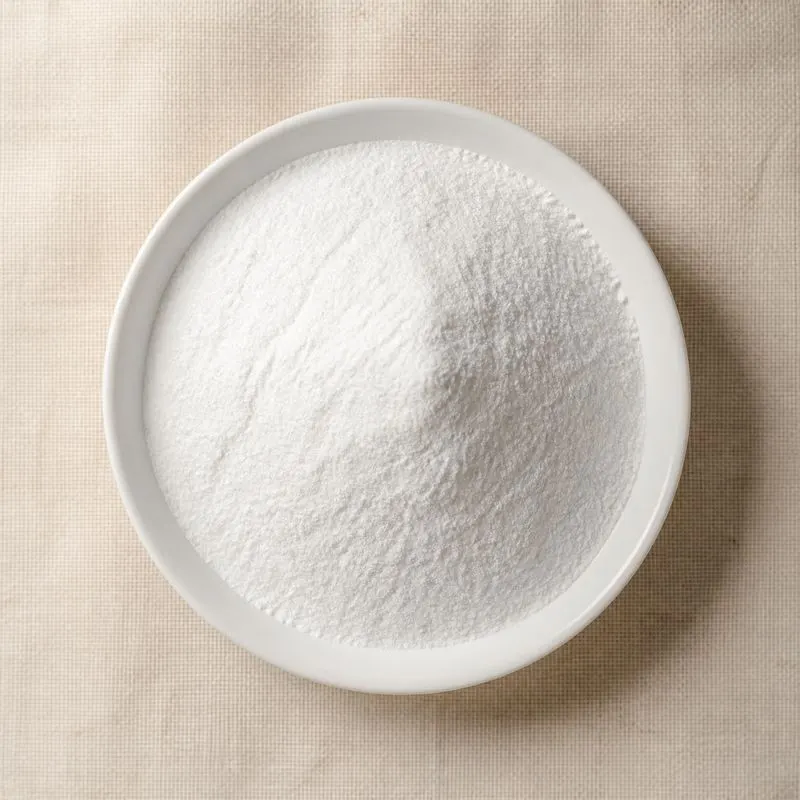
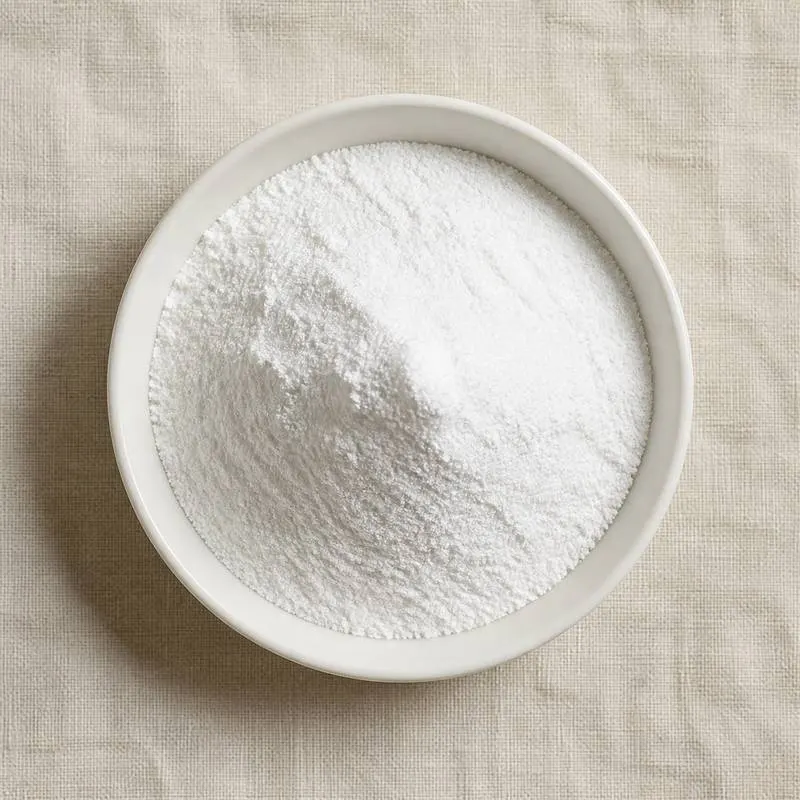
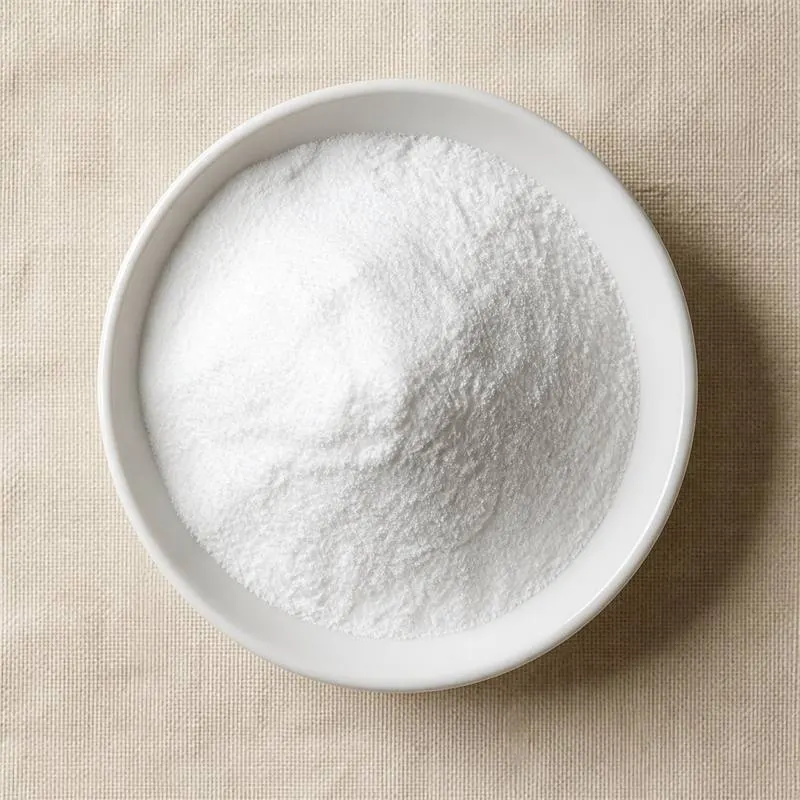
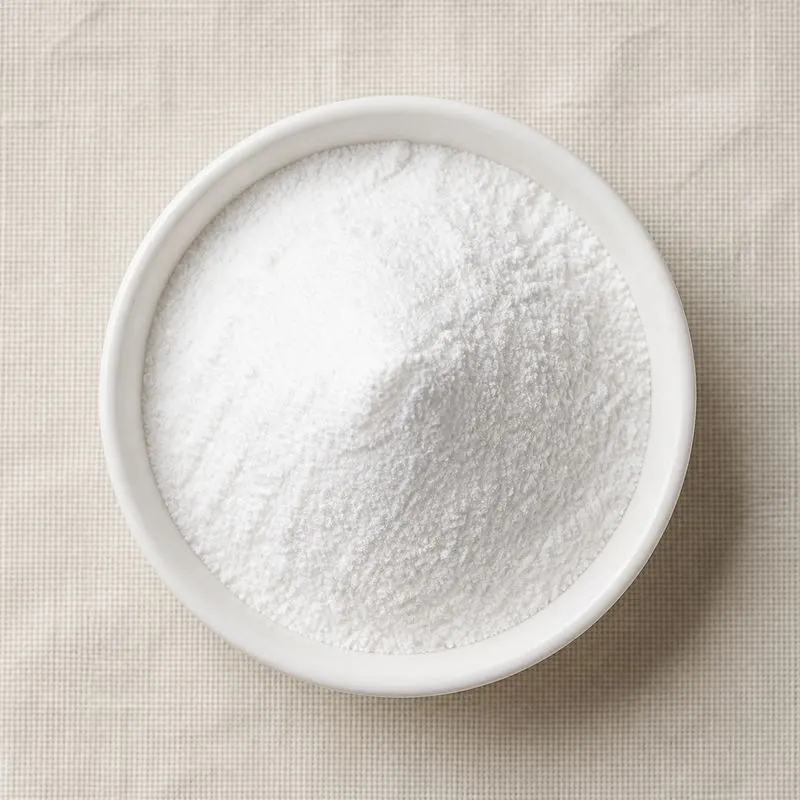
The material is a fine powder ranging from pale yellow to grey brown depending on the grade and on how much of the iron has oxidised, and it dissolves partially in water and disperses easily. Iron content sits near 20 percent for a pure two to one chelate and is declared as elemental iron. The ferrous state is the useful one and is the state that oxidises, so the powder is dried, packed and stored with attention to oxygen and moisture.
We source bulk Iron Glycinate from top China manufacturers for our partners. The manufacturer is in Shanghai. A smaller requirement can ship in a combined container with other ingredients.
Please send the grade you need, the volume and your destination port, and we will come back with a solution and a price.
or call +86-21-6858 0751
- Function
- Amino acid
Specifications
| Item | Specification |
|---|---|
| Appearance | Pale yellow to grey brown fine powder |
| Identification | Infrared spectrum confirms chelate structure; positive for iron |
| Total iron content | To declared grade, 18.0 to 21.0% for the pure chelate |
| Ferric iron, as proportion of total iron | Not more than 3.0% |
| Ligand to metal molar ratio | To declared grade, two glycine to one iron for the bisglycinate |
| Free glycine | Not more than 3.0% |
| Unreacted soluble iron | Not more than 1.0% |
| Loss on drying | Not more than 5.0% |
| pH, 5% aqueous suspension | 4.0 to 6.0 |
| Sulphate, as SO4 | Not more than 1.0% for sulphate route material |
| Lead, as Pb | Not more than 1 mg/kg |
| Arsenic, as As | Not more than 1 mg/kg |
| Total plate count | Not more than 1,000 cfu/g |
| Salmonella | Absent in 25 g |
Common Markets Grades
The important commercial distinction is between chelate and blend. A fully chelated grade is specified on iron content near 20 percent, on the ratio of glycine to iron, on residual unreacted iron salt and on infrared evidence that the coordinate bonds have formed. A buffered or blended grade is made by combining the chelate with ferrous fumarate, ferrous sulphate or an iron oxide, is sold at a higher declared iron content and at lower cost, and delivers correspondingly less of the behaviour the chelate is bought for. The ferric iron content is reported separately, since oxidation both reduces value and reintroduces the reactivity of an inorganic salt.
Physical grades follow the application. Fine powder is used in sachets and beverage powders, granulated and direct compression grades in tablets, and encapsulated grades, coated with a hydrogenated fat, a lipid matrix or a polysaccharide shell, in liquid dairy, ready to drink products and long shelf life fortified foods, where even a chelate can affect colour and flavour over time. Feed grade iron glycinate is produced for animal nutrition on the same reaction route with looser limits and is documented apart from food and supplement stock.
Applications
- Iron supplements for adults and children, where the chelate is used to reduce the nausea and constipation associated with ferrous salts
- Prenatal and maternal nutrition products, where iron requirement is high and tolerability decides compliance
- Wheat flour, maize meal and rice fortification, where the chelate resists inhibition by the phytate of the cereal matrix
- Fortified beverages and drink powders, where inorganic iron would darken the product and produce a metallic note
- Dairy, plant milks and nutritional drinks, using encapsulated grades to prevent oxidation of the lipid phase
- Infant and follow on formula, where a well absorbed and low reactivity iron source is required
- Confectionery, gummies and chewable tablets, where taste masking is the limiting design factor
- Clinical nutrition and tube feeds, where iron is delivered without altering the sensory profile
- Animal feed and premixes, where organic trace mineral forms are used to limit antagonism with other minerals
- Anaemia programmes in public health fortification, where stability through storage and cooking is a specification requirement
Brands Using Iron Glycinate
Widely-distributed consumer products that list Iron Glycinate on the ingredient label.
- Nature's WayEnergizing Iron ↗Each two-softgel serving provides 8 mg of iron as ferrous bisglycinate chelate plus vitamin B12.Label verified 2026-08-31
- Naked NutritionNaked Iron, 60 Capsules ↗A daily iron capsule formulated with ferrous bisglycinate.Label verified 2026-08-31
- CodeageTeen Athlete Multivitamin ↗This teen multivitamin supplies iron as Ferrochel ferrous bisglycinate alongside magnesium citrate and zinc picolinate.Label verified 2026-08-31
Brand names, product names and logos are the property of their owners. They appear here as published evidence that the ingredient is used, taken from the brand's own label or website. Their appearance is not an endorsement, and it does not mean the brand buys from us or from any manufacturer listed on this site.
China Manufacturers of Iron Glycinate
Top Iron Glycinate manufacturers in China.

Company names and logos are the property of the manufacturers themselves. They are listed here because our own directory records them as producing this ingredient. A listing is not an endorsement by them, and we do not represent them or speak on their behalf.
Regulatory Status
In the United States iron glycinate chelates are used as dietary ingredients in supplements under the Dietary Supplement Health and Education Act, and ferrous bisglycinate specifically has been the subject of generally recognised as safe determinations notified to the Food and Drug Administration without objection for use as an iron source in defined food categories, which is the basis on which the chelate is added to conventional fortified foods. Labelling declares elemental iron rather than the weight of the chelate, and fortification is subject to the agency's fortification policy and to the nutrient content rules. Feed use is handled through the approved feed ingredient framework and the ingredient definitions for metal amino acid chelates published by the Association of American Feed Control Officials.
In the European Union amino acid chelates are nutrient sources rather than additives, so the material has no E number. The European Food Safety Authority evaluated ferrous bisglycinate, and Annex II of Directive 2002/46/EC as amended lists it among the permitted iron sources for food supplements, while Regulation (EC) No 1925/2006 permits it among the sources for addition to foods. Those entries are specific to the named chelate, so a differently constituted iron glycinate complex is not automatically covered and must be matched to a listed source. Regulation (EU) No 609/2013 and the delegated acts made under it govern use in infant formula and food for special medical purposes, and feed use falls under Regulation (EC) No 1831/2003. Codex includes iron amino acid chelates in its advisory list of nutrient compounds.
Manufacturing Process
The reaction is carried out in water under conditions that hold iron in the ferrous state. Food grade glycine is dissolved in purified water in a jacketed reactor and an iron source is added at the molar ratio set for the grade. Ferrous sulphate heptahydrate is the common source; ferrous carbonate, ferrous chloride or finely divided reduced iron are used where a sulphate free product is wanted, in which case a small quantity of acid is needed to start the dissolution. The vessel is purged and blanketed with nitrogen, and an antioxidant such as ascorbic or citric acid is often added, because ferrous iron in warm solution oxidises rapidly to ferric iron, which will not form the same chelate and appears in the finished product as a specified impurity.
The batch is agitated at moderate temperature with pH held inside the narrow band in which chelation goes to completion, and progress is followed by testing for unreacted soluble iron and confirmed by the shift in the carboxyl and amino absorption bands in the infrared spectrum. The reaction liquor is polish filtered to take out insolubles and any undissolved iron source, then dried. Spray drying under an oxygen reduced atmosphere is the usual route and gives a uniform fine powder directly; vacuum or belt drying and milling are used where a denser particle is required. The dried powder is sieved to the target cut, then granulated, coated or blended with an additional iron source according to the grade, passed through a metal detector and packed in lined bags behind a moisture and oxygen barrier.