Jasmine Green Tea Concentrate
Jasmine Green Tea Concentrate is a liquid extract of scented green tea, produced by infusing brewed green tea with the volatiles of fresh jasmine blossom and then evaporating the infusion to a high-solids syrup.
The concentrate carries the floral top note of Jasminum sambac and the vegetal, slightly astringent body of green tea (Camellia sinensis) in a single shelf-stable liquid.
Most commercial concentrates sit at 30 to 50 degrees Brix, allowing direct dosing into ready-to-drink beverages, dairy bases, and frozen-dessert mixes without the work of brewing leaf tea on site.
We source bulk Jasmine Green Tea Concentrate from top China manufacturers for our partners. The manufacturer is in Guangdong. A smaller requirement can ship in a combined container with other ingredients.
Please send the grade you need, the volume and your destination port, and we will come back with a solution and a price.
or call +86-21-6858 0751
- Packaging
- 250 kg plastic drum or 1,000 kg IBC tote
- ISO 9001
- HACCP
- Halal
- Kosher
Specifications
| Item | Specification |
|---|---|
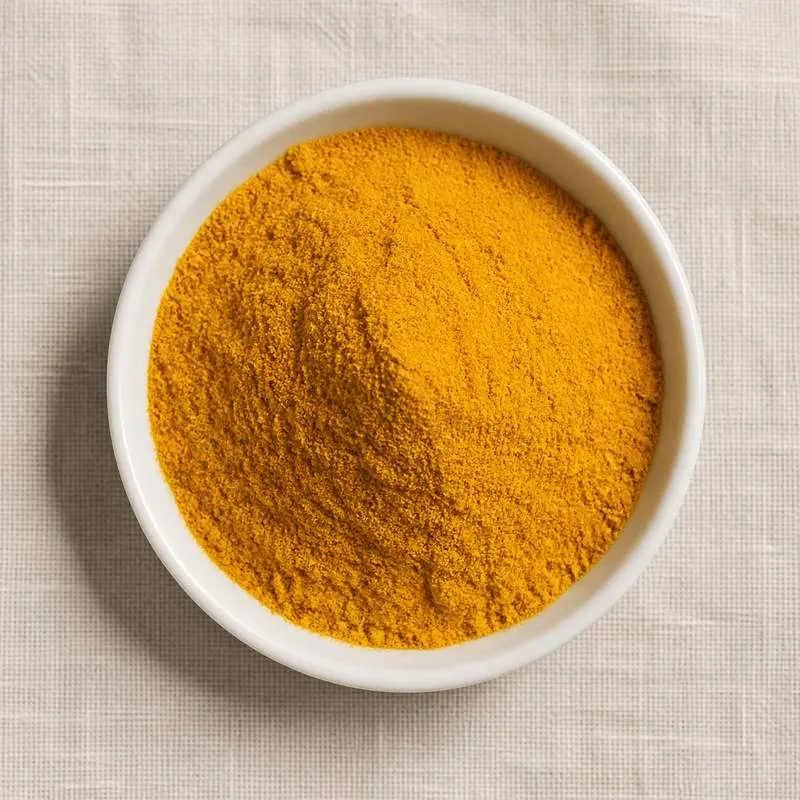
| Appearance | Brown viscous liquid, or amber free-flowing powder in the dried form |
| Odour | Floral jasmine top note over a vegetal green tea body |
| Colour | Clear brown to amber, free from sediment and foreign matter |
| Soluble Solids (20 °C) | 30 – 50 °Brix |
| Tea Polyphenols | ≥ 3.0% (liquid) / ≥ 20.0% (powder) |
| Total Catechins | 4.0% – 8.0% on solids |
| Caffeine | 1.0% – 3.0% on solids; ≤ 0.1% on solids for decaffeinated grade |
| pH (20 °C) | 4.5 – 6.5 |
| Moisture (powder grade) | ≤ 6.0% |
| Heavy Metals (as Pb) | ≤ 10 mg/kg |
| Lead | ≤ 1.0 mg/kg |
| Total Plate Count | ≤ 10,000 cfu/g |
| Yeast and Mould | ≤ 100 cfu/g |
| Escherichia coli | Negative/25g |
| Salmonella | Negative/25g |
Common Markets Grades
Concentrate grades differ by soluble solids, polyphenol content, and the scenting method used.
30 Brix grade is the most common format for ready-to-drink iced teas and bottled jasmine tea beverages. It pours easily and disperses fast.
50 Brix grade is preferred where freight cost or freeze stability matter, including export shipments and frozen-dessert manufacturing. It requires gentle warming before dosing.
Polyphenol-standardised grades declare total catechins at 4 to 8 percent of solids, with EGCG often specified separately for functional-beverage positioning.
Scenting method is the second point of difference. Traditional grades use fresh jasmine blossom layered with the tea base over multiple nights, yielding a rounded floral character with no added aroma. Aromatized grades use natural jasmine flavour added to a green tea concentrate base and deliver a brighter, more linear floral note at lower cost.
Decaffeinated grades exist for evening-positioned products and typically run below 0.1 percent caffeine on solids.
Applications
- Ready-to-drink bottled and canned jasmine green tea beverages
- Sweetened and unsweetened iced tea blends for foodservice dispensers
- Tea-based sparkling waters and lightly carbonated tea sodas
- Bubble tea bases and shop-grade jasmine milk tea concentrates
- Yogurt drinks, cultured-milk beverages, and tea-flavoured kefirs
- Ice cream, sorbet, and frozen yogurt with a jasmine green tea profile
- Jellies, puddings, and panna cotta-style chilled desserts
- Bakery fillings, cream patisserie, and macaron ganache
- Confectionery including hard candy, soft caramels, and chocolate ganache centres
- Cocktail and mocktail syrups for craft beverage programs
- Functional shots and powder-stick beverages where reconstitution speed matters
- Cosmetic toners and facial mists positioned on green tea catechins
Brands Using Jasmine Green Tea Concentrate
Widely-distributed consumer products that list Jasmine Green Tea Concentrate on the ingredient label.
- Ito EnJasmine Green Tea (Unsweetened, 16.9 fl oz) ↗Ito En Jasmine Green is a ready-to-drink bottled tea brewed from whole green tea leaves scented with hand-picked jasmine blossoms.Label verified 2026-05-24
- BigelowJasmine Green Tea Bags ↗Bigelow's official Jasmine Green Tea bags blend green tea with jasmine scenting for a consumer ready-to-brew jasmine green tea, the dry-form counterpart that a jasmine green tea concentrate enables in beverage manufacturing.Label verified 2026-05-24
- The Republic of TeaOrganic Jasmine Green Tea ↗The Republic of Tea Organic Jasmine Green Tea combines spring-harvested organic green tea shoots with hand-harvested fresh jasmine buds.Label verified 2026-05-24
- BossenJasmine Green Tea Concentrate / Leaves (foodservice & bubble tea) ↗Bossen sells its jasmine green tea line, loose leaf grades B3 and Premium A2 plus concentrates, to bubble tea cafes and beverage operators.Label verified 2026-05-24
Brand names, product names and logos are the property of their owners. They appear here as published evidence that the ingredient is used, taken from the brand's own label or website. Their appearance is not an endorsement, and it does not mean the brand buys from us or from any manufacturer listed on this site.
China Manufacturers of Jasmine Green Tea Concentrate
Top Jasmine Green Tea Concentrate manufacturers in China.
Company names and logos are the property of the manufacturers themselves. They are listed here because our own directory records them as producing this ingredient. A listing is not an endorsement by them, and we do not represent them or speak on their behalf.
How We Help Source Jasmine Green Tea Concentrate
Direct Factory Sourcing
We run the whole process: selecting the manufacturer from the top Chinese food ingredient producers, negotiating the price, verifying quality, and coordinating the logistics. You deal with us instead of with several factories at once.
Original Packaging and Documents from the Manufacturer
The manufacturer sends your Jasmine Green Tea Concentrate out of its own factory in the original packing, through to your destination port. The COA, COO, MSDS, TDS and any certifications reach you from the manufacturer as well.
Free Samples and Lead Time
We send 100 to 500 g free for your own laboratory to test and you cover only the courier, usually within 2 to 3 working days. ETD is usually within 7 to 15 days once the order is confirmed, and we check that date against the factory's own manufacturing schedule before we give it to you.
Combined Shipment
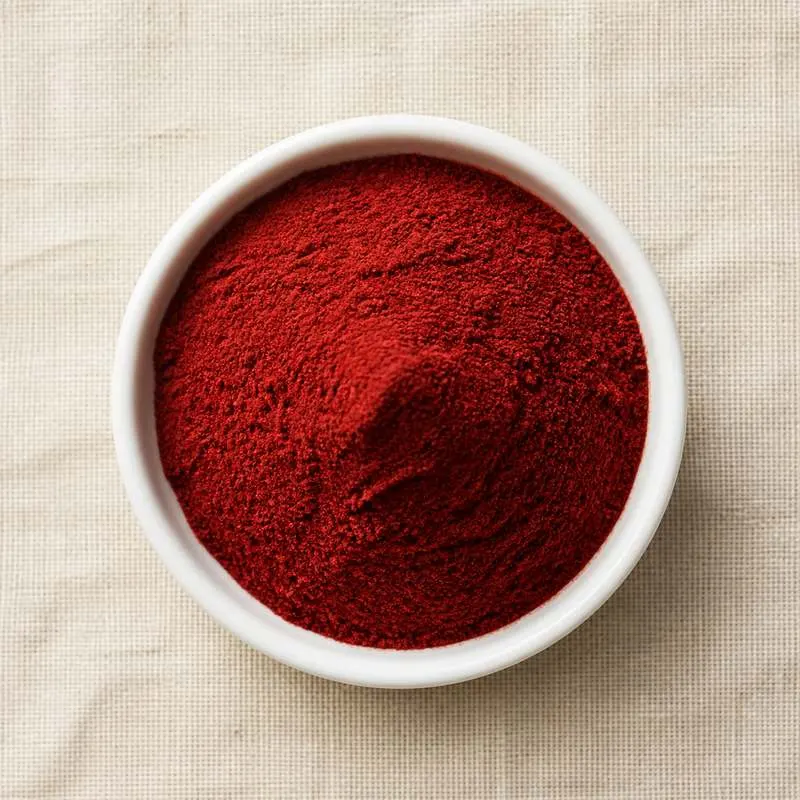
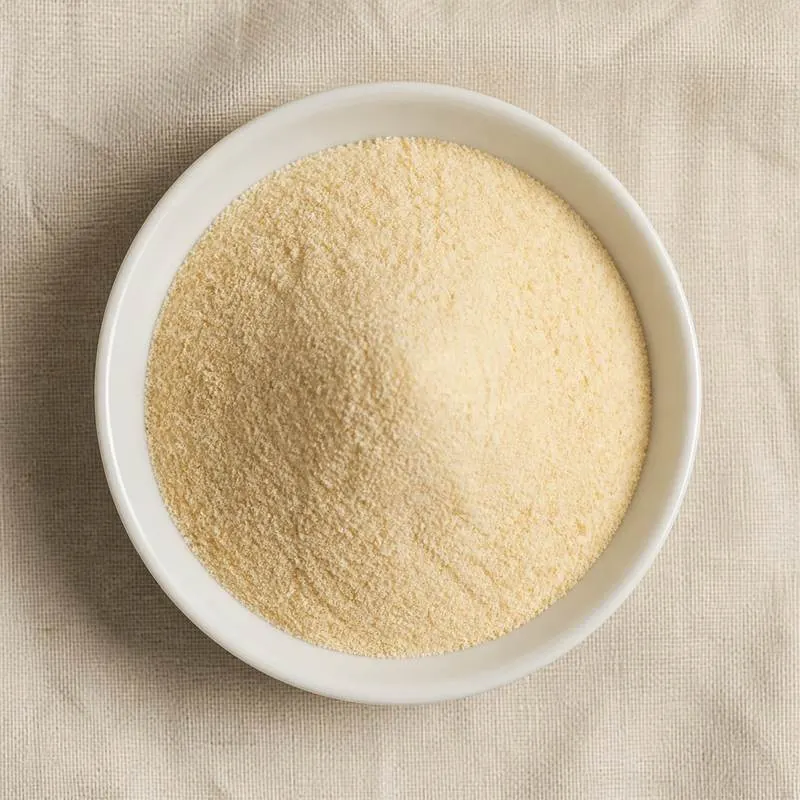
We can load Jasmine Green Tea Concentrate together with other ingredients such as Astaxanthin, Dehydrated Garlic and Lutein into one 20' FCL. If your quantity is small, we can also ship LCL.
Regulatory Status
Jasmine Green Tea Concentrate is regulated as a food ingredient and a flavour preparation, not as a food additive. No E number applies.
In the European Union general food law governs the concentrate, and Regulation (EC) No 1334/2008 on flavourings applies to the extent that jasmine flavour is added. Camellia sinensis leaf has a long history of use and is not subject to novel food authorisation.
In the United States both green tea and jasmine flower are recognised as GRAS for their intended use. The FDA includes jasmine absolute on the list of natural substances and extractives generally recognized as safe under 21 CFR 182.20.
JECFA has not set a specification for the concentrate itself. Caffeine content is the main parameter relevant to dietary intake regulation, and decaffeinated grades exist for jurisdictions or product positionings that require low-caffeine declaration.
Halal and Kosher certifications are routinely available, and organic concentrates can be offered where the tea garden and the jasmine farm are both certified.
Manufacturing Process
The base tea is brewed in stainless-steel vessels at 70 to 85 degrees Celsius using deionized water, with leaf-to-water ratios chosen to deliver the target dry-matter and polyphenol load.
The infusion is filtered through depth filters to remove leaf fines and then cooled rapidly to limit catechin oxidation.
Scenting is the defining production step. In the traditional method, freshly opened jasmine flowers harvested at dusk are layered with low-moisture green tea or with a partially concentrated tea liquid. Volatile esters and linalool migrate from the blossom into the tea over several hours, then the spent flowers are screened off. Premium grades repeat the cycle three to seven times across consecutive nights.
The scented liquid is concentrated under vacuum at low temperature, typically below 50 degrees Celsius, to preserve the heat-sensitive jasmine aroma and to limit degradation of catechins.
Aroma recovery condensers are used on the evaporator headspace, and the recovered distillate is dosed back into the finished concentrate to restore top notes lost during evaporation.
The finished syrup is pasteurised, filled aseptically into food-grade drums or IBC totes, and shipped under refrigeration or as a frozen block depending on the customer's logistics.