L-Arginine-L-Aspartate
L-arginine L-aspartate is the equimolar salt of the basic amino acid L-arginine with the acidic amino acid L-aspartic acid. The strongly basic guanidinium group of arginine pairs with the free carboxyl of aspartic acid, giving a crystalline salt that is close to neutral in solution and much easier to formulate than either component on its own.
The salt exists for practical reasons. L-arginine base gives an alkaline solution near pH 11, which is aggressive in a beverage and unpleasant to taste, while L-aspartic acid is poorly soluble in water. Combining them cancels both problems: the salt dissolves freely, buffers itself near neutrality and carries a milder taste than arginine hydrochloride, which contributes chloride and a salty note. Roughly 57 percent of the weight is arginine and 43 percent aspartic acid, so dosing on the arginine basis requires the conversion to be made.
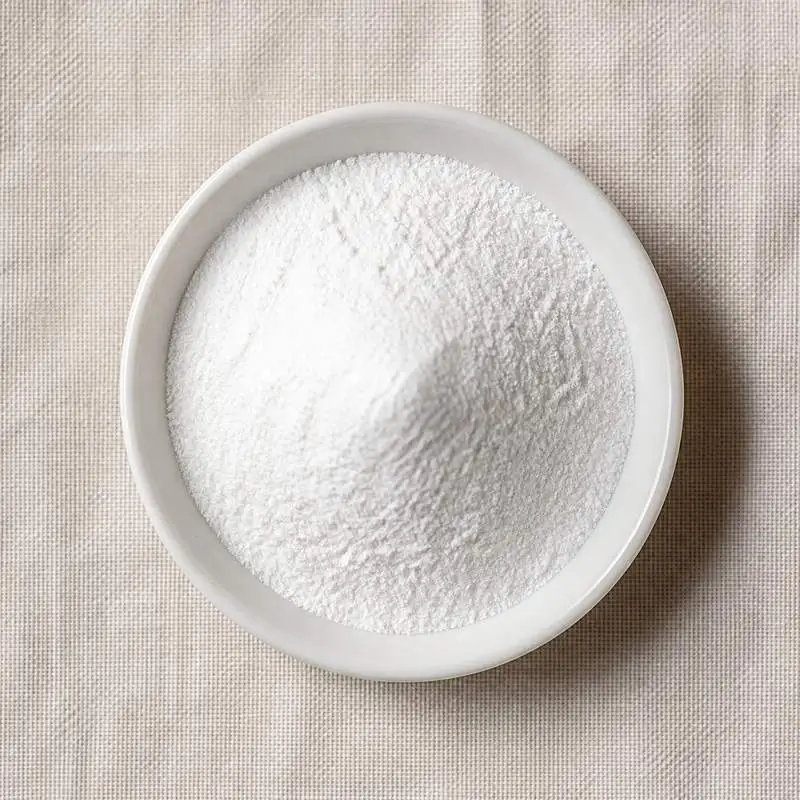
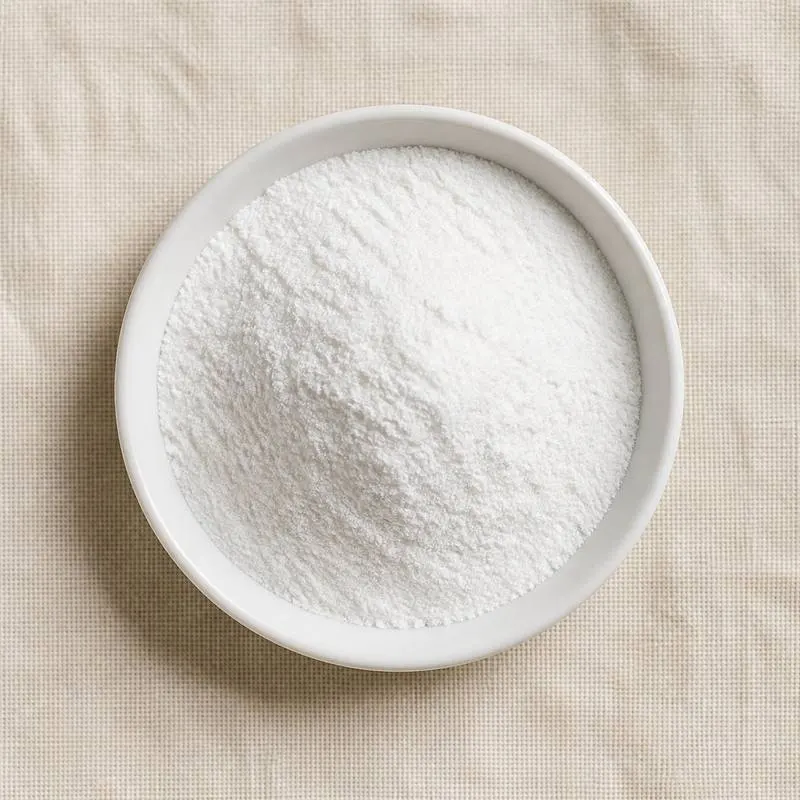
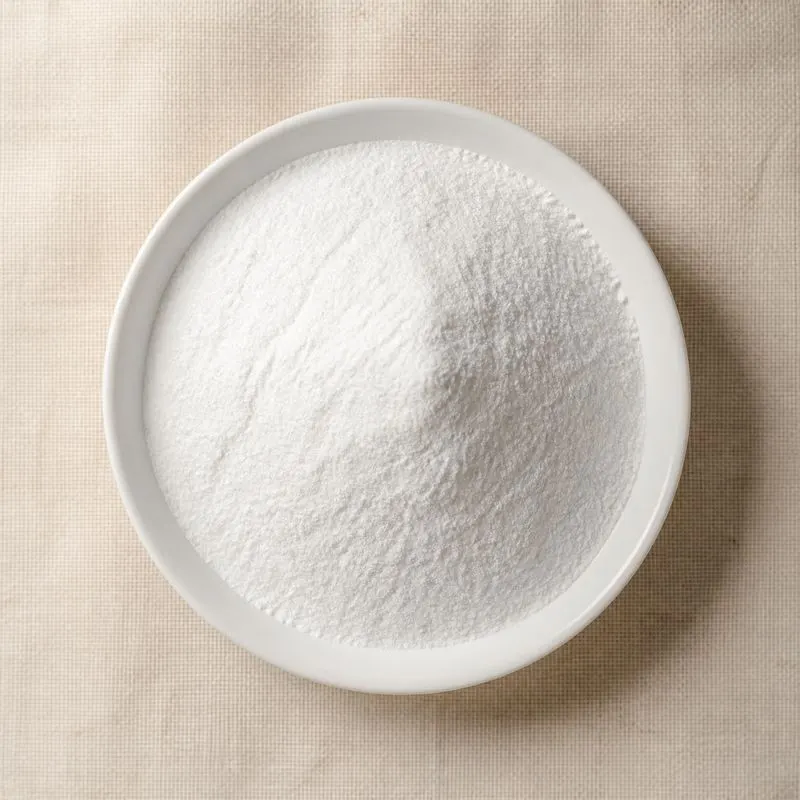
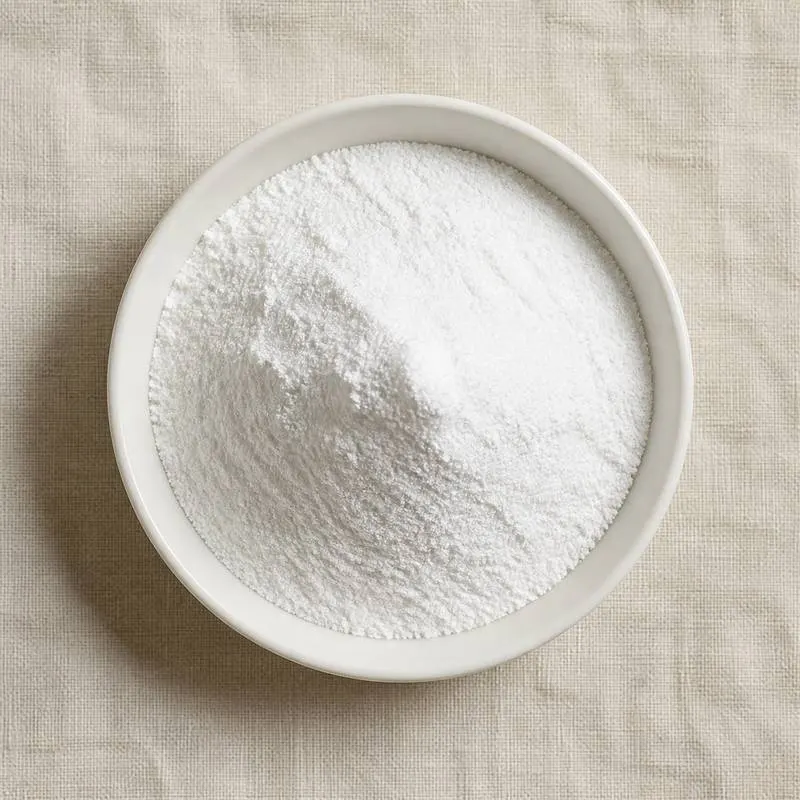
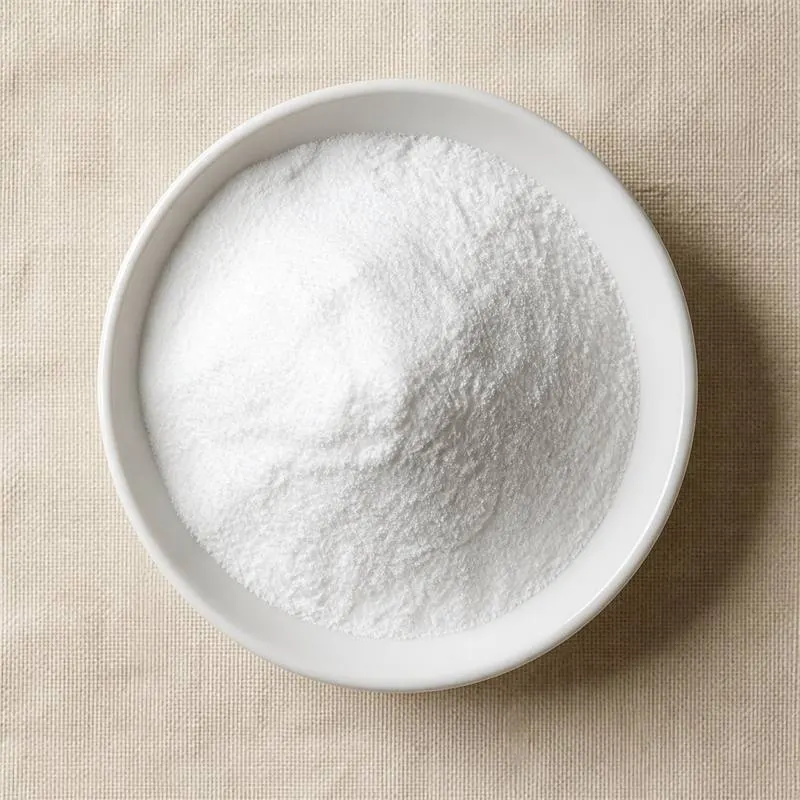
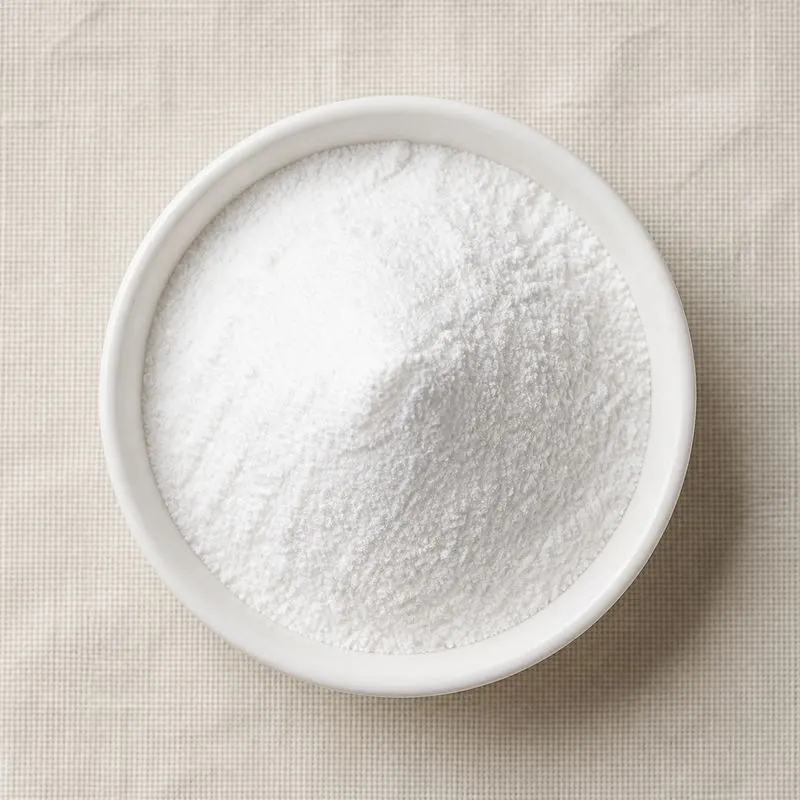
Both components are metabolically active. Arginine is the substrate for nitric oxide synthase and a urea cycle intermediate, and aspartic acid is a urea cycle intermediate in its own right and feeds the citric acid cycle through oxaloacetate. The material is a white crystalline powder, odourless with a slightly bitter taste, freely soluble in water and practically insoluble in ethanol, and it is stable in dry storage though mildly hygroscopic.
We source bulk L-Arginine-L-Aspartate from top China manufacturers for our partners. The manufacturers are in Hebei and Zhejiang. A smaller requirement can ship in a combined container with other ingredients.
Please send the grade you need, the volume and your destination port, and we will come back with a solution and a price.
or call +86-21-6858 0751
- Function
- Amino acid
Specifications
| Item | Specification |
|---|---|
| Appearance | White crystalline powder or colourless crystals |
| Identification | Infrared spectrum conforms to reference; chromatography shows arginine and aspartic acid |
| Assay, dried basis | 98.5 to 101.5% |
| L-arginine content | 55.0 to 58.5% |
| L-aspartic acid content | 41.5 to 45.0% |
| Optical rotation | Conforms to reference standard for the L configuration |
| pH, 5% aqueous solution | 6.0 to 7.5 |
| Loss on drying | Not more than 0.5% |
| Residue on ignition | Not more than 0.1% |
| Other amino acids | Not detected by thin layer chromatography |
| Arsenic, as As | Not more than 1 mg/kg |
| Lead, as Pb | Not more than 1 mg/kg |
| Total plate count | Not more than 1,000 cfu/g |
| Salmonella | Absent in 25 g |
Common Markets Grades
The salt is traded to a single principal specification, at 98.5 to 101.5 percent assay on the dried basis, with the arginine and aspartate contents each declared so that the one to one ratio can be confirmed. Pharmaceutical grade is produced against pharmacopoeia requirements with tighter limits on related amino acids, ammonium and heavy metals, and supplies the injectable and oral solution products in which the salt is used in several markets; supplement grade follows the Food Chemicals Codex style monograph.
Physical variants are fine crystalline powder for sachets, ampoules and drink mixes where dissolution speed matters, and granulated or direct compression grades for tablets. The related articles traded alongside it are L-arginine base, L-arginine hydrochloride, L-arginine alpha-ketoglutarate and L-ornithine L-aspartate, none of which is interchangeable with it, since each carries a different proportion of active amino acid and a different solution pH. Both component amino acids are normally of fermentation origin, and vegan and non genetically modified declarations are made on the strain and substrate used.
Applications
- Fatigue and vitality supplements sold in ampoule, sachet and tablet form, where the salt is the long established presentation
- Pre workout and nitric oxide formulations, where the arginine fraction feeds nitric oxide synthesis and the neutral pH suits an acidified drink
- Sports drinks and recovery powders, where arginine is delivered without the alkalinity of the free base
- Men's health and circulation products built on the arginine and nitric oxide pathway
- Clinical and convalescent nutrition, where both amino acids participate in urea cycle and ammonia handling
- Effervescent and ready to drink formats, where the self buffering behaviour of the salt is an advantage
- Paediatric and geriatric tonics in markets where the salt has a history of pharmaceutical use
- Growth hormone secretagogue formulations, based on the reported effect of arginine loading
- Cell culture and fermentation media, where a soluble neutral arginine source is required
China Manufacturers of L-Arginine-L-Aspartate
Top L-Arginine-L-Aspartate manufacturers in China.
 Jing Jing Pharmaceutical Co., Ltd.14 ingredients in the directory
- Zhejiang Tianrui Chemical Co., Ltd.7 ingredients in the directory
Company names and logos are the property of the manufacturers themselves. They are listed here because our own directory records them as producing this ingredient. A listing is not an endorsement by them, and we do not represent them or speak on their behalf.
Regulatory Status
In the United States the salt is used as a dietary ingredient in food supplements under the Dietary Supplement Health and Education Act. 21 CFR 172.320 lists both component amino acids among those permitted for nutritive addition to conventional food and sets conditions on the amino acids that may be added and the proportions used; that listing is written in terms of the individual amino acids rather than of the salt. Pharmaceutical use of the salt falls under drug regulation rather than food regulation.
In the European Union the salt is not an authorised food additive and has no E number. L-arginine and L-aspartic acid count as permitted amino acid sources for food supplements under Directive 2002/46/EC as amended, and Regulation (EU) No 609/2013 and the delegated acts made under it govern use in foods for specific groups. In several member states arginine aspartate additionally has a long history as a pharmacy product, and finished medicines containing it are authorised at national level. Codex addresses amino acids in its standards and guidelines for foods for special dietary uses, and JECFA has published specifications for amino acids used as food ingredients. Where a component is made with a genetically modified production strain, documentation on the strain and on its absence from the finished amino acid forms part of the compliance file.
Manufacturing Process
Both amino acids are made separately by submerged aerobic fermentation and then combined. Glucose from hydrolysed maize or cassava starch, or clarified cane molasses, is sterilised and fed to stirred, aerated fermenters with an ammonium or urea nitrogen source. Arginine is produced by strains of Corynebacterium glutamicum or Bacillus selected and engineered to release the feedback inhibition of the arginine biosynthetic pathway, and aspartic acid is produced either by fermentation or, more commonly, by enzymatic conversion in which immobilised aspartase adds ammonia across the double bond of fumaric acid, a route that gives high conversion and a clean product.
Each amino acid is recovered from its process stream by cell removal, ion exchange capture, elution, carbon decolourisation, vacuum concentration and crystallisation, and each is assayed before it is carried forward. The two purified amino acids are then dissolved together in purified water in a jacketed reactor at an equimolar ratio, heated with agitation until the salt forms and the pH stabilises near neutrality, and the solution is polish filtered. Crystallisation is by cooling, sometimes assisted by the addition of ethanol to reduce solubility, and the crystals are separated in a centrifuge, washed, and dried in a fluid bed or under vacuum. The dried salt is milled or granulated to the target cut, sieved, checked by metal detection and packed with a moisture barrier.