L-Lysine HCL
L-Lysine HCl is the hydrochloride salt of L-lysine, one of the nine amino acids that mammals cannot synthesise and must obtain from the diet. The salt form is used in preference to the free base because it is far less hygroscopic, easier to handle in dry blending, and stable in storage. Commercial material is normally declared as 98.5 percent minimum L-lysine monohydrochloride, equivalent to about 78 percent lysine on a free base basis.
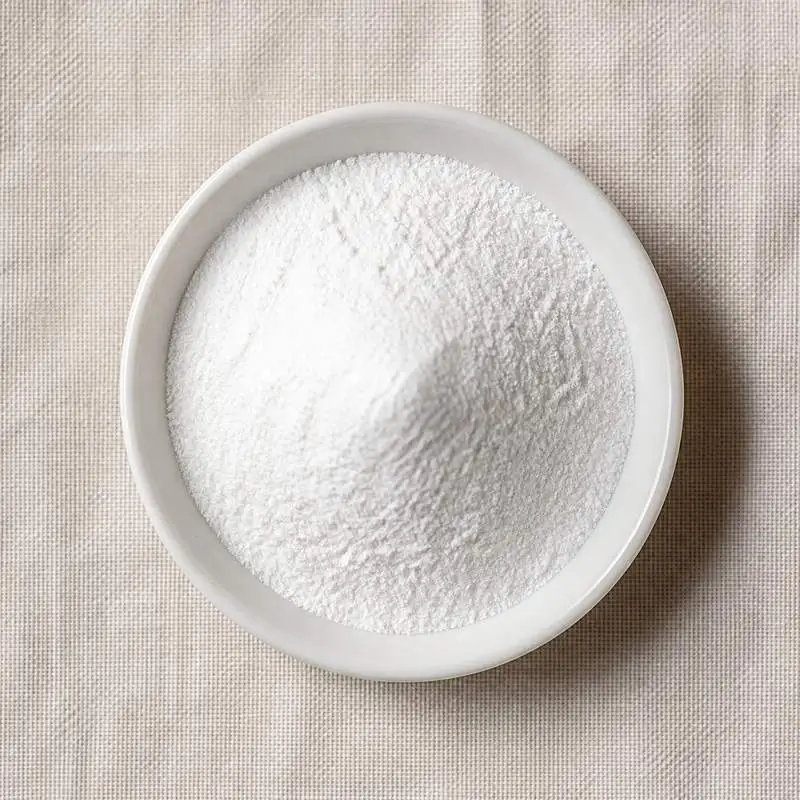
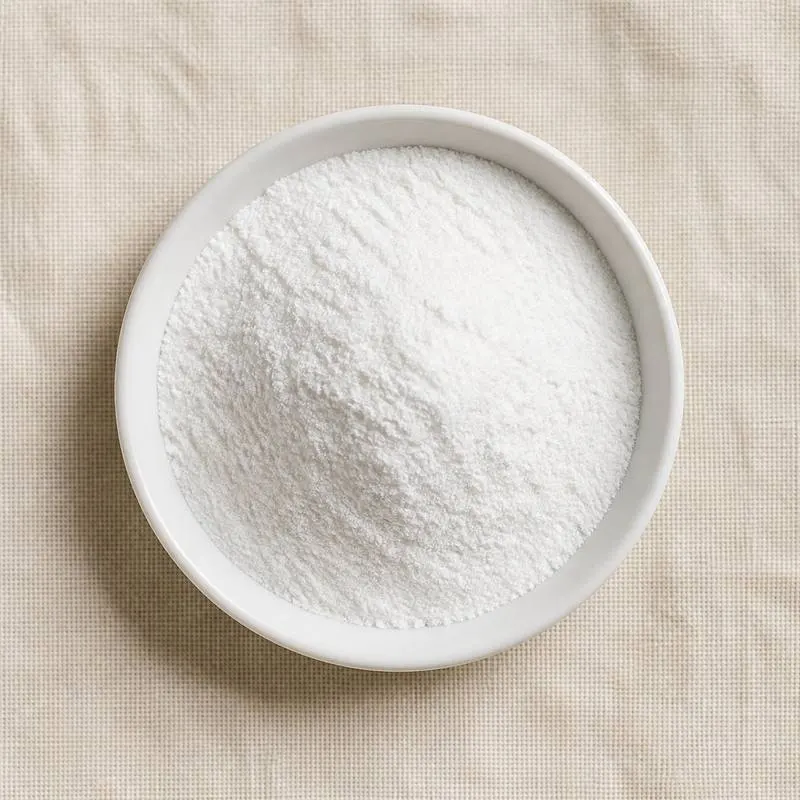
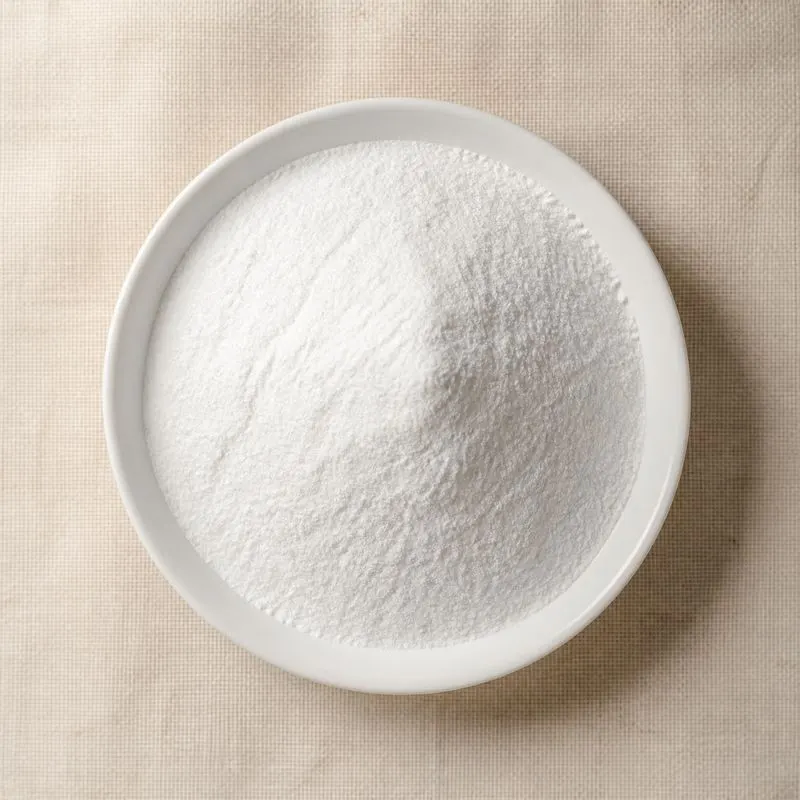
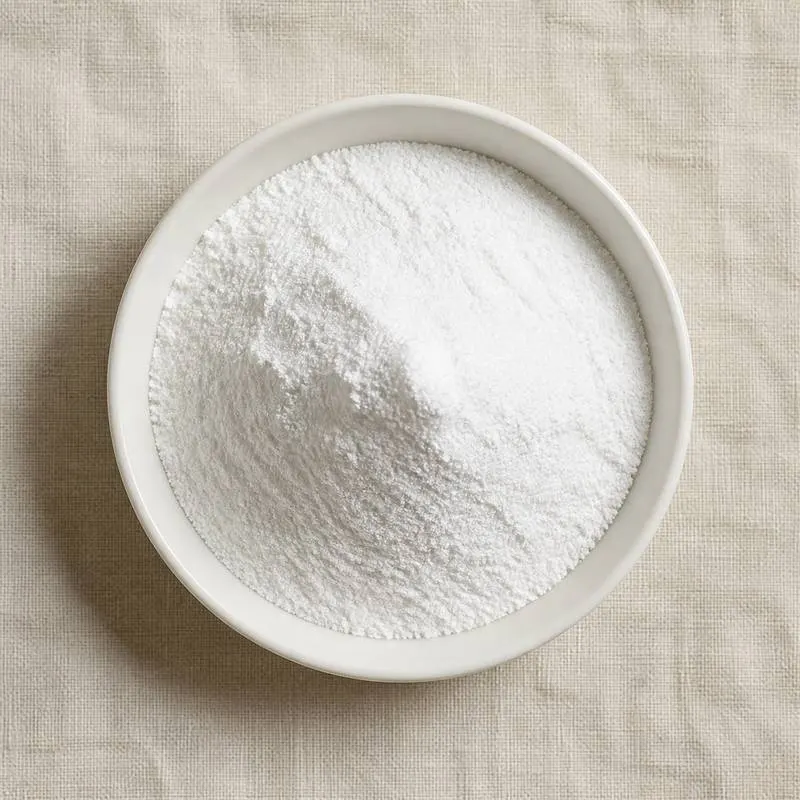
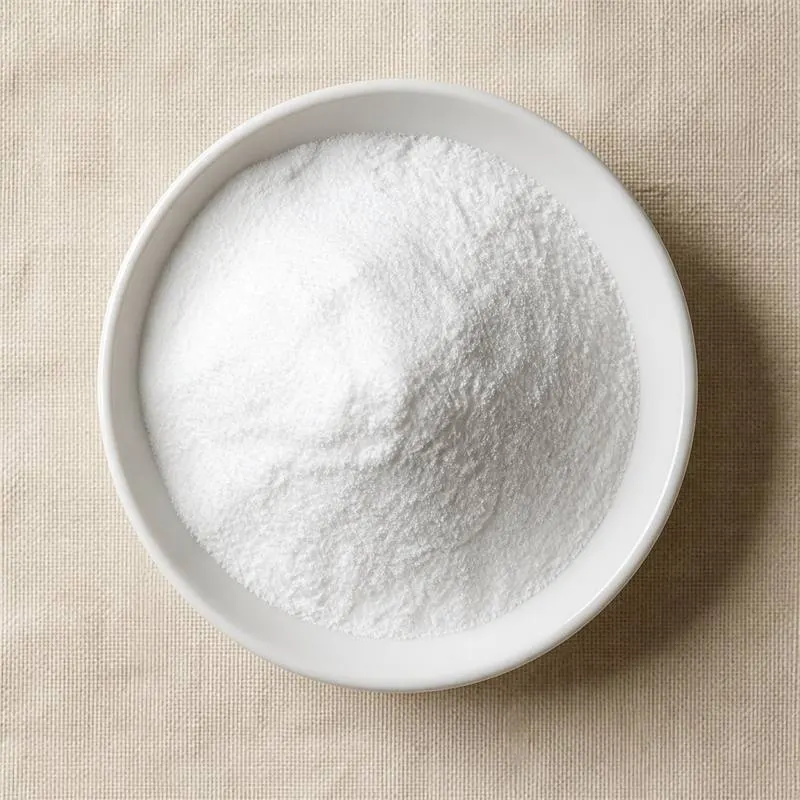
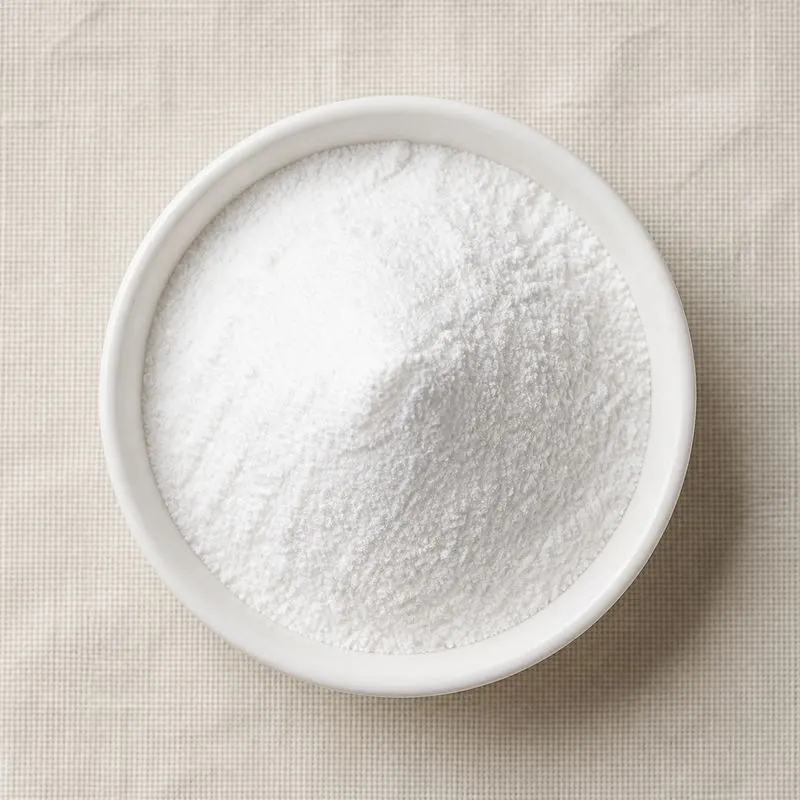
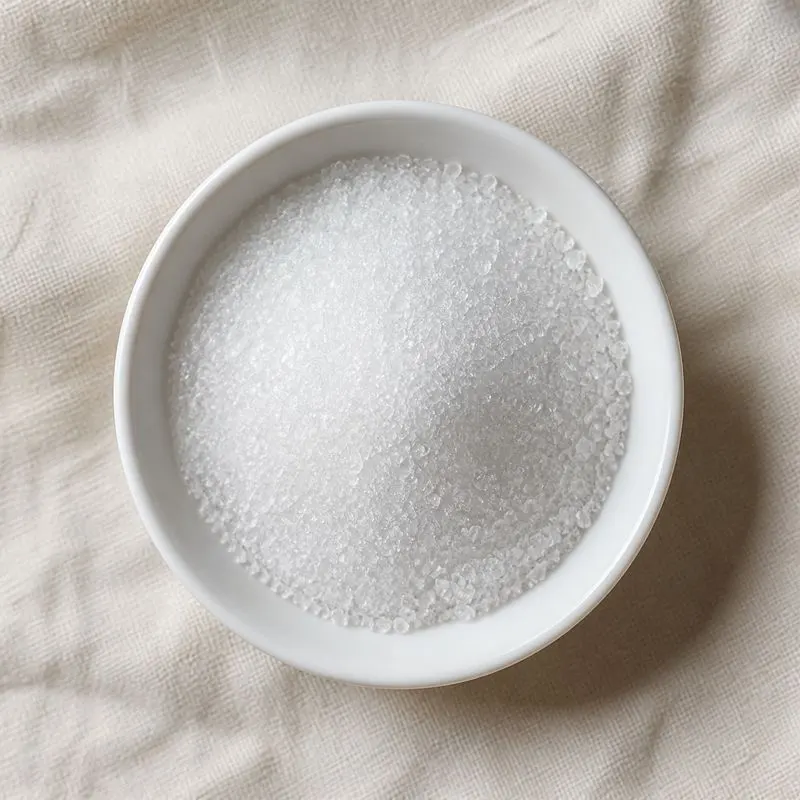
It is a white to pale yellow free flowing crystalline powder or granule with a faint characteristic odour. It is freely soluble in water, giving a solution near pH 5.5, sparingly soluble in ethanol and insoluble in ether. The dry solid is stable to heat and to normal processing conditions, but the free amino group makes lysine the most reactive amino acid in the Maillard reaction, so it browns readily and loses nutritional availability when heated in the presence of reducing sugars.
Functionally it is a nutrient rather than an additive. Cereal proteins are deficient in lysine, so supplementation raises the biological value of a wheat, maize or rice based diet, which is why the overwhelming majority of world production goes into animal feed rather than into human food.
We source bulk L-Lysine HCL from top China manufacturers for our partners, working with several of them. The manufacturers are in Hebei, Jiangsu and Sichuan. A smaller requirement can ship in a combined container with other ingredients.
Please send the grade you need, the volume and your destination port, and we will come back with a solution and a price.
or call +86-21-6858 0751
Specifications
| Item | Specification |
|---|---|
| Appearance | White to pale yellow crystalline powder or granule |
| Assay as L-lysine monohydrochloride, dried basis | 98.5 to 101.5 percent |
| Identification | Infrared spectrum and specific rotation conform |
| Specific rotation | Plus 20.4 to plus 21.4 degrees |
| Loss on Drying, 105 degrees Celsius | Not more than 1.0 percent |
| Residue on Ignition | Not more than 0.3 percent |
| pH, 5 percent aqueous solution | 5.0 to 6.0 |
| Chloride | 19.0 to 19.6 percent |
| Sulphate | Not more than 0.03 percent |
| Other amino acids, by chromatography | Not more than 0.5 percent total |
| Heavy metals as Pb | Not more than 10 mg/kg |
| Lead | Not more than 1 mg/kg |
| Arsenic | Not more than 1 mg/kg |
| Total Plate Count | Not more than 1000 CFU/g |
Common Markets Grades
Two grades dominate the trade. Feed grade L-lysine hydrochloride is specified at 98.5 percent minimum and is the highest tonnage amino acid after methionine, sold as a granular or crystalline powder for direct addition to compound feed. Food and pharmaceutical grade is specified at 98.5 to 101.5 percent on the dried basis against the USP, Ph. Eur. or Food Chemicals Codex monograph, with tighter limits on related substances, residual solvents, chloride and sulphate, and with defined microbiological limits.
Buyers choose physical form to suit the application. A fine crystalline powder is standard for tablets, infusion solutions and food fortification. A granular grade of roughly 20 to 60 mesh is preferred for feed premixes and dry blends because it segregates less and produces less dust during pneumatic conveying. Liquid lysine, a concentrated aqueous solution of around 50 percent lysine sold as the sulphate or the base, is used by feed mills equipped for liquid dosing, and lysine sulphate from an unpurified fermentation broth is a lower assay alternative sold on a cost per unit of lysine basis.
Applications
- Compound feed for pigs and poultry, correcting the lysine deficiency of maize and wheat based rations so total crude protein can be lowered without loss of growth
- Low protein feed formulation, where supplementing the first limiting amino acid cuts nitrogen excretion and ammonia emission from housing
- Aquaculture feeds, particularly where fishmeal is replaced with plant protein concentrates
- Pet food, balancing the amino acid profile of cereal and plant protein formulations
- Fortification of wheat flour, bread and noodles in public nutrition programmes aimed at cereal dependent diets
- Infant formula and clinical enteral nutrition, adjusting the amino acid pattern of the protein source
- Parenteral nutrition solutions, as a component of the crystalline amino acid pool
- Sports nutrition and amino acid supplements, in free form blends and tablets
- Pharmaceutical formulations, as an active ingredient in lysine preparations and as a counter ion in salt forming
- Savoury reaction flavours, where lysine is deliberately reacted with reducing sugars to build roasted and meaty notes
Brands Using L-Lysine HCL
Widely-distributed consumer products that list L-Lysine HCL on the ingredient label.
- SolarayL-Lysine, Free Form 500 mg VegCaps ↗Amino acid capsule whose ingredient line reads L-Lysine (L-Lysine HCl), with a vegetable cellulose capsule shell.Label verified 2026-08-31
- SolarayL-Lysine 1000 mg Tablets ↗Tablet that supplies its lysine as L-Lysine HCl and pairs it with vitamin C, vitamin B-6 and zinc.Label verified 2026-08-31
Brand names, product names and logos are the property of their owners. They appear here as published evidence that the ingredient is used, taken from the brand's own label or website. Their appearance is not an endorsement, and it does not mean the brand buys from us or from any manufacturer listed on this site.
China Manufacturers of L-Lysine HCL
Top L-Lysine HCL manufacturers in China.
 Emeishan Longteng Biotechnology Co., Ltd.10 ingredients in the directory
 Hebei Changhao Biotechnology Co., Ltd.10 ingredients in the directory
 Hebei Huafan Biological Technology Co., Ltd.15 ingredients in the directory
- Hebei Huayang Biological Technology Co., Ltd.13 ingredients in the directory
 Jiangsu Quanjia Shun Health Technology Co., Ltd.12 ingredients in the directory
 JIANGSU Shuguang Biochemical Factory1 ingredient in the directory
 Shijiazhuang Haitian Amino Acid Co., Ltd.11 ingredients in the directory
Company names and logos are the property of the manufacturers themselves. They are listed here because our own directory records them as producing this ingredient. A listing is not an endorsement by them, and we do not represent them or speak on their behalf.
Regulatory Status
In the United States L-lysine and its hydrochloride are affirmed as generally recognised as safe for use as nutrients under 21 CFR 172.320, the food additive regulation covering added amino acids, which sets the conditions under which amino acids may be added to foods for nutritive purposes. L-Lysine hydrochloride carries a monograph in the United States Pharmacopeia and in the Food Chemicals Codex. The Food and Drug Administration covers its use in animal feed, together with the ingredient definitions published by the Association of American Feed Control Officials.
In the European Union Regulation (EC) No 1925/2006 and Directive 2002/46/EC govern amino acids added for nutritional purposes to foods and food supplements, and L-lysine hydrochloride is a listed permitted form. It has no E number because it is a nutrient rather than a technological additive. Regulation (EC) No 1831/2003 authorises it as a feed additive in the nutritional additives category, with a specific authorisation tied to the producing strain. The Joint FAO/WHO Expert Committee on Food Additives has evaluated L-lysine, and a Ph. Eur. monograph applies to the pharmaceutical grade.
Manufacturing Process
L-Lysine is produced by submerged aerobic fermentation using auxotrophic and feedback deregulated mutants of Corynebacterium glutamicum. The carbon source is glucose from hydrolysed maize or cassava starch, or sucrose from cane or beet molasses, supplemented with ammonium salts or ammonia as the nitrogen source, plus phosphate, magnesium and the biotin and threonine or homoserine limitation that pushes flux towards lysine rather than towards threonine and methionine. Fermenters are run fed batch over two to three days under close control of dissolved oxygen, pH and residual sugar, and lysine accumulates in the broth to well over 100 g/L in a modern plant.
Downstream the broth is heated to kill the culture and the cells are removed by centrifugation or membrane filtration. The clarified broth is passed over a strong acid cation exchange resin, which binds the lysine cation while sugars, organic acids and residual salts pass through. The resin is eluted with ammonia, the eluate is stripped of ammonia and concentrated under vacuum, and hydrochloric acid is added to form the hydrochloride. The salt is recovered by cooling crystallisation, centrifuged, washed, dried in a fluid bed dryer and then either milled or granulated and screened to the ordered particle size.