L-SeMC
L-SeMC is the trade abbreviation for Se-methyl-L-selenocysteine, an organic selenium compound with the formula C4H9NO2Se. It is a selenium analogue of S-methylcysteine, in which the sulphur atom of the amino acid is replaced by selenium and carries a methyl group, and it occurs naturally in plants of the allium and brassica families, notably garlic, onion, broccoli and mustard, when they are grown on selenium rich soil.
The compound matters because of how selenium is handled in the body. Inorganic selenium salts such as selenite and selenate are reduced and used directly, while selenomethionine is incorporated non specifically into body protein in place of methionine and accumulates in tissue. Se-methyl-L-selenocysteine takes a third path: it is cleaved by a beta-lyase enzyme to release methylselenol, the metabolite most often studied for biological activity, and it is not built into protein, so it does not accumulate in the same way.
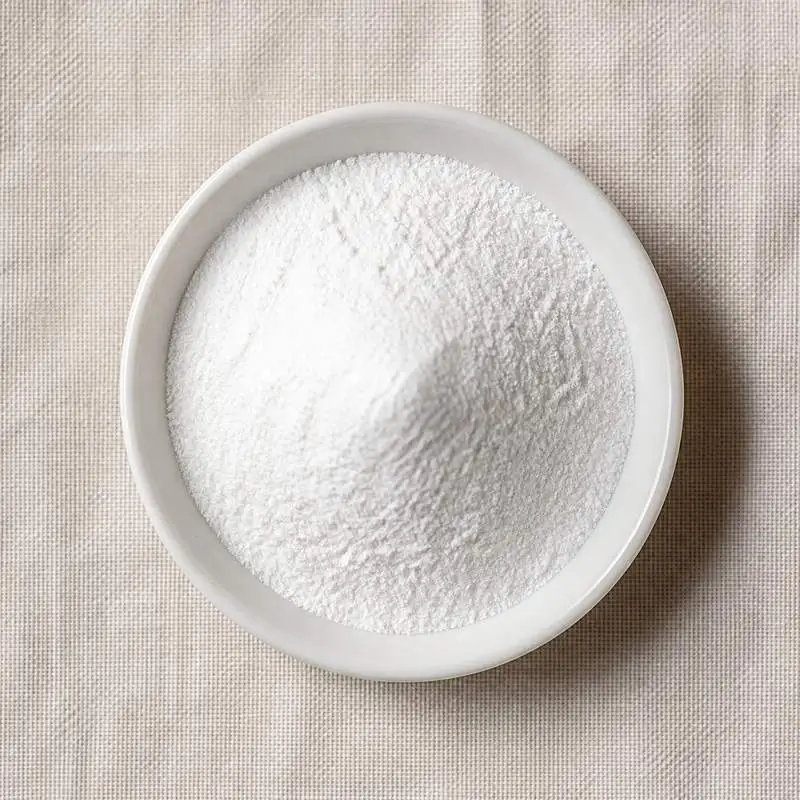
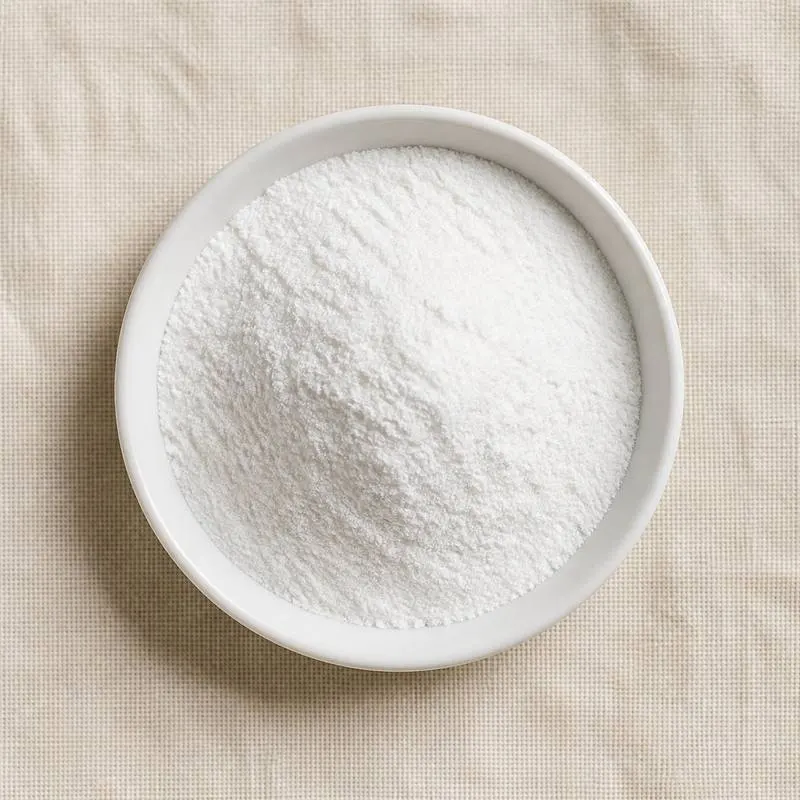
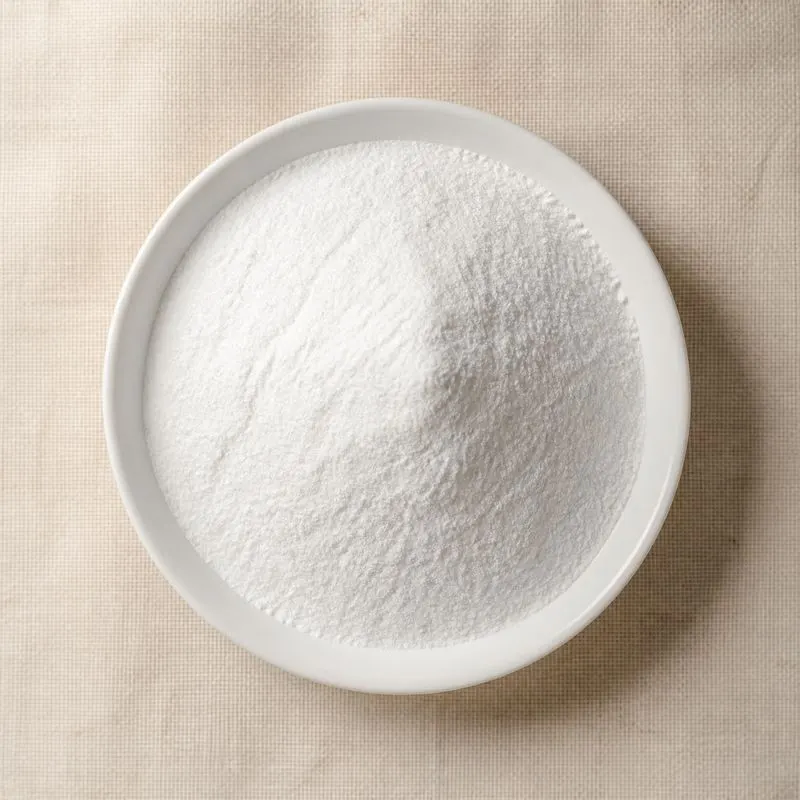
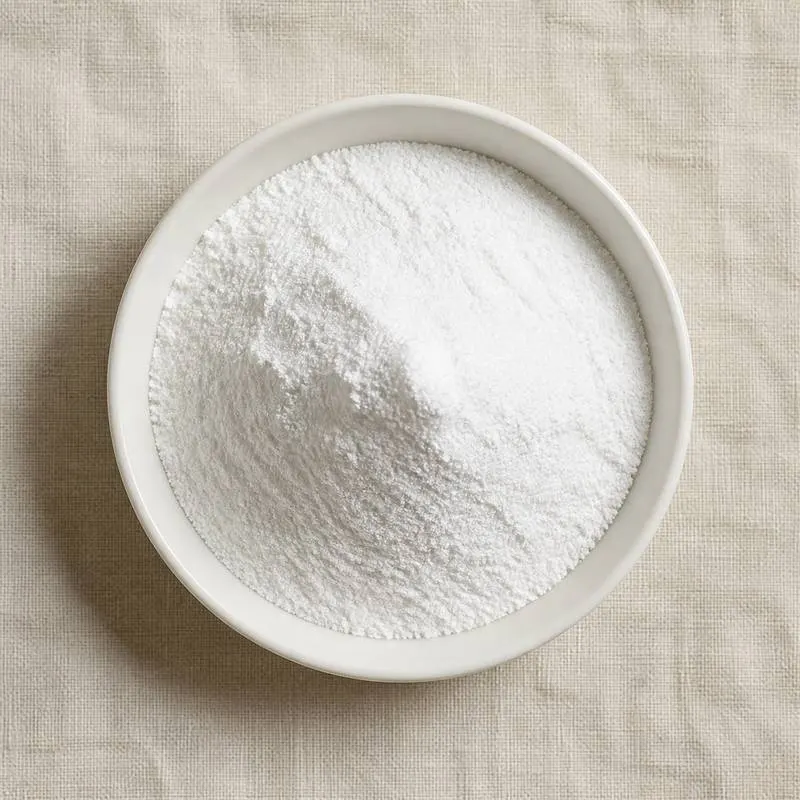
The purified substance is a white to off white crystalline powder, odourless or with a faint selenium note, freely soluble in water and sparingly soluble in ethanol. Selenium accounts for roughly 43 percent of the molecular weight, so a supplement dose expressed in micrograms of selenium corresponds to a very small weight of the compound, and the material is almost always diluted onto a carrier before it can be handled accurately in a blending operation.
We source bulk L-SeMC from top China manufacturers for our partners. The manufacturer is in Shandong. A smaller requirement can ship in a combined container with other ingredients.
Please send the grade you need, the volume and your destination port, and we will come back with a solution and a price.
or call +86-21-6858 0751
- Function
- Amino acid
Specifications
| Item | Specification |
|---|---|
| Appearance | White to off white crystalline powder |
| Identification | Chromatographic retention and mass spectrum conform to reference standard |
| Assay, dried basis | Not less than 98.0% |
| Total selenium content | 42.0 to 44.5% |
| Inorganic selenium, as proportion of total | Not more than 1.0% |
| Optical rotation | Conforms to reference standard for the L configuration |
| Related substances, total | Not more than 1.0% |
| pH, 1% aqueous solution | 5.0 to 7.0 |
| Loss on drying | Not more than 1.0% |
| Residue on ignition | Not more than 0.5% |
| Lead, as Pb | Not more than 1 mg/kg |
| Arsenic, as As | Not more than 1 mg/kg |
| Total plate count | Not more than 1,000 cfu/g |
| Salmonella | Absent in 25 g |
Common Markets Grades
The pure compound carries a 98 percent minimum assay with the selenium content declared near 43 percent, but it is rarely used at that strength. The working articles are dilutions, typically 0.5, 1 or 2 percent on a maltodextrin, starch or dicalcium phosphate carrier, prepared by the producer so that the ingredient can be weighed and blended at a realistic scale without the dosing error that a highly potent powder would introduce.
The inorganic selenium content is the specification line that matters most, since residual selenite or selenate from the synthesis both changes the toxicological profile and defeats the reason for buying an organic form. Related selenium articles traded alongside it are L-selenomethionine, selenium enriched yeast and the inorganic salts sodium selenite and sodium selenate; all are different substances with different metabolic behaviour and different regulatory standing, and none is interchangeable with it. Selenium enriched yeast and garlic extracts standardised for their natural content of the compound are sold as botanical alternatives to the synthesised material.
Applications
- Selenium supplements in capsule and tablet form, where an organic selenium source is preferred to the inorganic salts
- Antioxidant and thyroid support formulations, based on the role of selenium in glutathione peroxidase and the deiodinase enzymes
- Multivitamin and mineral products, dosed as a dilution on a carrier to allow accurate blending at microgram levels
- Sports and immune support supplements, where selenium is included in a trace element package
- Men's health formulations, where selenium status is linked to reproductive function
- Specialised and clinical nutrition, where selenium deficiency is a documented risk in restricted diets and in regions with low soil selenium
- Selenium enriched functional foods, where the compound is the marker of a selenium biofortified crop
- Animal feed and premixes in markets that permit organic selenium sources, where it is used in place of sodium selenite
- Reference and analytical standards for selenium speciation work
Brands Using L-SeMC
Widely-distributed consumer products that list L-SeMC on the ingredient label.
- Life ExtensionSe-Methyl L-Selenocysteine 200 mcg ↗A single nutrient selenium capsule that supplies its 200 mcg of selenium entirely as Se-methyl L-selenocysteine.Label verified 2026-08-31
- Life ExtensionSuper Selenium Complex 200 mcg & Vitamin E ↗A selenium capsule whose supplement facts panel lists selenium as Se-methyl L-selenocysteine together with L-selenomethionine and sodium selenite.Label verified 2026-08-31
Brand names, product names and logos are the property of their owners. They appear here as published evidence that the ingredient is used, taken from the brand's own label or website. Their appearance is not an endorsement, and it does not mean the brand buys from us or from any manufacturer listed on this site.
China Manufacturers of L-SeMC
Top L-SeMC manufacturers in China.
Company names and logos are the property of the manufacturers themselves. They are listed here because our own directory records them as producing this ingredient. A listing is not an endorsement by them, and we do not represent them or speak on their behalf.
Regulatory Status
In the United States Se-methyl-L-selenocysteine is marketed as a dietary ingredient in food supplements under the Dietary Supplement Health and Education Act, with its market position resting on new dietary ingredient notification rather than on any food additive listing. Selenium in conventional food and in infant formula is permitted from specified inorganic sources under the food additive regulations, and the organic compound is not among them, so its use is confined to the supplement category. Labels declare the selenium contributed rather than the weight of the compound, and selenium is subject to an upper intake level that limits formulation.
In the European Union the position is more restrictive. Annex II of Directive 2002/46/EC as amended sets out the permitted selenium sources for food supplements, listing the inorganic salts and selenium enriched yeast, and Se-methyl-L-selenocysteine is not among them, so it may not be used as a selenium source in food supplements placed on the Union market unless and until it is added to that list. The same applies to the source lists for fortified foods under Regulation (EC) No 1925/2006 and for foods for specific groups under Regulation (EU) No 609/2013. Feed use of selenium compounds falls under Regulation (EC) No 1831/2003, which authorises named selenium sources and sets maximum selenium contents in complete feed. Codex addresses selenium through its advisory list of nutrient compounds.
Manufacturing Process
Commercial material is made by chemical synthesis rather than by extraction, since the natural concentration in even a selenium enriched crop is far too low to recover economically. The selenium is introduced as methylselenol or its sodium salt, generated in the reactor by reducing elemental selenium or a selenium salt with sodium borohydride or with an alkaline reducing system and then methylating the resulting selenide with a methyl halide or dimethyl sulphate. The reaction is run under nitrogen because selenide species oxidise rapidly in air.
The amino acid backbone comes from a serine derivative of fixed stereochemistry, most often L-serine converted to an activated form such as the O-tosyl ester or to beta-chloro-L-alanine, or from an N-protected precursor. The methylselenolate displaces the leaving group to give the selenoether with retention of the L configuration, and any protecting groups are then removed under mild acid or base conditions chosen to avoid racemisation and to avoid cleaving the carbon to selenium bond. The crude product is neutralised, decolourised over activated carbon and desalted, then purified by ion exchange chromatography and crystallisation, with particular attention to removing residual inorganic selenium, which is both a specified impurity and the main safety concern in the finished article. The purified solid is dried under vacuum, assayed, and then blended onto a carrier to the declared dilution in a ribbon blender with a homogeneity check, sieved and packed.