Glutaminase
Glutaminase is a hydrolase that converts L-glutamine into L-glutamic acid and ammonia by removing the amide group from the side chain. The distinction matters in flavour work because glutamine is essentially tasteless while glutamic acid is the principal umami amino acid, so the enzyme turns an inert product of protein hydrolysis into the compound that carries savoury intensity.
In practice glutaminase is used alongside protease. Protease breaks a protein such as soy, wheat gluten or yeast protein into peptides and free amino acids, of which a substantial share is glutamine, and glutaminase then converts that pool into glutamate in situ. It is the standard way to raise the umami strength of a hydrolysate without adding monosodium glutamate as a separate ingredient, which supports label positions that avoid a declared flavour enhancer.
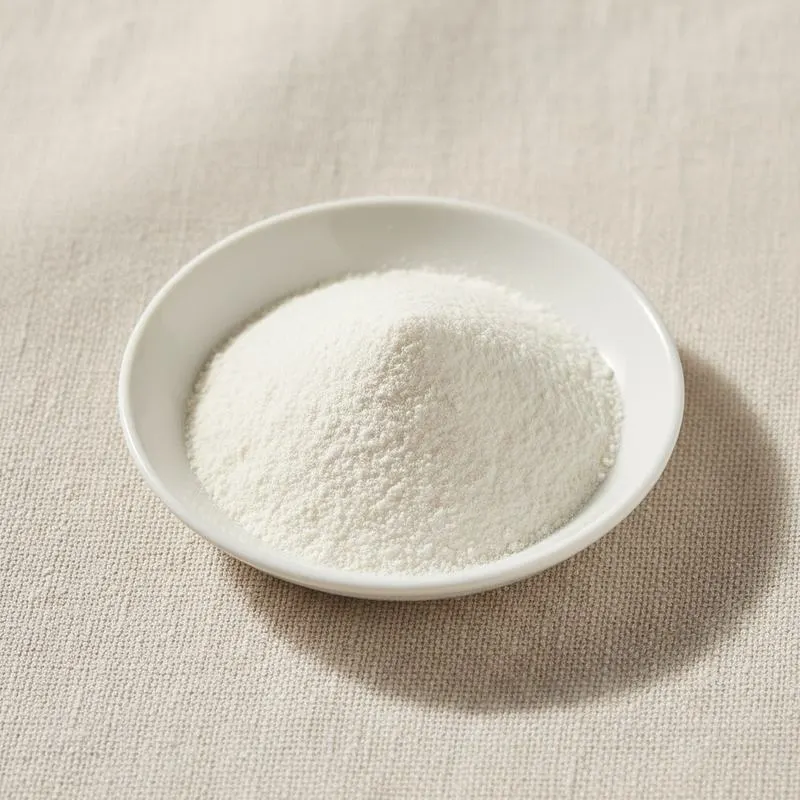
Commercial glutaminase is a microbial preparation, most often from Bacillus or Aspergillus species, sold as a light tan powder standardised on a carrier or as a stabilised liquid. It works around pH 6 to 8 at moderate temperature, tolerates the high salt of soy sauce moromi in the salt-tolerant grades, and is inactivated by pasteurisation at the end of the process.
We source bulk Glutaminase from top China manufacturers for our partners. The manufacturer is in Hubei. A smaller requirement can ship in a combined container with other ingredients.
Please send the grade you need, the volume and your destination port, and we will come back with a solution and a price.
or call +86-21-6858 0751
- Function
- Enzyme
Specifications
| Item | Specification |
|---|---|
| Appearance | Light tan free-flowing powder |
| Declared Activity | 5,000 U/g minimum on L-glutamine substrate |
| Identification | Release of glutamate from glutamine confirmed by chromatography |
| Optimum pH | 6.0 to 8.0 |
| Salt Tolerance | ≥ 60% activity retained at 15% sodium chloride, salt-tolerant grade |
| Contaminating Protease | ≤ 1% of stated activity |
| Loss on Drying | ≤ 8.0% |
| Residue on Ignition | ≤ 12.0% |
| Heavy Metals (as Pb) | ≤ 30 mg/kg |
| Lead | ≤ 5 mg/kg |
| Arsenic | ≤ 3 mg/kg |
| Total Plate Count | ≤ 50,000 cfu/g |
| E. coli | Absent in 25 g |
| Salmonella | Absent in 25 g |
Common Markets Grades
The commercially important split is between standard and salt-tolerant grades. Standard glutaminase is used in low-salt hydrolysis of soy and wheat protein for seasoning bases, while salt-tolerant grades retain activity in the high sodium chloride environment of soy sauce fermentation and are specified by the salt concentration at which a stated proportion of activity survives. Thermostability and pH optimum are the other differentiating properties.
Activity is declared in units per gram against a defined glutamine substrate assay, and the level of contaminating protease is a specification item, since unwanted proteolysis alters the peptide profile of the hydrolysate. Physical forms are spray dried powder on maltodextrin and stabilised liquid concentrate. Blended seasoning enzyme products combining glutaminase with protease and peptidase are traded as complete hydrolysis systems rather than as single activities.
Applications
- Soy sauce brewing, converting glutamine released during moromi fermentation into glutamate to raise umami intensity
- Hydrolysed vegetable protein production, working with protease to build savoury strength in soy and wheat gluten hydrolysates
- Yeast extract manufacture, increasing the free glutamate content of extracts sold as natural umami sources
- Savoury seasoning bases and bouillon, deepening taste without a declared flavour enhancer on the label
- Sodium reduction formulations, where higher glutamate improves perceived saltiness at lower sodium chloride levels
- Fermented seasoning pastes such as miso-style products, raising glutamate during the ripening stage
- Fish and shellfish hydrolysates, developing savoury character in marine protein bases
- Plant-based meat analogues, building meaty depth in fermented and hydrolysed plant protein components
- Culture media and analytical work, as a reagent for glutamine determination and glutamine removal
China Manufacturers of Glutaminase
Top Glutaminase manufacturers in China.

Company names and logos are the property of the manufacturers themselves. They are listed here because our own directory records them as producing this ingredient. A listing is not an endorsement by them, and we do not represent them or speak on their behalf.
Regulatory Status
In the United States glutaminase preparations used in food processing are enzyme preparations cleared through generally recognised as safe determinations, with GRAS notices filed with the Food and Drug Administration covering the specific enzyme and its production organism. The glutamate generated by the enzyme is the same substance that occurs naturally in fermented and protein-rich foods, and when it is produced in situ rather than added, the finished product does not declare monosodium glutamate, although labelling rules on flavour enhancer declarations must still be assessed for the specific product.
In the European Union glutaminase is a food enzyme under Regulation (EC) No 1332/2008, with dossiers assessed by the European Food Safety Authority ahead of entry onto the Union list, and no E number applies to the enzyme. Glutamate salts added as additives carry their own listings, but glutamate formed enzymatically during processing is treated as an intrinsic constituent of the food. The Joint FAO/WHO Expert Committee on Food Additives publishes general specifications for enzyme preparations used in food processing, which underpin the purity limits shown on commercial certificates.
Manufacturing Process
Glutaminase is produced by submerged fermentation of a food grade Bacillus or Aspergillus strain selected for high secreted glutaminase and low background protease. A working cell bank is grown through seed stages into a stirred aerated fermenter charged with a carbohydrate source, an organic nitrogen source such as soy meal or corn steep liquor, and mineral salts, and the run is held under controlled temperature, pH and dissolved oxygen until secreted activity peaks. Solid state culture on bran is used for some fungal glutaminases.
Downstream the biomass is removed by centrifugation and microfiltration, and the clarified broth is concentrated and desalted by ultrafiltration. Where a low-protease specification is required, an ion exchange or hydrophobic interaction step separates the wanted activity from the background. The concentrate is stabilised and standardised as a liquid, or blended with maltodextrin and spray dried at low inlet temperature, then assayed, cut with carrier to the declared activity, sieved and packed.