Lactobacillus crispatus
Lactobacillus crispatus is a homofermentative lactic acid bacterium that dominates the healthy human vaginal microbiota, and it trades as a freeze dried culture concentrate for supplement and functional food use.
The species is distinguished within the lactobacilli by producing both D and L isomers of lactic acid and by generating hydrogen peroxide, a combination that holds the vaginal environment at a low pH and suppresses the anaerobic organisms associated with bacterial vaginosis. It also adheres strongly to epithelial surfaces through surface layer proteins, which is the basis of its interest as a colonising rather than transient organism. It is a fastidious grower with a narrower substrate range than Lactiplantibacillus plantarum and a stricter requirement for anaerobic conditions.
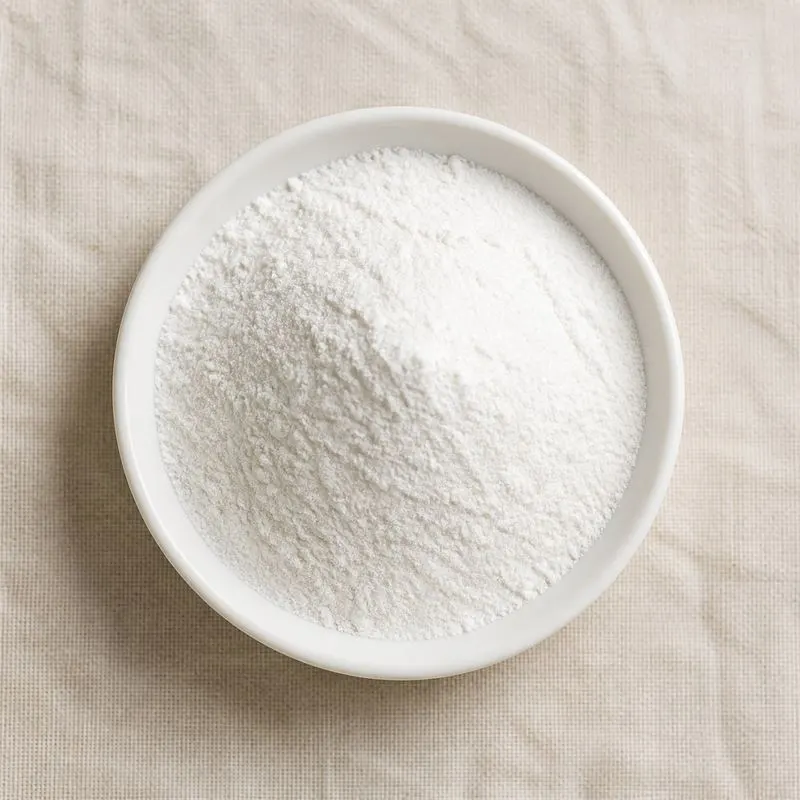
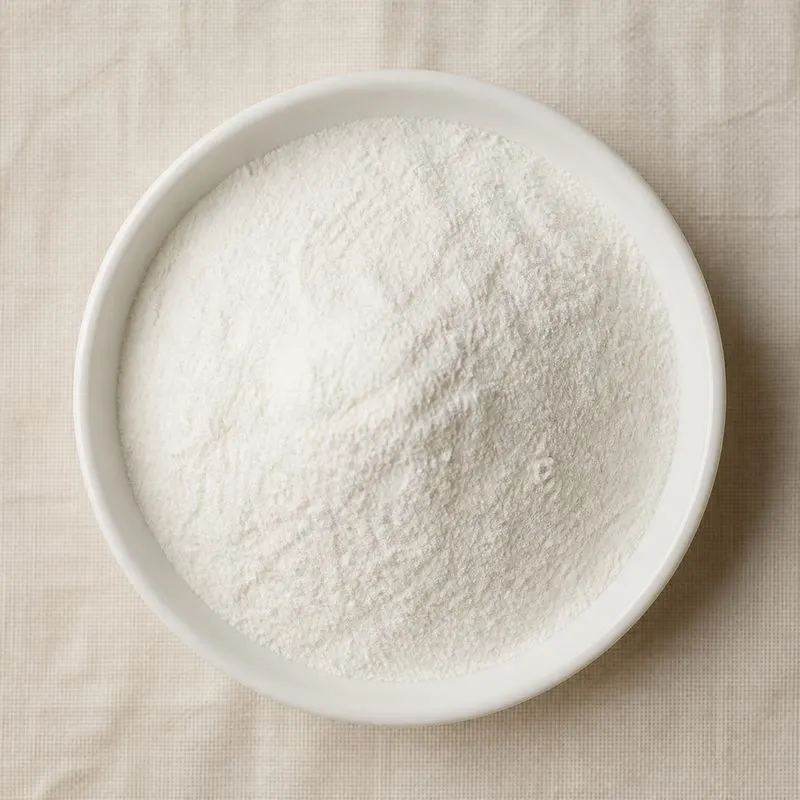
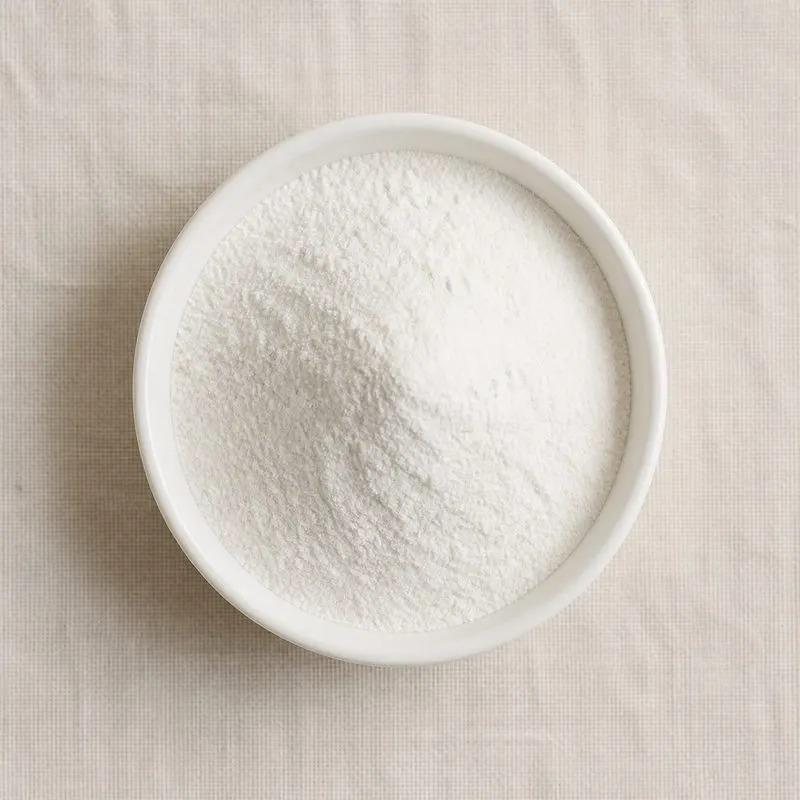
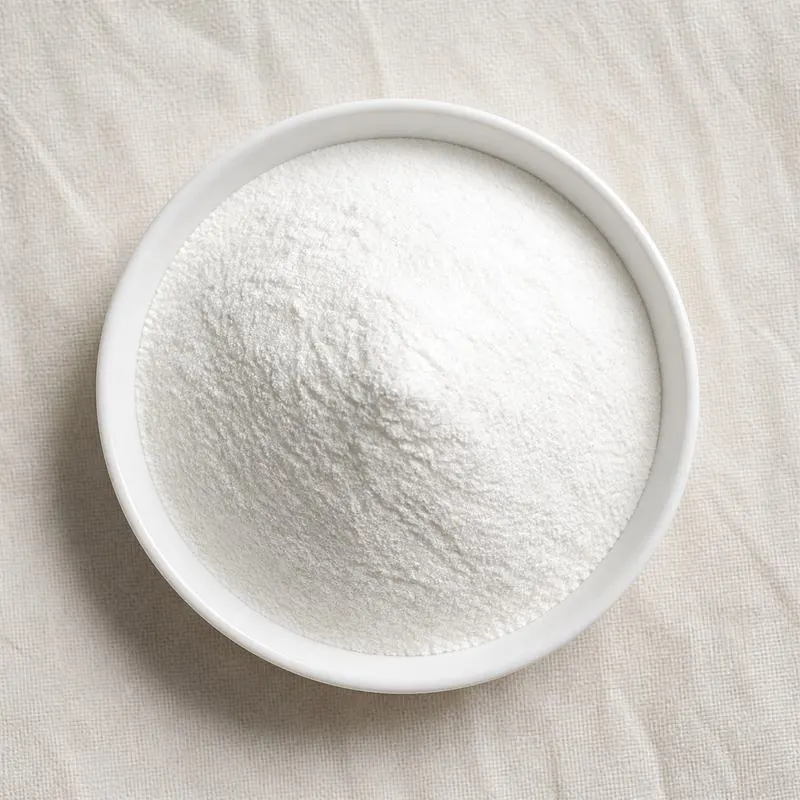
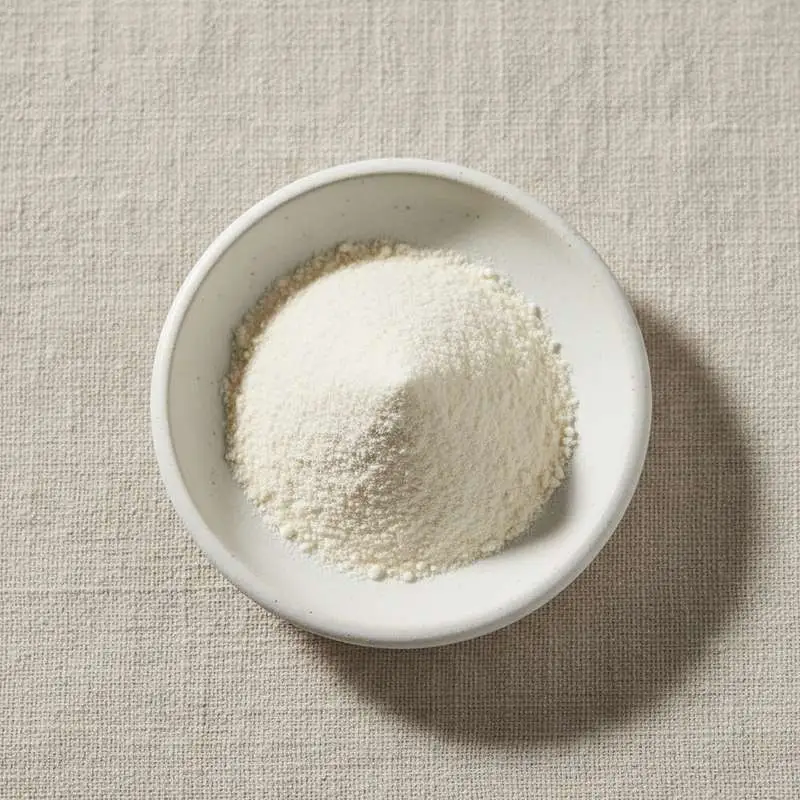
Commercial material is an off-white freeze dried powder standardised with maltodextrin and packed under nitrogen in foil laminate. It is hygroscopic and oxygen sensitive, so blending is carried out in humidity controlled rooms and the powder is stored refrigerated or frozen.
We source bulk Lactobacillus crispatus from top China manufacturers for our partners. The manufacturer is in Jiangsu. A smaller requirement can ship in a combined container with other ingredients.
Please send the grade you need, the volume and your destination port, and we will come back with a solution and a price.
or call +86-21-6858 0751
- Function
- Probiotic
Specifications
| Item | Specification |
|---|---|
| Appearance | Off-white to light cream free-flowing powder |
| Odour | Characteristic fermented, free of off odours |
| Viable Count at Release | Not less than %s CFU/g |
| Identification | Conforms to strain identity by 16S rRNA sequencing and pulsed field gel electrophoresis |
| Loss on Drying | Not more than 6.0 percent |
| Water Activity | Not more than 0.25 |
| Particle Size | Passes 80 mesh, not less than 95 percent |
| Lead as Pb | Not more than 0.5 mg/kg |
| Arsenic as As | Not more than 0.5 mg/kg |
| Cadmium as Cd | Not more than 0.3 mg/kg |
| Total Coliforms | Not more than 10 CFU/g |
| Yeast and Mould | Not more than 100 CFU/g |
| E. coli | Absent in 1 g |
| Salmonella | Absent in 25 g |
Common Markets Grades
The species is traded as a freeze dried single strain powder at declared potencies broadly between 50 billion and 200 billion CFU per gram on a maltodextrin carrier. Declared potency tends to sit lower than for the plantarum group because the organism is harder to grow to high density and less robust through drying.
Coated grades produced by fluid bed application of a lipid or polysaccharide shell are traded for tabletting and for vaginal capsule and pessary formats. The culture also goes into defined women's health blends alongside other vaginal origin lactobacilli.
Applications
- Women's health supplements formulated around vaginal flora balance
- Vaginal capsules, ovules and pessaries, where the coated grade carries the organism to the site of action
- Oral probiotic capsules and sachets aimed at urogenital colonisation from the gut reservoir
- Chewable tablets and gummies using the encapsulated grade to survive compression
- Fermented dairy drinks positioned for women's health
- Supplement blends combined with cranberry extract and prebiotic oligosaccharides
- Maternal nutrition products taken through pregnancy
- Personal care emulsions and gels using inactivated or protected cell preparations
Brands Using Lactobacillus crispatus
Widely-distributed consumer products that list Lactobacillus crispatus on the ingredient label.
- Happy VPrebiotic + Probiotic ↗A women's vaginal health capsule whose supplement facts list Lactobacillus crispatus as strain CCFM1110 at 2 billion CFU.Label verified 2026-08-31
- OxiceuticsMyCrispatus Probiotic Capsules ↗An oral probiotic capsule built around Lactobacillus crispatus SP-28 at 6 billion CFU, combined with L. reuteri, hyaluronic acid and FOS.Label verified 2026-08-31
Brand names, product names and logos are the property of their owners. They appear here as published evidence that the ingredient is used, taken from the brand's own label or website. Their appearance is not an endorsement, and it does not mean the brand buys from us or from any manufacturer listed on this site.
China Manufacturers of Lactobacillus crispatus
Top Lactobacillus crispatus manufacturers in China.
Company names and logos are the property of the manufacturers themselves. They are listed here because our own directory records them as producing this ingredient. A listing is not an endorsement by them, and we do not represent them or speak on their behalf.
Regulatory Status
In the United States Lactobacillus crispatus is used in dietary supplements under the dietary supplement framework, and strains intended for conventional food use are supported by GRAS determinations covering the specific isolate. There is no food additive regulation covering the species.
In the European Union food cultures are ingredients rather than additives and carry no E number. The EFSA Qualified Presumption of Safety list includes the species, resolving safety at species level while leaving strain specific questions such as transferable antibiotic resistance to the individual dossier. A strain without a history of significant consumption in the Union before May 1997 in the intended food form may additionally require assessment under the novel food framework. Codex has no standard specific to the species.
Manufacturing Process
A working vial from the strain bank is propagated through seed stages into a production fermenter on a sterilised medium rich in fermentable carbohydrate, protein hydrolysate, yeast extract and growth factors, since the species is more fastidious than the plantarum group and does not reach useful density on a minimal medium. Fermentation is strictly anaerobic under a nitrogen or carbon dioxide headspace at around 37 degrees Celsius, with alkali dosed to hold pH against the lactic acid produced.
The broth is concentrated by centrifugation into a cell paste and blended with a cryoprotectant such as trehalose, sucrose or skim milk solids. The concentrate is frozen and freeze dried under vacuum, then milled, standardised to the declared count with maltodextrin, blended and packed under nitrogen with an oxygen scavenger.