Light Calcium Carbonate
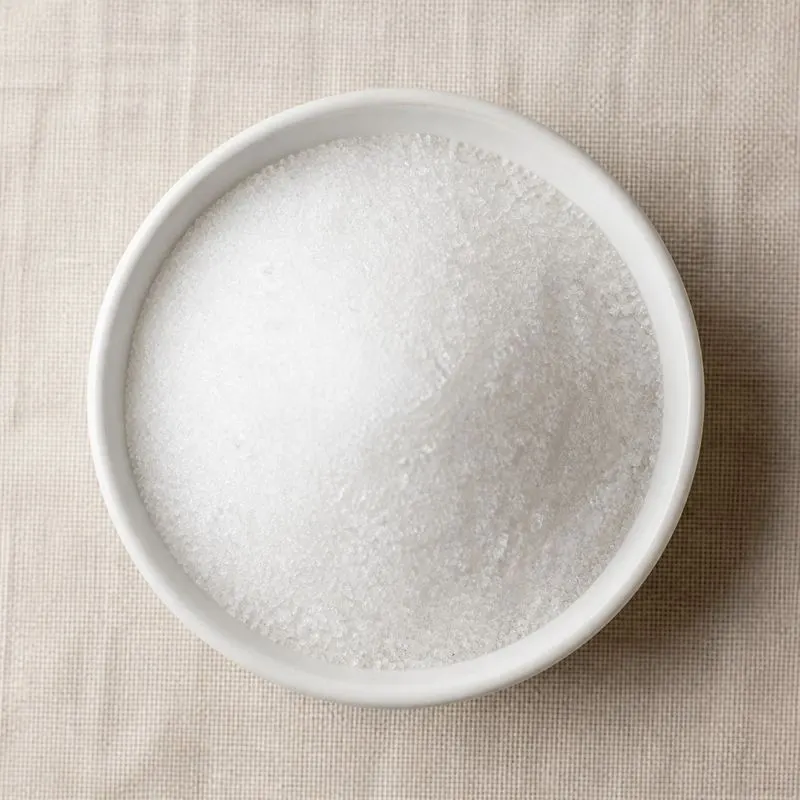
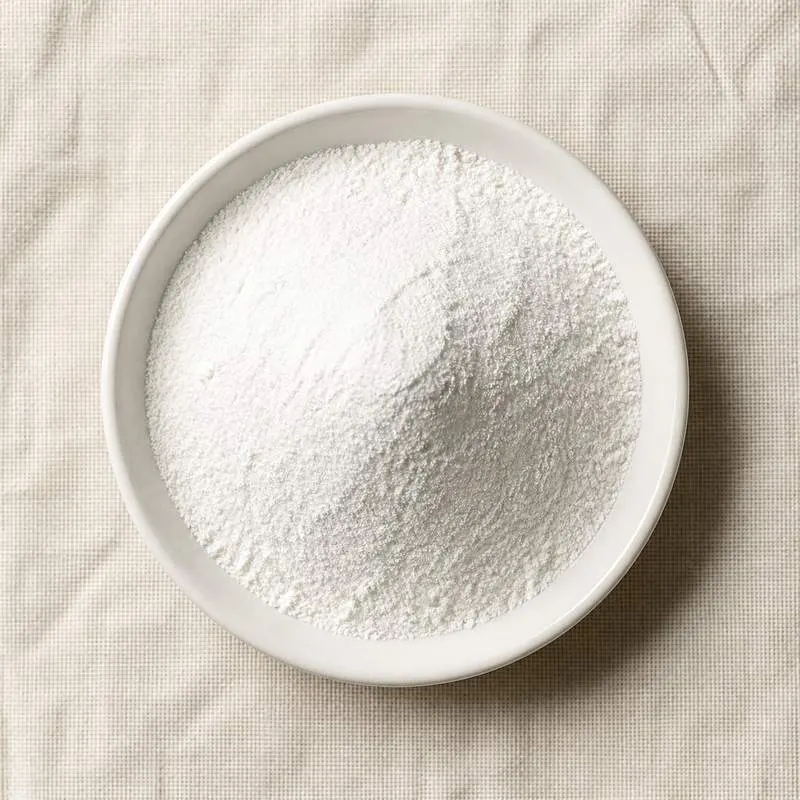
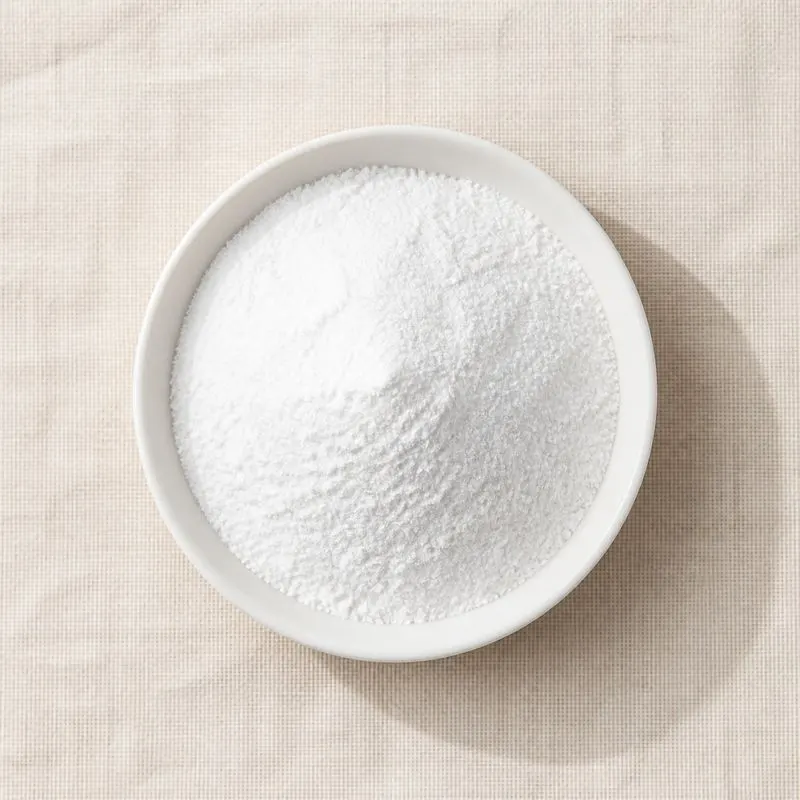
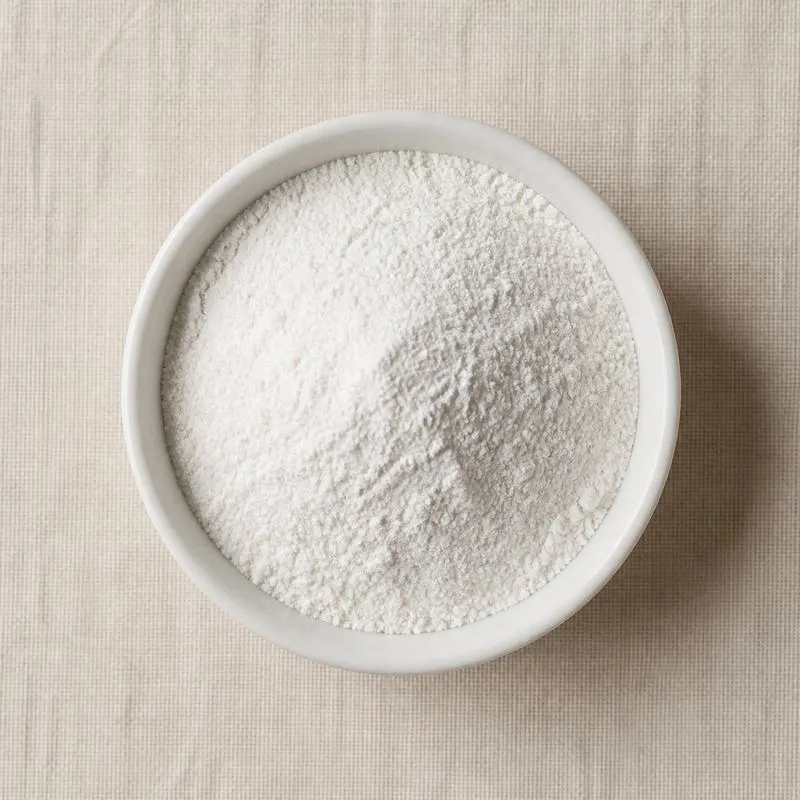
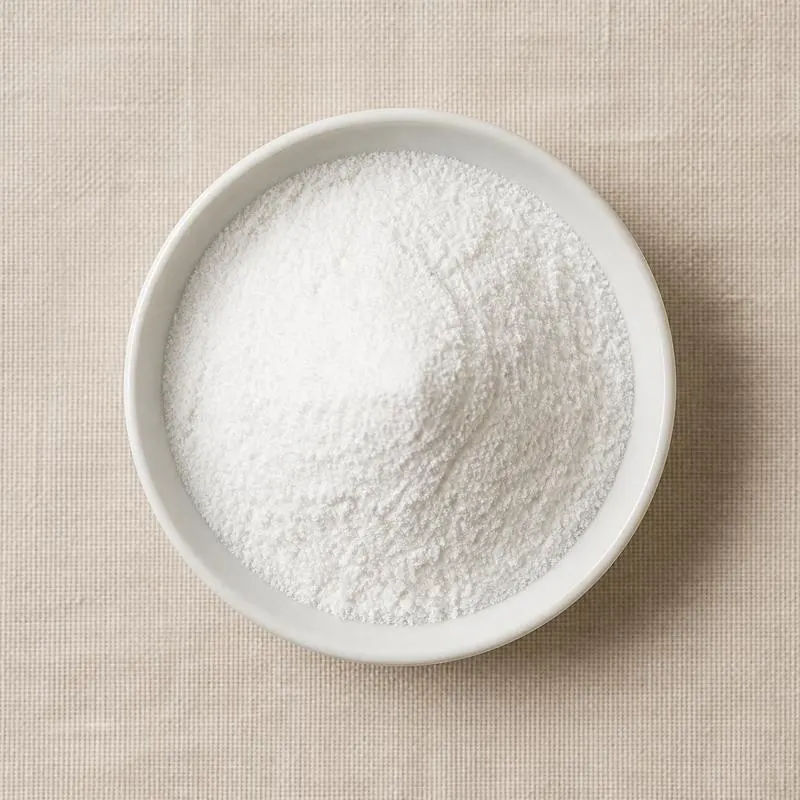
Light Calcium Carbonate is a fine, high-brightness white powder produced by chemical precipitation rather than mechanical grinding. The trade also calls it precipitated calcium carbonate, or PCC.
It shares the formula CaCO₃ with the ground grade but differs sharply in particle size, particle shape, brightness, and purity. The controlled precipitation route allows manufacturers to dial in calcite, aragonite, or vaterite crystal habits and to deliver sub-micron primary particles that the grinding route cannot reach.
We source bulk Light Calcium Carbonate from top China manufacturers for our partners. The manufacturers are in Guangxi and Guizhou. A smaller requirement can ship in a combined container with other ingredients.
Please send the grade you need, the volume and your destination port, and we will come back with a solution and a price.
or call +86-21-6858 0751
- Packaging
- 25 kg kraft paper bag with PE inner liner
- ISO 9001
- HACCP
- Halal
- Kosher
Specifications
Grades / Types Available: Food Grade
| Item | Specification |
|---|---|
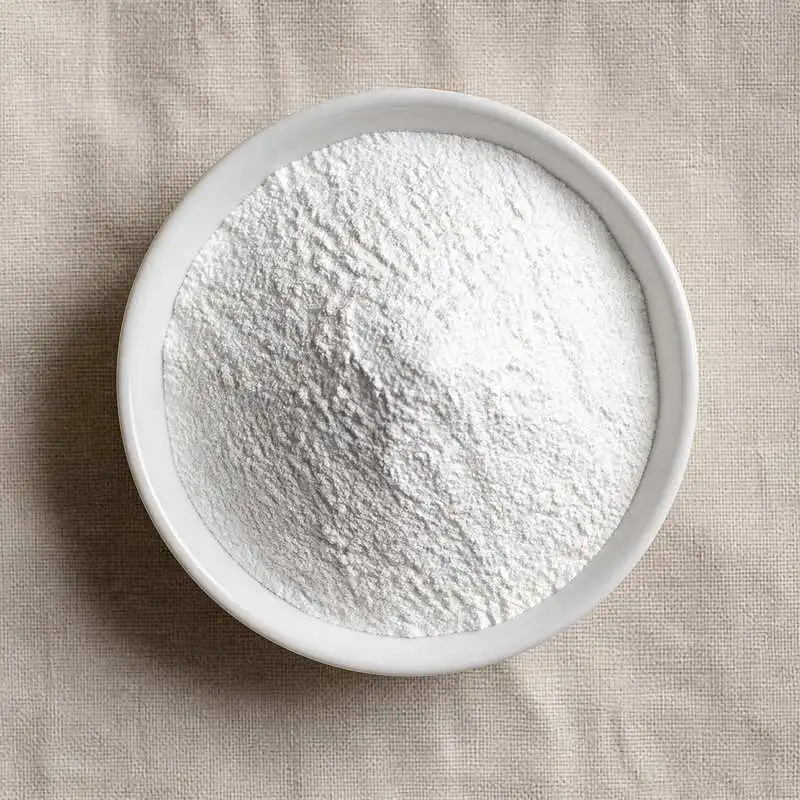
| Appearance | White ultrafine powder |
| Assay (CaCO₃) | ≥ 98.0% |
| Loss on Drying | ≤ 1.0% |
| Acid-Insoluble Substances | ≤ 0.2% |
| Bulk Density | 0.3-0.5 g/mL |
| Heavy Metals (as Pb) | ≤ 3 mg/kg |
| Purity (Food Grade) | 98.6% |
| Insoluble Matter in Hydrochloric Acid (Food Grade) | 0.04% |
| Mass Fraction of Free Alkali (Food Grade) | qualified |
| Alkali Metal and Magnesium (Food Grade) | 0.4% |
| Barium (Ba) (Food Grade) | <0.030% |
| Arsenic (As) (Food Grade) | 0.00002% |
| Drying Loss (Food Grade) | 0.1% |
| Fluorine (F) (Food Grade) | 0.0002% |
| Lead (Pb) (Food Grade) | 0.00001% |
| Mercury (Hg) (Food Grade) | <0.00001% |
| Cadmium (Cd) (Food Grade) | <0.00001% |
Common Markets Grades
PCC is graded by crystal habit, particle size, and surface treatment.
Scalenohedral calcite, often called rosette PCC, is the dominant grade for paper filler and coating, with primary particles of 1 to 2 microns and a high specific surface that boosts opacity and brightness.
Rhombohedral calcite, with cubic-looking particles of 0.4 to 0.7 microns, is preferred in rigid PVC, where it improves impact strength and surface finish.
Acicular aragonite, a needle-like grade, is used in specialty paper and as a reinforcing filler in elastomers.
Nano-PCC, with primary particles below 100 nm, serves as a rheology modifier and reinforcing filler in silicone sealants, polyurethane adhesives, and inks. Almost all nano grades are surface-coated with stearic or other fatty acid to prevent agglomeration.
Pharmaceutical and food grades carry low heavy-metal limits and meet USP, FCC, and Ph. Eur. monographs for calcium carbonate, often with controlled bulk density for direct-compression tableting.
Applications
- Calcium supplements and antacids in chewable tablets, effervescent tablets, and suspensions
- Food fortification of dairy alternatives, breakfast cereals, fruit juice, and bakery products
- Toothpaste as a mild abrasive and bulking agent in non-silica formulations
- Pharmaceutical excipient for direct compression tableting, where controlled particle size aids flow and compaction
- High-end paper filler and coating pigment, raising opacity and brightness over GCC at lower loadings
- Silicone, polyurethane, and acrylic sealants, where nano-PCC provides thixotropy and reinforcement
- Rigid PVC pipe, profile, and siding, where rhombic PCC improves impact resistance
- Printing inks, particularly offset and gravure formulations
- Decorative and high-gloss architectural paint
- Cosmetics, including pressed powders, foundations, and lipsticks
- Plastisol coatings, automotive sealers, and PVC underbody coats
Brands Using Light Calcium Carbonate
Widely-distributed consumer products that list Light Calcium Carbonate on the ingredient label.
- Haleon (TUMS)TUMS Ultra Strength 1000 ↗Active ingredient Calcium Carbonate 1000 mg per tablet. Pharmaceutical-grade tablet calcium carbonate is typically PCC (precipitated/light) for uniform particle size and tablet compression.Label verified 2026-05-24
- Haleon (TUMS)TUMS Extra Strength 750 ↗Calcium Carbonate 750 mg active ingredient; chewable antacid tablet form uses precipitated calcium carbonate (PCC) for purity and consistent particle size.Label verified 2026-05-24
- Danone (Silk)Silk Original Almondmilk ↗Calcium Carbonate listed in Vitamin & Mineral Blend. Food-grade beverage fortification commonly uses precipitated/light calcium carbonate due to fine, controlled particle size.Label verified 2026-05-24
- Danone (Silk)Silk Vanilla Almondmilk ↗Brand product page panel includes Calcium Carbonate in fortification blend.Label verified 2026-05-24
- Califia FarmsCalifia Farms Unsweetened Almondmilk ↗Brand ingredient panel lists calcium carbonate as added mineral for calcium fortification.Label verified 2026-05-24
- Haleon (Caltrate)Caltrate 600+D3 Plus Minerals ↗Calcium Carbonate 600 mg elemental calcium. Pharmaceutical tablets typically use PCC (precipitated/light) calcium carbonate grade.Label verified 2026-05-24
Brand names, product names and logos are the property of their owners. They appear here as published evidence that the ingredient is used, taken from the brand's own label or website. Their appearance is not an endorsement, and it does not mean the brand buys from us or from any manufacturer listed on this site.
China Manufacturers of Light Calcium Carbonate
Top Light Calcium Carbonate manufacturers in China.
- Guangxi Xingai Biological Technology Co., Ltd.3 ingredients in the directory
 Qianan Xinglong Biotechnology Co., Ltd.4 ingredients in the directory
Company names and logos are the property of the manufacturers themselves. They are listed here because our own directory records them as producing this ingredient. A listing is not an endorsement by them, and we do not represent them or speak on their behalf.
How We Help Source Light Calcium Carbonate
Direct Factory Sourcing
We run the whole process: selecting the manufacturer from the top Chinese food ingredient producers, negotiating the price, verifying quality, and coordinating the logistics. You deal with us instead of with several factories at once.
Original Packaging and Documents from the Manufacturer
The manufacturer sends your Light Calcium Carbonate out of its own factory in the original packing, through to your destination port. The COA, COO, MSDS, TDS and any certifications reach you from the manufacturer as well.
Free Samples and Lead Time
We send 100 to 500 g free for your own laboratory to test and you cover only the courier, usually within 2 to 3 working days. ETD is usually within 7 to 15 days once the order is confirmed, and we check that date against the factory's own manufacturing schedule before we give it to you.
Combined Shipment
We can load Light Calcium Carbonate together with other ingredients such as Sodium Acetate, Calcium Citrate and Sodium Lactate into one 20' FCL. If your quantity is small, we can also ship LCL.
Regulatory Status
Light and heavy calcium carbonate share the same regulatory identity in food and pharma.
The European Union assigns E170 to both, with no numerical intake limit set by EFSA. The U.S. Food and Drug Administration covers it under 21 CFR 184.1191 as Generally Recognized as Safe, and 21 CFR 73.70 permits its use as a colour additive.
JECFA classifies calcium carbonate as not requiring a numerical intake limit. Monographs appear in the United States Pharmacopeia, the European Pharmacopoeia, the British Pharmacopoeia, and the Japanese Pharmacopoeia.
For pharmaceutical use, PCC is the preferred form because crystal habit and particle size can be controlled to deliver consistent tablet hardness, dissolution, and content uniformity.
Halal and Kosher certifications are routinely available, since the production chemistry uses only limestone, water, and recycled carbon dioxide.
Manufacturing Process
Light calcium carbonate is built up chemically from calcium hydroxide and carbon dioxide.
The process starts by calcining high-purity limestone in a vertical or rotary kiln at around 950 °C, driving off CO₂ and leaving quicklime, CaO. The quicklime is slaked with water to produce a milk of lime, Ca(OH)₂ suspension, which is screened to remove unreacted core particles and grit.
The clean milk of lime then enters a carbonation reactor where the off-gas from the kiln, rich in CO₂, is sparged through the suspension under controlled temperature, agitation, and pH. Calcium carbonate precipitates as fresh crystals, and the carbon dioxide is recycled in a near-closed loop.
By tuning temperature, CO₂ flow, additives, and seeding strategy, the manufacturer steers the precipitate toward scalenohedral, rhombohedral, or acicular crystal shapes. The slurry is dewatered, optionally surface-coated with stearic acid, and either spray dried or sold wet for paper mills.
Major producers operate satellite PCC plants alongside large paper mills in North America, Europe, and East Asia, taking advantage of on-site CO₂ and integrated logistics. Independent merchant capacity is concentrated in Japan, South Korea, China, and Western Europe.